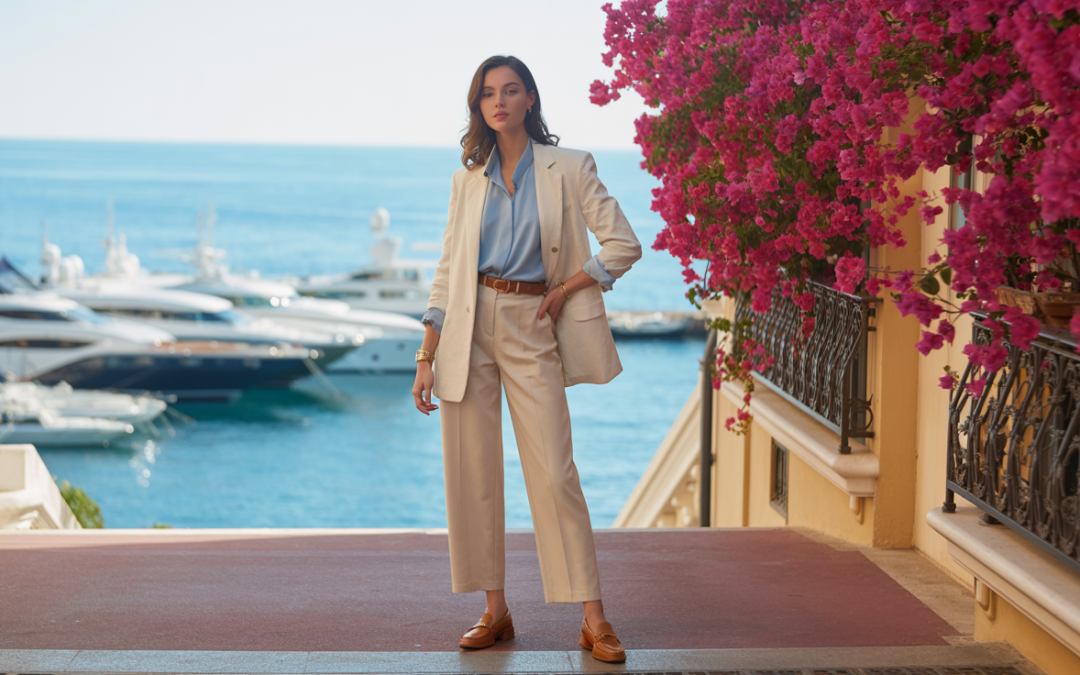
Monaco in September requires smart casual attire during the day with collared shirts and closed-toe shoes for men, and elegant dresses or tailored pants for women
Evening attire in Monaco is notably more formal, with men expected to wear suit jackets at upscale restaurants and women donning elegant dresses with accessories
Pack layers for Monaco’s September climate, which remains warm but can experience windy conditions and temperature drops in the evening
Monaco has strict dress codes, including laws against walking barefoot or wearing swimwear outside of beach areas
Quality, well-tailored clothing in neutral or Mediterranean-inspired colors will help you blend with Monaco’s sophisticated fashion scene
Monaco’s dress code can be summed up in one word: elegant. This small yet glamorous principality demands a level of sophistication in attire that few other destinations require, especially in September when the weather remains pleasant but the summer crowds have thinned.
When planning your Monaco wardrobe, remember that this playground for the wealthy maintains certain standards that visitors should respect. From the famous Casino de Monte-Carlo to the yacht-filled harbor, your clothing choices will significantly impact your experience in this luxurious Mediterranean enclave.
Monaco’s September Style Guide: Elegant Yet Practical
September in Monaco strikes the perfect balance between summer warmth and early autumn crispness, allowing for versatile yet refined fashion choices. The principality maintains its reputation for elegance year-round, but September offers more flexibility than high summer while still demanding a level of sophistication. The key is to pack items that transition seamlessly from daytime exploration to evening events.
Monaco locals and seasoned visitors favor quality over quantity, with well-fitted clothing in tasteful colors that reflect the Mediterranean setting. Think navy blues, crisp whites, and subtle earth tones rather than loud patterns or overly casual attire. I recommend investing in a few versatile, high-quality pieces rather than overpacking with items you’ll rarely wear.
Remember that Monaco has actual laws regarding appropriate attire in public spaces—walking barefoot or wearing only swimwear outside beach areas is prohibited and can result in fines. This legal framework underscores just how seriously the principality takes its dress code. For more information on where you can enjoy the sun, check out these Monaco beach hotels.
September Weather in Monaco: What to Expect
September represents a sweet spot in Monaco’s climate, with average daytime temperatures hovering between 22-25°C (71-77°F), while evenings cool to a comfortable 17-20°C (63-68°F). Early September often retains much of summer’s warmth, while late September introduces the first hints of autumn, especially in the evenings.
Average Temperatures and Conditions
The Mediterranean climate ensures plenty of sunshine throughout September, with approximately 8 hours of sunshine daily. Water temperatures remain inviting at around 23°C (73°F), making beach visits and swimming entirely feasible. However, September marks the beginning of Monaco’s windier season, with occasional gusts that can make evenings feel cooler than the thermometer suggests.
Humidity levels remain moderate, creating comfortable conditions for sightseeing without the oppressive heat of midsummer. This balanced climate allows for more clothing options than the height of summer, when lightweight fabrics become a necessity rather than a choice.
Day-to-Night Temperature Shifts
One of the most notable aspects of September weather in Monaco is the significant temperature drop after sunset. While afternoons might still feel summery, evenings can require a light jacket or wrap, particularly if dining at outdoor restaurants or strolling along the harbor. These daily fluctuations necessitate a layered approach to dressing.
The sea breeze intensifies in the evening, creating a refreshing but potentially chilly atmosphere along the coastline. Smart travelers plan their evening attire with both style and practicality in mind, incorporating elegant layers that can be added or removed as needed.
Occasional Rain Showers: Be Prepared
While September isn’t Monaco’s rainiest month, occasional short showers do occur, especially later in the month as autumn approaches. These brief downpours typically don’t disrupt plans for long, but packing a compact, stylish umbrella is advisable.
The benefit of these occasional showers is the refreshing effect they have on the principality, clearing the air and creating spectacular lighting conditions for photography. Consider a light, water-resistant jacket that can be easily folded into a day bag without compromising your stylish appearance.
Daytime Attire for Monaco Exploration
Daytime in Monaco calls for smart casual attire that balances comfort with sophistication. Forget the typical tourist uniform of shorts and t-shirts—even during daytime exploration, Monaco expects a level of polish that reflects its status as a luxury destination. This doesn’t mean you need to sacrifice comfort, but rather that you should aim for a refined version of comfortable.
Smart Casual Essentials for City Sightseeing
For men, Monaco’s daytime dress code centers around three essential guidelines: collared shirts, long trousers, and closed-toe shoes. Polo shirts paired with well-fitted chinos or linen pants create an effortlessly appropriate look for wandering through Monaco’s picturesque streets. Avoid shorts if possible—while not strictly prohibited everywhere, they’ll immediately mark you as a tourist and may limit your access to certain venues.
Women enjoy more flexibility with daytime attire but should still aim for elegance. Sundresses in quality fabrics, tailored capri pants with silk blouses, or smart linen separates all work beautifully for September sightseeing. A lightweight blazer or cardigan serves the dual purpose of adding sophistication and providing warmth when the breeze picks up, particularly if you’re exploring the elevated areas of Monaco-Ville.
Both men and women should avoid overly casual items like athletic wear, graphic t-shirts, ripped jeans, or flip-flops. These items are considered too informal for Monaco’s polished atmosphere and may prevent entry to certain attractions, even during daytime hours.
Comfortable Yet Stylish Footwear Options
Monaco’s hilly terrain demands comfortable footwear, but that doesn’t mean sacrificing style. Women should opt for chic flats, low wedges, or block-heeled sandals that provide support while complementing more elegant outfits. Sneakers are acceptable only if they’re clean, minimalist in design, and more fashion-forward than athletic in appearance. For those planning to explore the city, consider visiting the Grimaldi Forum Monaco for a cultural experience.
Men should pack leather loafers, driving shoes, or smart leather sneakers in neutral colors. These options balance the comfort needed for exploring Monaco’s steep streets with the polish required to blend in with locals. Remember that Monaco has laws against walking barefoot in public, so appropriate footwear is not just a fashion statement but a legal requirement.
For both men and women, break in new shoes before your trip—Monaco’s combination of hills, cobblestones, and steps makes comfortable footwear essential for enjoying your explorations without discomfort.
Accessories to Elevate Your Daytime Look
Accessories serve as the perfect way to adapt to Monaco’s variable September weather while enhancing your style credentials. A quality pair of sunglasses is essential for protection against the still-strong Mediterranean sun and doubles as a style statement. Choose classic designs like aviators or wayfarers rather than overtly trendy or sporty styles.
Women should consider a versatile scarf that can be draped over shoulders when entering churches or during evening temperature drops. A medium-sized handbag in leather or quality canvas works well for daytime, ideally one that can transition to evening with a simple outfit change. Men benefit from a sleek messenger bag or portfolio case rather than a bulky backpack, which immediately signals “tourist.”
Consider a stylish watch as both a practical accessory and subtle status symbol—Monaco appreciates fine timepieces, and wearing one shows attention to detail. Simple, elegant jewelry for women and perhaps a quality leather belt for men complete the sophisticated daytime look expected in this luxury destination.
Evening Dress Codes: Navigate Monaco’s Nightlife
Evening attire in Monaco represents a significant step up from daytime wear, with expectations varying based on your destination. September evenings require balancing style with practicality due to cooling temperatures, especially near the water. This is when Monaco’s reputation for elegance is most apparent, and dressing appropriately becomes essential rather than optional.
Restaurant Requirements: From Casual to Michelin-Starred
For casual dining establishments in Monaco, smart casual attire remains the baseline expectation. Men should wear collared shirts with long trousers and leather shoes, while women can opt for dresses, elegant separates, or tailored pants with blouses. Even at more relaxed venues, the principality’s overall standard of elegance prevails. For more tips, check out this Monaco packing list to ensure you’re dressed appropriately.
Mid-range restaurants expect a more polished approach, with men adding blazers to their ensembles and women wearing cocktail dresses or elegant pants suits with appropriate jewelry and accessories. These establishments often enforce dress codes more strictly than their casual counterparts, particularly during dinner service.
Monaco’s Michelin-starred restaurants and luxury hotel dining rooms implement the strictest dress codes, requiring formal attire. Men must wear suit jackets (ties are sometimes optional but recommended) and formal shoes. Women should choose evening dresses, elegant cocktail attire, or sophisticated pantsuits with heels and refined accessories. Calling ahead to confirm specific requirements can prevent uncomfortable situations upon arrival. For more dining options, check out this Il Giardino restaurant review in Monte Carlo.
Casino Monte-Carlo Dress Standards
The legendary Casino de Monte-Carlo maintains specific dress codes that vary by time of day and which rooms you plan to visit. During daytime hours (until 8 pm), smart casual attire is acceptable—though still more elevated than typical tourist wear. After 8 pm, the atmosphere becomes decidedly more formal, especially in the private gaming rooms.
Men must wear jackets to enter the casino’s private gaming salons in the evening, with ties recommended though not always mandatory. Women should opt for cocktail dresses, elegant evening separates, or sophisticated gowns depending on their plans. Athletic shoes, shorts, flip-flops, and overly casual attire are strictly prohibited at all times, regardless of which area you’re visiting. For more insights on appropriate attire, check out this guide on what to wear in Monaco.
The casino represents Monaco’s history and exclusivity, and dressing appropriately shows respect for this institution. Many visitors find that dressing up enhances their experience, making an evening at the casino feel more like stepping into a glamorous film scene than merely gambling.
Yacht Club and Upscale Bar Attire
Monaco’s famous Yacht Club and upscale waterfront bars expect patrons to maintain the principality’s standards of elegance, particularly in the evening. Men should wear blazers or sport coats with collared shirts, tailored trousers, and leather shoes. Women find success with cocktail dresses, elegant jumpsuits, or sophisticated separates paired with quality accessories.
September evenings by the water can become quite breezy, so incorporating stylish layers is both practical and fashionable. Women might add a pashmina or lightweight wrap to their evening ensemble, while men can select blazers in slightly heavier fabrics than they might choose during peak summer months. For more ideas on what to pack, check out this Monaco packing list.
Many of these establishments enforce dress codes at the door, and exceptions are rarely made regardless of your status or spending power. Remember that Monaco’s nightlife scene is about seeing and being seen—your attire contributes significantly to the overall ambiance these venues strive to maintain.
Beach and Poolside Fashion in September
September offers ideal conditions for enjoying Monaco’s beaches and pool clubs, with comfortable temperatures and fewer crowds than high summer. However, Monaco’s approach to beach attire differs significantly from more casual Mediterranean destinations, with unwritten rules and expectations that visitors should understand before packing their swimwear.
Monaco Beach Etiquette at a Glance
• Swimwear is for swimming only—cover up when not in the water
• Walking barefoot away from the sand is prohibited by law
• Topless sunbathing is acceptable on beaches but not at hotel pools
• Changing clothes on the beach is considered inappropriate
• Private beach clubs may enforce additional dress code requirements
Quality matters even in beach attire, with well-made swimwear in classic designs preferred over flashy or revealing styles. Men typically choose fitted swim shorts in solid colors or subtle patterns rather than baggy board shorts or speedos. Women opt for elegant one-pieces or tasteful bikinis, often with coordinating cover-ups designed for beach-to-lunch transitions.
Monaco’s beach clubs represent an extension of its luxury lifestyle, with establishments like La Note Bleue and Nikki Beach maintaining standards that blend comfort with sophistication. These venues often feature afternoon DJ sets or evening events where beachwear evolves into resort evening wear as the day progresses.
Remember that Monaco law prohibits walking around in swimwear beyond immediate beach areas, and proper attire must be worn when entering shops, restaurants, or walking along public streets. This regulation is actively enforced, particularly in more upscale areas of the principality. For a detailed guide on what to wear, check out this Monaco packing list.
Monaco Fashion Etiquette: Blend In Like a Local
Monaco residents embody Mediterranean chic with a distinct emphasis on understated luxury. To blend in with locals, focus on quality fabrics, impeccable fit, and subtle sophistication rather than flashy logos or trendy pieces. September offers the perfect opportunity to observe local style at its best, as residents return from summer holidays and resume their regular routines. If you’re planning to visit, consider staying at one of the Monaco beach hotels to fully immerse yourself in the local culture.
Dressing like a local means understanding that Monaco values classical elegance over passing trends. Men typically favor tailored pieces in natural fabrics like cotton, linen, and lightweight wool, while women combine timeless silhouettes with carefully chosen accessories that elevate rather than overwhelm their outfits.
Color Palettes that Work
The Monaco color palette reflects its Mediterranean setting while maintaining sophistication. Navy blue serves as a foundation color, paired with crisp whites and subtle accents that mirror the principality’s natural surroundings. Think azure blues reminiscent of the sea, soft corals that echo sunset hues, and neutral tones that complement rather than compete with the stunning backdrop. For more insights on what to wear in Monaco, explore this detailed guide.
Women find success with a capsule wardrobe centered around navy, white, beige, and soft pastels, incorporating one or two signature pieces in Mediterranean-inspired hues like terracotta or olive green. These color combinations work beautifully against Monaco’s scenic coastline and create a cohesive look that photographs well against iconic backgrounds.
Men should focus on navy, light blue, white, beige, and subtle earth tones, avoiding bright primary colors or busy patterns that can appear touristy. A well-cut navy blazer pairs perfectly with various trouser colors, creating different looks without requiring excessive packing.
Black, while elegant for evening, can appear too severe and formal during daytime in Monaco’s sunny climate. Save darker colors for evening wear or select them in lightweight fabrics that won’t absorb excessive heat during September’s still-warm days.
Monaco Color Strategy by Occasion
• Daytime Sightseeing: Navy, white, beige, soft blues
• Beach Clubs: White, azure blue, coral accents
• Casual Dining: Navy, taupe, olive green
• Evening Events: Navy, black, champagne, silver accents
• Yacht Outings: Navy, white, red accents
Quality Over Quantity: The Monaco Approach
Monaco’s affluent residents understand that a few impeccably made pieces far outshine a suitcase full of disposable fashion. When packing, select garments with excellent construction, natural fibers, and classic designs that can transition between different settings with simple accessory changes. A well-cut linen shirt, perfectly tailored trousers, or an elegant day-to-night dress will serve you better than multiple trendy items that may look out of place in this sophisticated setting.
Consider investing in one signature accessory—perhaps an elegant scarf, quality timepiece, or leather shoes—that elevates your entire wardrobe. Monegasques notice these details and appreciate the thought behind a carefully assembled outfit more than obvious displays of brand names or trendy pieces. Remember that in Monaco, whispering wealth speaks volumes louder than shouting it.
5 Style Mistakes to Avoid
The most common fashion faux pas in Monaco include wearing athletic wear outside of exercise contexts, sporting flip-flops or excessively casual footwear in public spaces, and donning overly revealing clothing away from beach areas. Additionally, loud or garish prints, excessive logo display, and visibly worn or damaged clothing signal a lack of understanding of Monaco’s aesthetic values. Remember that Monaco’s elegant atmosphere extends beyond formal venues—even “casual” in Monaco maintains a level of refinement rarely seen in other destinations.
Perhaps the biggest mistake visitors make is conflating expensive with appropriate. Monaco’s style isn’t about showcasing the highest price tag but rather demonstrating discernment and taste. An inexpensive but well-fitted linen shirt will earn more approval than a designer t-shirt with prominent logos. This subtle understanding of what constitutes true elegance distinguishes those who truly grasp Monaco’s fashion ethos from those simply trying to keep up appearances.
Last-Minute Shopping in Monaco: Where to Find What You Forgot
Despite careful planning, you might find yourself needing to supplement your wardrobe after arrival. Monaco offers excellent shopping options ranging from global luxury brands to smaller boutiques specializing in Mediterranean style. The Metropole Shopping Center provides climate-controlled browsing with high-end retailers, while the Carré d’Or district surrounding Casino Square features flagship stores from renowned fashion houses where you’ll find appropriate attire for any occasion.
For more accessible and less pricier options, venture to nearby Cap 3000 mall Saint Laurent du Var in neighboring France, which offers a wider range of price points while maintaining quality standards. Alternatively, the Monaco-Ville district features smaller boutiques selling elegant resort wear and accessories perfectly suited to the principality’s aesthetic requirements.
Emergency Shopping Guide
• Formal Evening Attire: Monte Carlo Pavillions, Avenue des Beaux-Arts
• Smart Casual Daywear: Metropole Shopping Center
• Swimwear & Beach Accessories: Larvotto Beach boutiques
• Comfortable Walking Shoes: Galerie Charles III
• Affordable Basics: Cap 3000 (neighboring France)
If you’re seeking something truly special, Monaco’s luxury hotels often house exclusive boutiques with curated collections specifically designed for the principality’s climate and social calendar. The concierge at your accommodation can direct you to appropriate shopping venues based on your specific needs and budget considerations. For more guidance, check out this Monaco packing list to ensure you’re well-prepared for your trip.
Your Monaco Wardrobe Checklist
For a successful September visit to Monaco, pack these essentials:
1-2 formal evening outfits including a jacket for men
a cocktail dress for women
a lightweight layer for evening temperature drops
quality swimwear with appropriate cover-ups
comfortable yet stylish walking shoes
elegant accessories including sunglasses
a versatile scarf
light jacket
a small umbrella for occasional showers
This capsule wardrobe, focused on quality rather than quantity, will ensure you’re appropriately dressed for Monaco’s varied settings while maintaining reasonable luggage limits.
Frequently Asked Questions
Monaco’s dress codes can seem intimidating to first-time visitors, but understanding a few key principles will help you navigate this stylish destination with confidence. The following questions address the most common concerns regarding appropriate attire in Monaco during September.
Remember that while these guidelines reflect general expectations, specific venues may maintain stricter requirements. When in doubt, it’s better to slightly overdress than to risk being underdressed, particularly for evening events or upscale establishments.
Can I wear shorts in Monaco during September?
While not explicitly forbidden in all contexts, shorts are generally discouraged for both men and women in Monaco except at beach clubs or during sports activities. If you do opt for shorts, choose tailored bermuda-style options in quality fabrics rather than casual or athletic styles, and pair them with collared shirts and proper shoes. Women might consider skirts or dresses as more appropriate alternatives that offer similar comfort while better aligning with Monaco’s aesthetic preferences.
Do I need formal attire to visit Monte-Carlo Casino?
The dress code at Monte-Carlo Casino varies by time of day and which areas you plan to visit. Before 8 PM, smart casual attire is acceptable for the main gaming floor, though still more elevated than typical tourist wear. After 8 PM, the atmosphere becomes decidedly more formal, with jackets required for men (ties are recommended but not always mandatory) in the private gaming salons. For more insights on style, you might want to know what to wear in Monaco during different months.
For women, cocktail dresses or elegant evening separates are appropriate for evening casino visits. If you plan to visit the private salons or dine at the casino’s restaurants, more formal attire is expected. Remember that regardless of timing, athletic shoes, shorts, flip-flops and overly casual attire are prohibited throughout the casino.
Are jeans acceptable in Monaco restaurants?
The acceptability of jeans varies significantly depending on the establishment and how they’re styled. For casual restaurants and cafés, dark, well-fitted jeans without distressing or holes can be appropriate when paired with elegant tops and proper shoes. Men should add a collared shirt and perhaps a blazer, while women should elevate jeans with sophisticated blouses and accessories.
For mid-range and upscale restaurants, jeans become increasingly inappropriate, with many fine dining establishments explicitly prohibiting denim regardless of style or brand. When in doubt, opt for tailored trousers, chinos, or skirts rather than testing the boundaries with even the most expensive denim.
September’s pleasant weather makes lightweight trousers or skirts in natural fabrics like linen or cotton equally comfortable alternatives that better align with Monaco’s refined aesthetic. These options provide similar ease of movement without the casual connotations that might limit your access to certain venues.
Monaco Dining Dress Code Quick Reference: • Casual Cafés: Dark jeans acceptable with elegant tops
• Waterfront Restaurants: Smart casual, no athletic wear
• Mid-Range Dining: Collared shirts for men, dresses or elegant separates for women
• Fine Dining: Jackets for men, cocktail attire for women
• Hotel Restaurants: Evening dress code typically enforced after 7 PM
What shoes should I pack for walking around Monaco?
Monaco’s hilly terrain and mix of cobblestone and paved surfaces demand comfortable footwear, but flip-flops and athletic sneakers are generally considered too casual. Women should pack walking-friendly options like leather loafers, chic ballet flats, or low wedges that provide support while maintaining elegance. For evening, block heels offer stability on Monaco’s slopes and steps while providing appropriate sophistication for restaurants and entertainment venues.
Men should prioritize leather loafers, driving shoes, or fashionable leather sneakers in neutral colors. These balance comfort with the polished appearance expected throughout Monaco. Remember that proper footwear isn’t just about style—Monaco law prohibits walking barefoot in public spaces, making appropriate shoes a legal requirement as well as a fashion statement.
Is September still warm enough for swimming in Monaco?
September offers excellent swimming conditions in Monaco, with sea temperatures averaging a pleasant 23°C (73°F). The Mediterranean retains summer warmth well into autumn, making water activities entirely comfortable throughout the month. Early September typically provides beach conditions nearly identical to August, while late September may see slightly cooler water temperatures but often with more pleasant air temperatures for sunbathing. For those planning a trip, consider staying at one of the Monaco beach hotels to enjoy easy access to the beautiful coastline.
Monaco’s beach clubs and hotel pools remain operational throughout September, though some may reduce hours or services toward month’s end. The benefit of September swimming is enjoying these facilities without the peak-season crowds, often with more attentive service and better availability at prestigious beach clubs that require reservations during summer months.
Pack quality swimwear and elegant cover-ups that allow you to transition from beach to casual lunch venues without changing completely. Remember that Monaco law prohibits wearing only swimwear away from immediate beach areas, making proper cover-ups essential for moving between locations. For a truly seamless beach-to-town transition, consider investing in resort wear pieces designed to serve both functions while maintaining the principality’s standards of elegance.
Beyond general travel guides, are there any unique resources or exclusive membership programs that offer special access, deals, and curated selections for discovering the finest gourmet restaurants, luxury hotels, and wellness experiences in the South of France during the month of September?”
Yes, you can discover the best of the South of France with La Carte Prestige. La Carte Prestige provides you with the most beautiful addresses in the South of France!
La Carte Prestige, the printed guide, and its Application help you discover: Gourmet Restaurants, Leisure Activities, Thalassotherapy, Wellness, Hotels, Weekends & Getaways! Founded 30 years ago on this concept, you benefit from exclusive advantage offers at our partners, allowing you to discover the finest establishments in your region. You can check out La Carte Prestige right here!
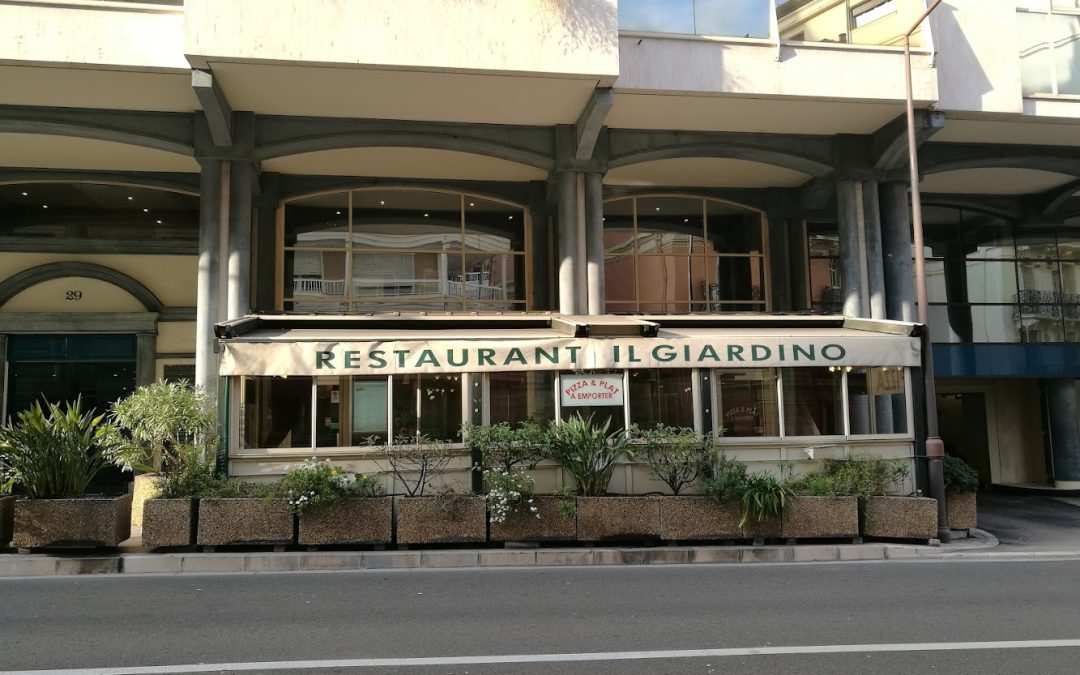
Il Giardino offers an authentic Italian dining experience with Neapolitan influences in the heart of Monte Carlo
The restaurant’s lush garden terrace provides a serene escape from Monaco’s bustling atmosphere
Handcrafted pasta dishes and fresh Mediterranean seafood stand out as menu highlights
The Russo family (who also own Il Terrazzino) bring genuine Italian hospitality to the luxurious Monaco dining scene
Despite its upscale location, Il Giardino maintains a warm, inviting atmosphere suitable for both special occasions and casual dining
Finding authentic Italian cuisine amid Monte Carlo’s glittering façades might seem challenging, but Il Giardino emerges as a genuine oasis of Neapolitan flavor in this luxury playground. Nestled on Boulevard d’Italie, this family-owned establishment has quietly become a culinary cornerstone for discerning locals and visitors seeking Italian food that doesn’t compromise on tradition. Il Giardino Monte-Carlo brilliantly balances Monaco’s upscale expectations with the soulful warmth of southern Italian hospitality.
A Taste of Authentic Italian Luxury in Monaco
Monaco’s dining scene often leans heavily into ostentatious displays of luxury, but Il Giardino takes a refreshingly different approach. The restaurant’s ethos centers around the simple Italian philosophy that exceptional ingredients, prepared with care and tradition, create the most memorable dining experiences. From the moment you’re greeted at the door by the Russo family’s staff, there’s an unmistakable sense of being welcomed into someone’s cherished home rather than just another high-end establishment.
What makes Il Giardino particularly special is its commitment to authentic Neapolitan culinary traditions. The restaurant doesn’t merely imitate Italian cooking—it embodies it through recipes passed down through generations of the Russo family. This is immediately evident in everything from the fragrance of freshly baked bread to the handmade pasta that rivals anything you’d find in Naples itself. The attention to detail creates an experience that transports diners straight to Italy while maintaining the polished service expected in Monte Carlo.
The Setting: Il Giardino’s Prime Location and Ambiance
A Hidden Gem in Monte Carlo’s Dining Scene
While many of Monaco’s most renowned restaurants occupy prominent positions along the harbor or near the casino, Il Giardino’s slightly set-back location on Boulevard d’Italie offers a welcome respite from the principality’s more touristy areas. The approach to the restaurant provides the first hint of its character—a discreet entrance leads to an unexpected haven of Mediterranean charm. This strategic positioning creates an atmosphere of exclusivity without pretension, attracting a clientele of loyal patrons who appreciate the restaurant’s understated elegance.
The name “Il Giardino” (meaning “the garden” in Italian) perfectly captures the restaurant’s essence. Unlike many Monte Carlo establishments that lean heavily on opulence, Il Giardino embraces a more natural, verdant aesthetic that immediately soothes the senses. The careful integration of the building with its surroundings creates a seamless indoor-outdoor flow that makes the restaurant feel like a natural extension of the Mediterranean landscape.
The Terrace Experience: Dining Under Mediterranean Skies
The jewel in Il Giardino’s crown is undoubtedly its enchanting terrace. Sheltered by lush greenery and fragrant flowering plants, this outdoor dining space creates a microclimate of tranquility that feels worlds away from Monte Carlo’s bustling energy. Strategically placed lighting transforms the space after sunset, with gentle illumination highlighting the natural elements while creating intimate dining pockets. The soft background melody of Italian classics completes the sensory experience without overwhelming conversation.
Inside, Il Giardino achieves the perfect balance between Neapolitan warmth and Monaco refinement. Terra cotta accents and rustic wooden beams create a comforting backdrop, while crisp white tablecloths and polished glassware maintain the level of sophistication expected in Monte Carlo. The walls feature tasteful artwork depicting Italian coastal scenes, reinforcing the connection to the restaurant’s culinary roots. The thoughtful spacing between tables ensures privacy for intimate conversations while maintaining the lively, convivial atmosphere characteristic of authentic Italian dining establishments.
The lighting design deserves special mention, with carefully positioned fixtures that cast a flattering glow across the dining room. Even during daytime hours, the interior spaces maintain a connection to the outdoors through strategically placed windows that frame views of the surrounding greenery. This careful attention to ambiance creates an environment where guests naturally want to linger over their meals—a true hallmark of Italian dining culture.
Culinary Excellence: What to Order at Il Giardino
The menu at Il Giardino strikes a masterful balance between honoring classical Italian cuisine and offering enough variety to satisfy the cosmopolitan Monte Carlo clientele. Executive Chef Marco Russo demonstrates a deep understanding of regional Italian flavors while maintaining unwavering standards for ingredient quality. The seasonal variations in the menu showcase the kitchen’s commitment to working with produce at its peak, particularly evident in their seafood and vegetable-forward dishes.
Handmade Pasta That Rivals Naples’ Finest
The pasta program at Il Giardino deserves special recognition, with each variety made fresh daily in the restaurant’s kitchen. The signature paccheri alla Genovese features tender tubes of pasta coated in a slow-cooked onion and beef sauce that achieves an almost caramelized depth of flavor. For something lighter but equally impressive, the linguine alle vongole perfectly balances briny clams with garlic, white wine, and a subtle kick of chili. The pasta’s texture—with that ideal resistance Italians call “al dente”—demonstrates the kitchen’s technical mastery and unwavering standards.
What makes these pasta dishes truly exceptional is both their authenticity and restraint. Unlike many restaurants that overload dishes with unnecessary ingredients, Il Giardino’s pastas follow the traditional Italian approach of letting a few high-quality components shine through clear, focused flavors. This philosophical approach to cooking reveals the confidence of a kitchen that doesn’t need to rely on gimmicks or excessive complexity.
The Seafood Selection: Fresh Mediterranean Catches
Given Monaco’s prime Mediterranean location, Il Giardino’s seafood offerings predictably shine. The branzino al forno, a whole sea bass baked with herbs and lemon, exemplifies the kitchen’s philosophy of minimal intervention with exceptional ingredients. The fish arrives at the table deboned but intact, its skin crisp and flesh moist, accompanied only by a light drizzle of the restaurant’s estate olive oil and a scattering of fresh herbs. For those seeking something more complex, the frutti di mare platter presents an abundant selection of the day’s best catches, simply prepared to showcase their natural flavors.
The seafood procurement process deserves mention—Chef Russo personally selects the catches from local fishermen each morning, ensuring only the freshest specimens make it to the restaurant’s kitchen. This hands-on approach to sourcing is increasingly rare in high-end establishments but makes a noticeable difference in the final presentation. Seasonal specialties like soft-shell crab and sea urchin appear as limited offerings when available, making each visit potentially unique.
Must-Try Signature Dishes
While the entire menu warrants exploration, several standout dishes have become Il Giardino’s calling cards. The vitello tonnato—thinly sliced veal with tuna sauce—achieves a silky texture and perfect balance between the meat’s delicacy and the sauce’s umami richness. The parmigiana di melanzane elevates the humble eggplant parmesan to new heights through meticulous preparation that removes any hint of bitterness from the vegetable. For meat enthusiasts, the bistecca Fiorentina (requiring pre-ordering) features prime T-bone steak grilled over olive wood coals to a perfect medium-rare, served with nothing more than sea salt and that exceptional olive oil.
Paccheri alla Genovese – Tube pasta with slow-cooked onion and beef sauce
Branzino al Forno – Whole sea bass baked with herbs and lemon
Vitello Tonnato – Thinly sliced veal with creamy tuna sauce
Parmigiana di Melanzane – Layered eggplant with tomato sauce and parmesan
The antipasti deserve special recognition as well, particularly the burrata con prosciutto that features creamy cheese from Puglia paired with paper-thin slices of aged ham. The simplicity of this dish exemplifies the restaurant’s approach—sourcing impeccable ingredients and presenting them with minimal interference. Another highlight is the carpaccio di polpo (octopus carpaccio), which achieves a tender texture through careful preparation before being dressed simply with lemon, olive oil, and a sprinkle of Sicilian oregano.
Desserts Worth Saving Room For
Dessert at Il Giardino continues the commitment to authentic Italian flavors while incorporating just enough creative flair to keep things interesting. The tiramisu avoids the common pitfalls of being either too boozy or too sweet, instead achieving perfect balance with distinct layers of coffee-soaked savoiardi, creamy mascarpone, and a dusting of quality cocoa. The deconstructed cannoli represents a modern twist on the Sicilian classic, with crisp pastry shells served alongside sweetened ricotta cream studded with candied orange peel and pistachios for guests to assemble themselves.
When to Visit and How to Reserve
Planning your visit to Il Giardino requires some strategic thinking to ensure the optimal experience. Monaco’s dining scene ebbs and flows with the principality’s event calendar, with restaurant availability tightening dramatically during major events like the Grand Prix, Monaco Yacht Show, and the Monte-Carlo Rolex Masters. During these peak periods, securing a reservation at Il Giardino becomes significantly more challenging, often requiring booking weeks in advance.
The restaurant experiences distinct seasonal rhythms that affect both the atmosphere and the menu offerings. Summer months (June through September) showcase the terrace at its most magnificent, with the garden in full bloom and the mild Mediterranean evenings perfect for al fresco dining. Winter brings a cozier atmosphere indoors, with seasonal specialties like white truffle dishes and heartier ragùs making appearances on the menu.
Weekends predictably draw the largest crowds, particularly Friday and Saturday evenings when the restaurant often reaches capacity by 8:30 PM. For a more relaxed experience with greater attention from the staff, consider mid-week visits or early dinner seatings around 7:00 PM. Sunday lunch has developed something of a cult following among Monaco residents, offering a more leisurely pace perfect for family gatherings.
Peak Times and Seasonal Considerations
Monaco transforms dramatically through the seasons, and Il Giardino adapts accordingly. Spring (April-May) and autumn (September-October) represent the sweet spots for visitors, with pleasant temperatures, fewer tourists, and the restaurant operating at its consistent best. During July and August, the principality swells with visitors, and the restaurant often extends service hours to accommodate the demand. These summer months see the kitchen emphasizing lighter fare, with expanded seafood offerings and refreshing appetizers.
Winter brings its own charm to Il Giardino, with the interior spaces becoming particularly inviting. The cooler months see the introduction of seasonal specialties like porcini risotto, hearty ossobuco, and other comfort dishes that showcase the kitchen’s versatility. December brings festive decorations and special holiday menus that have become annual traditions for many regular patrons, making this period particularly magical despite being less obvious for visitors.
Securing the Best Table
While all tables at Il Giardino provide excellent dining experiences, certain locations within the restaurant offer particularly desirable vantage points. For romantic evenings, request one of the corner tables on the terrace that offer enhanced privacy and views of the garden lighting. Larger groups should inquire about the semi-private alcove near the back of the restaurant that accommodates up to eight guests while maintaining a sense of exclusivity. When making reservations, be specific about any preferences (terrace seating, interior, specific occasions) to help the staff accommodate your needs – the reservation team appreciates clear communication and makes genuine efforts to honor requests whenever possible.
The Verdict: Why Il Giardino Deserves Your Reservation
In a principality overflowing with dining options that often prioritize flash over substance, Il Giardino stands out as a beacon of culinary authenticity. The restaurant succeeds brilliantly in its primary mission: transporting diners to Italy through genuine flavors, warm hospitality, and an atmosphere that balances sophistication with comfort. What distinguishes Il Giardino from competitors is the palpable sense that the Russo family and their team genuinely care about preserving Italian culinary traditions rather than merely capitalizing on them.
The ultimate test of any restaurant is whether it leaves you planning your return visit before you’ve even finished your meal. By this measure, Il Giardino triumphs completely. Whether you’re a Monaco resident seeking a reliable favorite or a visitor looking to experience authentic Italian cuisine in luxurious yet unpretentious surroundings, Il Giardino rewards with consistency, quality, and that ineffable sense of being somewhere special. In a destination where genuine experiences often get overshadowed by opulence for its own sake, Il Giardino reminds us that true luxury lies in perfect ingredients, time-honored techniques, and the simple pleasure of a meal crafted with passion.
Frequently Asked Questions
Since opening its doors, Il Giardino has generated considerable interest from both Monaco locals and international visitors. Below are answers to the most common questions prospective diners ask when planning their visits to this celebrated establishment.
“Il Giardino represents the perfect balance between maintaining authentic Neapolitan culinary traditions and meeting the expectations of Monte Carlo’s discerning clientele. The Russo family has created something truly special here—a restaurant that feels both exclusive and welcoming.” — Monaco Gastronomie Magazine
The restaurant has garnered numerous accolades since its opening, including recognition in several prestigious dining guides. Many first-time visitors discover Il Giardino through word-of-mouth recommendations rather than flashy marketing—a testament to the genuine quality of the dining experience. This organic popularity has helped the restaurant maintain its character while gradually building a loyal following.
Most questions from prospective diners center around practical matters like dress code, dietary accommodations, and reservation policies. The staff at Il Giardino pride themselves on their flexibility and willingness to accommodate special requests whenever possible, though advance notice is always appreciated for significant modifications.
What’s the dress code at Il Giardino Monte Carlo?
Il Giardino maintains an elegant but not overly formal dress code that reflects Monaco’s sophisticated atmosphere while acknowledging the restaurant’s somewhat more relaxed character compared to other fine dining establishments in the principality. During lunch service, smart-casual attire is perfectly acceptable, with many business diners in professional attire and leisure visitors in polished daytime wear. Evening service sees a slight elevation in formality, though the restaurant doesn’t enforce strict rules like mandatory jackets for men.
The restaurant’s approach focuses more on general appropriateness rather than specific clothing requirements. Beach attire, overly casual items like athletic wear, and clothing with excessive logos or slogans would be out of place. When in doubt, it’s best to err on the side of elegance—Monaco generally encourages sophisticated dressing, particularly in the evening hours.
During Monaco’s major events like the Grand Prix weekend or the Yacht Show, the informal dress code tends to elevate naturally as the restaurant attracts a particularly fashion-conscious clientele. These occasions might warrant slightly more formal attire if you wish to blend seamlessly with the atmosphere.
Does Il Giardino offer vegetarian or vegan options?
The restaurant demonstrates impressive flexibility in accommodating vegetarian diners, with several standout meat-free dishes featured prominently on the regular menu. The parmigiana di melanzane (eggplant parmesan) represents a masterclass in vegetarian Italian cooking, while seasonal vegetable risottos showcase the kitchen’s commitment to plant-forward cuisine. The kitchen can modify many pasta dishes to be vegetarian-friendly upon request, and the antipasti selection includes several excellent meat-free options like the burrata with heirloom tomatoes and the marinated grilled vegetables.
Strict vegans face more limited options but aren’t entirely overlooked. While traditional Italian cuisine relies heavily on cheese and other animal products, the kitchen can prepare custom vegan pasta dishes with seasonal vegetables and high-quality olive oil. With advance notice (preferably when making your reservation), the chef can arrange a more extensive vegan tasting experience drawing on Mediterranean traditions. The staff demonstrates genuine concern for dietary requirements and approaches special requests with a problem-solving attitude rather than treating them as inconveniences.
Is Il Giardino suitable for special occasions?
Il Giardino excels at creating memorable experiences for special occasions, offering the perfect balance of attentiveness and discretion. The restaurant can accommodate celebrations ranging from intimate anniversary dinners to larger family gatherings, with options for personalization that include custom menus, special wine selections, and thoughtful touches like anniversary messages or birthday desserts. For larger celebrations, the semi-private dining area can be reserved, while truly special occasions might warrant considering a complete buyout of the restaurant (requiring significant advance booking and minimum spend commitments).
How far in advance should I make a reservation at Il Giardino?
Reservation lead times vary dramatically depending on the season, day of the week, and any major events happening in Monaco. For standard weekday dinners during non-peak periods, reservations 3-5 days in advance typically suffice, though last-minute availability can sometimes be found, particularly for early or late dining times. Weekend evenings, especially during summer months, require more planning, with 1-2 weeks advance booking recommended to secure preferred times.
During Monaco’s major event periods (Grand Prix weekend in May, Monaco Yacht Show in September, and various festivals), the reservation window extends considerably, with the most desirable tables often booked 4-6 weeks in advance. For these peak periods, flexibility with your dining time can improve your chances of securing a table. The restaurant maintains a waitlist for fully booked evenings, and cancellations do occasionally occur, making it worthwhile to check back if your preferred date initially appears unavailable.
Is Il Giardino open year-round or does it close during certain seasons?
Unlike some seasonal establishments in Monaco that close during quieter winter months, Il Giardino maintains year-round operations with only a brief annual closure in late January for renovations and staff holidays. This typically lasts 10-14 days and is planned to coincide with Monaco’s lowest tourism period. The restaurant adjusts its hours slightly by season, with extended evening service during summer months and slightly reduced hours during winter. Holiday periods like Christmas and New Year’s feature special festive menus, though these require early booking as they’ve become highly sought-after traditions for many Monaco residents and regular visitors.
Approximately 10-14 days in late January for renovations
The restaurant’s dedication to maintaining consistent year-round operations reflects the owners’ commitment to serving both tourists and the local community. This consistency has helped Il Giardino build its reputation as a reliable culinary destination regardless of season, with many regular patrons appreciating the evolving menu that reflects the changing availability of ingredients throughout the year.
Whether you’re planning a special celebration dinner during Monaco’s glamorous high season or seeking a cozy winter meal away from the crowds, Il Giardino offers a consistently exceptional experience that captures the essence of Italian hospitality. The restaurant’s thoughtful balance of tradition and refinement makes it a standout choice in Monaco’s competitive dining landscape.
For those seeking the most authentic Italian experience in Monte Carlo, Il Giardino delivers something truly special—a restaurant that honors its Neapolitan roots while embracing its Mediterranean setting. In a destination often defined by extravagance, this garden sanctuary reminds us that the greatest luxury is simple food prepared with extraordinary care.
To experience the authentic tastes of Naples in the heart of Monaco, visit Il Giardino’s official website to secure your reservation at one of Monte Carlo’s most cherished culinary destinations.
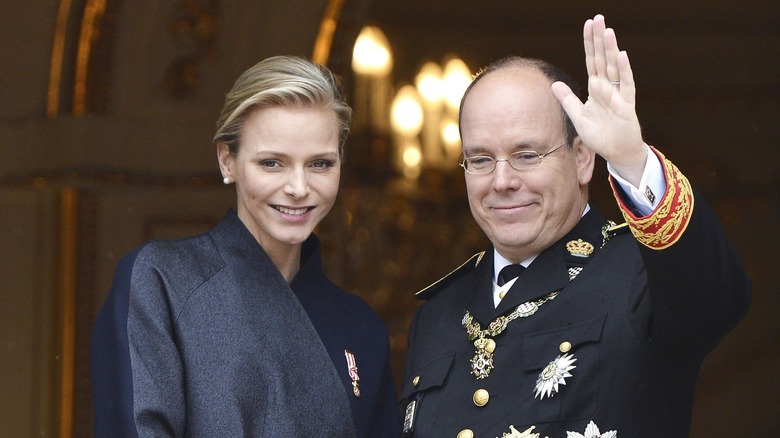
Prince Albert II of Monaco has an estimated net worth of $1 billion, making him one of the wealthiest royals in the world
The Monegasque monarch owns approximately 25% of Monaco’s land, significantly contributing to his vast fortune
His wealth stems from the Grimaldi family legacy, shares in Société des Bains de Mer, and extensive property holdings across Monaco, France, and the United States
Prince Albert has invested nearly $99 million in environmental conservation through his foundation over a 15-year period
While maintaining his lavish royal lifestyle, the Prince balances wealth with philanthropic responsibilities that shape Monaco’s future
Prince Albert of Monaco’s Billion-Dollar Empire
Prince Albert II reigns over the second-smallest country in the world, yet his wealth stands among the mightiest of royal fortunes. As the sovereign of Monaco, he commands not just political power but extraordinary financial resources that place him in an elite category of global royalty. The Grimaldi dynasty’s financial influence extends far beyond Monaco’s 0.78 square miles, creating a financial empire that intertwines with the principality’s identity as a luxury haven.
The prince’s wealth represents more than personal affluence—it embodies generations of strategic investments, property acquisitions, and business ventures that have secured the Grimaldi family’s position. With Monaco attracting the world’s ultra-wealthy (an estimated 32% of residents are millionaires), Prince Albert’s financial standing reflects his principality’s status as the quintessential playground for the super-rich.
The $1 Billion Royal Fortune
Prince Albert II’s net worth stands at an estimated $1 billion, positioning him among the world’s wealthiest monarchs. This substantial fortune significantly outpaces many better-known royals, including the late Queen Elizabeth II, whose personal wealth was estimated at roughly half of Prince Albert’s. His financial portfolio combines centuries-old family holdings with modern investment strategies that have preserved and expanded the Grimaldi wealth through economic fluctuations.
Unlike some royal figures whose wealth exists primarily on paper, Prince Albert’s fortune includes substantial liquid assets alongside physical property and business interests. The prince maintains diverse revenue streams that continue generating wealth beyond his sovereign allowance. Financial analysts project his net worth to remain stable or potentially increase by 2025, depending on global economic conditions and his investment performance.
What makes Prince Albert’s wealth particularly remarkable is how concentrated it remains within such a tiny geographic area. While many billionaires spread assets globally, a significant portion of the prince’s worth is tied directly to Monaco itself, creating a unique relationship between ruler and realm where royal prosperity and national economy are inseparably intertwined.
Quarter of Monaco’s Land Owned by the Prince
Perhaps the most striking aspect of Prince Albert’s wealth is his ownership of approximately 25% of Monaco’s total land area. In a country where real estate commands some of the world’s highest prices per square foot, this land portfolio alone represents extraordinary value. This ownership isn’t merely symbolic—it includes some of the principality’s most valuable commercial and residential properties, generating substantial ongoing income.
The prince’s land holdings include strategic areas surrounding Monaco’s most profitable ventures, including the Monte Carlo district where luxury tourism and gambling generate millions annually. This geographical advantage gives the Grimaldi family direct financial interest in Monaco’s continued prosperity and development as a luxury destination. Land ownership of this magnitude provides Prince Albert with both immediate revenue and long-term appreciation in a market where property values have historically outperformed most global investments.
How Prince Albert Built His Massive Fortune
While Prince Albert inherited substantial wealth from his father, Prince Rainier III, and his mother, Princess Grace (formerly Grace Kelly), he has actively managed and expanded these assets throughout his reign. His financial strategy combines preserving historical holdings with modern portfolio diversification, including interests in banking, hospitality, and sustainable technologies. The prince has demonstrated financial acumen by maintaining Monaco’s tax haven status while expanding into new revenue sources beyond the principality’s traditional gambling economy.
Financial records indicate Prince Albert has personally directed significant portions of his investment strategy, particularly toward environmentally sustainable ventures that align with his public advocacy. This approach represents both ethical commitment and financial foresight, positioning his portfolio to benefit from growing global emphasis on sustainability.
The Grimaldi Family Legacy
The foundations of Prince Albert’s fortune trace back to 1297 when the Grimaldi family first established control over Monaco. Through centuries of strategic marriages, political maneuvering, and financial acumen, the family transformed a small Mediterranean outpost into a global symbol of wealth. Prince Albert inherited not just monetary assets but a legacy of financial stewardship that has consistently adapted to changing economic landscapes while maintaining core holdings.
The Grimaldi Family Legacy
The foundations of Prince Albert’s fortune trace back to 1297 when the Grimaldi family first established control over Monaco. Through centuries of strategic marriages, political maneuvering, and financial acumen, the family transformed a small Mediterranean outpost into a global symbol of wealth. Prince Albert inherited not just monetary assets but a legacy of financial stewardship that has consistently adapted to changing economic landscapes while maintaining core holdings.
This generational wealth accelerated dramatically during Prince Rainier III’s reign (1949-2005), when Monaco transformed from a modest principality into a luxury destination. Rainier’s marriage to American actress Grace Kelly brought not only Hollywood glamour but increased international attention that boosted tourism and property values. Albert inherited this enhanced profile and its financial benefits when assuming the throne in 2005, building upon the foundation his father established while modernizing the portfolio for 21st-century opportunities.
Société des Bains de Mer Holdings
A cornerstone of Prince Albert’s wealth is the family’s controlling interest in Société des Bains de Mer (SBM), the company that operates Monaco’s most profitable luxury establishments. The Grimaldi family maintains approximately 64% ownership in this publicly-traded entity, which manages the Monte Carlo Casino, the Hôtel de Paris, the Monte-Carlo Beach Hotel, and numerous other high-end properties. This single holding generates tens of millions in annual dividends while maintaining the family’s influence over Monaco’s luxury tourism sector.
SBM’s portfolio extends beyond gaming to encompass virtually every aspect of Monaco’s luxury experience, including restaurants, spas, beach clubs, and entertainment venues. As Monaco has evolved from a gambling-focused destination to a comprehensive luxury haven, SBM has adapted accordingly, with Prince Albert guiding strategic expansions into new market segments. The company’s consistent profitability, even during global economic downturns, demonstrates the resilience of Monaco’s luxury business model and its importance to the prince’s financial portfolio.
Monte Carlo Casino and Entertainment Properties
The iconic Monte Carlo Casino remains one of the crown jewels in Prince Albert’s financial empire. Beyond its cultural significance and appearances in numerous films, the casino continues generating substantial revenue through both traditional table games and modern gaming offerings. While no longer the dominant revenue source it once was, the casino maintains both profitability and prestigious brand value that enhances Monaco’s global reputation.
Beyond the casino itself, Prince Albert’s entertainment holdings include performance venues, sporting facilities, and exclusive clubs that cater to Monaco’s wealthy residents and visitors. The annual Monaco Grand Prix, though not directly owned by the prince, generates significant revenue for his business interests through associated events and hospitality. These entertainment assets benefit from Monaco’s strict privacy laws and security measures, which continue attracting ultra-high-net-worth individuals seeking discretion alongside luxury.
Inside Prince Albert’s Extensive Property Portfolio
Property holdings form the backbone of Prince Albert’s wealth, with real estate values in Monaco reaching upwards of $5,000 per square foot in prime locations. Beyond the quarter of Monaco he personally owns, the prince maintains a diverse international property portfolio stretching from French vineyards to American ranches. These properties serve multiple functions – personal retreats, investment vehicles, and strategic assets that diversify his wealth beyond Monaco’s borders.
Unlike some royal estates that drain resources through maintenance costs, Prince Albert’s properties generally generate positive returns through rental income, agricultural production, or appreciation. His property strategy emphasizes acquiring unique, historically significant estates that resist market downturns while providing both prestige and practical value. Recent acquisitions suggest continued expansion of this portfolio, particularly in regions with strong environmental protection regulations that align with his conservation interests.
The Prince’s Palace of Monaco
The Prince’s Palace of Monaco, the official residence of the Grimaldi family since the 13th century, represents both priceless historical value and practical sovereign function. This remarkable complex combines medieval fortifications with Renaissance and modern elements, housing not just the royal family but also administrative offices, state reception areas, and museum spaces open to the public. While technically belonging to the principality rather than Prince Albert personally, the palace and its contents represent enormous cultural and financial value under his stewardship.
Recent renovations have uncovered 16th-century frescoes and other historical elements that Prince Albert has carefully restored, enhancing both the palace’s cultural significance and tourism value. The prince has modernized the living quarters while maintaining historical integrity, creating a functioning royal residence that doubles as Monaco’s administrative heart. The palace’s prominent position overlooking Monaco’s harbor provides spectacular views that would command astronomical real estate prices if commercially available, underscoring the immense value of the Grimaldi family’s ancestral home.
French Real Estate Holdings
Prince Albert maintains substantial property holdings throughout France, particularly in the surrounding Côte d’Azur region. These properties include historic châteaux, agricultural estates producing wine and olive oil, and strategic commercial developments that benefit from proximity to Monaco. The prince’s French holdings allow expansion beyond Monaco’s limited boundaries while maintaining connections to the principality’s cultural and economic sphere. For more insights into his lavish lifestyle, you can read about Prince Albert’s lavish life.
Perhaps most significant among these French properties is Roc Agel, a 56-acre mountaintop estate where Princess Grace frequently retreated with her family. This property, with its farm, vineyards, and spectacular Mediterranean views, remains a private sanctuary for the Grimaldi family while producing agricultural products. Other French holdings include forest preserves that align with Prince Albert’s environmental interests, providing both conservation value and potential carbon offset benefits for his other business activities.
American Property Investments
Prince Albert’s American property portfolio includes both family legacy holdings and strategic investments that maintain connections to his mother’s homeland. The prince owns his mother’s childhood home in Philadelphia, which he purchased in 2016 to preserve its historical significance and transformed into a U.S. base for his foundation’s activities. This property combines sentimental value with practical function while strengthening the prince’s American connections.
Beyond this family connection, Prince Albert has invested in select American real estate opportunities, particularly in areas with strong environmental protection measures. These properties, primarily in California and the Mountain West, include conservation-focused ranches and sustainable development projects. Unlike many foreign investors seeking quick returns in American real estate, the prince’s U.S. portfolio emphasizes long-term value aligned with his environmental principles, maintaining geographical diversification while expressing his personal values.
Luxury Assets That Showcase Royal Wealth
Beyond real estate, Prince Albert’s wealth includes an impressive collection of luxury assets that reflect both personal passion and strategic investment. These high-value possessions range from rare automobiles to fine art, each carefully selected for both appreciation potential and cultural significance. While some royal collections serve primarily ceremonial purposes, Prince Albert’s assets blend heritage with financial acumen, creating a portfolio of collectibles that consistently increase in value.
These luxury holdings provide more than financial returns—they reinforce Monaco’s brand as a center of refined taste and cultural sophistication. The principality’s identity as a luxury destination benefits directly from its ruler’s visible commitment to excellence across all collectible categories, from vintage wines to classic yachts. Experts estimate that Prince Albert’s portable assets alone could be worth over $100 million, complementing his more substantial property and business holdings.
Rare Car Collection Worth Millions
The prince’s automobile collection, housed in the Monaco Top Cars Collection museum, represents one of the world’s finest assemblages of historic and performance vehicles. This collection, initiated by Prince Rainier III and expanded by Prince Albert, includes over 100 vehicles ranging from vintage Rolls-Royces to modern hypercars. Beyond their combined eight-figure value, these automobiles represent Monaco’s longstanding connection to motorsport excellence, particularly through the Monaco Grand Prix.
Prince Albert has strategically modernized this collection, adding significant electric and hybrid vehicles that reflect his environmental commitments while maintaining investment-grade automobiles. Notable examples include rare Ferrari models, historic Monaco Grand Prix winners, and vehicles with royal provenance from across Europe. Unlike purely personal collections, this automotive portfolio serves both museum functions and appreciating assets, with select vehicles regularly increasing in value at rates that outperform many traditional investments.
Royal Yacht and Maritime Assets
Given Monaco’s maritime heritage, Prince Albert maintains substantial nautical assets that combine practical function with status symbolism. His primary yacht, the 73-meter Yersin, exemplifies this approach—designed as an environmentally responsible exploration vessel rather than a typical luxury superyacht. This vessel supports the prince’s oceanographic research interests while providing appropriate accommodations for state functions and private retreats.
Beyond personal vessels, Prince Albert holds significant interests in Monaco’s port facilities and maritime infrastructure, which generate substantial revenue from the superyacht industry. The principality’s marina berths command premium prices in the Mediterranean, creating a steady income stream from wealthy visitors. These maritime holdings connect Monaco’s historical identity as a seafaring principality with its modern position as a luxury yachting destination, providing both cultural continuity and financial returns.
Art and Antique Collections
The Grimaldi family’s art collection, accumulated over centuries, represents one of Europe’s most significant private holdings, with works spanning from Renaissance masters to contemporary artists. Prince Albert has carefully expanded this collection, focusing particularly on works with Monegasque connections and environmental themes. While exact valuations remain private, art experts estimate the collection’s worth in the hundreds of millions, with pieces displayed across royal residences and Monaco’s museums.
Of particular significance are pieces connected to Princess Grace, including both artwork she collected and portraits of the former actress. These items combine emotional significance with substantial market value due to their royal provenance. Prince Albert has demonstrated sophisticated collecting strategy by acquiring works from emerging artists addressing climate change and ocean conservation, aligning his patronage with his environmental advocacy while potentially securing valuable future assets. To learn more about his lifestyle, check out how Prince Albert of Monaco lives an insanely lavish life.
Royal Income Streams Beyond Inheritance
While inherited assets form the foundation of Prince Albert’s wealth, his current income derives from diverse sources that reflect Monaco’s modern economy. The prince receives both official state compensation and returns from personal investments, creating a financial structure that separates sovereign responsibilities from private enterprise. This distinction allows transparent governance while maintaining the Grimaldi family’s historical economic interests in the principality.
Financial analysts estimate Prince Albert’s annual income exceeds $100 million, combining sovereign allowances, business dividends, and investment returns. This ongoing revenue supports both official functions and personal initiatives, particularly his environmental foundation. Unlike some royal figures who rely primarily on state allocations, Prince Albert maintains substantial independent income that provides both financial security and philanthropic capacity regardless of political considerations.
Sovereign Allowance and Government Funding
As Monaco’s head of state, Prince Albert receives an official allocation from the principality’s budget to support royal functions and maintain state properties. This sovereign grant, while substantial, represents only a small fraction of his total income and comes with strict governance responsibilities. Unlike purely ceremonial monarchs, Prince Albert maintains active executive authority, functioning as both head of state and government leader with corresponding workload and accountability.
The sovereign allowance primarily funds official activities rather than personal expenses, covering state receptions, diplomatic functions, and the operation of the Prince’s Palace in its governmental capacity. This arrangement respects the distinction between Monaco as a sovereign entity and the Grimaldi family’s private interests, maintaining constitutional propriety while acknowledging the inseparable connection between principality and ruling house that has defined Monaco for centuries.
Business Investments and Returns
Prince Albert maintains a diverse investment portfolio beyond his core Monaco holdings, with significant interests in sustainable technology, biotechnology, and selective luxury brands. These investments reflect both financial strategy and personal values, particularly favoring companies with strong environmental credentials and ethical governance. While maintaining traditional banking relationships, the prince has increasingly directed capital toward innovation in renewable energy and ocean conservation technologies that align with his foundation’s mission.
Financial records indicate these investments have generally outperformed market averages, benefiting from both careful selection and the prince’s valuable network of connections. His position provides unique access to investment opportunities, particularly in European luxury brands seeking association with Monaco’s prestigious image. This advantage, combined with professional portfolio management, has enabled steady wealth growth despite global economic fluctuations and increasing scrutiny of traditional tax havens.
Prince Albert’s Philanthropy: Balancing Wealth and Responsibility
Prince Albert has established himself as one of Europe’s most committed environmental philanthropists, channeling substantial portions of his fortune toward conservation initiatives. This philanthropic focus reflects both personal conviction and strategic positioning of Monaco as a center for environmental leadership despite its reputation for luxury consumption. The prince’s giving focuses particularly on ocean conservation, climate change mitigation, and biodiversity protection—causes that connect Monaco’s maritime heritage with global environmental challenges. For those interested in learning more about Monaco’s unique geographical and cultural position, you can explore where Monaco is in the world.
Unlike some wealthy donors who separate philanthropy from business interests, Prince Albert has increasingly aligned his investments with his charitable priorities, seeking financial returns that simultaneously advance environmental goals. This integrated approach reflects evolving perspectives on wealth responsibility, positioning the prince as a model for sustainable wealth management among global elites who frequent his principality.
The Prince Albert II of Monaco Foundation
Established in 2006, the Prince Albert II of Monaco Foundation serves as the primary vehicle for the prince’s philanthropic activities, with offices in Monaco, France, the United Kingdom, the United States, Canada, Switzerland, Italy, Germany, and Singapore. This global network allows coordinated funding of environmental projects across continents while elevating Monaco’s influence far beyond its physical size. The foundation focuses specifically on climate change, biodiversity, and water resources—three areas where the prince believes strategic philanthropy can achieve meaningful impact. Learn more about Prince Albert’s lavish lifestyle.
The foundation operates with professional governance standards unusual for royal charities, including transparent reporting, measurable impact assessment, and strategic grant-making rather than ceremonial donations. This approach has earned respect from the international environmental community while establishing Prince Albert as a serious conservation leader rather than merely a wealthy patron. By connecting Monaco’s financial resources with global environmental expertise, the foundation amplifies the principality’s influence while addressing planetary challenges.
$99 Million Environmental Protection Funding
Over a 15-year period, Prince Albert has directed approximately $99 million through his foundation to support over 720 projects worldwide. This substantial commitment represents one of the largest personal contributions to environmental causes by any royal figure globally. The funding has supported scientific research, protected area establishment, sustainable development initiatives in vulnerable communities, and innovations in renewable energy deployment.
Notable projects include establishing marine protected areas in the Mediterranean, supporting indigenous conservation efforts in rainforest regions, developing water access solutions in Africa, and financing research on polar climate change. This diverse portfolio reflects a sophisticated understanding of environmental challenges requiring different approaches across ecosystems and communities. The prince frequently combines financial support with diplomatic engagement, leveraging Monaco’s sovereign status to convene international stakeholders around environmental agreements.
How Prince Albert’s Wealth Compares to Other Royals
With a net worth of approximately $1 billion, Prince Albert ranks among the wealthiest reigning monarchs globally, surpassing many rulers of larger nations. This substantial personal fortune exceeds that of most European royals, including the British royal family, whose wealth is primarily tied to institutional holdings rather than personal assets. The prince’s financial standing reflects Monaco’s unique position as both a sovereign state and a concentration of extreme wealth in a tiny geographic area.
What distinguishes Prince Albert’s wealth from other royal fortunes is its direct connection to Monaco itself—his assets aren’t merely symbolic national treasures but working investments integrated with the principality’s economy. This arrangement creates both advantages and responsibilities, as the prince’s financial interests align directly with Monaco’s prosperity in ways uncommon for constitutional monarchies where royal wealth is increasingly separated from national economics.
Twice as Wealthy as Queen Elizabeth II Was
Financial analyses suggest Prince Albert’s personal fortune approximately doubled that of the late Queen Elizabeth II, whose wealth was estimated around $500 million despite reigning over a significantly larger realm. This comparison highlights the different economic models of monarchy—while British royals maintain wealth primarily through inherited estates and ceremonial assets, Monaco’s ruling family retains direct ownership of commercial enterprises and prime real estate within their sovereign territory.
The concentration of wealth in Monaco allows a relatively modest royal family (by population governed) to maintain extraordinary affluence compared to royal houses ruling nations of tens of millions. Prince Albert’s financial position reflects not just historical accumulation but Monaco’s contemporary success attracting global wealth through favorable tax policies, luxury tourism, and financial services—economic strategies that have proven more lucrative for the ruling family than traditional models of royal wealth based on agricultural estates and historical endowments. For those curious about the unique aspects of this principality, exploring the weirdest laws in Monaco might offer some intriguing insights.
Standing Among Global Royal Fortunes
Among the world’s monarchs, Prince Albert stands approximately fifth in personal wealth, behind royals from oil-rich nations like Saudi Arabia, Brunei, and the United Arab Emirates, as well as Thailand’s king. This places him as Europe’s wealthiest reigning monarch on a personal basis (excluding sovereign wealth funds controlled by constitutional monarchies). His financial standing significantly exceeds that of his European counterparts in Spain, Sweden, Denmark, Norway, Belgium, and the Netherlands, despite their larger territories and populations.
This exceptional wealth position reflects Monaco’s unique economic model more than historical factors—while the Grimaldi dynasty’s longevity contributed to asset accumulation, the principality’s transformation into a tax haven and luxury destination during the 20th century accelerated royal wealth accumulation beyond traditional monarchy models. Prince Albert’s financial prominence demonstrates how effectively Monaco has converted geographic limitations into economic advantages through specialized positioning in global wealth management.
Monaco: The Millionaire’s Playground
Monaco’s status as the world’s most concentrated wealth hub directly influences Prince Albert’s financial position, creating a mutually reinforcing relationship between royal prosperity and national economic model. The principality has successfully cultivated an ecosystem where extreme wealth feels both protected and celebrated, attracting individuals seeking both financial advantages and social prestige. This environment generates the exceptional property values, luxury consumption, and financial activity that underpin the prince’s fortune.
Beyond tax advantages, Monaco offers wealthy residents exceptional security, political stability, climate advantages, and proximity to European cultural centers—a combination that maintains property demand despite astronomical prices. Prince Albert’s leadership has carefully balanced maintaining Monaco’s traditional appeal to the wealthy with incremental governance improvements that protect its reputation in an era of increased scrutiny on tax havens. This delicate equilibrium preserves both national economic model and royal financial interests.
32% of Monaco Residents Are Millionaires
Monaco maintains the world’s highest concentration of wealth, with approximately 32% of residents qualifying as millionaires (measured in USD) and a substantial percentage qualifying as ultra-high-net-worth individuals with fortunes exceeding $30 million. This extraordinary density of affluence creates the world’s most exclusive property market, where average residential prices exceed $5,000 per square foot and prime properties command substantially more. For Prince Albert, this environment transforms his landholdings into exceptionally valuable assets while ensuring steady demand for Monaco’s luxury services. Learn more about where Monaco is located in the world and how its unique position contributes to its wealth.
This concentration of wealth shapes every aspect of Monaco’s economy, from retail offerings to security services, creating a self-reinforcing ecosystem that continues attracting global elites. The principality functions as a wealth management hub beyond residential advantages, with financial services, family offices, and private banking forming significant economic sectors. Prince Albert’s policies have carefully maintained these advantages while selectively modernizing Monaco’s transparency and compliance to preserve its viability amid changing international standards.
How Royal Wealth Influences Monaco’s Economy
The Grimaldi family’s economic interests permeate virtually every sector of Monaco’s economy, creating a unique alignment between royal prosperity and national development. Through SBM and other holdings, Prince Albert maintains influence over Monaco’s hospitality, entertainment, real estate, and banking sectors—not merely as regulator but as principal stakeholder. This arrangement creates exceptional policy consistency, as economic initiatives generally advance both national and royal interests simultaneously. For example, the Grimaldi Forum Monaco often hosts exhibitions that reflect both cultural and economic interests.
This integration extends to Monaco’s international positioning, where Prince Albert serves as both head of state and de facto brand ambassador for the principality’s economic model. His environmental advocacy has proven particularly valuable in modernizing Monaco’s image beyond traditional associations with gambling and tax avoidance, attracting wealthy individuals who appreciate both financial advantages and social responsibility. This strategic repositioning demonstrates sophisticated understanding of evolving attitudes toward wealth among global elites who comprise Monaco’s target demographic.
Prince Albert’s Wealth Management Strategy for 2025
Looking toward 2025, Prince Albert appears to be implementing a wealth management strategy that balances traditional asset preservation with adaptation to evolving global financial conditions. Financial records and investment patterns suggest increasing diversification beyond Monaco’s borders, particularly into sustainable technologies and ventures aligned with environmental restoration. This approach hedges against potential changes in international tax regulations while expressing the prince’s personal values through investment choices.
Analysts project Prince Albert’s net worth will likely remain stable or increase moderately through 2025, barring extraordinary economic disruptions. His wealth management team has demonstrated conservative stewardship during previous market volatility, preserving core assets while making selective opportunistic investments during downturns. This balanced approach reflects both personal financial security priorities and responsibility to Monaco’s economy, where royal financial stability provides confidence to international investors and residents. For more context on Monaco’s influence, you can explore where Monaco is in the world and its global significance.
Diversification of Royal Investments
Increased allocation toward renewable energy ventures and sustainable technology startups
Strategic investments in luxury hospitality beyond Monaco’s borders, particularly in emerging markets
Conservation-oriented real estate acquisitions with both environmental and appreciation potential
Selective venture capital participation in health technology and longevity research
Continued art market participation with focus on climate-conscious contemporary artists
Prince Albert has strategically expanded investment activities beyond traditional wealth preservation, participating in venture funding for technologies addressing environmental challenges. These investments include ocean plastic remediation startups, advanced renewable energy storage, and sustainable luxury innovations that align with Monaco’s market positioning. While maintaining core holdings in established sectors, the prince has allocated increasing capital toward innovation that potentially delivers both financial returns and environmental impact.
This diversification extends geographically as well, with new investments across Europe, selective Asian markets, and North America reducing concentration in Monaco itself. Financial advisors suggest this approach reflects both prudent wealth management and recognition of evolving global attitudes toward tax optimization, positioning the prince’s portfolio for resilience regardless of potential regulatory changes. The strategy maintains sufficient liquidity for both personal flexibility and potential economic intervention in Monaco during market disruptions.
Privacy considerations limit complete transparency into the prince’s investment activities, but public records and financial filings indicate professional management with sophisticated risk assessment. Unlike some royal portfolios managed primarily for preservation, Prince Albert’s appears actively directed toward both growth and impact, reflecting his engaged leadership style in both governance and personal finance. For a glimpse into his cultural engagements, you might find the Grimaldi Forum Monaco exhibition of interest.
Future Growth Projections
Financial analysts project Prince Albert’s net worth could approach $1.2 billion by 2025 depending on market conditions, Monaco’s property market performance, and returns from diversification initiatives. This moderate growth trajectory reflects both conservative management of core assets and selective pursuit of higher-return opportunities in emerging sectors. The most significant growth potential lies in his venture investments and strategic real estate holdings outside Monaco, while established principality-based assets provide stable foundation for wealth preservation.
The Grimaldi Family Wealth Dynasty
The future of the Grimaldi fortune extends beyond Prince Albert to encompass a complex family financial structure involving his siblings, his wife Princess Charlene, and his children who represent the next generation of the dynasty. This family wealth system balances individual interests with collective preservation of the Grimaldi legacy, creating financial arrangements that maintain both personal independence and family cohesion. The prince has implemented sophisticated estate planning that preserves Monaco’s constitutional succession while providing appropriately for all family members.
Princess Charlene’s Financial Contribution
While Prince Albert brought substantial inherited wealth to their marriage, Princess Charlene has established her own financial identity through strategic partnerships, charitable foundations, and personal brand development. The former Olympic swimmer leverages her athletic background and royal position to maintain valuable relationships with luxury brands, particularly in fashion and jewelry sectors. These activities generate independent income while enhancing Monaco’s promotional efforts, creating synergy between personal and national brand development.
Wealth Distribution to Royal Children
Prince Albert has established trust structures for his children that balance significant financial security with incentives for personal achievement and social responsibility. His heirs benefit from both Grimaldi family assets and separate financial provisions reflecting modern wealth transfer strategies. This approach provides appropriate royal status while encouraging development of individual identities and capabilities beyond inherited privilege.
These arrangements reflect careful consideration of Monaco’s future beyond Prince Albert’s reign, establishing financial foundations that support long-term stability of both family and principality. By separating sovereign resources from personal inheritance, these structures maintain constitutional clarity while preserving the Grimaldi family’s historical economic role in Monaco. This balanced approach demonstrates sophisticated understanding of how royal wealth must evolve to remain viable in contemporary governance contexts.
Frequently Asked Questions
Prince Albert’s wealth generates significant public interest, reflecting both fascination with royal finances and Monaco’s prominence in global wealth discussions. Common questions reveal misconceptions about how royal wealth functions in a modern microstate, particularly the relationship between personal assets and sovereign responsibilities. These clarifications help distinguish Monaco’s unique economic model from both traditional monarchies and conventional tax havens.
Understanding the prince’s financial position provides insights beyond celebrity curiosity—it illuminates how wealth, governance, and national identity intertwine in one of the world’s most distinctive sovereignties. Monaco represents a rare case where royal prosperity directly reflects national economic success in ways most modern monarchies have evolved beyond, creating unique alignment between ruler and realm.
How did Prince Albert II inherit his wealth?
Prince Albert inherited substantial assets from both parents—his father Prince Rainier III’s property holdings and business interests in Monaco, and his mother Princess Grace’s personal wealth and American investments. This inheritance included not just financial assets but controlling interests in key Monaco institutions like Société des Bains de Mer, valuable real estate throughout the principality, and the family’s art and collectible holdings. Beyond direct inheritance, Albert received extensive financial education preparing him to manage and expand these holdings throughout his reign.
Does Prince Albert receive a salary as Monaco’s ruler?
Prince Albert receives an official allocation from Monaco’s national budget to cover costs associated with his role as head of state, including palace operations, staff, security, and official functions. This sovereign grant differs from a conventional salary, funding institutional responsibilities rather than personal expenses. The prince’s personal income derives primarily from his private investments, business holdings, and property portfolio rather than taxpayer funding, reflecting Monaco’s unique structure where royal and national finances maintain both separation and interconnection. For a glimpse into the lifestyle in Monaco, including what to wear in Monaco in summer, explore more about this luxurious city-state.
How much tax does Prince Albert pay on his fortune?
As Monaco’s sovereign, Prince Albert operates under unique tax circumstances reflecting his constitutional position rather than conventional tax laws. Monaco famously charges no personal income tax to residents (including the prince), but he does face tax obligations on investments and properties held outside Monaco according to relevant jurisdictions’ regulations. The prince’s financial arrangements must balance personal advantage with maintaining Monaco’s international relationships, requiring careful compliance with tax treaties and information exchange agreements despite the principality’s tax-free domestic policy.
Will Prince Albert’s wealth increase or decrease by 2025?
Financial projections suggest Prince Albert’s wealth will likely increase moderately by 2025, potentially reaching $1.2 billion depending on economic conditions and investment performance. This growth trajectory assumes continued strength in Monaco’s property market, stable returns from core business holdings, and successful diversification into emerging sectors like sustainable technology and selective international real estate. The greatest variables affecting this outlook include global luxury market performance, potential changes to international tax regulations affecting Monaco’s status, and performance of specific venture investments in the prince’s diversified portfolio.
However, these projections assume relative stability in global wealth patterns and continuation of Monaco’s successful economic model. Significant disruptions to either could affect the prince’s financial trajectory, though his diversified holdings provide substantial insulation from isolated market fluctuations. His wealth management team has demonstrated adaptability during previous economic challenges, suggesting capability to navigate potential volatility ahead. For more insights into Monaco’s unique environment, explore some of the weirdest laws in Monaco.
How does Prince Albert’s wealth benefit Monaco citizens?
Monaco’s citizens benefit from Prince Albert’s wealth through several mechanisms, most notably the absence of personal income tax made possible by the principality’s alternative revenue sources, including the prince’s business interests. The Grimaldi family’s investments in Monaco’s infrastructure, cultural institutions, and international reputation create substantial advantages for citizens beyond direct financial transfers. Additionally, the prince’s environmental philanthropy protects Monaco’s Mediterranean setting while establishing international relationships that extend the microstate’s influence far beyond its physical scale.
More directly, the prince’s foundation provides educational opportunities, healthcare innovations, and sports programs that specifically benefit Monegasque citizens alongside international initiatives. His leadership has maintained Monaco’s exceptional standard of living while gradually modernizing its institutions to ensure sustainable prosperity. This approach exemplifies how effectively managed royal wealth can support national advancement in Monaco’s unique context, where traditional distinctions between private and public sectors follow different patterns than conventional nations.
For those interested in learning more about wealth management strategies employed by ultra-high-net-worth individuals like Prince Albert, Wealth Insights Global provides expert analysis on how diversification, strategic philanthropy, and sustainable investing are reshaping fortune preservation in the modern era.
Monaco is located on the French Riviera along the Mediterranean Sea, bordered by France on three sides and the Mediterranean on the fourth.
At just 2.02 square kilometers (0.78 square miles), Monaco is the second-smallest independent state in the world, after Vatican City.
French is the official language of Monaco, but you’ll also hear Monégasque (the traditional native dialect), Italian, and English.
The Principality has been ruled by the Grimaldi family since 1297, making it one of the world’s oldest monarchies.
Despite its tiny size, Monaco is home to residents from over 139 different nationalities, creating a vibrant multilingual society.
Monaco sparkles like a rare jewel on the Mediterranean coastline, drawing visitors with its glamour, wealth, and fairytale charm. This tiny principality may be small in size but looms large in the global imagination. Whether you’ve dreamed of visiting the famous Monte Carlo Casino, watching the Grand Prix, or simply soaking in the Mediterranean sunshine, understanding where Monaco is located and what languages are spoken there will enhance your travel experience. The Principality of Monaco offers travelers a unique blend of French Riviera elegance, Italian influences, and international sophistication unlike anywhere else in the world.
Who Should Read This Article
This article is for anyone with an interest in Monaco, from casual readers to serious travelers and students of geography and history. Specifically, this is a must-read for:
Prospective Travelers: If you are planning a trip to the French Riviera or Monaco, this guide provides essential information on location, transportation, and language etiquette that will help you plan your itinerary and communicate effectively.
Armchair Travelers: Those who enjoy learning about different cultures and countries from the comfort of their home will find the article’s rich historical context and cultural details fascinating.
Students and Researchers: Anyone studying European geography, microstates, history, or linguistics will find a wealth of well-organized information about Monaco’s unique status and cultural identity.
Business Professionals: Individuals considering business in Monaco or attending international events will benefit from understanding the official language and the multilingual nature of the principality’s business environment.
Language Enthusiasts: Readers interested in the coexistence of multiple languages and the preservation of a traditional dialect will appreciate the in-depth look at French, Monégasque, Italian, and English in Monaco.
Where Exactly Is Monaco Located?
Monaco is nestled along the stunning French Riviera (Côte d’Azur) in Western Europe. This microstate is situated on the Mediterranean Sea, approximately 12 miles (19 km) east of Nice, France, and just 10 miles (16 km) from the Italian border. Its prime location gives it a spectacular setting, with the Maritime Alps forming a dramatic backdrop to the north and the azure Mediterranean waters lapping at its southern shores.
Geographically speaking, Monaco sits at coordinates 43°44′N 7°25′E, making it one of the sunniest spots in Europe with over 300 days of sunshine annually. The principality is completely surrounded by France on three sides, with the Mediterranean Sea forming its southern border. This strategic position has contributed significantly to Monaco’s historical importance and current status as a hub for international tourism and business.
Monaco’s Precise Geographical Position on the French Riviera
The French Riviera stretches from Cassis to the Italian border, with Monaco positioned in one of its most picturesque sections. The principality is built into the steep coastal slopes that characterize this region, resulting in its distinctive tiered appearance. Monaco is divided into several districts (quartiers), with Monte Carlo being the most famous. The terrain rises dramatically from sea level at Port Hercules to almost 206 feet (63 meters) at its highest point, creating a stunning vertical cityscape.
This vertical development has led to some of Monaco’s most innovative architectural solutions, including multi-level highways, underground parking facilities, and buildings with entrances on different floors depending on which street you access them from. The country’s topography has essentially forced Monaco to build upward rather than outward, resulting in its distinctive high-rise profile that’s instantly recognizable from both land and sea.
The Second-Smallest Country in the World
At just 2.02 square kilometers (0.78 square miles), Monaco holds the distinction of being the second-smallest independent state globally, with only Vatican City being smaller. To put this in perspective, Monaco is smaller than New York’s Central Park. You could walk across the entire country in about an hour, making it possibly the only nation where you can explore its entirety in a single afternoon.
Monaco Size Comparison:
Monaco: 2.02 km²
Central Park (NYC): 3.41 km²
Vatican City: 0.49 km²
Despite its minuscule size, Monaco has maximized its limited space through reclamation projects from the Mediterranean Sea. Since the 1960s, Monaco has expanded its territory by approximately 20%, with the newest district, Fontvieille, being built almost entirely on reclaimed land. The recently launched Portier Cove land reclamation project will add another 15 acres to the principality when completed, demonstrating Monaco’s creative approach to overcoming its geographical limitations.
Borders and Neighboring Regions
Monaco shares a 5.5-mile (8.9 km) border exclusively with France, specifically with the French department of Alpes-Maritimes in the Provence-Alpes-Côte d’Azur region. The French communes of Cap d’Ail, Beausoleil, and Roquebrune-Cap-Martin directly border Monaco, creating what feels like a seamless urban area. In fact, walking from Monaco into France often happens without noticing—there are no border checkpoints or controls between the two countries.
Though Monaco doesn’t share a land border with Italy, the Italian town of Ventimiglia is just 11 miles (18 km) away, making day trips easily accessible. This proximity to both France and Italy has profoundly influenced Monaco’s culture, cuisine, and linguistic landscape over the centuries. Many Monégasques regularly cross these informal borders for shopping, dining, and recreation, highlighting the integrated nature of life along this section of the Mediterranean coast.
The Rich History Behind Monaco’s Unique Status
Monaco’s history as an independent entity dates back over 700 years, making it one of the world’s oldest continuous monarchies. The fascinating story of how this tiny territory maintained its independence while empires rose and fell around it helps explain its current status and cultural identity. Monaco’s strategic position between powerful neighbors meant that it had to employ clever diplomacy and political maneuvering throughout its history.
Initially established as a colony of Genoa, Monaco’s destiny changed forever on January 8, 1297, when François Grimaldi, disguised as a Franciscan monk, seized the fortress that guarded the Rock of Monaco. This cunning takeover began the Grimaldi dynasty that continues to this day, making Monaco’s ruling family one of the oldest in Europe. Over centuries, Monaco has been under the protection of various powers, including Spain, France, and Sardinia, while maintaining varying degrees of sovereignty.
The Grimaldi Dynasty’s 700-Year Rule
The Grimaldi family’s uninterrupted rule since 1297 represents one of history’s most remarkable dynastic achievements. Currently led by His Serene Highness Prince Albert II, who ascended to the throne in 2005, the Grimaldis have navigated Monaco through centuries of European political turbulence. The family’s coat of arms, featuring monks with swords, commemorates François Grimaldi’s legendary disguise during the initial conquest of the fortress.
Throughout its history, the Grimaldi dynasty has shown remarkable adaptability and diplomatic skill. In the 19th century, when Monaco lost 95% of its territory to France, the ruling family pivoted to transform Monaco into a tourism and gambling destination, establishing the famous Monte Carlo Casino in 1863. This strategic economic reinvention preserved Monaco’s independence when its agricultural resources were diminished, demonstrating the pragmatic leadership that has kept this microstate viable through changing times.
How Monaco Maintained Its Independence
Monaco’s continued sovereignty is something of a political miracle given its size and location. The Treaty of Paris in 1814 restored the principality after a period of French control during the Revolution and Napoleonic era. Later, the Franco-Monégasque Treaty of 1861 recognized Monaco as an independent state, though under French protection. This delicate balance has continued to the present day, with Monaco maintaining its own government, legal system, and international recognition while enjoying close ties with France.
Today, while technically not a member of the European Union, Monaco participates in many EU policies through its customs union with France. The principality uses the Euro as its currency and participates in the Schengen Area’s border-free zone. This unique arrangement allows Monaco to maintain its sovereign status while benefiting from integration with surrounding Europe—a diplomatic balancing act that has been refined over centuries.
French: The Official Language of Monaco
French serves as the official language of Monaco, enshrined in Article 8 of the Constitution of Monaco. It is the language of government, education, business, and daily life throughout the principality. Road signs, official documents, legal proceedings, and public announcements are all conducted in French, making it essential for anyone living in or conducting serious business in Monaco.
The predominance of French reflects Monaco’s close historical, cultural, and economic ties with France. While Monaco maintains its independence, the influence of French culture and language is evident throughout the principality. For visitors, having at least basic French phrases is helpful, although the international character of Monaco means that service staff in hotels, restaurants, and tourist attractions typically speak multiple languages.
Why French Became Monaco’s Primary Language
French became Monaco’s official language through a natural evolution tied to the principality’s geopolitical reality. While originally more connected to Italian culture and the Genoese dialect, Monaco’s relationship with France gradually strengthened after the 1861 Franco-Monégasque Treaty placed it under French protection. As economic and administrative ties with France deepened, French naturally became the dominant language. The education system’s alignment with the French curriculum further cemented French as the primary language, with Monégasque students often continuing their higher education in French universities.
How French Is Used in Daily Life
In Monaco, French serves as the lingua franca across all aspects of society. From government offices to local bakeries, French is the default for daily interactions. Newspapers like Monaco-Matin publish in French, local television broadcasts primarily in French, and public announcements throughout the principality use French. Even the famous Monte Carlo Casino conducts its operations in French, though staff are typically multilingual to accommodate international visitors. The preservation of French as Monaco’s official language helps maintain the principality’s cultural identity while connecting it to the wider Francophone world.
Beyond French: Other Languages Spoken in Monaco
Despite French’s official status, Monaco’s linguistic landscape is remarkably diverse. With residents from over 139 nationalities comprising nearly 75% of the population, Monaco is a true melting pot of languages and cultures. This diversity is reflected in everyday life, where you’ll hear numerous languages spoken in cafés, on streets, and in businesses throughout the principality. The international character of Monaco’s population has created a naturally multilingual environment where switching between languages is commonplace.
Monégasque: The Traditional Native Dialect
Monégasque, known locally as “a lenga d’i nostri avi” (the language of our ancestors), is the traditional dialect of Monaco. This Ligurian language shares similarities with the dialects of Genoa and is closely related to Italian rather than French. While only a small percentage of residents speak Monégasque fluently today, the government has made concerted efforts to preserve this important cultural heritage. Since 1976, Monégasque has been taught in schools, and you’ll notice street signs throughout Monaco display both French and Monégasque names. Cultural organizations like the Monaco Academy of Dialectal Languages actively work to document and promote this unique linguistic tradition.
Italian’s Historical Influence
Italian holds significant historical importance in Monaco due to the principality’s past connections with Genoa and the Italian-speaking world. Many older Monégasques still speak Italian as a second or third language, and Italian influences can be found throughout local cuisine, architecture, and cultural traditions. The proximity to the Italian border means that Italian visitors and workers are common in Monaco, and many restaurants and shops have Italian-speaking staff. This Italian heritage adds another rich layer to Monaco’s diverse linguistic character and reflects the principality’s position at the crossroads of French and Italian cultural spheres.
English in Business and Tourism
English has become increasingly important in Monaco due to the principality’s status as an international business hub and luxury tourism destination. In hotels, restaurants, and tourist attractions, English is widely spoken and understood. The influx of international businesses, particularly in banking, wealth management, and luxury goods, has further elevated English as an essential business language. Many Monégasque schools now place strong emphasis on English education, recognizing its importance for students’ future career prospects in an increasingly globalized world. For English-speaking visitors, communication rarely poses significant challenges in Monaco’s tourist and business districts.
Monaco’s International Population and Linguistic Diversity
Monaco’s population of approximately 38,300 represents one of the most diverse societies in the world relative to its size. French nationals form the largest foreign group, followed by Italians, British, Swiss, and Belgians. But you’ll also find significant communities from Russia, the United States, Scandinavia, the Middle East, and beyond. This remarkable diversity stems from Monaco’s attractive combination of tax benefits, security, climate, and quality of life, which draws wealthy individuals and professionals from across the globe. For more insights on this fascinating city-state, visit the Monaco section on French Moments.
Why Monaco Attracts Global Citizens
Monaco’s appeal to international residents goes beyond its famous tax advantages. The principality offers exceptional security (with the world’s highest police-to-citizen ratio), outstanding healthcare, excellent educational options, and a Mediterranean climate that’s hard to resist. The glamorous lifestyle, world-class events like the Formula 1 Grand Prix and Monte-Carlo Masters tennis tournament, and proximity to both the Alps and the Mediterranean coast make Monaco an attractive destination for global citizens seeking quality of life. This international appeal has created a uniquely cosmopolitan society where diversity is the norm rather than the exception.
The Multilingual Character of Monaco Society
Walk through Monaco’s streets, and you’ll hear a symphony of languages that reflects its international character. This linguistic diversity extends to Monaco’s institutions, with international schools offering curricula in multiple languages, churches conducting services in various tongues, and cultural events celebrating traditions from around the world. Even Monaco’s media landscape reflects this diversity, with publications and radio stations catering to different linguistic communities. This multilingual environment creates a welcoming atmosphere for visitors, regardless of their native language, and contributes to Monaco’s reputation as a global meeting place.
Tips for Communicating During Your Monaco Visit
When visiting Monaco, embracing its linguistic diversity can enhance your travel experience. While many tourism and hospitality workers speak English, making an effort to use basic French phrases is always appreciated and can enrich your interactions with locals. The principality’s compact size and international character make it relatively easy to navigate even with limited language skills, but a few well-chosen words in French can open doors and create connections during your stay.
Essential French Phrases Every Visitor Should Know
Learning a few key French phrases will significantly enhance your Monaco experience. Start with the basics: “Bonjour” (hello), “Merci” (thank you), “S’il vous plaît” (please), and “Au revoir” (goodbye) will carry you far. For dining, knowing “L’addition, s’il vous plaît” (the check, please) and “C’était délicieux” (that was delicious) will be helpful. If you need assistance, “Parlez-vous anglais?” (Do you speak English?) and “Je ne comprends pas” (I don’t understand) can help navigate language barriers. Even with limited French, locals appreciate tourists who make an effort to respect the local language, and these simple phrases demonstrate cultural awareness that often results in warmer interactions.
Will You Get By Speaking Only English?
Yes, you can certainly navigate Monaco speaking only English, especially in tourist areas, luxury hotels, and high-end establishments. Monaco’s status as an international destination means that service staff in the tourism and hospitality sectors are typically fluent in English. Banking, real estate, and retail sectors also commonly accommodate English speakers. However, venturing into more local establishments or attempting to engage with older residents might present more language challenges. While English works well for basic transactions and tourism purposes, deeper cultural experiences and connections with locals may require at least basic French phrases.
Language Etiquette for Travelers
Monaco’s sophisticated culture appreciates good manners, including proper language etiquette. Always begin interactions with “Bonjour” before switching to English, as this simple courtesy shows respect for local customs. When entering shops, restaurants, or hotels, this greeting is practically mandatory in French culture. Similarly, saying “Merci” and “Au revoir” when leaving establishes politeness. Speaking loudly in English without attempting any French first can sometimes be perceived as discourteous. Remember that Monaco combines French formality with Mediterranean warmth, so polite language accompanied by a smile creates the best impression.
For business travelers, note that formal titles and last names are important in professional settings, reflecting Monaco’s traditional approach to business etiquette. While the younger generation and international business community may be more casual, err on the side of formality until invited to do otherwise.
Why Monaco’s Location and Language Make It a Must-Visit Destination
Monaco’s strategic location between France and Italy has created a fascinating cultural blend that’s evident in everything from its architecture to its cuisine. The principality’s position on the stunning Mediterranean coastline, nestled against dramatic mountains, provides breathtaking vistas at every turn. This geographical blessing has attracted visitors for centuries, from royalty and celebrities to artists seeking inspiration from the brilliant light and blue waters that characterize the Côte d’Azur. Monaco’s location allows travelers to experience the essence of Mediterranean living while enjoying easy access to both the French Riviera and the Italian coastline.
The linguistic tapestry of Monaco adds another dimension to its appeal, creating an atmosphere of international sophistication rarely found in such a compact area. Whether you’re sipping champagne at the Casino de Monte-Carlo, strolling through the exotic Jardin Exotique, or watching sunset from the historic Prince’s Palace, you’re experiencing a destination where cultures and languages have blended for centuries to create something uniquely Monégasque. This combination of spectacular location, rich history, and cultural diversity makes Monaco not just a luxury destination but a place of genuine cultural interest worthy of any discerning traveler’s bucket list.
More Information and Recommended Readings
To delve deeper into the fascinating world of Monaco, a variety of resources and books are available that expand on the themes of history, culture, and travel. Whether you’re looking for an in-depth historical account or a beautiful coffee-table book, here are some recommendations and resources to continue your exploration of the principality.
Official Resources
VisitMonaco: The official tourism website is an invaluable tool for trip planning. It offers an interactive map, information on events, and details on all the major attractions.
The Government of Monaco: For a look at the principality from a civic and administrative perspective, the official government website provides a wealth of information on its history, constitution, and public services.
For those who want to get lost in a book about Monaco, consider these titles:
The Grimaldis of Monaco: Centuries of Scandal, Years of Grace by Anne Edwards: This book offers a comprehensive and dramatic history of the Grimaldi dynasty, detailing their rise to power and the intriguing stories of the ruling family through the centuries, right up to the modern day.
Making Monte Carlo: A History of Speculation and Spectacle by Mark Braude: This engaging narrative tells the story of how Monaco transformed from a struggling microstate into the world’s most glamorous gambling and tourism destination. It’s an excellent read for anyone interested in the social and economic history of the region.
Palace: My Life in the Royal Family of Monaco by Christian Louis de Massy: Written by Prince Rainier’s nephew, this memoir offers an intimate, and at times scandalous, look at life inside the royal palace, providing a different perspective on the Grimaldi family.
Meet Me in Monaco by Hazel Gaynor and Heather Webb: A historical fiction novel that weaves together the story of Princess Grace Kelly and a fictional perfumer, providing a delightful and romantic glimpse into the glamour of 1950s Monaco.
Monaco: Inside F1’s Greatest Race by Malcolm Folley: If you’re a fan of Formula 1, this book is for you. It takes you behind the scenes of the legendary Monaco Grand Prix, exploring its history, iconic moments, and the unique challenges of racing on the city’s narrow streets.
Conclusion
In the end, Monaco is much more than just a destination for the wealthy and glamorous; it is a microstate of immense geographical and cultural significance. Its unique location, perched between the dramatic Maritime Alps and the sparkling Mediterranean, has shaped its history, architecture, and even its language. This prime position at the crossroads of France and Italy has created a vibrant society where the official language of French exists alongside the traditional Monégasque dialect and the widespread use of Italian and English.
The principality’s ability to maintain its sovereignty for over 700 years is a testament to its strategic importance and the diplomatic skill of the Grimaldi family. Monaco’s compact size, far from being a limitation, has fostered an environment of ingenuity, from land reclamation projects to a dense, walkable urban landscape.
For the traveler, Monaco offers an experience unlike any other—a chance to explore an entire country on foot, to witness a rich blend of cultures, and to be immersed in a sophisticated yet welcoming atmosphere. The linguistic diversity is a true reflection of the international community that calls Monaco home, making every interaction a potential cross-cultural exchange. Ultimately, to visit Monaco is to step into a world where history, luxury, and a multitude of cultures converge in one of the most stunning settings on Earth.
Frequently Asked Questions
Monaco’s unique status and characteristics often generate questions from potential visitors. For more detailed information, you can explore this guide to Monaco. Here are answers to some of the most common inquiries about this fascinating microstate.
Is Monaco its own country or part of France?
Monaco is indeed its own sovereign country, not part of France. It is a fully independent principality with its own government, headed by the sovereign Prince. While Monaco maintains very close ties with France and is considered a protectorate under the Franco-Monégasque Treaty of 1861, it remains a separate nation with its own constitution, laws, and international recognition. The principality has its own seats in many international organizations, including the United Nations, though it does rely on France for defense and shares many administrative connections with its larger neighbor.
Do I need to speak French to visit Monaco?
No, you don’t need to speak French to visit Monaco, though knowing a few basic phrases enhances the experience. English is widely spoken throughout the principality, especially in hotels, restaurants, and tourist attractions. Monaco’s international character means that many service providers speak multiple languages to accommodate global visitors. However, French is the official language, so public signage, menus, and official information are primarily in French, with English translations often available in tourist areas.
For visitors staying longer or venturing beyond main tourist areas, having a translation app on your phone can be helpful for reading menus or understanding notices. The effort to learn even a few French phrases is always appreciated and can enhance interactions with locals.
What is the best time of year to visit Monaco?
The ideal time to visit Monaco is during the late spring (April to June) or early autumn (September to October) when the weather is pleasantly warm but not too hot, and the crowds are smaller than during peak summer. These shoulder seasons offer temperatures typically ranging from 65-75°F (18-24°C), perfect for exploring the principality’s outdoor attractions and enjoying alfresco dining. The Mediterranean waters are warm enough for swimming by late May and remain pleasant through October.
If you’re interested in Monaco’s famous events, plan accordingly: the Monaco Grand Prix occurs in late May, the Monte-Carlo Television Festival in June, and the Monaco Yacht Show in September. Winter in Monaco is mild compared to northern Europe, with temperatures rarely dropping below 50°F (10°C), making it a pleasant escape from colder climates, though some attractions may have reduced hours.
How expensive is Monaco compared to neighboring countries?
Monaco ranks among the most expensive destinations in Europe, with prices generally higher than neighboring France or Italy. Luxury accommodation, fine dining, and exclusive nightlife venues cater to the principality’s wealthy residents and visitors, with prices to match. A standard coffee might cost €4-5, while dinner at a mid-range restaurant typically starts at €50-70 per person without wine. Luxury hotel rooms generally begin at €300-400 per night, with significant increases during major events like the Grand Prix.
Budget-conscious travelers can find some moderately priced options, particularly in casual cafés and bakeries. Many visitors choose to stay in nearby French towns like Beausoleil or Cap d’Ail where prices are lower, then visit Monaco during the day. Remember that Monaco’s spectacular public spaces, gardens, and harbor views can be enjoyed without spending anything, making it possible to experience the principality’s beauty even on a modest budget.
Can you walk across the entire country of Monaco?
Yes, you can easily walk across Monaco in its entirety. At just 2.02 square kilometers (0.78 square miles), Monaco is so compact that you can traverse it from east to west in about 45 minutes and from north to south in approximately 30 minutes. This makes Monaco unique among countries in that you can explore the entire nation on foot in a single day. However, the principality’s vertical nature means you’ll encounter many hills, stairs, and elevations changes during your walk.
To make navigation easier, Monaco offers several public elevators and escalators that help pedestrians manage the steep terrain. The comprehensive public bus system provides another option for getting around when you’re tired of walking uphill. For a truly enjoyable experience, consider following the Princess Grace Trail, which guides visitors through Monaco’s most scenic spots and provides a wonderful overview of this tiny but captivating nation.
Monaco’s fascinating location at the crossroads of French and Italian culture has created a unique linguistic and cultural landscape that continues to evolve. From the official French language to the traditional Monégasque dialect and the international influence of English and Italian, the principality offers visitors a truly cosmopolitan experience condensed into one of the world’s smallest sovereign territories.
Whether you’re exploring the historic Monaco-Ville on the Rock, enjoying the beaches of Larvotto, or experiencing the glamour of Monte Carlo, understanding Monaco’s geographical and linguistic context enhances appreciation of this remarkable destination. The principality may be small in size, but its cultural wealth and stunning Mediterranean setting make it a destination of outsized significance in the world of luxury travel.
The “Monaco et les Napoléon(s). Destins croisés” exhibition at Grimaldi Forum runs from July 11 to August 31, 2025, showcasing over 200 rare artifacts from both the Napoleonic and Grimaldi dynasties
Curated by Louis Ducruet, Prince Albert II’s nephew, the exhibition explores a century of previously untold political, cultural, and family connections between these two influential European dynasties
One-third of the exhibition features items never before displayed publicly, including Joséphine’s jewelry and Napoleon’s personal effects from private collections
The 1,700 square meter immersive exhibition reveals surprising historical encounters, including Napoleon I’s beach meeting with Prince Honoré V in 1815
The Grimaldi Forum’s temperature-controlled environment preserves these priceless artifacts while offering visitors a unique window into Monaco’s royal history and its imperial connections
The curtain rises on Monaco’s most anticipated cultural event of 2025. The Grimaldi Forum transforms into an imperial time capsule as it hosts the groundbreaking “Monaco et les Napoléon(s). Destins croisés” exhibition, bringing to light the fascinating and largely untold relationship between two of Europe’s most influential dynasties. HelloMonaco provides an exclusive first look at this remarkable historical showcase that weaves together the parallel destinies of the Grimaldis and Napoleons across more than a century of European history.
Imperial Legacy Meets Monaco’s Royal History at Grimaldi Forum
Inaugurated on July 10, 2025, by His Serene Highness Prince Albert II, this unprecedented exhibition is the brainchild of Louis Ducruet, the Prince’s nephew and a passionate historian. The exhibition meticulously explores over a century of political, cultural, and familial relations between the Grimaldi family and the Napoleonic dynasty. Visitors are guided through a carefully curated journey spanning from Napoleon I’s first empire through the second empire of Napoleon III, revealing surprising connections that have shaped Monaco’s place in European history.
The exhibition occupies an impressive 1,700 square meters of the Grimaldi Forum’s main exhibition space, transformed into a series of thematic galleries draped in imperial purple and gold. Each room advances the narrative chronologically while highlighting specific relationships, political alliances, and cultural exchanges between these two powerful families. The architectural design itself reflects imperial grandeur, with velvet-lined display cases and brass fittings that transport visitors back to the height of Napoleonic influence.
200+ Rare Artifacts Tell the Story of Two Powerful Dynasties
At the heart of this exhibition are more than 200 extraordinary artifacts, many of which have never before been displayed publicly. Carefully sourced from Monaco’s Palace Collections, the Prince’s Private Archives, major French museums, and exclusive private collections, these pieces create a comprehensive tapestry of interconnected history. The sheer breadth of artifacts—from official correspondence and royal portraits to personal effects and ceremonial regalia—offers unprecedented insight into the complex relationship between these families.
“This exhibition is exceptional in both scope and ambition. One-third of the items on display have never before been seen by the public, making this a truly historic opportunity for visitors and scholars alike.” — Exhibition Curator, Louis Ducruet
Joséphine’s Jewelry and Napoleon’s Personal Items on Display
Among the exhibition’s most captivating attractions are Empress Joséphine’s personal jewelry collection, displayed alongside Napoleon I’s campaign accessories. Her exquisite emerald and diamond parure, rarely seen outside of private collections, demonstrates the opulence of imperial France while revealing personal connections to the Grimaldi family through gift exchanges and diplomatic relations. Napoleon’s field desk, complete with original writing implements and personal correspondence addressing Monaco’s sovereignty, provides intimate insight into how imperial politics directly shaped Monaco’s destiny during turbulent European realignments.
One-Third of Exhibition Items Never Before Seen by Public
The exhibition’s most remarkable achievement is bringing previously unseen treasures into public view for the first time. Hidden away in private collections and the secure vaults of Monaco’s palace archives, these artifacts include handwritten letters between Napoleon III and Prince Charles III discussing Monaco’s changing relationship with France, original architectural plans for Monaco’s expansion during the Second Empire, and intimate family photographs showing the social connections between the families. These items, representing one-third of the exhibition’s contents, offer unprecedented access to the personal side of these historical relationships.
Historical Documents Revealing Political Connections Between Families
The exhibition excels in its presentation of historical documents that illuminate the formal and diplomatic relationships between the Napoleonic regime and Monaco. Original treaties, diplomatic correspondence, and official decrees show how Monaco’s sovereignty evolved under Napoleonic influence. Particularly fascinating is the original 1861 treaty that established Monaco’s independence from Sardinia during Napoleon III’s reign, complete with imperial seals and signatures. These documents reveal the delicate political maneuvering that allowed Monaco to maintain its independence while navigating the complex power dynamics of 19th-century Europe.
The Surprising Relationship Between Napoleons and Grimaldis
Perhaps the most captivating aspect of the exhibition is how it reveals the personal connections between these two powerful families beyond official politics. The intertwined histories of the Napoleons and Grimaldis feature unexpected encounters, social relationships, and shared cultural interests that humanize these historical figures. Letters, diaries, and personal accounts paint a picture of genuine friendship and mutual respect that transcended the often turbulent political landscape of the era, offering visitors a glimpse into the private lives behind the public personas.
The Beach Encounter: Napoleon I and Prince Honoré V in 1815
One of the exhibition’s most dramatic narratives centers on the little-known encounter between Napoleon I and Prince Honoré V during Napoleon’s journey to exile in 1815. As Napoleon’s ship anchored briefly near Monaco’s shores during his transport to Elba, a clandestine meeting occurred on the beach that would influence Monaco’s political standing for decades. This moment, captured in a rare contemporary illustration and documented in Prince Honoré’s private journal (displayed together for the first time), reveals how personal relationships often shaped official policies. The exhibition presents compelling evidence that this brief encounter led to special considerations for Monaco during the Congress of Vienna, potentially saving the principality from absorption into neighboring territories.
Century-Long Political and Cultural Ties Revealed
The exhibition meticulously documents how the relationship between these dynasties evolved over more than a hundred years. Visitors can trace the progression from Napoleon I’s era through the Second Empire, witnessing how each generation maintained connections through political alliances, cultural patronage, and social interactions. Particularly striking is the collection of correspondence between Prince Charles III and Napoleon III during Monaco’s transformation into a resort destination, revealing how imperial backing helped establish Monte Carlo’s famous casino and transform the principality’s economy. The exhibition also highlights shared artistic patronage, with loans of paintings, sculptures, and decorative arts that demonstrate parallel tastes and mutual cultural influence.
Albert I and Empress Eugénie’s Special Connection
A touching highlight of the exhibition explores the friendship between Prince Albert I of Monaco and Empress Eugénie, Napoleon III’s widow, during her years of exile after the fall of the Second Empire. Their correspondence, personal photographs, and gifts exchanged between 1880 and 1920 reveal a deep bond formed in the aftermath of political upheaval. Particularly moving is Eugénie’s personal Bible, inscribed to Albert I, thanking him for his loyalty to her family “when others had forgotten.” This relationship demonstrates how the connections between these families endured beyond political fortunes, creating lasting personal bonds that influenced Monaco’s cultural development into the 20th century.
Massive 1,700 Square Meter Exhibition Space Transforms Grimaldi Forum
The Grimaldi Forum has undergone a remarkable transformation to host this ambitious exhibition. The expansive 1,700 square meter space has been completely reimagined to create an immersive journey through time, with each section carefully designed to evoke the appropriate historical period. Visitors move chronologically through spaces that transition from the austere military precision of Napoleon I’s First Empire to the ornate luxury of Napoleon III’s Second Empire, with architectural elements and lighting designed to complement the artifacts on display. For more on Monaco’s culture, explore this Monaco fiction story.
Immersive Historical Experience Through Strategic Exhibition Design
The exhibition’s design creates a truly immersive experience that brings history to life. Each gallery features period-appropriate furnishings, color schemes, and ambient soundscapes that transport visitors to different eras of the Napoleon-Grimaldi relationship. The First Empire gallery’s military drums and marches give way to the elegant salon music of the Second Empire spaces, while strategic lighting highlights key artifacts and creates dramatic focal points. Interactive digital displays allow visitors to explore documents in greater detail, while carefully positioned seating areas encourage contemplation of particularly significant pieces.
Treasures from Monaco’s Palace Collections and Archives
The Prince’s Palace has made an unprecedented commitment to this exhibition, opening rarely accessed sections of both the Palace Collections and Private Archives. These treasures include the ceremonial sword presented to Prince Honoré V by Napoleon I, bearing both imperial and Grimaldi insignia, and the original architectural plans for Monaco’s harbor expansion under Napoleon III’s patronage. Personal items from the Grimaldi family collection, including Princess Caroline’s journal describing her meetings with Empress Joséphine, provide intimate perspectives on historical events that shaped Monaco’s destiny.
Essential Visitor Information for Summer 2025
The exhibition runs from July 11 through August 31, 2025, at the Grimaldi Forum Monaco. Tickets are available through the dedicated website (exposition-monaco-napoleon.com) or at the Grimaldi Forum box office, with prices set at €14 for adults, €10 for seniors and students, and free admission for children under 12. Combination tickets including access to Monaco’s other cultural institutions are available at a reduced rate. Due to the delicate nature of many artifacts, the exhibition hall is maintained at a constant temperature of 21°C (70°F), so visitors are advised to bring a light layer for comfort during extended viewing.
Exhibition Details
Information
Dates
July 11 – August 31, 2025
Location
Grimaldi Forum Monaco, 10 Avenue Princesse Grace
Hours
10:00 AM – 8:00 PM daily (Thursdays until 10:00 PM)
Standard Ticket
€14
Reduced Rate
€10 (Seniors, Students)
Children under 12
Free
Getting to Grimaldi Forum Monaco
The Grimaldi Forum is centrally located at 10 Avenue Princesse Grace, easily accessible by Monaco’s efficient public transportation system. Bus routes 5 and 6 stop directly in front, while the nearby Monte-Carlo Beach stop is serviced by routes 1, 2, and 4. For visitors arriving by train, the Monte-Carlo train station is approximately a 15-minute walk, with clear signage directing to the Forum. Those driving can utilize the underground parking at the Grimaldi Forum itself, though spaces fill quickly during peak hours. Taxis are readily available throughout Monaco and can drop visitors directly at the Forum’s main entrance.
Exhibition Curated by Louis Ducruet with International Collaboration
The exhibition represents years of careful research and planning by Louis Ducruet, who has assembled an international team of historians, archivists, and museum professionals to bring this vision to life. As Prince Albert II’s nephew and a dedicated student of Napoleonic history, Ducruet brings both personal passion and scholarly rigor to the project. His team has worked closely with institutions across Europe to secure loans of significant artifacts, developing new scholarly connections that promise to enhance Monaco’s cultural standing for years to come.
Prince Albert II’s Inaugural Visit and Royal Support
Prince Albert II’s personal support has been instrumental in realizing this ambitious exhibition. His inaugural visit on July 10, 2025, highlighted the significance of the event within Monaco’s cultural calendar and demonstrated the principality’s commitment to preserving and sharing its rich history. The Prince spent over two hours touring the exhibition, paying particular attention to items from his family’s personal collection that illuminate the complex relationship between the Grimaldis and Napoleons. His insights and historical knowledge, shared with attendees during the opening ceremony, added valuable context to many of the exhibition’s most significant artifacts. For more on Prince Albert II, visit this article.
Major French Museums and Private Collections Contributing
The exhibition has benefited from unprecedented cooperation between Monaco and major international institutions. The Musée de l’Armée and Fondation Napoléon in Paris have contributed key military and personal items from Napoleon I’s reign, while the Château de Malmaison has loaned rare items from Empress Joséphine’s personal collection. The Musée National des Châteaux de Malmaison et Bois-Préau has provided the imperial court dress worn by Princess Caroline of Monaco at Napoleon’s coronation, displayed for the first time alongside the official invitation bearing both imperial and Grimaldi seals.
Private collectors have also made exceptional contributions, including descendants of both Napoleon III and Prince Charles III, who have loaned family heirlooms never before displayed publicly. These items include personal correspondence, jewelry exchanged as diplomatic gifts, and intimate family photographs showing the social connections between the families during the Second Empire period. Their participation underscores the exhibition’s significance in bringing to light previously unknown aspects of European royal history.
The collaborative nature of the exhibition extends to its educational programming, with scholars from the Sorbonne, Oxford, and Monaco’s own Princess Grace Irish Library contributing to lectures, panel discussions, and the comprehensive exhibition catalog that documents these historical connections for future generations.
The Musée de l’Armée (Paris) – Military artifacts, imperial regalia
Fondation Napoléon – Personal items, correspondence, memorabilia
Château de Malmaison – Empress Joséphine’s collection
Archives Nationales de France – Official documents, treaties
Private collections from descendants of both families
Technical support for the exhibition has been provided by conservation specialists from the Louvre, ensuring that these priceless artifacts are displayed under optimal conditions for both preservation and viewing. Their expertise has been particularly valuable in creating specialized display cases for sensitive documents and textiles that require precise environmental controls.
Why This Exhibition Matters to History Enthusiasts and Casual Visitors
For history enthusiasts, the exhibition offers unprecedented access to artifacts that tell a previously unexplored story in European history. The relationship between these two dynasties has been largely overlooked in traditional historical narratives, despite its significance in shaping Monaco’s development and influencing broader European politics. The exhibition fills this gap, providing new perspectives on familiar historical figures and events while highlighting the complex web of personal relationships that often determined political outcomes. Scholars will find particular value in the comprehensive catalog, which includes essays by leading historians and full documentation of many previously unpublished artifacts.
For casual visitors, the exhibition offers an accessible and engaging introduction to an intriguing chapter of European history. The carefully designed galleries create an immersive experience that brings the past to life through personal stories and striking visual displays. Interactive elements throughout the exhibition help contextualize the artifacts, while the chronological flow creates a clear narrative that remains engaging regardless of visitors’ prior knowledge. The universal themes of power, family, and survival in changing political landscapes resonate beyond the specific historical context, making this exhibition relevant to contemporary audiences seeking to understand how personal connections shape world events.
Frequently Asked Questions
As visitors plan their experience at this landmark exhibition, several common questions have emerged. The Grimaldi Forum has prepared comprehensive information to help guests maximize their time and enjoyment of this unique cultural event.
What makes the Napoleon Destins Croisés exhibition unique?
This exhibition is the first to comprehensively explore the century-long relationship between the Napoleonic and Grimaldi dynasties, revealing previously unknown connections that shaped European history. It features over 200 artifacts, with one-third never before displayed publicly, creating an unprecedented opportunity to view rare items from both imperial France and Monaco’s royal collections in a single, cohesive narrative. The exhibition also benefits from exclusive access to the Prince’s Private Archives and personal collections of both families’ descendants, offering insights unavailable in any previous historical presentation.
The curatorial approach also distinguishes this exhibition, focusing not just on official political relationships but on the personal connections, social interactions, and cultural exchanges that bound these families together across generations. This human dimension brings historical figures to life in ways that traditional political histories often miss, creating a more nuanced understanding of how European power dynamics evolved during this turbulent period.
Are there guided tours available at the exhibition?
Yes, guided tours are available in multiple languages and formats to enhance the visitor experience. Standard guided tours are offered daily at 11:00 AM, 2:00 PM, and 5:00 PM in French and English, with additional Italian, German, Russian, and Japanese tours scheduled weekly. These tours last approximately 90 minutes and are led by art historians and cultural guides specially trained in the exhibition’s content. For those preferring a more personalized experience, private tours can be arranged for groups of up to 8 people, with the option to focus on specific aspects of the exhibition based on group interests.
For tech-savvy visitors, the exhibition offers a state-of-the-art audio guide available in eight languages, accessed through the dedicated exhibition app. This guide includes expert commentary, historical context, and behind-the-scenes insights from the curators and contributing historians. The app also features augmented reality elements that bring certain artifacts to life, showing, for example, how mechanical items like Napoleon’s campaign clock would have functioned. If you’re planning to visit, you might also be interested in what to wear in Monaco in June to make the most of your experience.
“Our guided tours go beyond the information on display cards. Our guides bring these historical relationships to life through anecdotes, contextual information, and connections between artifacts that might not be immediately obvious to visitors viewing the exhibition independently.” — Grimaldi Forum Tour Coordinator
Educational tours designed specifically for school groups are available on weekday mornings, with age-appropriate content for primary, secondary, and university students. These tours include interactive elements and supporting materials for teachers to continue the educational experience after visiting.
How long should I plan to spend at the Napoleon exhibition?
Most visitors spend between 2-3 hours exploring the exhibition in full, though history enthusiasts may wish to allow up to 4 hours to examine artifacts in detail and utilize all interactive elements. The exhibition is designed with several natural resting points where visitors can pause, including a central seating area with historical documentaries playing on rotation. For those with limited time, a condensed self-guided tour highlighting key artifacts can be completed in approximately 90 minutes, following a special route marked in the exhibition guide.
Is photography allowed inside the exhibition?
Non-flash photography is permitted throughout most of the exhibition for personal, non-commercial use. Certain artifacts on loan from private collections or sensitive documents may be in no-photography zones, clearly marked with appropriate signage. Flash photography, tripods, selfie sticks, and professional photography equipment require prior authorization from the Grimaldi Forum’s press office. Visitors are encouraged to share their experience on social media using the official hashtag #NapoleonMonacoExpo2025, with daily prizes awarded for the most creative or insightful posts.
The exhibition also features several specially designed photo opportunities, including a recreated imperial throne room where visitors can pose with period props, and a digital station that superimposes visitors into historical scenes from Monaco during the Napoleonic era. These images can be immediately shared via email or social media directly from the exhibition.
Are there any special events or lectures planned during the exhibition period?
An extensive program of special events complements the main exhibition throughout its run. Weekly evening lectures by international historians explore different aspects of the Napoleon-Grimaldi relationship, while weekend family workshops offer hands-on activities related to the exhibition themes. The highlight of the events calendar is the August 15th Imperial Gala, coinciding with Napoleon’s birthday, featuring period music, costumes, and cuisine in the Grimaldi Forum’s sea-view terrace. Additionally, outdoor film screenings of historical dramas set during the Napoleonic era will take place each Thursday evening in the Forum’s courtyard.
For scholarly visitors, a two-day international symposium on “Micro-States and Empires: Survival Strategies in 19th Century Europe” will be held August 7-8, bringing together historians from universities across Europe and the United States. This academic conference, open to the public with registration, will feature new research inspired by the exhibition’s themes and artifacts.
The exhibition also coordinates with Monaco’s other cultural institutions, with the Monaco Philharmonic Orchestra performing music from the Napoleonic era each Sunday afternoon in July, and the Princess Grace Library hosting a complementary exhibition of rare books from both imperial France and 19th-century Monaco.
For those unable to visit in person, virtual tours will be streamed live each Wednesday at 7:00 PM on the exhibition’s official website, allowing online viewers to experience the exhibition and ask questions in real-time to the curatorial team.
The “Monaco et les Napoléon(s). Destins croisés” exhibition represents a landmark cultural achievement for the Principality, illuminating centuries of interconnected history between two of Europe’s most fascinating dynasties. By bringing together unprecedented artifacts in an immersive, educational environment, the Grimaldi Forum has created an essential destination for summer 2025. Whether you’re a dedicated historian or simply curious about the surprising connections between imperial France and Monaco’s royal family, this exhibition offers a unique window into European history that should not be missed.