
How Monaco Makes Money: The Secrets Behind Monaco’s Wealth & Prosperity
Key Takeaways
- Favorable Tax Policies: Monaco’s absence of personal income tax and low property taxes attract high-net-worth individuals and businesses, establishing it as a premier tax haven.
- Thriving Tourism Industry: Iconic attractions like the Monte Carlo Casino, the Monaco Grand Prix, and luxury events drive significant tourism revenue and global prestige.
- Exclusive Real Estate Market: High property prices and limited land availability generate substantial income from sales and rentals in Monaco’s luxury real estate sector.
- Robust Financial Services: Managing assets exceeding €200 billion, Monaco’s banking and financial sector positions the principality as a leading global financial hub.
- Strategic Government Initiatives: Investments in infrastructure, business development, and the promotion of luxury industries ensure sustained economic growth and stability.
- Economic Diversification: Diverse revenue streams, including tourism, real estate, finance, and maritime activities, maintain Monaco’s economic resilience and prosperity.
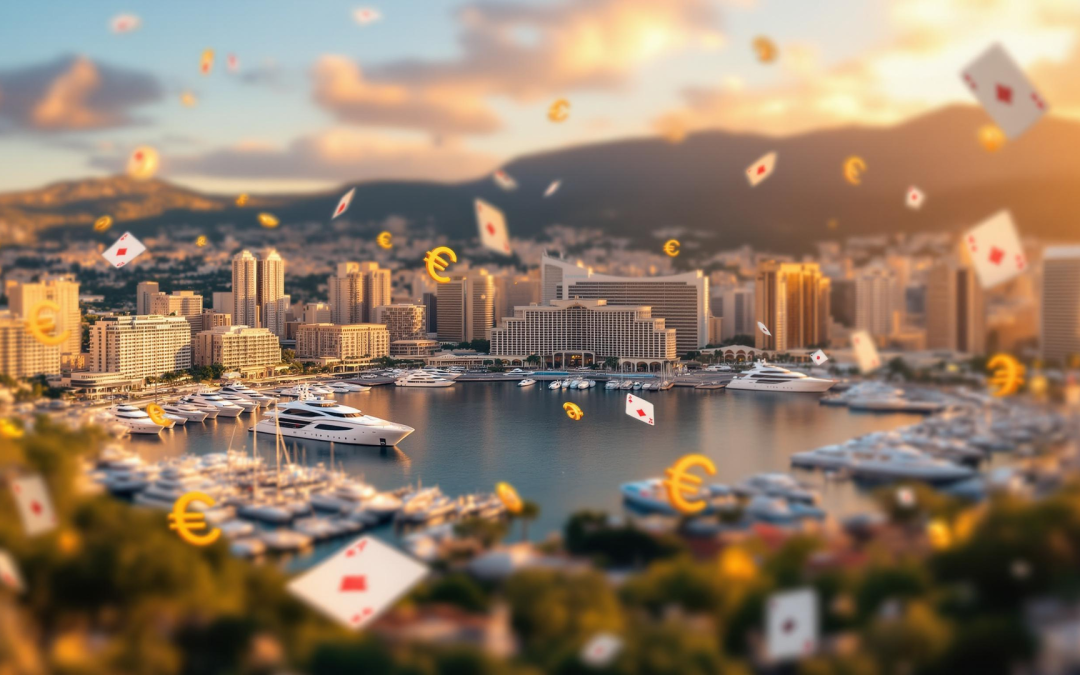
Have you ever wondered how a place as small as Monaco, not much larger than Central Park, can be one of the wealthiest nations in the world? It’s a bit of a head-scratcher, right? Picture this: a picturesque Mediterranean landscape dotted with luxury yachts and opulent casinos, all in a space where you can walk across the country in just an hour.
The principality’s stunning casinos, high-end real estate, and prestigious events like the Grand Prix draw visitors and investors year-round.
Additionally, Monaco’s status as a tax haven makes it a magnet for entrepreneurs and high-net-worth individuals seeking financial advantages. These factors, combined with meticulous governance, ensure that Monaco remains a beacon of wealth and stability.
There’s got to be some magic formula for such prosperity. So, let’s take a stroll through Monaco’s cobblestone streets and unravel how this tiny nation manages to stack its wealth.
Who Should Read this Article?
This article would be most beneficial for:
- Individuals interested in international finance and economics: Those who are curious about different economic models and how small nations can achieve significant economic success.
- Travelers and tourists: People planning to visit Monaco or interested in learning more about this unique destination.
- Investors and entrepreneurs: Individuals considering investment opportunities in Monaco or seeking insights into the economic environment of high-net-worth individuals.
- Students of economics, finance, and international relations: Those seeking a case study of a successful, albeit unique, economic model.
- General readers interested in learning about different countries and their unique characteristics.
Essentially, anyone interested in understanding the factors that contribute to a nation’s wealth and prosperity would find this article informative and engaging.
How Monaco’s Wealth Captivated Me: A Personal Story
I first set foot in Monaco on a sunny Mediterranean afternoon, standing at the edge of Port Hercules, surrounded by gleaming yachts that seemed to touch the sky. The wealth was palpable — from the chic boutiques on every corner to the opulent Monte Carlo Casino that gleamed under the setting sun. As I walked through the streets, I couldn’t help but feel both awe-struck and curious. How did this tiny principality, barely larger than Central Park, come to house such incredible wealth and luxury? What was the secret to its financial success?
It wasn’t just the expensive yachts or the flashing lights of the casino; it was the blend of history, culture, and the distinct absence of a personal income tax that set Monaco apart from any other place I had visited. I soon realized that Monaco wasn’t merely a playground for the rich—it was a carefully crafted hub of innovation, finance, and luxury that had been built through deliberate policies and investments.
What struck me most, however, was how seamlessly this city-state balanced tradition with cutting-edge advancements. Monaco’s wealth didn’t happen by chance—it was the result of strategic government initiatives, an entrepreneurial spirit, and a unique set of policies that created an environment where both businesses and individuals could thrive. I began to wonder: How exactly did this small country become one of the wealthiest nations in the world?
I remember feeling a touch of awe, a bit of disbelief, and a healthy dose of curiosity. How does such a small nation, barely larger than Central Park, amass such extraordinary wealth? This question, I realized, was a common thread among many visitors, myself included.
In this article, I’ll take you through the fascinating journey of Monaco’s economic success—exploring its tax policies, thriving industries, real estate boom, and even its innovative edge. From the world-renowned Monte Carlo Grand Prix to the luxury yachts in its port, Monaco is not just about high-end lifestyles; it’s about how a combination of forward-thinking policies and a unique location has turned this small principality into a global powerhouse.
So, whether you’re curious about its financial strategies, or just fascinated by Monaco’s luxurious image, let’s dive deeper into what makes this Mediterranean gem one of the most prosperous and unique places in the world.
Let’s delve into the fascinating story of Monaco, unraveling the secrets behind its economic success.
Historical Background
Formation Of Monaco’s Economy
Monaco’s economy formed around its strategic location and favorable governance. In the 19th century, Prince Charles III established the Monte Carlo Casino in 1863, attracting European elites and tourists. Revenue from the casino funded public works and infrastructure development. The introduction of a favorable tax regime in the 20th century further boosted economic growth. Monaco abolished income tax in 1869, establishing itself as a tax haven. This policy attracted wealthy residents and businesses, diversifying the economy beyond gambling. Additionally, the development of luxury real estate in the mid-1900s catered to affluent individuals, enhancing Monaco’s financial stability. The principality’s focus on maintaining political stability and security contributed to investor confidence, laying the foundation for a robust financial sector.
Key Milestones In Wealth Accumulation
Monaco achieved significant wealth through strategic milestones. In 1869, the abolition of personal income tax attracted affluent residents, increasing population and demand for luxury services. The 1920s saw the completion of iconic landmarks like the Monte Carlo Casino and the Hotel de Paris, boosting tourism. Hosting the Formula 1 Monaco Grand Prix since 1929 provided international exposure and revenue. The establishment of the Société des Bains de Mer in 1863 centralized casino and hospitality management, optimizing profits. In 1962, Monaco introduced VAT, diversifying tax income sources. The launch of the Monaco Asset Management in 1990 strengthened the financial sector, attracting global investors. Recent milestones include the development of high-end real estate projects and the expansion of financial services, ensuring continuous wealth accumulation and economic resilience.
A Playground for the Rich and Famous
So, here’s the thing about Monaco – it’s all about the glamour. This little slice of opulence has long been a magnet for the rich and famous. Why? Well, the absence of personal income tax is a pretty good incentive, don’t you think? Imagine not having to part with chunky portions of your earnings! This tax-free lifestyle lures in a global elite who pump their wealth into the local economy, igniting a never-ending cycle of prosperity. Seriously, the sun seems to shine a little brighter when you know you’re keeping your hard-earned cash!
Major Revenue Streams
Monaco’s wealth originates from diverse and robust revenue streams that sustain its economic stability.
Tourism Industry
Monaco attracts approximately 9 million tourists annually, fueling its economy through luxury hospitality and entertainment. The Monte Carlo Casino generates significant revenue, drawing high-net-worth individuals who spend on gambling, dining, and shopping. Prestigious events like the Monaco Grand Prix and the Yacht Show enhance the principality’s global reputation, increasing visitor numbers. High-end hotels and resorts provide over 10,000 jobs, supporting local employment and services. Cultural attractions, including the Oceanographic Museum and the Prince’s Palace, contribute to the diverse tourist experience. Monaco’s strategic marketing as a glamorous destination ensures consistent tourist inflow, maintaining its status as a premier travel hotspot.
Real Estate Market – The Priceless Real Estate Saga
Monaco’s real estate market is one of the most expensive globally, with average property prices exceeding €50,000 per square meter. Limited land availability and high demand drive this exclusivity, resulting in substantial revenue from property sales and rentals. Luxury apartments and villas cater to affluent individuals seeking prestigious addresses, ensuring high occupancy rates. Major developments, such as the Tour Odéon and the new Condamine district, expand the residential portfolio, attracting international investors. Real estate transactions contribute significantly to the GDP, while property taxes and related services bolster municipal finances. The stable property market reinforces Monaco’s economic resilience and attracts continuous foreign investment.
Although the land in Monaco might be scarce, it certainly knows how to make the most of its square footage. Properties here sell like hotcakes at jaw-dropping prices. With space at a premium, real estate becomes a precious commodity, driving prices sky-high. The real estate market is buoyed by the influx of well-heeled residents who are eager to invest in this gilded slice of paradise. The charm of owning a property in one of the world’s most prestigious postal codes? It’s irresistible.
Banking And Financial Services
Monaco’s banking sector manages assets exceeding €200 billion, positioning it as a leading financial hub. Confidentiality and favorable tax regulations attract wealthy clients and multinational corporations. Private banking services offer tailored wealth management, investment solutions, and estate planning, ensuring steady capital inflows. The principality hosts over 30 banks, providing diverse financial products that drive economic growth. Regulatory frameworks comply with international standards, enhancing trust and reliability in Monaco’s financial system. Additionally, investment funds and insurance services diversify revenue streams, maintaining Monaco’s prominence in global finance.
Casino Royale – Where Luck Meets Luxury
Now, if there’s one thing Monaco is globally renowned for, it’s the grandiose casinos. Ever heard of Monte Carlo Casino? It’s not just a James Bond setting; it’s a real place where fortunes can be made or lost in the wink of an eye. These casinos aren’t just venues of chance for the visitors; they are cash cows for Monaco. The influx of tourists drawn by the allure of these lavish establishments translates to substantial tax revenues and job opportunities, boosting the local economy like a hidden jackpot.
Port And Maritime Activities
Monaco’s port handles over 300,000 yachts annually, generating significant income from docking fees, maintenance services, and luxury amenities. The Port Hercules marina offers state-of-the-art facilities, catering to elite yacht owners and maritime businesses. Maritime tourism, including yacht charters and sailing events, attracts affluent visitors who contribute to local spending on restaurants, shops, and entertainment venues. The port’s strategic location on the Mediterranean facilitates international trade and logistics, supporting Monaco’s economic infrastructure. Additionally, marine-related industries, such as shipbuilding and repair, provide employment and further diversify Monaco’s revenue base.
Loves Yachts and Fast Cars
Imagine sipping on a glass of bubbly while cruising the glittering waters of the French Riviera on a luxury yacht. Sound like a dream? In Monaco, it’s a reality for many. This principality treasures its image as a haven for yacht enthusiasts, hosting glamorous events like the Monaco Yacht Show. Similarly, the Monaco Grand Prix brings adrenaline and dollars alike, attracting tourists and car enthusiasts from all corners of the globe. These events not only entertain but also fill the city’s coffers with revenue from tourism and international media rights.
The Picture of Monaco’s Wealth in Numbers
Economic Contributions by Sector
Monaco’s GDP is powered by several key industries:
- Tourism: Contributes approximately €1.5 billion annually, representing around 15% of the principality’s GDP. High-profile events like the Monaco Grand Prix alone generate €300 million in economic activity each year.
- Financial Services: Managing assets exceeding €200 billion, this sector accounts for over 20% of Monaco’s GDP, cementing its status as a global financial hub.
- Real Estate: With property prices averaging €50,000 per square meter, transactions in this market make up a significant portion of municipal revenue, bolstered by continuous demand from affluent investors.
Employment Insights
Key sectors drive Monaco’s employment:
- Tourism and Hospitality: Supports over 10,000 jobs, making it a cornerstone of the economy.
- Financial Sector: Employs approximately 2,000 professionals, ensuring a steady influx of capital and investment expertise.
- Maritime Industry: The Port Hercules marina and related services provide employment opportunities in yacht maintenance, logistics, and marine tourism.
Tax Revenue and Policies
Monaco’s unique tax policies are critical to its wealth:
- The absence of personal income tax attracts high-net-worth residents, while corporate taxes, capped at 33.33%, generate substantial revenue.
- VAT, introduced in 1962, diversifies income sources, with luxury services and goods contributing significantly.
Real Estate Market in Numbers
The real estate market is a cornerstone of Monaco’s economy:
- Limited space and high demand result in skyrocketing property values, with average prices exceeding €50,000 per square meter.
- New developments, such as the Tour Odéon, contribute to both GDP and global prestige.
Environmental Efforts in Metrics
Monaco’s commitment to sustainability is evident through:
- A 30% reduction in carbon emissions, driven by investments in electric public transportation and green technologies.
- Port Hercules’ state-of-the-art facilities, which now accommodate 350,000 yachts annually with improved eco-friendly infrastructure.
Global Comparisons
Monaco’s economic strength is reflected in its global rankings:
- GDP per capita: Over €150,000, one of the highest in the world.
- Unemployment rate: Below 2%, showcasing exceptional economic stability.
Taxation Policies
Tax Benefits For Residents
Monaco grants residents substantial tax advantages, fostering wealth accumulation. Residents pay no personal income tax, permitting higher disposable income. Property taxes remain low, with annual rates under 1%, attracting high-net-worth individuals. Capital gains taxes do not apply, allowing investments to grow without deductions. Inheritance taxes are minimal, preserving family wealth across generations. Social security contributions are limited, decreasing financial obligations. Residency requirements include demonstrating stable income or significant investment, ensuring a wealthy population. These benefits create a favorable environment for residents to sustain and enhance their wealth.
Corporate Taxation
Monaco implements favorable corporate tax policies, stimulating business growth. Corporations operating within Monaco benefit from a flat corporate tax rate of 33.33%, lower than many European countries. Small businesses with turnover below €7.7 million are exempt from corporate tax, encouraging entrepreneurship. International companies earn exemptions when over 25% of their turnover is generated within Monaco, promoting local commerce. Additionally, dividends, interest, and royalties sourced outside Monaco are not taxed, attracting multinational enterprises. These corporate tax policies enhance Monaco’s appeal as a business-friendly jurisdiction, contributing to its economic prosperity.
Attracting Foreign Investors
Monaco attracts foreign investors through strategic tax incentives and financial stability. Foreign investors benefit from zero wealth tax, preserving investment returns. The absence of capital gains tax ensures profits remain intact. Real estate investments enjoy tax-free appreciation, making Monaco’s property market lucrative. Monaco’s banking sector offers discreet, secure services with no withholding taxes on dividends or interest, appealing to high-net-worth individuals. Investment in local businesses benefits from corporate tax exemptions, encouraging foreign capital influx. These tax incentives, combined with Monaco’s political stability and robust legal framework, make it a premier destination for international investment.
Government Initiatives & Strategies for Economic Growth And Wealth Creation
Monaco implements strategic government initiatives to maintain its wealth and economic stability. These efforts encompass infrastructure investment, business support, and luxury industry promotion.
Investment In Infrastructure
Monaco invests approximately €500 million annually in infrastructure projects to support economic growth. Road expansions, such as the A8 motorway extension, enhance connectivity for residents and tourists. Port Hercules underwent a €100 million upgrade in 2022, increasing capacity to accommodate 350,000 yachts annually. Public transportation improvements include introducing electric buses, reducing carbon emissions by 30%. Real estate developments, including the Lumière Business Center, provide modern office spaces for businesses. Utilities maintenance ensures reliable energy and water supply, focusing on sustainable technologies. These investments create a robust framework for Monaco’s continued prosperity, enabling seamless operations across various sectors.
Support For Business Development
Monaco fosters business development through targeted initiatives that encourage entrepreneurship and innovation. The government offers tax incentives, including a flat corporate tax rate of 33%, reduced to 20% for small enterprises generating under €8 million annually. The Monaco Innovation Fund allocates €50 million annually to support startups in technology, finance, and luxury sectors. Streamlined business registration processes reduce setup time by 40%, facilitating quicker market entry. Support services encompass mentoring programs, such as the Monaco Business Incubator, which assists new businesses in scaling operations. Networking platforms, including the annual Monaco Entrepreneurs Conference, connect local businesses with international partners. These measures create a conducive environment for businesses to thrive, contributing to Monaco’s economic resilience.
Promotion Of Luxury Industries
Monaco actively promotes luxury industries to sustain its affluent reputation and economic strength. The government invests €30 million annually in international marketing campaigns targeting high-net-worth individuals from Europe, Asia, and the Middle East. Incentives for luxury brands include tax breaks and grants, fostering the establishment of high-end boutiques and exclusive services. Hosting prestigious events, such as the Monaco Yacht Show attracting 2,000 exhibitors and the Monte Carlo Rally with over 300 participants, enhances global visibility. Investment in luxury real estate developments like Larvotto Seafront offers premium residences, appealing to wealthy buyers and investors. Additionally, partnerships with renowned fashion and automobile brands ensure Monaco remains a premier destination for luxury consumption. These efforts maintain and expand Monaco’s status as a hub for luxury industries, driving significant revenue growth.
The Human Face of Monaco’s Success: Stories from the Principality
Monaco’s economic success is not just about luxury yachts or glamorous casinos—it’s also about the real people who live and work in this principality, whose lives have been profoundly shaped by Monaco’s unique economic environment. Let’s take a look at a couple of human interest stories that highlight the impact of Monaco’s wealth and how it touches the lives of its residents in many tangible ways.
A Thriving Entrepreneurial Spirit:
- Meet Antoine, a young Monegasque entrepreneur who founded a sustainable fashion brand. After graduating from the Monaco Business Incubator, he received government grants and mentorship, enabling him to launch his eco-friendly clothing line. Antoine’s success story exemplifies how Monaco’s supportive environment fosters innovation and empowers local talent.
-
Alexandre is a local entrepreneur who moved to Monaco a decade ago to pursue his dream of launching a luxury tech startup. Monaco’s strategic government initiatives aimed at fostering innovation provided him with the perfect platform to grow his business. Alexandre took advantage of the Monaco Innovation Fund, which allocates €50 million annually to support startups in technology, finance, and luxury sectors. Through this program, he received a business grant, as well as access to cutting-edge co-working spaces in the Monaco Tech hub, where he connected with other like-minded innovators.
Today, his company is thriving, attracting both international investors and global clients, all while benefitting from Monaco’s favorable tax policies and business-friendly atmosphere.
Antoine’s and Alexandre’s story are just two example of how Monaco’s government initiatives and infrastructure investments have made a significant difference in the lives of entrepreneurs, helping turn their ideas into successful businesses.
A Hub for International Talent:
- Dr. Lee, a renowned surgeon from Singapore, relocated to Monaco to establish a cutting-edge medical practice. He was drawn by the principality’s stable political environment, its world-class infrastructure, and the opportunity to contribute to a thriving medical community. “Monaco offers a unique blend of professional opportunities and a high quality of life,” he explains. “It’s a truly international environment where I can both excel in my career and enjoy a fulfilling personal life.”
Enjoying the Benefits of a High-Quality Life as a Monaco resident:
- For Elena, a resident of Monaco for over 20 years, the principality offers an unparalleled quality of life. “The safety, the beautiful surroundings, the access to world-class healthcare and education – it’s truly exceptional,” she shares. “My children attend excellent schools, and we enjoy a vibrant cultural scene. Monaco provides a secure and fulfilling environment for families.
-
Maria, a long-time resident, enjoys a life that many dream of. Having relocated to Monaco with her family, Maria enjoys a lifestyle that blends luxury with tranquility. The absence of personal income tax has allowed her and her family to maintain a comfortable standard of living, while also providing for their future without the heavy tax burden that many face elsewhere.
Monaco’s high-quality healthcare system, stunning public spaces, and world-class educational opportunities for her children have contributed to a sense of security and happiness that is hard to replicate. Whether she’s attending a glamorous event at the Monte Carlo Casino or enjoying the serene views from her apartment overlooking the Mediterranean, Maria’s life in Monaco epitomizes the benefits of living in such a prosperous and well-managed environment.
The Ripple Effect on Monaco’s Community:
These stories represent just a fraction of the thousands of individuals who’ve experienced the profound impact of Monaco’s economic success. Whether it’s through government programs that help businesses thrive or the sheer quality of life that residents enjoy, the economic prosperity of Monaco isn’t just felt by the wealthy elite. It extends to the people who make Monaco their home, turning dreams into reality and offering a lifestyle that balances work, opportunity, and enjoyment.
Monaco’s unique blend of tax incentives, business support, and luxurious living standards ensures that its residents, both local and international, can live fulfilling lives while contributing to the country’s thriving economy. It’s these personal stories and experiences that truly showcase how Monaco’s wealth can be more than just numbers on a page—it’s a living, breathing part of the community that touches the lives of many fortunate individuals who have the privilege of calling Monaco home.
The Role of the Sovereign Prince in Monaco’s Wealth Creation
The Sovereign Prince of Monaco plays a significant, albeit nuanced, role in the principality’s wealth creation.
- Image and Prestige: The Prince, as the head of state, embodies Monaco’s image of luxury, glamour, and exclusivity. His public appearances, patronage of the arts, and hosting of international events contribute significantly to the principality’s global appeal and attract high-net-worth individuals and investors.
- Economic Diplomacy: The Prince’s role in international relations fosters strong diplomatic ties with other countries, attracting foreign investment and facilitating trade. These connections enhance Monaco’s position as a global financial center and a desirable destination for international businesses.
- Promoting Tourism: The Prince actively promotes Monaco as a premier tourist destination through his involvement in high-profile events like the Monaco Grand Prix and the Monte Carlo Yacht Show. These events generate significant tourism revenue and enhance the principality’s international image.
- Stability and Confidence: The continuity of the Grimaldi dynasty provides a sense of stability and continuity, fostering investor confidence and encouraging long-term investment in Monaco’s economy.
While the Prince plays a crucial role, Monaco’s wealth creation is a multifaceted endeavor that involves the contributions of many stakeholders, including the government, businesses, and residents.
Economic Strategies
Diversification Of The Economy
Monaco diversifies its economy by developing multiple revenue streams beyond traditional sectors. The financial services sector manages assets exceeding €200 billion, attracting wealthy clients through favorable tax regulations. The real estate market boasts property prices averaging €50,000 per square meter, generating significant income from sales and rentals. Tourism contributes approximately €1.5 billion annually, driven by attractions like the Monte Carlo Casino and the Monaco Grand Prix. Additionally, the maritime industry handles over 300,000 yacht dockings each year, providing income from fees and supporting local businesses. By maintaining diverse industries, Monaco ensures economic resilience and sustained growth.
Attracting International Events
Monaco attracts international events to enhance its global profile and generate revenue. The Monaco Grand Prix, attracting over 200,000 visitors annually, generates approximately €300 million in economic activity. The Monte Carlo Rally draws motorsport enthusiasts, contributing €50 million each year. Prestigious events like the Monaco Yacht Show attract wealthy individuals and businesses, resulting in €100 million in tourism revenue. Luxury fashion shows and international conferences also take place regularly, promoting Monaco as a premier destination. Hosting these high-profile events ensures continuous influx of visitors and significant financial benefits.
Fostering Innovation And Technology
Monaco fosters innovation and technology to stay competitive and attract modern investments. The Monaco Tech initiative supports startups with €20 million in funding annually, encouraging entrepreneurship. Partnerships with universities and research institutions facilitate advancements in fintech and biotech sectors. The establishment of the Monaco Innovation Hub provides co-working spaces and resources for tech companies, attracting over 100 new businesses each year. Government incentives include tax breaks and grants for research and development projects, promoting technological growth. These efforts position Monaco as a forward-thinking economy, driving sustainable wealth.
The Challenges & Hurdles Monaco Faces Despite Its Prosperity
Dependence On Tourism
Monaco relies on tourism as a primary revenue source, attracting approximately 9 million visitors annually. Seasonal fluctuations impact visitor numbers, with peak seasons generating the majority of income from casinos, luxury hotels, and high-end events like the Monaco Grand Prix. Economic downturns reduce discretionary spending, leading to decreased tourism revenue. Additionally, global health crises and geopolitical instability can cause significant drops in visitor numbers, directly affecting the economy. Diversifying income streams remains essential to mitigate risks associated with heavy reliance on tourism.
Real Estate Market Fluctuations
Monaco’s real estate market, characterized by average property prices of €50,000 per square meter, contributes significantly to its wealth. However, market fluctuations pose challenges, including potential declines in property values during economic recessions. Decreases in demand for high-end real estate can lead to reduced sales and rental income, impacting overall economic stability. Regulatory changes and shifts in investor confidence also influence the market’s performance. Maintaining a resilient real estate sector requires strategic planning and adaptability to global market trends.
Environmental Sustainability
Balancing economic growth with environmental sustainability presents a challenge for Monaco. The principality handles over 300,000 yacht dockings annually at Port Hercules, contributing to marine pollution and ecological strain. High-density development risks reducing green spaces and biodiversity. Implementing sustainable practices, such as waste management systems and renewable energy initiatives, is crucial to address environmental concerns. Additionally, promoting eco-friendly tourism and enforcing strict environmental regulations help preserve Monaco’s natural resources while supporting ongoing economic activities.
Economic Comparisons: Monaco’s Unique Position Among Global Hubs
Monaco’s wealth and economic model stand out even when compared to other well-known tax havens and luxury destinations like Luxembourg, Dubai, and the Cayman Islands. These comparisons offer a broader context, highlighting Monaco’s distinctive advantages and challenges.
Monaco vs. Luxembourg: Prestige vs. Financial Depth
- Tax Policies: Both Monaco and Luxembourg attract high-net-worth individuals through favorable tax regimes. Monaco’s lack of personal income tax appeals to wealthy residents, while Luxembourg offers competitive corporate tax rates and extensive double-tax treaties, making it a hub for multinational corporations.
- Financial Sector: Monaco’s banking sector manages over €200 billion in assets, primarily catering to private clients. Luxembourg, by contrast, has a financial sector worth over €5 trillion, driven by investment funds and institutional banking.
- Lifestyle: Monaco’s luxury-focused economy and Mediterranean charm draw those seeking an exclusive lifestyle, whereas Luxembourg is more corporate and low-key, targeting global businesses.
Monaco vs. Dubai: Scale vs. Exclusivity
- Tourism and Events: Dubai’s scale dwarfs Monaco, with over 16 million annual visitors compared to Monaco’s 9 million. However, Monaco’s events, like the Grand Prix and Yacht Show, target an ultra-luxury niche, creating a more exclusive allure.
- Real Estate: While Monaco boasts the highest property prices globally (€50,000+ per square meter), Dubai offers a wider range of luxury properties at comparatively affordable rates, attracting middle-tier investors alongside billionaires.
- Economic Diversity: Dubai’s diversified economy, including tech, real estate, and oil, contrasts with Monaco’s narrower focus on tourism, finance, and real estate.
Monaco vs. the Cayman Islands: Opulence vs. Secrecy
- Tax Haven Status: Both are synonymous with tax efficiency, but the Cayman Islands focus heavily on offshore company registrations and financial secrecy. Monaco, in contrast, balances tax benefits with a lifestyle-driven appeal.
- Population and Infrastructure: Monaco’s dense population (over 39,000 in 2.1 square kilometers) and world-class infrastructure create an urban luxury experience. The Cayman Islands, with a population of around 65,000 spread across multiple islands, offer a more laid-back, tropical environment.
- Global Prestige: Monaco’s association with high-profile events and the Grimaldi dynasty lends it unmatched global prestige, while the Cayman Islands remain primarily a financial hub.
Why Monaco Leads the Pack
Despite its smaller size and population, Monaco excels due to its unique combination of tax advantages, luxury appeal, and political stability. Unlike many other tax havens or luxury destinations, Monaco integrates a rich cultural heritage and high-profile international events to sustain its economy and global image. Its exclusivity and meticulous urban planning make it a leader among elite economic hubs.
This comparison underscores Monaco’s singular status as not just a tax haven, but a lifestyle destination synonymous with wealth, glamour, and success.
Monaco’s Technological Advancements: A Key to Its Wealth
Monaco’s forward-thinking approach to innovation plays a pivotal role in maintaining its status as a global hub of prosperity. The principality has embraced technological advancements and sustainability initiatives, showcasing its commitment to staying ahead in a competitive world.
Monaco Tech: Nurturing Startups
Monaco Tech, the principality’s flagship incubator, focuses on fostering innovation and entrepreneurship. Established in partnership with key industry leaders, the program supports startups in sectors such as fintech, green technology, and luxury goods. Successful ventures emerging from Monaco Tech include Efficient Yachting, which develops eco-friendly yacht technology, and Safe City Solutions, offering cutting-edge urban security systems. These startups not only reinforce Monaco’s reputation as a hub for luxury and efficiency but also attract international talent and investment.
Sustainability Through Innovation
In recent years, Monaco has doubled down on sustainability, aiming to become carbon-neutral by 2050. Projects like the Monaco Solar Energy Initiative integrate renewable energy into urban spaces, powering residential and commercial buildings alike. Additionally, Smart City projects utilize IoT (Internet of Things) technology to optimize waste management, energy consumption, and public transportation, demonstrating Monaco’s ability to harmonize luxury living with ecological responsibility.
Expansion of Fintech and Digital Services
Monaco is rapidly positioning itself as a fintech innovator. The principality has introduced blockchain-friendly legislation, encouraging the development of cryptocurrency-based financial services. Partnerships with global tech firms have led to the creation of secure digital banking platforms tailored for high-net-worth individuals. These advancements attract global investors, making Monaco a key player in the evolving financial landscape.
Unique Partnerships and Events
Monaco leverages its reputation to host premier tech-focused events, such as the Monaco AI Summit, drawing industry leaders from across the globe. Collaborations with institutions like the Monaco Scientific Center further enhance research in marine technology, renewable energy, and sustainable luxury solutions.
By emphasizing technological growth alongside its traditional strengths, Monaco not only secures its economic resilience but also establishes itself as a beacon of innovation among global financial and luxury hubs.
Monaco’s Wealth Jargon: Simplifying Complex Terms
While the article touches on complex financial concepts, simplifying some of the terminology would make the content more understandable for a broader audience. Here are a few key terms explained in simpler language:
1. VAT (Value Added Tax)
VAT is a type of tax that is added to the price of goods and services. When you buy something, the price might include VAT, which the seller then sends to the government. In Monaco, this tax is used to generate government revenue, though it’s not the main source of income for the principality, thanks to its other favorable tax policies.
2. Dividends
Dividends are the part of a company’s profits that are paid out to its shareholders. If someone owns stock in a company, they may receive a dividend as a way to share in the company’s success. Monaco’s favorable tax rules mean that many wealthy residents or companies can earn dividends without paying taxes on them, which makes the principality attractive for investors.
3. Turnover
Turnover refers to the total amount of money a business makes from selling goods or services during a particular period. For small businesses in Monaco, those with a turnover below a certain amount (about €7.7 million), are exempt from corporate taxes, making it easier for entrepreneurs to thrive.
4. Corporate Tax
Corporate tax is the tax that companies pay on their profits. In Monaco, companies pay a flat corporate tax rate of 33.33%, which is lower than in many other European countries, encouraging businesses to set up operations there. Small businesses, however, pay no corporate tax at all if they earn below a certain threshold.
By explaining these terms in simpler language, readers can better understand Monaco’s unique economic and tax policies without feeling overwhelmed by technical jargon. This approach enhances the accessibility of the article, allowing a wider audience to appreciate Monaco’s financial landscape.
Insider Secrets: How to Build Wealth and Succeed in Monaco’s Prosperous Economy
As someone who has had the privilege of working closely within Monaco’s elite financial circles, I’ve gained a deep understanding of the principles that drive prosperity in this unique principality. While Monaco’s allure may seem like a far-off dream for many, there are real, practical steps anyone can take to start building wealth here. Let me share a few insider tips to help you navigate your path to financial success in Monaco.
1. Leverage Monaco’s Tax Benefits
Monaco’s tax advantages are one of the main reasons it attracts high-net-worth individuals. The absence of personal income tax is a game-changer for wealth retention. But beyond that, Monaco also offers favorable corporate tax rates, no capital gains tax, and low property taxes. To make the most of these benefits, consider setting up a residency in Monaco if you’re looking to protect your earnings from taxation. For those already doing business, take full advantage of the corporate tax advantages by relocating your business operations or establishing a local entity.
2. Invest in Monaco’s Booming Real Estate Market
Monaco’s real estate market is legendary for its exclusivity and high returns. While it’s one of the most expensive markets globally, property investments here are a safe bet due to the limited land availability and high demand. If you can afford the entry cost, investing in Monaco’s real estate—whether it’s buying luxury apartments or commercial properties—can be incredibly profitable. The value of prime locations, such as around Port Hercules or the Monte Carlo district, only continues to rise. If buying outright isn’t possible, consider renting premium properties or investing in real estate development projects within Monaco’s expanding urban areas.
3. Tap into the Luxury Sector
Monaco is not just a tax haven; it’s also a hub for luxury goods, services, and experiences. The principality attracts the world’s wealthiest individuals, and this creates ample opportunity for those who want to cater to this elite crowd. Whether it’s starting a high-end restaurant, offering bespoke yacht services, or investing in the luxury fashion sector, the market here thrives on exclusivity. To break into the Monaco luxury scene, you’ll need to have a unique product or service that speaks to the wealthy elite, and impeccable branding is essential.
4. Network with Monaco’s Global Financial Community
Monaco is a financial hub, home to over 30 international banks, asset managers, and investment firms. Networking with the right people—whether it’s financial advisors, business leaders, or investors—is crucial to unlocking Monaco’s wealth opportunities. Attend key events like the Monaco Grand Prix or the Monaco Yacht Show, which are frequented by influential individuals. Get involved in industry groups and business forums to build relationships that could open doors to profitable ventures. Consider setting up your business here, as Monaco offers attractive conditions for entrepreneurs, including easy business registration and various incentive programs for startups.
5. Invest in Maritime and Yacht-Related Opportunities
Monaco is a central point for the global yachting community. If you’re looking to capitalize on Monaco’s maritime industry, there are multiple ways to get involved. Investing in yachts, offering yacht charter services, or getting involved in yacht-related events like the Monaco Yacht Show can be very lucrative. The port is constantly bustling with yacht owners, brokers, and high-net-worth individuals, making it the perfect environment for maritime business opportunities. The yachting industry is not just about luxury—it’s about creating lasting business relationships and exclusive experiences.
6. Start Your Own Asset Management or Investment Firm
Monaco is a leading global financial center, particularly in asset management. Many wealthy individuals and institutions look to Monaco for wealth management services. If you have a background in finance, starting an asset management firm or financial advisory service could be a great way to capitalize on Monaco’s rich clientele. The principality offers an attractive business climate, with a robust legal framework, confidentiality, and tax incentives that make it easy to set up and operate.
7. Explore the Growing Tech Scene
Although Monaco is known for its luxury industries, it is increasingly becoming a hub for innovation and technology. The Monaco Tech initiative, along with the Monaco Innovation Hub, has encouraged the establishment of startups, particularly in fintech and blockchain. If you have a background in technology, consider launching a startup in Monaco, where you’ll have access to an elite network of investors and business support. The government also provides substantial funding for promising tech ventures, making it an ideal environment to grow innovative businesses.
8. Focus on Sustainable and Green Business Opportunities
With its commitment to environmental responsibility, Monaco is focusing more on sustainable and eco-friendly ventures. The demand for green businesses—such as sustainable tourism, renewable energy solutions, and eco-friendly luxury products—is on the rise. If you can tap into this emerging market, not only will you be contributing to Monaco’s long-term goals, but you’ll also be in line with the growing preference for sustainable lifestyles among Monaco’s affluent residents and visitors.
By following these insider tips, you can begin to carve out your path toward building wealth in Monaco. Whether you’re drawn to its tax policies, real estate opportunities, or the thriving luxury market, there’s no shortage of ways to establish yourself financially in this exclusive principality. While Monaco’s reputation for wealth might seem out of reach, the right approach, combined with strategic investment and networking, can help turn your aspirations into reality. Welcome to a world where prosperity meets opportunity.
Further Reading and Resources: Exploring Monaco’s Wealth and Innovation
To dive deeper into Monaco’s unique economic landscape, its tax advantages, and the cutting-edge innovations shaping its future, here are some recommended resources and books for further exploration.
Books on Monaco’s Wealth and Economy
-
Monaco: The Art of Living by Nicholas Foulkes
This book provides a comprehensive look at Monaco’s history, its role as a luxury destination, and how it has evolved into one of the world’s wealthiest and most exclusive places. Foulkes explores the unique lifestyle and economic mechanisms behind the principality’s success. -
The Prince of Monaco: A Life of Glamour, Innovation, and Leadership by Peter G. Schroeder
For readers interested in how Monaco’s governance and leadership shape its economy, this biography of Prince Albert II offers insight into his efforts to blend luxury, sustainability, and technology to maintain Monaco’s prestigious standing. -
The Billionaire’s Playground: The Inside Story of the World’s Most Glamorous Real Estate Market by Tony Evans
A fascinating exploration of Monaco’s real estate market, Evans provides detailed insights into why the tiny principality has become a haven for luxury property investors and the challenges it faces with limited land availability.
Online Resources
-
Monaco Government Official Website
The official website provides up-to-date information on the principality’s tax policies, economic initiatives, and government strategies that promote business and investment in Monaco. -
Monaco Economic Board (MEB)
The Monaco Economic Board supports business development and economic growth in the principality. Their website is a valuable resource for entrepreneurs and investors interested in Monaco’s financial sector. -
Monaco Tech
A government initiative that fosters innovation, Monaco Tech provides a platform for entrepreneurs and startups focused on emerging technologies. Learn more about its impact on Monaco’s technological growth and sustainable development.
Articles and Reports
-
“Monaco: A Global Financial Hub” – Forbes
This article outlines Monaco’s position as a leading financial center, highlighting its banking sector, tax policies, and appeal to high-net-worth individuals. -
“The Future of Monaco: How Innovation Is Reshaping the Principality” – Financial Times
Financial Times covers how Monaco is investing in technology and innovation to ensure its future prosperity, focusing on sustainability, digital finance, and real estate.
These resources provide valuable insights into Monaco’s economy, its tax advantages, and the role of innovation in sustaining its wealth. Whether you’re interested in Monaco’s business environment, its luxurious real estate market, or the future of technology in the principality, these books, websites, and articles offer an in-depth look at how Monaco continues to thrive as one of the world’s wealthiest and most exclusive destinations.
Conclusion
Monaco stands as a shining example of strategic foresight and innovative economic policies that create lasting wealth. Its unique blend of luxury finance and world-class tourism continues to attract the global elite, ensuring that the principality remains a symbol of prosperity.
While challenges such as environmental sustainability and the potential impacts of global economic fluctuations exist, Monaco consistently demonstrates an impressive ability to adapt and innovate. By nurturing entrepreneurship, embracing technological advancements, and maintaining an exceptional quality of life for its residents, Monaco is poised to thrive as both a hub of luxury living and a beacon of economic success for years to come.
This harmonious balance of time-honored traditions and forward-thinking initiatives guarantees Monaco’s continued prosperity and a vibrant economy well into the future.
So, the next time you think of Monaco, remember: it’s not just a glamorous destination for celebrities and Formula 1 fans. It’s a dynamic economic powerhouse, expertly navigating the worlds of tax policies, luxury casinos, high-profile events, and prime real estate. Inspired? Perhaps it’s time to book a trip, experience the allure, and witness the Monaco magic firsthand!
Your Next Step: Turning Monaco’s Wealth into Your Opportunity
- Visit Monaco: Experience the magic firsthand! Explore the Monte Carlo Casino, stroll through the picturesque harbor, and soak in the unique atmosphere of this captivating destination.
- Research Monaco’s history and culture: Explore the history of the Grimaldi family, delve into the principality’s rich artistic heritage, and learn about the unique Monegasque culture.
- Investigate investment opportunities: Explore potential investment opportunities in Monaco’s real estate market, financial sector, or emerging industries.
- Engage in further research: Explore academic journals, government publications, and financial news sources for in-depth analyses of Monaco’s economy and its future prospects.
- Consult with Local Experts
Understanding Monaco’s legal and economic system is critical. Work with local consultants, financial planners, and legal experts who specialize in Monaco’s tax laws, corporate governance, and investment opportunities. This ensures you navigate the principles of wealth-building in the principality successfully. - Become a Monaco Resident
If you’re serious about relocating, getting familiar with Monaco’s residency programs will be your first move. The financial stability and low taxes make it a top choice for many entrepreneurs, investors, and wealthy individuals seeking a new home. Research the requirements and understand how you can qualify to live in Monaco and benefit from its favorable tax environment. - Network with Monaco’s Elite Business Community
Networking is crucial. From private banking and finance professionals to top-tier luxury brands, Monaco is home to many influential businesses. Attend events like the Monaco Yacht Show or the Monaco Grand Prix, which are not only glamorous but also packed with potential business contacts. - Consider Starting Your Own Business
Monaco offers favorable tax policies and a high standard of living for entrepreneurs. The Monaco Innovation Fund and other government initiatives support startups, especially those in technology, finance, and luxury sectors. If you have a business idea, now is the time to act. - Explore Real Estate Investments & Opportunities
With Monaco’s sky-high property prices, real estate can be a lucrative investment if you’re ready to dive in. Look into the top luxury neighborhoods, and consider whether purchasing property for personal use or as a rental business aligns with your financial goals.
By continuing to explore and learn about Monaco, you can gain a deeper appreciation for its unique economic model and its enduring appeal as a global hub of luxury and innovation.
Are You Ready to Go Further?
Monaco’s reputation as a hub of luxury and wealth has remained steadfast for decades. Whether you’re interested in real estate, banking, tourism, or innovation, the opportunities are there for those ready to take advantage of them. By making smart investments, networking with the right people, and tapping into the principality’s strong economic foundation, you can carve your path to success.
Are you ready to step into the world of Monaco and build your wealth in one of the most prestigious locations on Earth? The journey starts with your first move. Keep learning, stay curious, and take those important steps forward. The wealth of Monaco is there to be discovered, and it may just be the key to your next big success.
Share Your Monaco Experiences
Monaco is a land of opportunity, luxury, and wealth, but everyone’s journey to success is unique. Whether you’ve visited, invested, or are considering making Monaco your next destination, your experience could be the missing piece that helps others make their own decisions.
I’d love to hear from you! Have you visited Monaco and seen firsthand how its economy thrives? Are you someone who’s considering moving to this glamorous principality, or have you already made Monaco your home? Perhaps you’ve made investments or taken advantage of the business opportunities here.
Whatever your Monaco experience may be, I invite you to share it in the comments below. Your insights and stories will not only enrich this conversation but could also help others who are just starting to explore what Monaco has to offer. Let’s build a community of people who are curious, driven, and inspired by Monaco’s unique path to prosperity.
Feel free to ask questions or offer advice based on your own personal journey—let’s get the discussion started!