
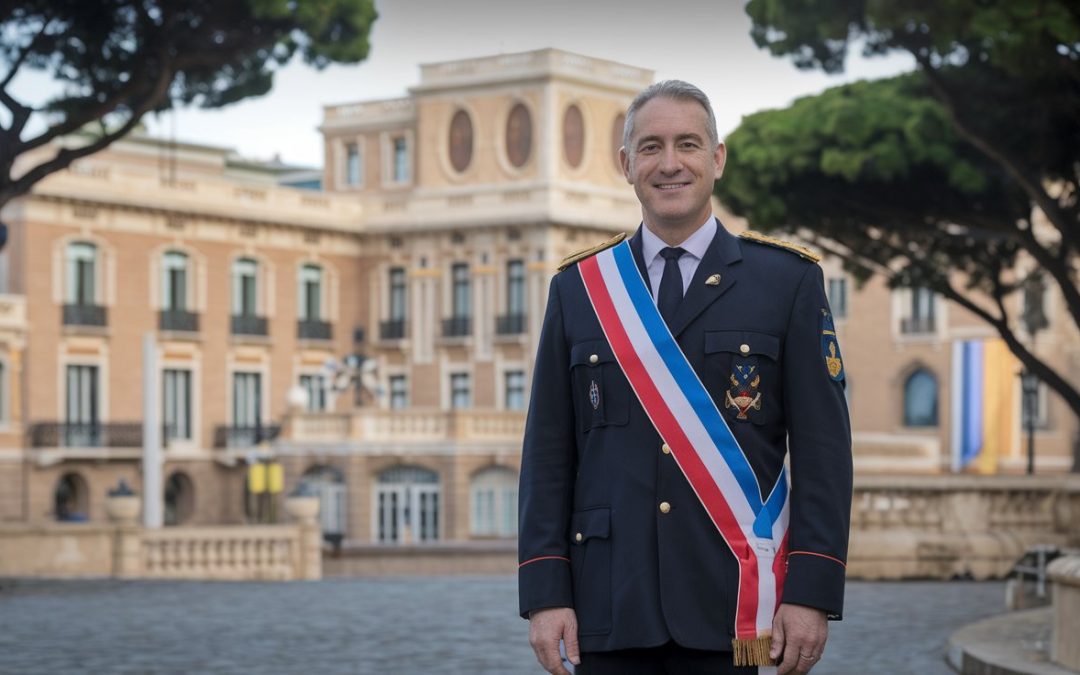
Monaco Is the Country and Monte Carlo Is Its Most Famous District
Imagine you’re sitting in your favorite armchair, feet up, a cup of tea warming your hands. On the TV, a glittering coastline flashes by: blue sea, white yachts, red race cars screaming around tight corners. The commentator keeps saying “Monte Carlo,” but the caption on the screen says “Monaco.” You squint, sip your tea, and think: “Alright, which is it? What’s the actual difference between Monaco and Monte Carlo?”
That little moment of confusion is exactly where this story begins.
When I first tried to figure this out, I felt like I’d opened one of those old family recipes where half the ingredients are written in shorthand. It made sense to someone once, but not to me, yet. Then, slowly, it all clicked into place, and I realized it’s actually quite simple, and even a bit charming.
In this guide, I’ll walk you through Monaco and Monte Carlo like we’re strolling along the harbor together. We’ll talk about the tiny country, the famous district, the casinos, the Grand Prix, and even how to address a postcard properly so it doesn’t go wandering around Europe. By the end, you’ll not only know the real difference between Monaco and Monte Carlo, you’ll also have a great little story to share over tea with your friends.
Key Takeaways
The core difference between Monaco and Monte Carlo is that Monaco is a sovereign country, while Monte Carlo is just one of its districts.
Monaco is a tiny city-state with its own government, laws, and UN seat, organized into several districts including Monaco-Ville, La Condamine, Fontvieille, and Monte Carlo.
Monte Carlo sits within Monaco and is famous for the Casino de Monte-Carlo, luxury hotels, designer shopping, and a glamorous nightlife image.
In practical terms, travel bookings, official forms, and mailing addresses use Monaco as the country name, with Monte Carlo appearing only as the neighborhood or district.
Major events like the Monaco Grand Prix and the Monte-Carlo Masters all take place within the same small country, with the choice of Monaco vs. Monte Carlo in event names driven mostly by branding.
Understanding Monaco: The Tiny Country On The Riviera
Before I talk about Monte Carlo, I need to start with Monaco itself, because Monte Carlo lives inside Monaco.
Geography And Political Status Of Monaco
Monaco is a country. A real, independent, fully recognized country, just very, very small. It’s tucked along the French Riviera, squeezed between southern France and the Mediterranean Sea, with Italy not far away.
To give you a sense of scale, I like to say this: “You could walk across much of Monaco in about an hour or so”. It’s about 2 square kilometers (less than a square mile). If you took a medium-sized neighborhood in a big city, you’d be close.
Monaco is a constitutional monarchy, ruled by the Prince of Monaco (the Grimaldi family has been in charge there, on and off, since the 1200s). It has:
Its own government
Its own laws
Its own flag and national anthem
Even a seat at the United Nations
French is the official language, the euro is the currency, and the people are called Monegasques (that’s a fun one to roll around on your tongue).
So when someone says, “I’m going to Monaco,” they’re talking about visiting the country.
Districts Of Monaco And How The City-State Is Organized
Here’s where it gets interesting. Monaco is a city-state, which means the entire country is basically one big city, divided into districts or quarters.
The main districts are:
Monaco-Ville – the old town on the rock, with the Prince’s Palace
Monte Carlo – the glamorous area famous for the casino
La Condamine – the port area with the harbor
Fontvieille – a newer district built partly on reclaimed land from the sea
There are a few more named areas, but these are the stars.
So if I picture Monaco as a little jewelry box, each district is a separate compartment. Monte Carlo is just one compartment in that box, sparkly, loud, and dramatic, but still only one part of the whole.
And that’s the first key difference between Monaco and Monte Carlo:
Monaco = the entire country
Monte Carlo = one district within that country
Monte Carlo Explained: District, Lifestyle, And Myth
Now, let me zoom in on Monte Carlo, because this is where the confusion usually begins.
Where Monte Carlo Fits Inside Monaco
Monte Carlo sits on a hill above the sea, like a glamorous balcony looking over the Mediterranean. On a map of Monaco, you’ll see it as one of the central, most famous districts.
What’s actually in Monte Carlo?
The legendary Casino de Monte-Carlo
Luxury hotels (the kind with more chandeliers than you have light bulbs at home)
Designer shops
Elegant restaurants and bars
And streets where you’re more likely to see a Ferrari than a family minivan
People sometimes imagine Monte Carlo as a separate city or even its own country. But no: Monte Carlo is part of Monaco, like a neighborhood. Think of it as the “Las Vegas strip” of Monaco, only with the sea, old-world architecture, and a lot more diamonds.
Why Monte Carlo Became More Famous Than Monaco
So if Monaco is the country, why do I hear “Monte Carlo” in movies and TV more often than “Monaco”?
Because Monte Carlo became a brand.
In the 19th century, Monaco was struggling financially. Then came an idea: build a casino and resort area to attract the wealthy. They chose the location that became Monte Carlo, and named it after Prince Charles III (Carlo = Charles in Italian).
The formula worked. The rich and curious poured in, the casino became legendary, and Monte Carlo turned into a shorthand for:
Glamour
High-stakes gambling
Evening gowns and tuxedos
Luxury cars and yachts
Hollywood loved this image. So did novelists and advertisers. Saying “Monte Carlo” sounded more dramatic and mysterious than “Monaco.” Over time, people began to use Monte Carlo when they really meant Monaco, kind of like saying “Hollywood” when you actually mean the wider Los Angeles film world.
That’s how Monte Carlo, a district, ended up more famous in popular culture than Monaco, the country that contains it.
Monaco vs. Monte Carlo: Key Differences At A Glance
Now I’ll line things up more clearly, like putting two recipe cards side by side.
Government, Population, And Everyday Life
Monaco:
Is a sovereign country with a prince, government, and its own legal system.
Has a population of around 38,000–39,000 people in total.
Has ordinary life going on: schools, supermarkets, offices, apartment buildings.
Monte Carlo:
Is not a country and has no separate government. It’s governed by Monaco.
Is one of the country’s districts, so its residents are counted as living in Monaco.
Is more associated with tourism, nightlife, and luxury than everyday chores and errands (though people do live there).
So when we talk about laws, elections, or citizenship, we’re talking about Monaco. Monte Carlo doesn’t make its own rules: it follows Monaco’s.
Tourism, Casinos, And Luxury Experiences
Here’s where Monte Carlo really steals the spotlight.
Monaco, as a whole, is known for being chic and wealthy, but Monte Carlo is the dramatic stage where that image is most obvious.
In Monaco overall, visitors can:
Walk around the old town (Monaco-Ville) and see the Prince’s Palace
Visit the Oceanographic Museum above the sea
Stroll around different neighborhoods and marinas
Enjoy gardens, viewpoints, and quieter streets
In Monte Carlo specifically, the focus is on:
The Casino de Monte-Carlo – a masterpiece of Belle Époque architecture
Iconic luxury hotels like the Hôtel de Paris
High-end shopping streets
Bars and restaurants where the bill can be as dazzling as the chandeliers
So if someone says, “I want to see the casino and all the glam,” they’re really saying, “Take me to Monte Carlo.” If they say, “I want to explore the whole place, museums, palace, and all,” they’re talking about seeing Monaco.
Addresses, Maps, And Practical Travel Details
Now for the practical side, the bit that matters when you’re booking a trip or sending a postcard.
On maps:
You’ll see Monaco as a tiny country along the coast.
Zoom in, and you’ll see districts like Monte Carlo, Monaco-Ville, La Condamine, and Fontvieille.
On addresses:
A hotel in Monte Carlo might write something like:
[Hotel Name] Avenue de Monte-Carlo 98000 Monaco
Notice the last line: it ends with Monaco, not Monte Carlo. That’s because the country is Monaco. Monte Carlo is used like a neighborhood name within the address.
When you travel:
You don’t fly into “Monte Carlo Airport.” You typically fly into Nice, France, then travel by car, bus, train, or even helicopter into Monaco.
Your booking sites will usually say “Monaco” as the location, and may specify Monte Carlo as the neighborhood.
So, when I keep it simple in my head:
Monaco is what you write on a map and passport forms.
Monte Carlo is what you look for when you want the casino, race views, and extra sparkle.
Common Misconceptions And How To Avoid Confusion
Once you know the difference, you start hearing people mix the two up all the time. It’s a bit like listening to someone call your daughter by your granddaughter’s name, you know what they mean, but it’s technically wrong.
When People Say “Monte Carlo” But Mean Monaco
Here are a few common mix-ups I notice:
“Monaco? Oh yes, I love Monte Carlo, that country is so pretty.”
“He’s the Prince of Monte Carlo.”
“We’re flying into Monte Carlo next week.”
In almost all of those, the person means Monaco, the country.
Why do people say Monte Carlo instead?
Movies and TV made Monte Carlo sound more glamorous.
The casino scenes and race footage are usually filmed there.
It’s a catchy name, so it sticks.
The good news? Locals and travel staff are used to this confusion. If you say, “I’m going to Monte Carlo,” they’ll understand you’re heading to Monaco and likely want the casino district.
But if you like getting things right (I do), it helps to be precise.
Using The Right Name For Travel, Events, And Mail
Here’s how I keep it straight when there’s something important at stake, like tickets, reservations, or making sure Grandma’s postcard arrives.
For travel bookings:
When you book flights, trains, or transfers, search for Monaco (or Nice, France, as the nearest big hub).
When choosing a hotel, check if its neighborhood is Monte Carlo or another district, depending on the atmosphere you want.
For events and tickets:
Big events might have Monaco in the official title even if they take place around Monte Carlo.
Always read the location details on the ticket: it may say “Circuit de Monaco (Monte Carlo area)” or list a specific district.
For mail and packages:
The country line of the address should say Monaco.
You can include Monte Carlo as part of the street address or neighborhood, but the country is always Monaco.
If you remember that Monte Carlo can be in the middle of the address, but Monaco belongs at the bottom line as the country, you’ll avoid most of the confusion.
Monaco, Monte Carlo, And The World Of Sports And Events
Sports and big events are another place where the names get tangled, especially with all the marketing.
Grand Prix, Yachting, And Other Major Attractions
When I picture Monaco, I almost hear the scream of Formula 1 engines.
The Monaco Grand Prix is one of the most famous car races in the world. The track winds right through the streets of Monaco, including the Monte Carlo area. The race is officially called the Grand Prix de Monaco, not the “Monte Carlo Grand Prix,” even though some people say it that way casually.
The circuit passes by:
The harbor filled with superyachts
The tight, twisting streets near the casino
Tunnels and corners that make even experienced drivers sweat
On top of the Grand Prix, Monaco hosts:
The Monaco Yacht Show, full of jaw-dropping boats
Tennis tournaments like the Monte-Carlo Masters (here’s that name again.)
Various fashion, arts, and charity events
How Events Are Branded: Monaco vs. Monte Carlo
Event names are where you really see how both labels get used:
Monaco Grand Prix – Uses the country name (Monaco), even though the route includes Monte Carlo.
Monte-Carlo Masters (tennis) – Uses the district name (Monte Carlo), even though the event is associated with the whole Principality.
Sometimes organizers choose Monaco to emphasize prestige and the country itself. Other times they use Monte Carlo to tap into that glamorous, casino-and-nightlife image.
So if you’re ever wondering, “What’s the difference between Monaco and Monte Carlo in this event name?” the short answer is:
The location is within the same tiny country.
The choice of Monaco vs. Monte Carlo is often about marketing and tradition, not about a change of country.
Once I understood that, I stopped overthinking it. Whether it’s the Monaco Yacht Show or the Monte-Carlo Masters, I know they’re all happening in that same small stretch of coastline, just in different corners of it.
Conclusion
When I strip away the glitz and the movie scenes, the answer to what is the difference between Monaco and Monte Carlo is actually quite homely and simple:
Monaco is the country.
Monte Carlo is one famous district inside that country.
Monaco holds the history, the government, the flag, the citizenship, and all the everyday life that doesn’t make it into the films. Monte Carlo holds much of the glitter: the casino, the luxury hotels, the racing images you see on television.
Knowing the difference means you can:
Book your trip more confidently
Address postcards correctly
And gently impress your friends when they mix up “the Prince of Monte Carlo” and “the Prince of Monaco.”
So the next time you see those bright race cars dashing past the harbor and someone sighs, “Ah, Monte Carlo… what a country,” you’ll smile to yourself. You’ll know the secret: it’s Monaco, the tiny principality, and Monte Carlo is just its most flamboyant neighborhood.
And that, I think, is a lovely little travel fact to tuck into your mental recipe book and share over your next cup of tea.
Frequently Asked Questions About Monaco and Monte Carlo
What is the difference between Monaco and Monte Carlo?
Monaco is a sovereign microstate on the French Riviera, with its own government, laws, and UN seat. Monte Carlo is one of Monaco’s districts, famous for the casino, luxury hotels, and nightlife. In short: Monaco is the country, Monte Carlo is a glamorous neighborhood within it.
Is Monte Carlo a separate country from Monaco?
No. Monte Carlo is not a separate country; it’s a district of Monaco. It has no independent government or borders of its own and is fully governed by Monaco. Residents of Monte Carlo are counted as living in Monaco, the principality that encompasses several districts.
Why is Monte Carlo more famous than Monaco in movies and TV?
Monte Carlo became a global “brand” after Monaco developed it in the 19th century as a casino and resort area. The Casino de Monte-Carlo, luxury hotels, and high-stakes glamour made it a favorite setting for films, novels, and ads, so people often say Monte Carlo when they really mean Monaco.
How does the Monaco Grand Prix relate to Monte Carlo?
The Monaco Grand Prix is a Formula 1 race that runs through Monaco’s streets, including parts of Monte Carlo. Officially it’s the Grand Prix de Monaco, but TV shots of the casino, harbor, and tight corners in Monte Carlo make some viewers assume the event is separate from Monaco itself.
How do I correctly write an address in Monte Carlo, Monaco?
When addressing mail to Monte Carlo, you treat Monte Carlo as the district and Monaco as the country. A typical format is: [Name], [Street + Monte Carlo], 98000 Monaco. The bottom line must say “Monaco,” since that’s the sovereign state recognized by postal and travel systems.
When planning a trip, should I search for Monaco or Monte Carlo hotels?
For travel bookings, search for “Monaco” as the destination, then filter by neighborhood if you specifically want Monte Carlo’s casino, race views, and luxury atmosphere. Staying elsewhere in Monaco—like Monaco-Ville or La Condamine—offers easier access to sights such as the Prince’s Palace and the Oceanographic Museum.
Monaco is located on the French Riviera along the Mediterranean Sea, bordered by France on three sides and the Mediterranean on the fourth.
At just 2.02 square kilometers (0.78 square miles), Monaco is the second-smallest independent state in the world, after Vatican City.
French is the official language of Monaco, but you’ll also hear Monégasque (the traditional native dialect), Italian, and English.
The Principality has been ruled by the Grimaldi family since 1297, making it one of the world’s oldest monarchies.
Despite its tiny size, Monaco is home to residents from over 139 different nationalities, creating a vibrant multilingual society.
Monaco sparkles like a rare jewel on the Mediterranean coastline, drawing visitors with its glamour, wealth, and fairytale charm. This tiny principality may be small in size but looms large in the global imagination. Whether you’ve dreamed of visiting the famous Monte Carlo Casino, watching the Grand Prix, or simply soaking in the Mediterranean sunshine, understanding where Monaco is located and what languages are spoken there will enhance your travel experience. The Principality of Monaco offers travelers a unique blend of French Riviera elegance, Italian influences, and international sophistication unlike anywhere else in the world.
Who Should Read This Article
This article is for anyone with an interest in Monaco, from casual readers to serious travelers and students of geography and history. Specifically, this is a must-read for:
Prospective Travelers: If you are planning a trip to the French Riviera or Monaco, this guide provides essential information on location, transportation, and language etiquette that will help you plan your itinerary and communicate effectively.
Armchair Travelers: Those who enjoy learning about different cultures and countries from the comfort of their home will find the article’s rich historical context and cultural details fascinating.
Students and Researchers: Anyone studying European geography, microstates, history, or linguistics will find a wealth of well-organized information about Monaco’s unique status and cultural identity.
Business Professionals: Individuals considering business in Monaco or attending international events will benefit from understanding the official language and the multilingual nature of the principality’s business environment.
Language Enthusiasts: Readers interested in the coexistence of multiple languages and the preservation of a traditional dialect will appreciate the in-depth look at French, Monégasque, Italian, and English in Monaco.
Where Exactly Is Monaco Located?
Monaco is nestled along the stunning French Riviera (Côte d’Azur) in Western Europe. This microstate is situated on the Mediterranean Sea, approximately 12 miles (19 km) east of Nice, France, and just 10 miles (16 km) from the Italian border. Its prime location gives it a spectacular setting, with the Maritime Alps forming a dramatic backdrop to the north and the azure Mediterranean waters lapping at its southern shores.
Geographically speaking, Monaco sits at coordinates 43°44′N 7°25′E, making it one of the sunniest spots in Europe with over 300 days of sunshine annually. The principality is completely surrounded by France on three sides, with the Mediterranean Sea forming its southern border. This strategic position has contributed significantly to Monaco’s historical importance and current status as a hub for international tourism and business.
Monaco’s Precise Geographical Position on the French Riviera
The French Riviera stretches from Cassis to the Italian border, with Monaco positioned in one of its most picturesque sections. The principality is built into the steep coastal slopes that characterize this region, resulting in its distinctive tiered appearance. Monaco is divided into several districts (quartiers), with Monte Carlo being the most famous. The terrain rises dramatically from sea level at Port Hercules to almost 206 feet (63 meters) at its highest point, creating a stunning vertical cityscape.
This vertical development has led to some of Monaco’s most innovative architectural solutions, including multi-level highways, underground parking facilities, and buildings with entrances on different floors depending on which street you access them from. The country’s topography has essentially forced Monaco to build upward rather than outward, resulting in its distinctive high-rise profile that’s instantly recognizable from both land and sea.
The Second-Smallest Country in the World
At just 2.02 square kilometers (0.78 square miles), Monaco holds the distinction of being the second-smallest independent state globally, with only Vatican City being smaller. To put this in perspective, Monaco is smaller than New York’s Central Park. You could walk across the entire country in about an hour, making it possibly the only nation where you can explore its entirety in a single afternoon.
Monaco Size Comparison:
Monaco: 2.02 km²
Central Park (NYC): 3.41 km²
Vatican City: 0.49 km²
Despite its minuscule size, Monaco has maximized its limited space through reclamation projects from the Mediterranean Sea. Since the 1960s, Monaco has expanded its territory by approximately 20%, with the newest district, Fontvieille, being built almost entirely on reclaimed land. The recently launched Portier Cove land reclamation project will add another 15 acres to the principality when completed, demonstrating Monaco’s creative approach to overcoming its geographical limitations.
Borders and Neighboring Regions
Monaco shares a 5.5-mile (8.9 km) border exclusively with France, specifically with the French department of Alpes-Maritimes in the Provence-Alpes-Côte d’Azur region. The French communes of Cap d’Ail, Beausoleil, and Roquebrune-Cap-Martin directly border Monaco, creating what feels like a seamless urban area. In fact, walking from Monaco into France often happens without noticing—there are no border checkpoints or controls between the two countries.
Though Monaco doesn’t share a land border with Italy, the Italian town of Ventimiglia is just 11 miles (18 km) away, making day trips easily accessible. This proximity to both France and Italy has profoundly influenced Monaco’s culture, cuisine, and linguistic landscape over the centuries. Many Monégasques regularly cross these informal borders for shopping, dining, and recreation, highlighting the integrated nature of life along this section of the Mediterranean coast.
The Rich History Behind Monaco’s Unique Status
Monaco’s history as an independent entity dates back over 700 years, making it one of the world’s oldest continuous monarchies. The fascinating story of how this tiny territory maintained its independence while empires rose and fell around it helps explain its current status and cultural identity. Monaco’s strategic position between powerful neighbors meant that it had to employ clever diplomacy and political maneuvering throughout its history.
Initially established as a colony of Genoa, Monaco’s destiny changed forever on January 8, 1297, when François Grimaldi, disguised as a Franciscan monk, seized the fortress that guarded the Rock of Monaco. This cunning takeover began the Grimaldi dynasty that continues to this day, making Monaco’s ruling family one of the oldest in Europe. Over centuries, Monaco has been under the protection of various powers, including Spain, France, and Sardinia, while maintaining varying degrees of sovereignty.
The Grimaldi Dynasty’s 700-Year Rule
The Grimaldi family’s uninterrupted rule since 1297 represents one of history’s most remarkable dynastic achievements. Currently led by His Serene Highness Prince Albert II, who ascended to the throne in 2005, the Grimaldis have navigated Monaco through centuries of European political turbulence. The family’s coat of arms, featuring monks with swords, commemorates François Grimaldi’s legendary disguise during the initial conquest of the fortress.
Throughout its history, the Grimaldi dynasty has shown remarkable adaptability and diplomatic skill. In the 19th century, when Monaco lost 95% of its territory to France, the ruling family pivoted to transform Monaco into a tourism and gambling destination, establishing the famous Monte Carlo Casino in 1863. This strategic economic reinvention preserved Monaco’s independence when its agricultural resources were diminished, demonstrating the pragmatic leadership that has kept this microstate viable through changing times.
How Monaco Maintained Its Independence
Monaco’s continued sovereignty is something of a political miracle given its size and location. The Treaty of Paris in 1814 restored the principality after a period of French control during the Revolution and Napoleonic era. Later, the Franco-Monégasque Treaty of 1861 recognized Monaco as an independent state, though under French protection. This delicate balance has continued to the present day, with Monaco maintaining its own government, legal system, and international recognition while enjoying close ties with France.
Today, while technically not a member of the European Union, Monaco participates in many EU policies through its customs union with France. The principality uses the Euro as its currency and participates in the Schengen Area’s border-free zone. This unique arrangement allows Monaco to maintain its sovereign status while benefiting from integration with surrounding Europe—a diplomatic balancing act that has been refined over centuries.
French: The Official Language of Monaco
French serves as the official language of Monaco, enshrined in Article 8 of the Constitution of Monaco. It is the language of government, education, business, and daily life throughout the principality. Road signs, official documents, legal proceedings, and public announcements are all conducted in French, making it essential for anyone living in or conducting serious business in Monaco.
The predominance of French reflects Monaco’s close historical, cultural, and economic ties with France. While Monaco maintains its independence, the influence of French culture and language is evident throughout the principality. For visitors, having at least basic French phrases is helpful, although the international character of Monaco means that service staff in hotels, restaurants, and tourist attractions typically speak multiple languages.
Why French Became Monaco’s Primary Language
French became Monaco’s official language through a natural evolution tied to the principality’s geopolitical reality. While originally more connected to Italian culture and the Genoese dialect, Monaco’s relationship with France gradually strengthened after the 1861 Franco-Monégasque Treaty placed it under French protection. As economic and administrative ties with France deepened, French naturally became the dominant language. The education system’s alignment with the French curriculum further cemented French as the primary language, with Monégasque students often continuing their higher education in French universities.
How French Is Used in Daily Life
In Monaco, French serves as the lingua franca across all aspects of society. From government offices to local bakeries, French is the default for daily interactions. Newspapers like Monaco-Matin publish in French, local television broadcasts primarily in French, and public announcements throughout the principality use French. Even the famous Monte Carlo Casino conducts its operations in French, though staff are typically multilingual to accommodate international visitors. The preservation of French as Monaco’s official language helps maintain the principality’s cultural identity while connecting it to the wider Francophone world.
Beyond French: Other Languages Spoken in Monaco
Despite French’s official status, Monaco’s linguistic landscape is remarkably diverse. With residents from over 139 nationalities comprising nearly 75% of the population, Monaco is a true melting pot of languages and cultures. This diversity is reflected in everyday life, where you’ll hear numerous languages spoken in cafés, on streets, and in businesses throughout the principality. The international character of Monaco’s population has created a naturally multilingual environment where switching between languages is commonplace.
Monégasque: The Traditional Native Dialect
Monégasque, known locally as “a lenga d’i nostri avi” (the language of our ancestors), is the traditional dialect of Monaco. This Ligurian language shares similarities with the dialects of Genoa and is closely related to Italian rather than French. While only a small percentage of residents speak Monégasque fluently today, the government has made concerted efforts to preserve this important cultural heritage. Since 1976, Monégasque has been taught in schools, and you’ll notice street signs throughout Monaco display both French and Monégasque names. Cultural organizations like the Monaco Academy of Dialectal Languages actively work to document and promote this unique linguistic tradition.
Italian’s Historical Influence
Italian holds significant historical importance in Monaco due to the principality’s past connections with Genoa and the Italian-speaking world. Many older Monégasques still speak Italian as a second or third language, and Italian influences can be found throughout local cuisine, architecture, and cultural traditions. The proximity to the Italian border means that Italian visitors and workers are common in Monaco, and many restaurants and shops have Italian-speaking staff. This Italian heritage adds another rich layer to Monaco’s diverse linguistic character and reflects the principality’s position at the crossroads of French and Italian cultural spheres.
English in Business and Tourism
English has become increasingly important in Monaco due to the principality’s status as an international business hub and luxury tourism destination. In hotels, restaurants, and tourist attractions, English is widely spoken and understood. The influx of international businesses, particularly in banking, wealth management, and luxury goods, has further elevated English as an essential business language. Many Monégasque schools now place strong emphasis on English education, recognizing its importance for students’ future career prospects in an increasingly globalized world. For English-speaking visitors, communication rarely poses significant challenges in Monaco’s tourist and business districts.
Monaco’s International Population and Linguistic Diversity
Monaco’s population of approximately 38,300 represents one of the most diverse societies in the world relative to its size. French nationals form the largest foreign group, followed by Italians, British, Swiss, and Belgians. But you’ll also find significant communities from Russia, the United States, Scandinavia, the Middle East, and beyond. This remarkable diversity stems from Monaco’s attractive combination of tax benefits, security, climate, and quality of life, which draws wealthy individuals and professionals from across the globe. For more insights on this fascinating city-state, visit the Monaco section on French Moments.
Why Monaco Attracts Global Citizens
Monaco’s appeal to international residents goes beyond its famous tax advantages. The principality offers exceptional security (with the world’s highest police-to-citizen ratio), outstanding healthcare, excellent educational options, and a Mediterranean climate that’s hard to resist. The glamorous lifestyle, world-class events like the Formula 1 Grand Prix and Monte-Carlo Masters tennis tournament, and proximity to both the Alps and the Mediterranean coast make Monaco an attractive destination for global citizens seeking quality of life. This international appeal has created a uniquely cosmopolitan society where diversity is the norm rather than the exception.
The Multilingual Character of Monaco Society
Walk through Monaco’s streets, and you’ll hear a symphony of languages that reflects its international character. This linguistic diversity extends to Monaco’s institutions, with international schools offering curricula in multiple languages, churches conducting services in various tongues, and cultural events celebrating traditions from around the world. Even Monaco’s media landscape reflects this diversity, with publications and radio stations catering to different linguistic communities. This multilingual environment creates a welcoming atmosphere for visitors, regardless of their native language, and contributes to Monaco’s reputation as a global meeting place.
Tips for Communicating During Your Monaco Visit
When visiting Monaco, embracing its linguistic diversity can enhance your travel experience. While many tourism and hospitality workers speak English, making an effort to use basic French phrases is always appreciated and can enrich your interactions with locals. The principality’s compact size and international character make it relatively easy to navigate even with limited language skills, but a few well-chosen words in French can open doors and create connections during your stay.
Essential French Phrases Every Visitor Should Know
Learning a few key French phrases will significantly enhance your Monaco experience. Start with the basics: “Bonjour” (hello), “Merci” (thank you), “S’il vous plaît” (please), and “Au revoir” (goodbye) will carry you far. For dining, knowing “L’addition, s’il vous plaît” (the check, please) and “C’était délicieux” (that was delicious) will be helpful. If you need assistance, “Parlez-vous anglais?” (Do you speak English?) and “Je ne comprends pas” (I don’t understand) can help navigate language barriers. Even with limited French, locals appreciate tourists who make an effort to respect the local language, and these simple phrases demonstrate cultural awareness that often results in warmer interactions.
Will You Get By Speaking Only English?
Yes, you can certainly navigate Monaco speaking only English, especially in tourist areas, luxury hotels, and high-end establishments. Monaco’s status as an international destination means that service staff in the tourism and hospitality sectors are typically fluent in English. Banking, real estate, and retail sectors also commonly accommodate English speakers. However, venturing into more local establishments or attempting to engage with older residents might present more language challenges. While English works well for basic transactions and tourism purposes, deeper cultural experiences and connections with locals may require at least basic French phrases.
Language Etiquette for Travelers
Monaco’s sophisticated culture appreciates good manners, including proper language etiquette. Always begin interactions with “Bonjour” before switching to English, as this simple courtesy shows respect for local customs. When entering shops, restaurants, or hotels, this greeting is practically mandatory in French culture. Similarly, saying “Merci” and “Au revoir” when leaving establishes politeness. Speaking loudly in English without attempting any French first can sometimes be perceived as discourteous. Remember that Monaco combines French formality with Mediterranean warmth, so polite language accompanied by a smile creates the best impression.
For business travelers, note that formal titles and last names are important in professional settings, reflecting Monaco’s traditional approach to business etiquette. While the younger generation and international business community may be more casual, err on the side of formality until invited to do otherwise.
Why Monaco’s Location and Language Make It a Must-Visit Destination
Monaco’s strategic location between France and Italy has created a fascinating cultural blend that’s evident in everything from its architecture to its cuisine. The principality’s position on the stunning Mediterranean coastline, nestled against dramatic mountains, provides breathtaking vistas at every turn. This geographical blessing has attracted visitors for centuries, from royalty and celebrities to artists seeking inspiration from the brilliant light and blue waters that characterize the Côte d’Azur. Monaco’s location allows travelers to experience the essence of Mediterranean living while enjoying easy access to both the French Riviera and the Italian coastline.
The linguistic tapestry of Monaco adds another dimension to its appeal, creating an atmosphere of international sophistication rarely found in such a compact area. Whether you’re sipping champagne at the Casino de Monte-Carlo, strolling through the exotic Jardin Exotique, or watching sunset from the historic Prince’s Palace, you’re experiencing a destination where cultures and languages have blended for centuries to create something uniquely Monégasque. This combination of spectacular location, rich history, and cultural diversity makes Monaco not just a luxury destination but a place of genuine cultural interest worthy of any discerning traveler’s bucket list.
More Information and Recommended Readings
To delve deeper into the fascinating world of Monaco, a variety of resources and books are available that expand on the themes of history, culture, and travel. Whether you’re looking for an in-depth historical account or a beautiful coffee-table book, here are some recommendations and resources to continue your exploration of the principality.
Official Resources
VisitMonaco: The official tourism website is an invaluable tool for trip planning. It offers an interactive map, information on events, and details on all the major attractions.
The Government of Monaco: For a look at the principality from a civic and administrative perspective, the official government website provides a wealth of information on its history, constitution, and public services.
For those who want to get lost in a book about Monaco, consider these titles:
The Grimaldis of Monaco: Centuries of Scandal, Years of Grace by Anne Edwards: This book offers a comprehensive and dramatic history of the Grimaldi dynasty, detailing their rise to power and the intriguing stories of the ruling family through the centuries, right up to the modern day.
Making Monte Carlo: A History of Speculation and Spectacle by Mark Braude: This engaging narrative tells the story of how Monaco transformed from a struggling microstate into the world’s most glamorous gambling and tourism destination. It’s an excellent read for anyone interested in the social and economic history of the region.
Palace: My Life in the Royal Family of Monaco by Christian Louis de Massy: Written by Prince Rainier’s nephew, this memoir offers an intimate, and at times scandalous, look at life inside the royal palace, providing a different perspective on the Grimaldi family.
Meet Me in Monaco by Hazel Gaynor and Heather Webb: A historical fiction novel that weaves together the story of Princess Grace Kelly and a fictional perfumer, providing a delightful and romantic glimpse into the glamour of 1950s Monaco.
Monaco: Inside F1’s Greatest Race by Malcolm Folley: If you’re a fan of Formula 1, this book is for you. It takes you behind the scenes of the legendary Monaco Grand Prix, exploring its history, iconic moments, and the unique challenges of racing on the city’s narrow streets.
Conclusion
In the end, Monaco is much more than just a destination for the wealthy and glamorous; it is a microstate of immense geographical and cultural significance. Its unique location, perched between the dramatic Maritime Alps and the sparkling Mediterranean, has shaped its history, architecture, and even its language. This prime position at the crossroads of France and Italy has created a vibrant society where the official language of French exists alongside the traditional Monégasque dialect and the widespread use of Italian and English.
The principality’s ability to maintain its sovereignty for over 700 years is a testament to its strategic importance and the diplomatic skill of the Grimaldi family. Monaco’s compact size, far from being a limitation, has fostered an environment of ingenuity, from land reclamation projects to a dense, walkable urban landscape.
For the traveler, Monaco offers an experience unlike any other—a chance to explore an entire country on foot, to witness a rich blend of cultures, and to be immersed in a sophisticated yet welcoming atmosphere. The linguistic diversity is a true reflection of the international community that calls Monaco home, making every interaction a potential cross-cultural exchange. Ultimately, to visit Monaco is to step into a world where history, luxury, and a multitude of cultures converge in one of the most stunning settings on Earth.
Frequently Asked Questions
Monaco’s unique status and characteristics often generate questions from potential visitors. For more detailed information, you can explore this guide to Monaco. Here are answers to some of the most common inquiries about this fascinating microstate.
Is Monaco its own country or part of France?
Monaco is indeed its own sovereign country, not part of France. It is a fully independent principality with its own government, headed by the sovereign Prince. While Monaco maintains very close ties with France and is considered a protectorate under the Franco-Monégasque Treaty of 1861, it remains a separate nation with its own constitution, laws, and international recognition. The principality has its own seats in many international organizations, including the United Nations, though it does rely on France for defense and shares many administrative connections with its larger neighbor.
Do I need to speak French to visit Monaco?
No, you don’t need to speak French to visit Monaco, though knowing a few basic phrases enhances the experience. English is widely spoken throughout the principality, especially in hotels, restaurants, and tourist attractions. Monaco’s international character means that many service providers speak multiple languages to accommodate global visitors. However, French is the official language, so public signage, menus, and official information are primarily in French, with English translations often available in tourist areas.
For visitors staying longer or venturing beyond main tourist areas, having a translation app on your phone can be helpful for reading menus or understanding notices. The effort to learn even a few French phrases is always appreciated and can enhance interactions with locals.
What is the best time of year to visit Monaco?
The ideal time to visit Monaco is during the late spring (April to June) or early autumn (September to October) when the weather is pleasantly warm but not too hot, and the crowds are smaller than during peak summer. These shoulder seasons offer temperatures typically ranging from 65-75°F (18-24°C), perfect for exploring the principality’s outdoor attractions and enjoying alfresco dining. The Mediterranean waters are warm enough for swimming by late May and remain pleasant through October.
If you’re interested in Monaco’s famous events, plan accordingly: the Monaco Grand Prix occurs in late May, the Monte-Carlo Television Festival in June, and the Monaco Yacht Show in September. Winter in Monaco is mild compared to northern Europe, with temperatures rarely dropping below 50°F (10°C), making it a pleasant escape from colder climates, though some attractions may have reduced hours.
How expensive is Monaco compared to neighboring countries?
Monaco ranks among the most expensive destinations in Europe, with prices generally higher than neighboring France or Italy. Luxury accommodation, fine dining, and exclusive nightlife venues cater to the principality’s wealthy residents and visitors, with prices to match. A standard coffee might cost €4-5, while dinner at a mid-range restaurant typically starts at €50-70 per person without wine. Luxury hotel rooms generally begin at €300-400 per night, with significant increases during major events like the Grand Prix.
Budget-conscious travelers can find some moderately priced options, particularly in casual cafés and bakeries. Many visitors choose to stay in nearby French towns like Beausoleil or Cap d’Ail where prices are lower, then visit Monaco during the day. Remember that Monaco’s spectacular public spaces, gardens, and harbor views can be enjoyed without spending anything, making it possible to experience the principality’s beauty even on a modest budget.
Can you walk across the entire country of Monaco?
Yes, you can easily walk across Monaco in its entirety. At just 2.02 square kilometers (0.78 square miles), Monaco is so compact that you can traverse it from east to west in about 45 minutes and from north to south in approximately 30 minutes. This makes Monaco unique among countries in that you can explore the entire nation on foot in a single day. However, the principality’s vertical nature means you’ll encounter many hills, stairs, and elevations changes during your walk.
To make navigation easier, Monaco offers several public elevators and escalators that help pedestrians manage the steep terrain. The comprehensive public bus system provides another option for getting around when you’re tired of walking uphill. For a truly enjoyable experience, consider following the Princess Grace Trail, which guides visitors through Monaco’s most scenic spots and provides a wonderful overview of this tiny but captivating nation.
Monaco’s fascinating location at the crossroads of French and Italian culture has created a unique linguistic and cultural landscape that continues to evolve. From the official French language to the traditional Monégasque dialect and the international influence of English and Italian, the principality offers visitors a truly cosmopolitan experience condensed into one of the world’s smallest sovereign territories.
Whether you’re exploring the historic Monaco-Ville on the Rock, enjoying the beaches of Larvotto, or experiencing the glamour of Monte Carlo, understanding Monaco’s geographical and linguistic context enhances appreciation of this remarkable destination. The principality may be small in size, but its cultural wealth and stunning Mediterranean setting make it a destination of outsized significance in the world of luxury travel.
Monaco, a dazzling jewel of the French Riviera, is renowned for its opulent casinos, breathtaking coastline, and high-profile events like the Monaco Grand Prix. This tiny principality has long embodied luxury and stability, attracting travelers from around the globe.
However, recent headlines have cast a shadow over its polished facade, revealing a political scandal involving Mayor Georges Marsan and several officials indicted on charges of corruption. As the allure of Monaco’s glamour meets the unsettling realities of political turmoil, you may wonder how this scandal affects your visit.
Let’s explore the implications of these developments and what they mean for your experience in this iconic destination and what it means for your Monaco experience.
Who Should Read This Article
Travelers Planning a Visit to Monaco: If you’re considering a trip to Monaco, this article provides essential insights into the current political climate and how it might impact your experience. Understanding local governance and social dynamics can enhance your travel planning and overall experience.
Political Enthusiasts: For those interested in political affairs and governance, this article delves into a real-world case of corruption in a unique political context. It offers a glimpse into how governance issues can affect a community and its image as a travel destination.
Ethical Travelers: Travelers who prioritize responsible and ethical tourism will find this article particularly relevant. It highlights the importance of supporting transparent governance and ethical businesses while visiting Monaco, encouraging a more conscientious travel experience.
Residents of Monaco: Local residents seeking to understand the implications of the current scandal on their community will find valuable insights here. The article discusses the potential impact on public services, local businesses, and the overall sentiment within Monaco.
Cultural and History Buffs: Anyone interested in the cultural and historical backdrop of Monaco will benefit from this article. It connects the dots between the principality’s rich heritage and the contemporary issues it faces, enhancing readers’ understanding of Monaco as both a destination and a community.
Journalists and Content Creators: For journalists or content creators focusing on travel, governance, or social issues, this article provides a comprehensive overview of a significant current event. It can serve as a foundation for further exploration or reporting on Monaco and similar topics.
Understanding Georges Marsan Monaco Corruption Scandal
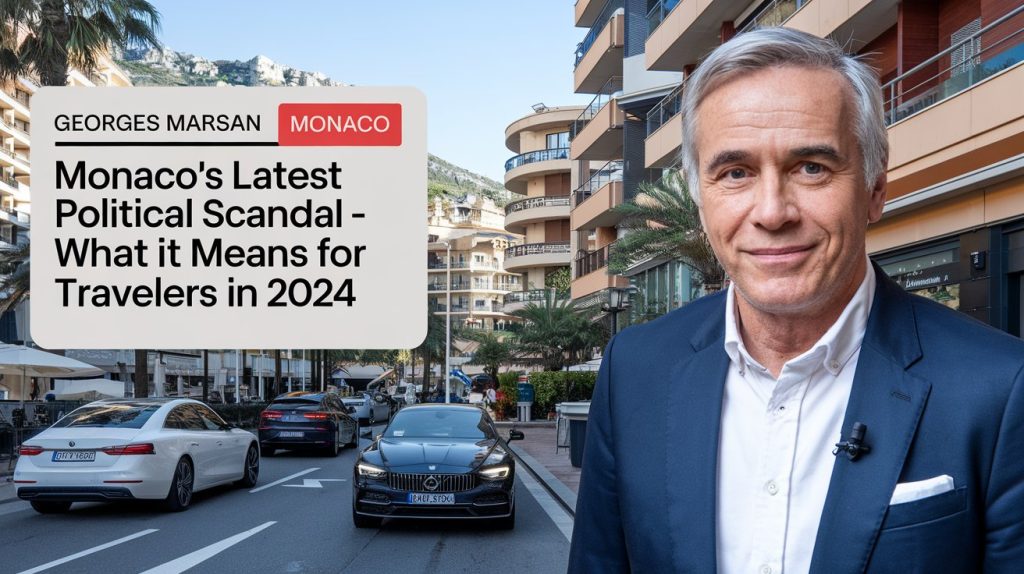
Georges Marsan Monaco
Georges Marsan has been the mayor of Monaco for several years, playing a significant role in shaping the principality’s development and governance. Under his leadership, Monaco has seen substantial growth in its luxury sector, attracting high-profile events and a wealthy clientele. However, his administration is now facing serious allegations that have put its integrity into question.
Monaco has historically prided itself on its reputation for clean governance, making these accusations all the more shocking. The scandal comes at a time when the principality is trying to maintain its image as a safe and attractive destination for travelers and investors alike.
The Charges Against Mayor Georges Marsan
Marsan, along with four other officials, faces serious allegations of corruption related to public contracts and real estate developments. The charges suggest that they misused their positions to secure favorable terms in awarding contracts, leading to concerns about the ethical management of public resources.
Key aspects of the allegations include:
Misappropriation of Funds: Officials allegedly diverted public funds intended for community projects into private ventures.
Favoritism in Contract Awards: The investigation has revealed that certain companies received contracts without going through the standard bidding process, raising red flags about the integrity of the decision-making.
Impact on Local Projects: The mismanagement has reportedly stalled important public projects, affecting infrastructure and community services.
This situation has raised eyebrows among citizens and observers, leading to a growing demand for accountability and transparency.
How the Allegations Came to Light
The scandal emerged following a series of audits and whistleblower reports that highlighted discrepancies in the awarding of public contracts. Investigative journalists also played a crucial role in bringing the matter to light, ensuring that the public remains informed about the situation.
Authorities launched an extensive investigation to delve deeper into the allegations, focusing on the nature of the contracts and the individuals involved. This scrutiny has not only placed the spotlight on Marsan and his administration but has also led to calls for systemic reform to prevent future misconduct.
Treatment of the Case
The case has attracted considerable media attention, both locally and internationally. Investigations have revealed a complex web of relationships between government officials and private enterprises. The legal proceedings are expected to be lengthy and intricate, given the nature of the allegations and the prominent figures involved.
As the legal system in Monaco is put to the test, many are watching closely to see how justice is served. The outcome will likely set a precedent for how similar cases are handled in the future and may impact public trust in local governance.
Current Legal Status
As of now, the legal proceedings are ongoing, with preliminary hearings scheduled in the coming months. The legal framework in Monaco is robust, and while the outcome remains uncertain, the situation is evolving rapidly. Observers are keen to see if Marsan and the other officials will face significant penalties or if the case will lead to further reforms in governance.
Did Mayor Marsan Resign?
Despite mounting pressure, Georges Marsan has not resigned from his position. However, public sentiment is shifting, and calls for his resignation are becoming louder. The stability of his administration hangs in the balance as the investigation unfolds, with many citizens expressing dissatisfaction with the current state of governance.
Community Impact
The scandal has sparked concern among residents about the integrity of local governance and the implications for public services. Citizens are advocating for transparency and accountability in the administration of public funds, fearing that the corruption might lead to a decline in public services and infrastructure maintenance.
Local businesses, which rely on the principality’s reputation, are also affected. The uncertainty surrounding governance may impact investor confidence, which could have broader implications for the economy.
Reactions from Key Stakeholders
Local business leaders, civic groups, and citizens have voiced their concerns, calling for reforms to prevent such corruption from recurring. Many are looking for assurances that Monaco will maintain its reputation for ethical governance. The public sentiment reflects a desire for change and a commitment to restoring trust in local institutions.
The Future of Governance in Monaco
Looking ahead, the scandal raises questions about the future of governance in Monaco. If the allegations are proven true, there may be a significant push for reform in how public contracts are awarded and managed. Increased oversight and transparency measures could become a priority for the government to restore public confidence and ensure that similar incidents do not happen again.
To truly understand the impact of the corruption scandal on the local community, let’s hear from a few residents and travelers who have experienced life in Monaco during this tumultuous time.
Personal Insights & Voices from Monaco about the Scandal
To truly understand the impact of the corruption scandal on the local community, let’s hear from a few residents and travelers who have experienced life in Monaco during this tumultuous time.
A Local’s Perspective: Jean-Pierre, a Business Owner
“As a lifelong resident of Monaco, it’s been disheartening to see the news about our local government. I’ve always believed that our principality was a shining example of good governance. Now, many of us are worried about the future. We need transparency and accountability from our leaders, especially since so many businesses rely on Monaco’s reputation as a safe and stable place for tourists.”
Jean-Pierre’s sentiments echo those of many residents who feel a sense of betrayal and concern for the community’s future. There have been other scandals in Monaco in the past, and one notable example is the Monaco Real Estate Scandal involving Claude Palmero, which raised questions about transparency and accountability in property dealings within the principality.
A Traveler’s Reflection: Emily, an American Tourist
“I visited Monaco this summer, and while I was enamored by its beauty, I couldn’t help but notice a sense of unease among the locals. Conversations often turned to the scandal, and I realized that it’s not just about luxury; it’s about the people and their livelihoods. My experience was still amazing, but it felt important to acknowledge what was happening around me.”
These personal stories highlight the broader impact of the scandal, illustrating how local governance issues resonate with both residents and travelers alike. As visitors engage with the community, they gain a deeper understanding of the challenges faced by those who call Monaco home.
Explore a curated selection of hotels that reflect the charm and integrity of Monaco. Book your stay now and enjoy all that this stunning destination has to offer, while making a positive impact during your visit.
What This Scandal Means for Travelers
Georges Marsan Monaco
Transparency and Monaco’s Global Image
Monaco’s reputation as a luxurious and exclusive destination is now under scrutiny due to the corruption scandal. The principality has built its image on principles of stability and integrity, which makes the current allegations concerning. For travelers, this raises several questions:
Will this affect my travel plans? While the allegations are serious, it’s important to note that Monaco has a vested interest in maintaining its appeal as a tourist destination. The government is likely to take measures to reassure visitors that their experience will remain unaffected.
Is my safety at risk? Travelers can feel secure knowing that Monaco has stringent safety and security measures in place. Despite political turbulence, the principality remains one of the safest places to visit in the world.
The Role of Local Governance in Tourism
Monaco’s local government plays a critical role in maintaining the attractions and services that draw millions of visitors each year. From the iconic Monte Carlo Casino to the breathtaking coastal views, the government’s effective management is crucial for preserving the visitor experience.
Tourist Attractions Remain Unchanged: Key attractions, events, and amenities are expected to operate as usual. The government understands that tourism is essential to the economy and will prioritize maintaining services.
Impact on Future Events: Significant events, such as the Monaco Grand Prix and the Monaco Yacht Show, are vital to the local economy. The government is likely to ensure that these events proceed smoothly, even amid ongoing legal matters.
Reassuring Travelers: The Visitor Experience Remains Unchanged
Despite the political headlines, visitors should feel reassured that the Monaco experience they’ve come to expect—glamorous hotels, pristine beaches, and world-class entertainment—remains unchanged.
High Standards of Service: Monaco is renowned for its exceptional hospitality, and this will continue regardless of the political situation. Visitors can expect the same level of service from hotels, restaurants, and attractions.
Cultural Richness: Visitors can continue to enjoy Monaco’s rich cultural offerings, from the Oceanographic Museum to the Prince’s Palace. The integrity of these experiences is not compromised by the political climate.
Insider Monaco Travel Tips 2024
Stay Informed About Local Developments
Check News Outlets: Regularly check reputable news sources for updates on the corruption case. Being informed will help you understand the local atmosphere and any potential implications for your visit.
Follow Local Blogs and Social Media: Many local influencers and journalists cover developments in Monaco. Following them can provide you with timely insights into how the situation may affect your experience.
Engage with Locals
Talk to Residents: Engage with local residents or staff at hotels and restaurants. They can offer valuable perspectives on how the scandal is impacting daily life in Monaco, and you might get insider recommendations for experiences that showcase the principality’s resilience.
Attend Community Events: Participating in local events or forums discussing governance can give you a deeper understanding of the community’s response to the scandal.
Plan Your Itinerary Wisely
Focus on Cultural Experiences: While high-profile attractions remain popular, consider visiting smaller, community-focused venues that may be working to promote transparency and ethical practices. This can include local art galleries or community markets.
Support Ethical Businesses: Look for businesses that are advocating for reform and transparency. These may include restaurants or shops that are vocal about community welfare or that contribute to local charities.
Safety Precautions
Stay Alert: As the political climate evolves, it’s wise to stay aware of your surroundings and any protests or public gatherings related to the scandal. While Monaco is safe, it’s always good to be cautious.
Understand the Legal Environment: Familiarize yourself with local laws and practices, especially regarding public behavior and protests, as tensions may arise due to the ongoing investigation.
Participate in Responsible Tourism
Advocate for Transparency: If you have opportunities to engage in conversations about local governance, express your support for transparency and ethical practices. Being a responsible traveler means advocating for the places you visit.
Be Respectful: Remember that many locals may be frustrated with the situation. Approach discussions about the scandal with sensitivity and an understanding of its impact on the community.
More Information, Resources & Recommended Books on Governance in Monaco
Local News Sources:
Monaco-Matin: A leading local newspaper offering in-depth coverage of the corruption scandal and its implications for governance and tourism in Monaco.
Radio Monte Carlo: Tune in for news updates and discussions about local events, including political developments and public sentiment.
Recommended Books:
“Corruption: A Very Short Introduction” by Leslie Holmes: While not specific to Monaco, this book provides a broader understanding of corruption globally, helping readers contextualize the ongoing situation in the principality.
The History of Monaco: Where History Meets Luxury by Nuria Rehn and Einar Felix Hansen Discover the captivating history, timeless allure, and enduring legacy of Monaco. From the ancient origins of this glamorous principality to its modern-day prominence on the global stage, delve into the stories and secrets that have shaped Monaco into a symbol of opulence, prestige, and cultural significance.
Documentaries and Films:
“Inside Monaco: Playground of the Rich”: This documentary explores the wealth and governance of Monaco, shedding light on the local culture and how it influences politics.
“The Great Game”: An elegant political thriller that, while fictional, deals with the politics of small nations and can offer a narrative lens to understand corruption.
Online Resources:
Transparency International: Their website provides global insights into corruption, along with reports specific to Monaco that can help travelers understand the implications of governance on tourism.
While the corruption scandal involving Monaco’s Mayor Georges Marsan has created a stir, it has not impacted the core aspects of what makes Monaco a world-class travel destination. Visitors can still enjoy the glamour, security, and opulence that have long been synonymous with the principality, with little to no disruption to their travel plans.
Ultimately, understanding local issues and governance enhances the travel experience. By engaging with the community and being mindful of the current political climate, travelers can forge deeper connections with the places they visit. As you explore Monaco, stay curious about the evolving local headlines and embrace the opportunity to learn from both the beauty and challenges of this unique destination.
Another recent scandal in Monaco about the notorious Thomas Brezzo luxury watch heist, has raised serious concerns about security and governance in the principality. This shocking incident has significant implications for Monaco’s reputation among luxury travelers, underscoring the urgent need for greater accountability and transparency.
Frequently Asked Questions (FAQ)
Q: Is it safe to visit Monaco given the current political situation?
A: Yes, Monaco remains one of the safest places to visit, with strong security measures in place. While it’s always good to be informed about local events, the day-to-day experience for travelers is not expected to change significantly.
Q: How can I learn more about local governance and the corruption scandal?
A: Engage with local news outlets, attend community events, and speak with residents to gain insight into the ongoing situation. Visiting local cafes or community centers can also provide a relaxed atmosphere for discussion.
Q: Are there opportunities to support local businesses affected by the scandal?
A: Absolutely! Look for businesses that advocate for transparency and community welfare, as your support can help them thrive during challenging times. Many local shops and restaurants are vocal about their commitment to ethical practices.
Q: What are some local customs I should be aware of when visiting Monaco?
A: Monaco has a unique blend of French and Italian customs. When greeting someone, a polite handshake is customary, and it’s common to say “Bonjour” during the day or “Bonsoir” in the evening. Dress smartly, especially in upscale areas, as there is an expectation of elegance.
Q: How can I find ethical businesses to support while visiting?
A: Research online for local directories that highlight ethical businesses. Look for establishments that are involved in community projects or those that contribute a portion of their profits to local charities. Engaging with locals can also provide recommendations for businesses that align with your values.
Q: Will the corruption scandal affect my travel plans or tourist attractions?
A: While the allegations are serious, the government has a vested interest in maintaining its appeal as a tourist destination. Key attractions, events, and amenities are expected to operate as usual, so your travel plans should remain largely unaffected.
Q: How should I approach conversations about the political situation with locals?
A: It’s best to approach such conversations with sensitivity and respect. Many locals may have strong feelings about the scandal, so listening and expressing genuine interest can lead to insightful discussions. Avoid making assumptions, and be open to diverse perspectives.
Q: Are there any community events focused on governance or transparency that I can attend?
A: Yes, keep an eye on local news and social media for announcements about public forums, discussions, or community meetings. Engaging in these events will give you a deeper understanding of local issues and allow you to connect with residents who share your interest in transparency and ethics.
Where to Go from Here: Your Next Step
If you’re planning a trip to Monaco, staying informed about local news and developments is essential. Engaging with the community not only enriches your experience but also fosters a sense of responsibility toward the places you visit.
Here are some proactive steps you can take to engage meaningfully with the community:
Stay Informed: Regularly check local news sources and follow social media accounts of journalists reporting on the corruption scandal. Knowledge is power, and being aware of current events can enhance your understanding of the local climate.
Engage with the Community: Attend local events or forums that discuss governance and community issues. This not only gives you insights into how locals are responding to the scandal but also allows you to connect with residents and share your thoughts.
Support Ethical Businesses: Seek out local businesses that advocate for transparency and ethical practices. By choosing to spend your money at establishments committed to integrity, you’re helping foster a culture of accountability.
Participate in Discussions: If the opportunity arises, engage locals in conversation about their views on the scandal and the future of Monaco. Approach these discussions with respect and an open mind; you’ll gain valuable perspectives that enrich your travel experience.
By taking these steps, you can not only enjoy all that Monaco has to offer but also play a part in supporting the local community and advocating for positive change.
Share Your Experience
Have you traveled to Monaco recently? Did the political climate influence your trip in any way? We’d love to hear your stories! Share your experiences and thoughts on how the current situation affected your visit. Your insights can help other travelers understand what to expect in this fascinating destination.
As you explore the enchanting streets of Monaco, remember that your voice matters. How do you feel about the recent political scandal and its impact on your travel experience? Share your thoughts and experiences with me!
Join my online community discussion, and let’s work together to promote ethical tourism and support local businesses in Monaco. Your insights can inspire others and truly make a difference.
Your insights about how the scandal affected your trip can provide valuable information for other travelers and contribute to ongoing conversations about governance and tourism in Monaco.
Affiliate Disclaimer:
This article may contain affiliate links, which means I may earn a small commission at no extra cost to you if you make a purchase through those links. These commissions help support the content I create and allow me to continue providing valuable information. I only recommend products and services that I believe will add value to my readers and that I use myself. Thank you for your support!