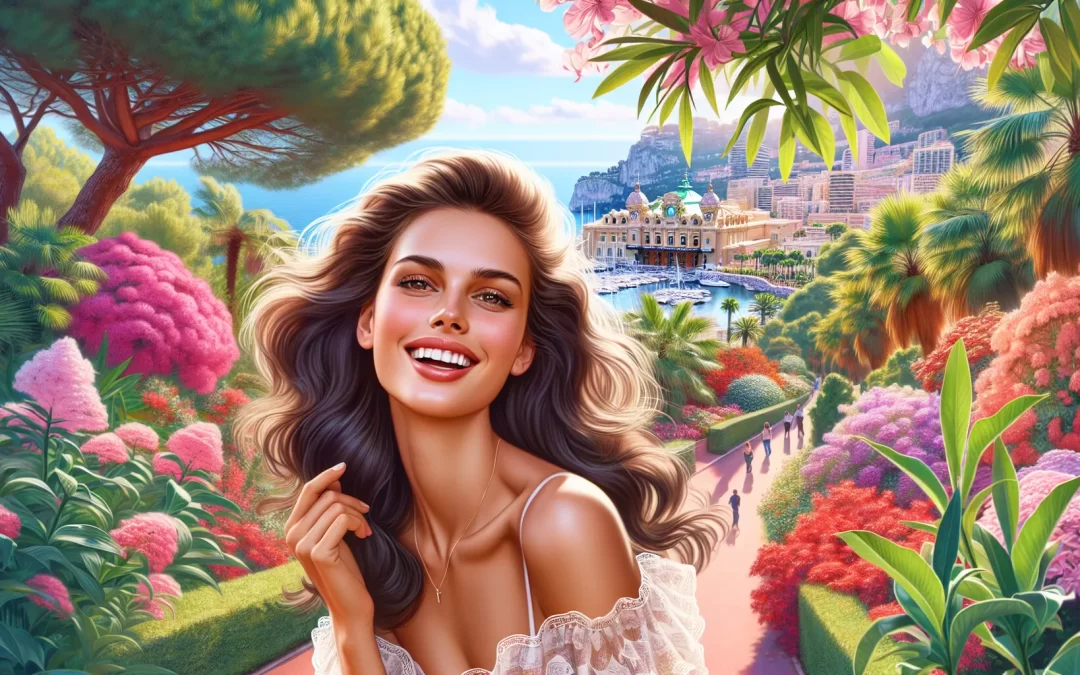
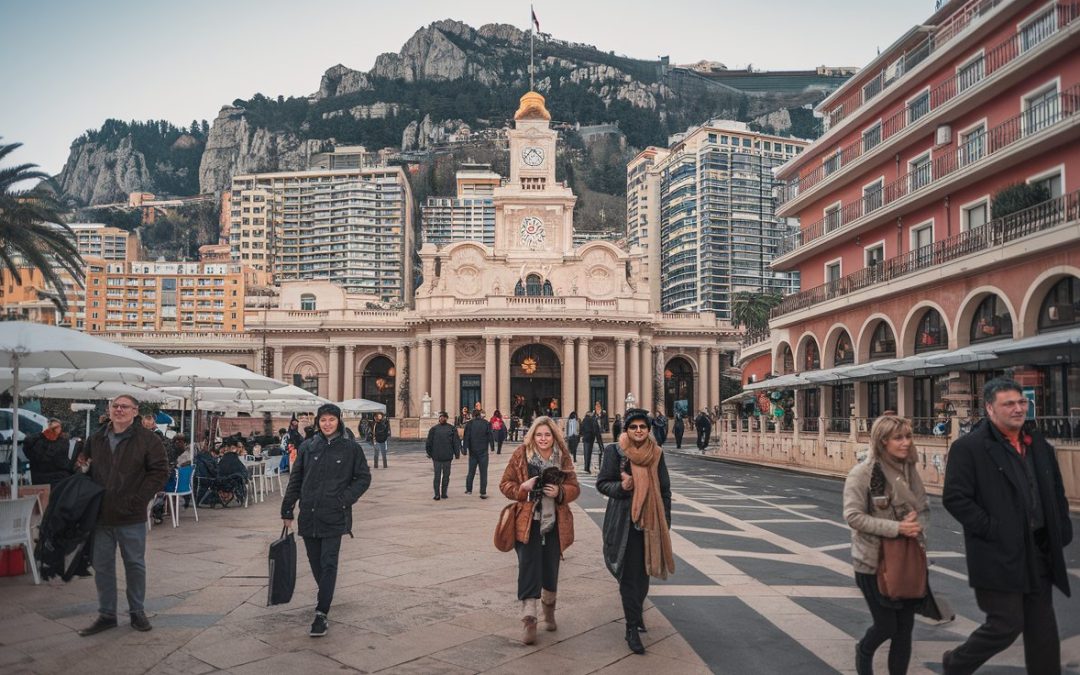
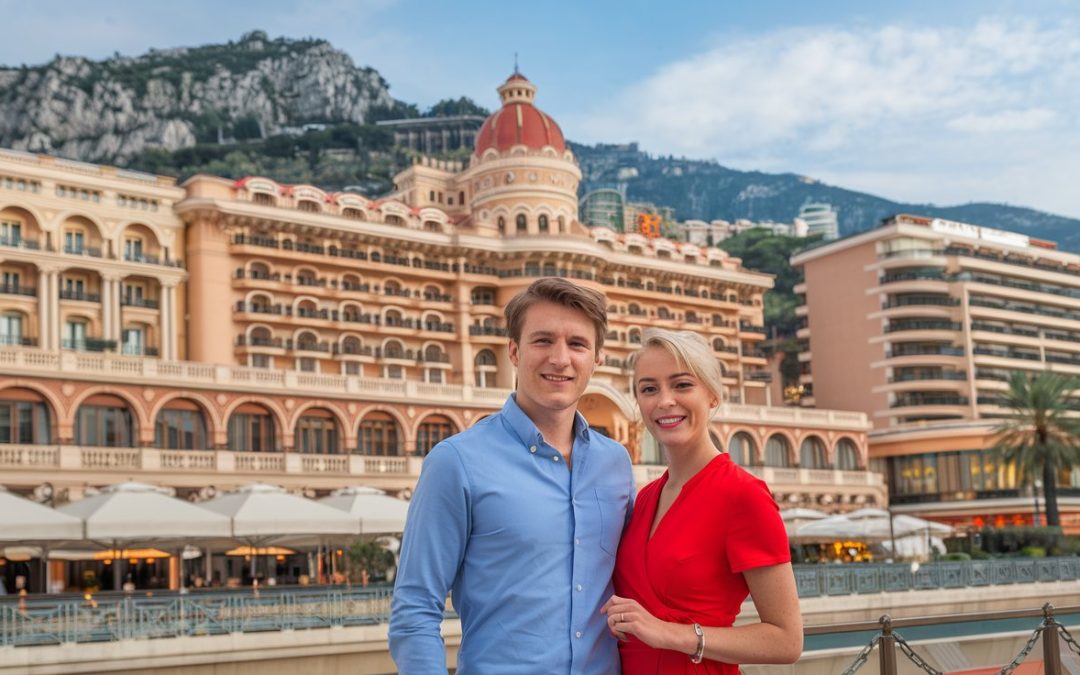
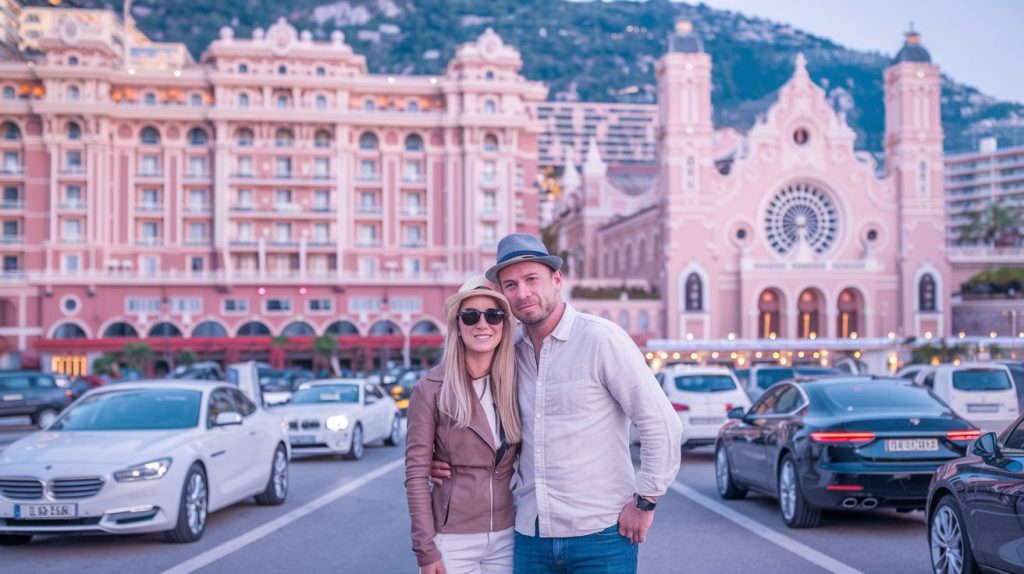
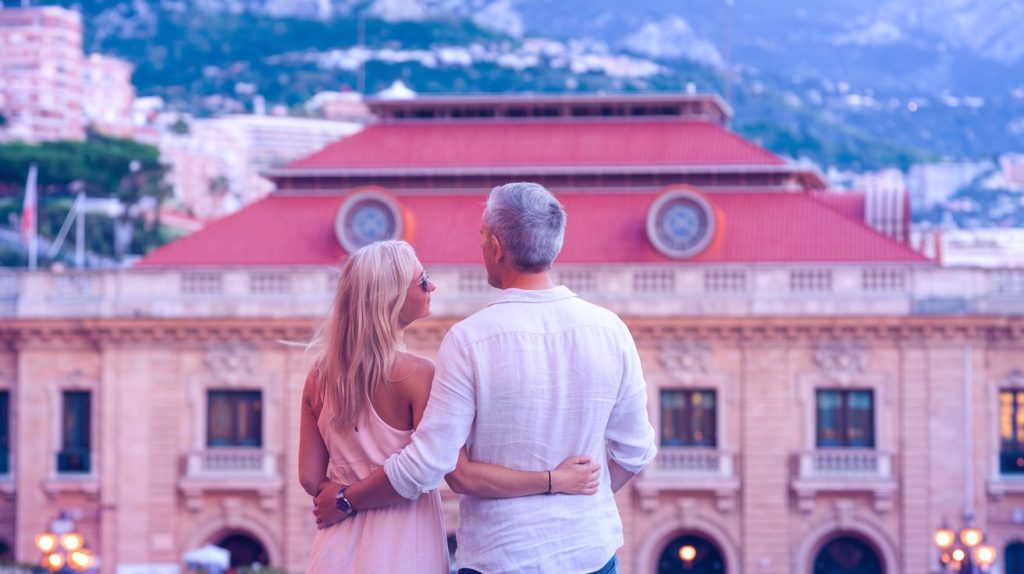
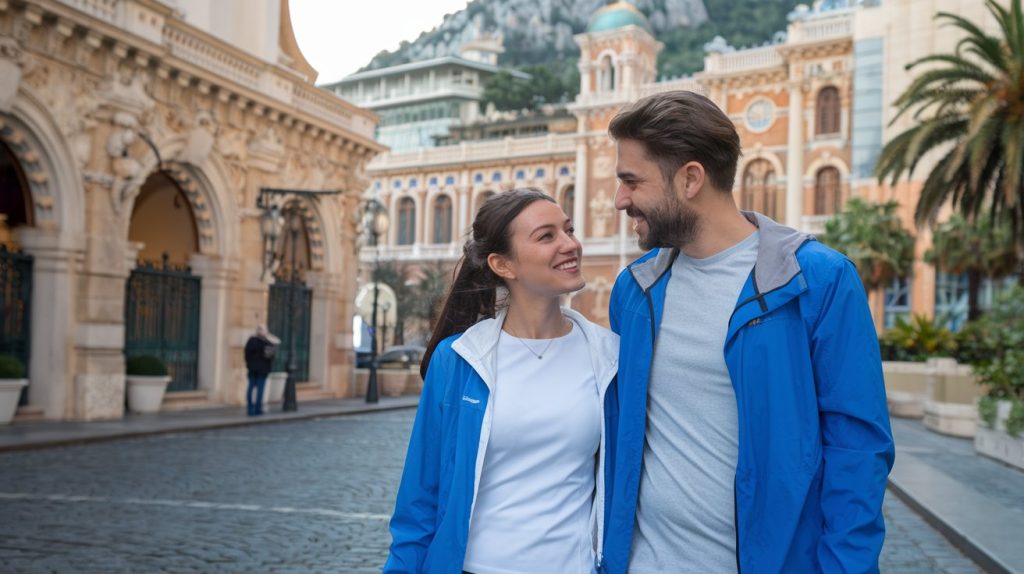
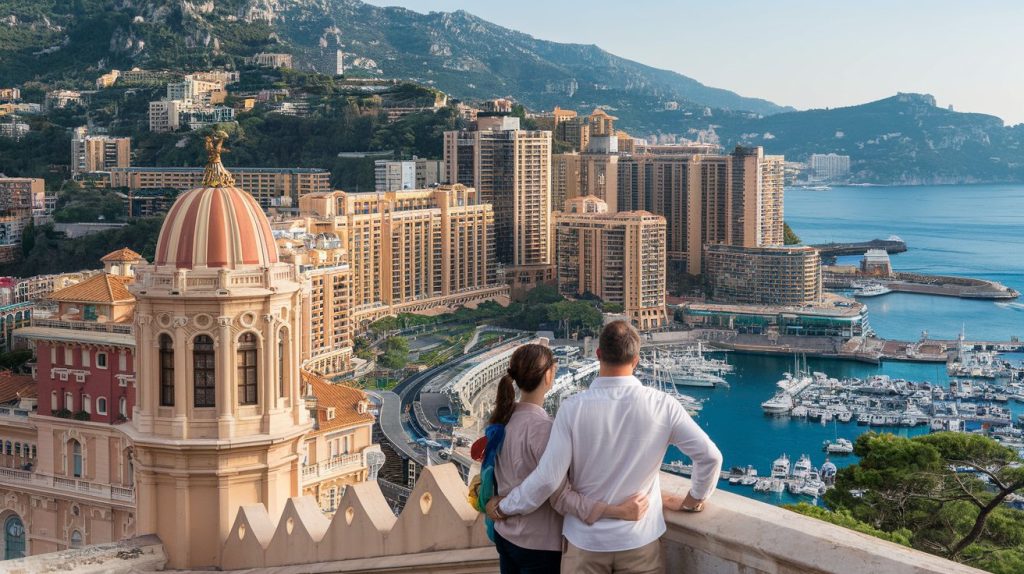
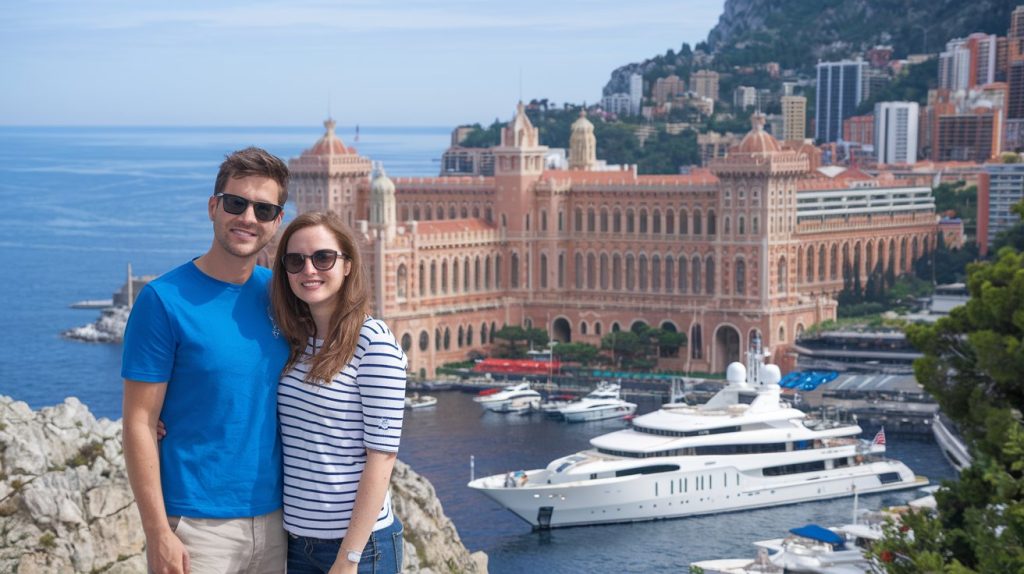
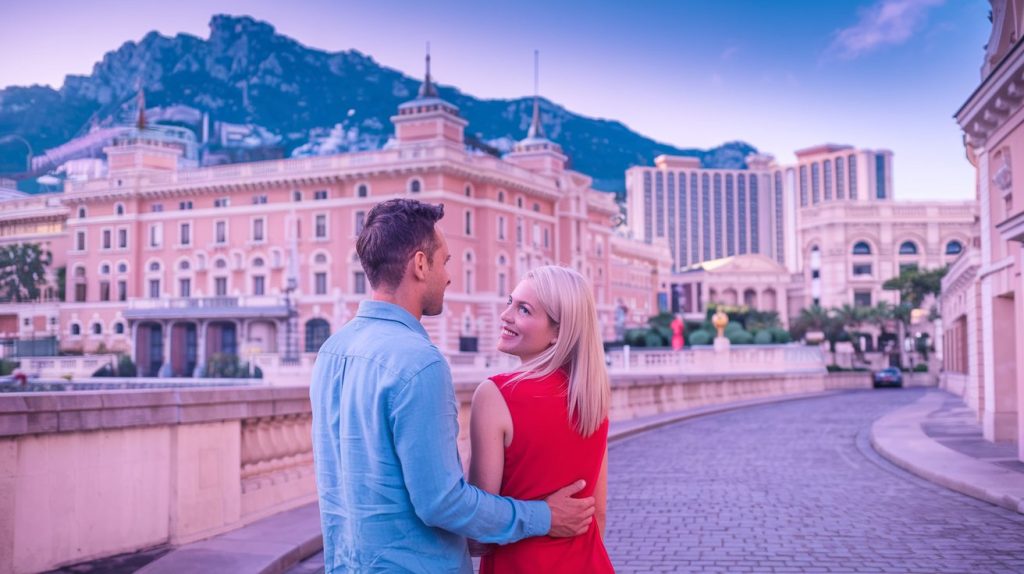
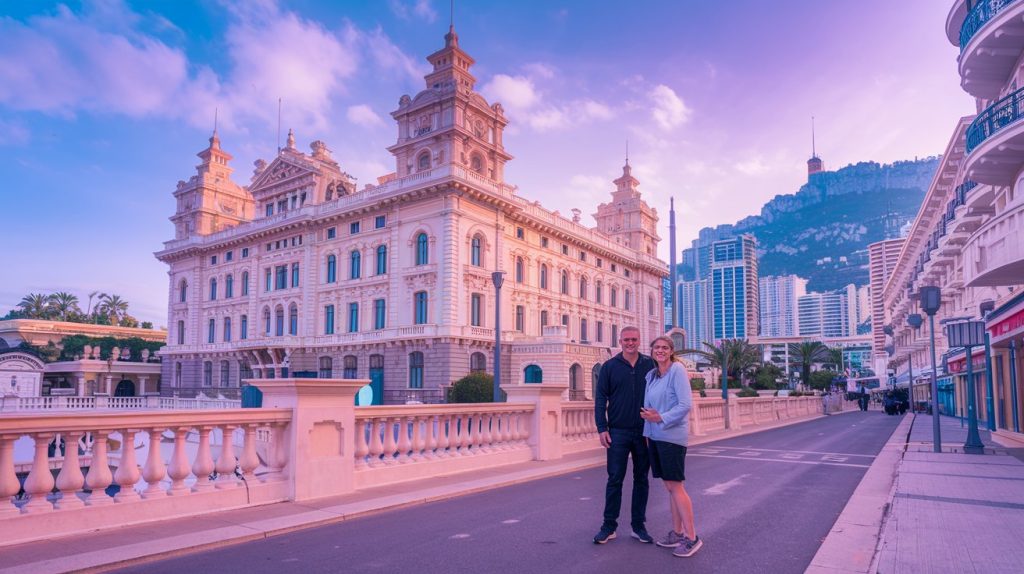
Explore Iconic Attractions: Don’t miss the Monte Carlo Casino, the historic old town of Monaco-Ville, and the stunning Exotic Garden for a blend of glamour and natural beauty.
Indulge in Local Cuisine: Experience Monaco’s vibrant culinary scene with fine dining at outdoor cafés and attending local food festivals showcasing fresh, seasonal dishes.
Enjoy Outdoor Activities: Spring is perfect for leisurely walks along the Mediterranean coast, participating in water sports, or joining outdoor yoga sessions to appreciate the scenic views.
Attend Major Events: Be part of the excitement at the Monaco Grand Prix and the Monaco Arts Festival, experiencing thrilling races and cultural performances throughout the season.
Discover Rich History: Wander through historic districts, like Monaco-Ville and Fontvieille, to explore ancient architecture, royal heritage, and contemporary attractions.
Savor the Garden Beauty: Take advantage of the spring blooms by visiting stunning gardens, such as the Princess Grace Rose Garden and the Exotic Garden, for peaceful walks and picturesque photo opportunities.
Spring in Monaco is nothing short of magical. As the chill of winter fades away, the sun begins to warm the stunning Mediterranean landscape, inviting visitors to explore this glamorous destination. With blooming flowers and vibrant events, Monaco transforms into a lively playground for travelers seeking both relaxation and adventure.
From the iconic Monte Carlo Casino to the picturesque streets of the old town, there’s no shortage of things to do. Whether it’s indulging in fine dining, enjoying a stroll along the harbor, or attending the famous Monaco Grand Prix, spring offers a unique charm that captivates everyone. Discover the best activities and hidden gems that make Monaco a must-visit during this enchanting season.
What to Do in Monaco in Spring: A Seasonal Guide
Explore the Monte Carlo Casino
Explore the iconic Monte Carlo Casino, a hallmark of glamour and luxury. Its stunning architecture and lavish interiors provide a perfect backdrop for gaming or simply soaking in the atmosphere. Visitors can admire the Belle Époque design and enjoy an afternoon coffee in the nearby Café de Paris.
Stroll Through the Old Town
Stroll through Monaco’s charming old town, known as Monaco-Ville. Its narrow streets are lined with quaint shops and cafés. Guests can stop by the Prince’s Palace to witness the changing of the guard ceremony, which occurs daily at 11:55 AM.
Visit the Exotic Garden
Visit the Exotic Garden of Monaco, showcasing a range of fascinating succulent plants. The garden offers breathtaking views of the coastline, making it an ideal spot for spring photos. Enjoy the tranquil ambiance and the vibrant colors of the blooming flora that spring brings.
Enjoy Fine Dining
Enjoy fine dining in Monaco’s diverse culinary scene. Spring inspires many restaurants to curate seasonal menus featuring fresh, local ingredients. Guests can savor everything from traditional Mediterranean dishes to innovative gastronomy prepared by renowned chefs.
Walk Along the Harbor
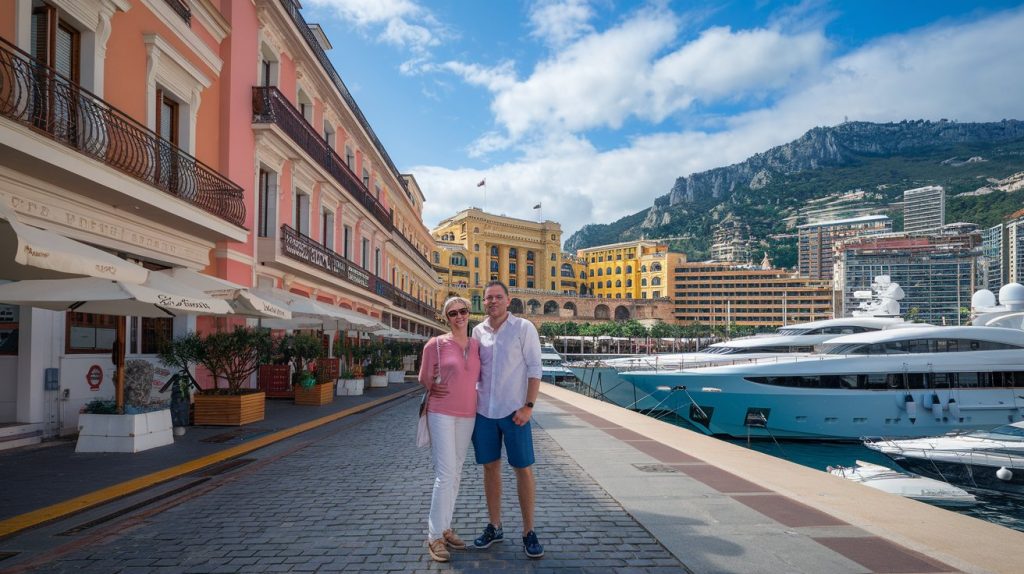
Walk along the picturesque harbor and marvel at the luxurious yachts. Spring weather invites leisurely strolls or a chance to indulge in an ice cream while enjoying the sun. Visitors can also take a boat tour to see the coastline from a different angle.
Attend the Monaco Grand Prix
Attend the thrilling Monaco Grand Prix, happening in late May. The race transforms the streets into an exhilarating track for Formula 1 enthusiasts. Guests can experience the electrifying atmosphere, filled with excitement and high-speed action.
Experience the Monaco Arts Festival
Experience the Monaco Arts Festival, typically held in Spring. The festival features various performances from local and international artists. Visitors can enjoy a blend of music, dance, and visual arts, making it a delightful cultural experience.
Discover the Oceanographic Museum
Discover the Oceanographic Museum, a stunning structure overlooking the sea. The museum’s extensive marine collection highlights the beauty of underwater life. Springtime visits allow guests to explore various exhibits and learn about ocean conservation.
Attend the Semaines Musicales
Attend the Semaines Musicales, a series of spring concerts that feature classical music performances. The concerts take place in historic venues, providing an intimate setting for music lovers. It’s a fantastic way to enjoy world-class talent while surrounded by Monaco’s rich culture.
Join Outdoor Yoga Sessions
Join outdoor yoga sessions that occur in various scenic locations around Monaco. Spring’s pleasant weather makes it an enjoyable experience to practice mindfulness while appreciating the stunning Mediterranean views. Many classes cater to all skill levels, welcoming both locals and visitors.
Explore the Stunning Gardens
Monaco’s spring season showcases breathtaking gardens that burst with color and fragrance. Nature lovers will find these tranquil spots perfect for relaxation and outdoor exploration.
Visit the Exotic Garden of Monaco
Visitors should not miss the Exotic Garden of Monaco, a unique botanical haven perched on a cliff with expansive views of the Mediterranean Sea. It hosts over 1,000 species of succulent plants and cacti, all thriving in its sun-drenched environment. Walking through the garden, guests can admire the vibrant blooms and the carefully arranged pathways that wind through diverse flora. The garden also features a remarkable grotto and a prehistoric museum showcasing fossils, adding an educational element to its beauty. Spring is an ideal time to visit, as the warmer weather brings blooms to life and the crisp air enhances the garden’s enchanting atmosphere.
Stroll Through the Princess Grace Rose Garden
Strolling through the Princess Grace Rose Garden offers a serene experience filled with the sweet scent of roses and lush greenery. This beautifully landscaped garden was created in honor of Princess Grace of Monaco and features over 4,000 rose bushes in various colors and species. Visitors can take leisurely walks along the winding paths, stopping to appreciate the carefully curated floral displays that bloom vibrantly in spring. Benches scattered throughout provide perfect spots for relaxation and reflection. With its tranquil ambiance and scenic views, the Princess Grace Rose Garden invites all to unwind and enjoy nature’s beauty during their Monaco spring visit.
Experience the Monaco Grand Prix
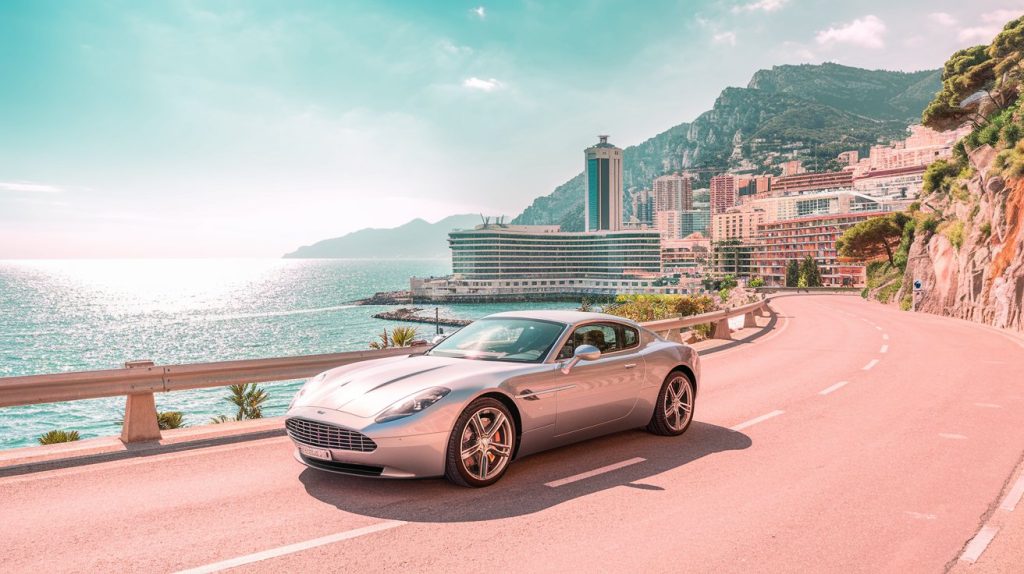
Spring in Monaco means it’s time for the world-famous Monaco Grand Prix, an exhilarating event that draws motorsport fans from around the globe. Visitors can immerse themselves in the thrilling atmosphere of Formula One racing against the stunning backdrop of this glamorous city-state.
Attend the Formula One Qualifying Races
Visitors can watch the Formula One qualifying races, a key aspect of the Monaco Grand Prix weekend. He or she will experience the electric excitement as drivers compete for pole position on the narrow, winding streets. The best spots to catch the action include the famous tunnel and Monte Carlo Casino, where fans can feel the pulse of the race. To maximize the experience, guests can purchase grandstand tickets or opt for hospitality packages, which offer gourmet catering while providing unbeatable views. It’s an unforgettable way to witness the precision and skill of F1 drivers as they navigate the legendary circuit.
Enjoy the Festivities and Events
Guests can enjoy a wealth of festivities and events surrounding the Monaco Grand Prix that make the weekend even more special. He or she should explore the vibrant atmosphere filled with street parties, live music, and dazzling entertainment. From glamorous cocktail parties at luxurious hotels to diverse food stalls offering local delicacies, there’s something for everyone. Many fans also participate in the legendary car parade, featuring classic and modern vehicles that add extra flair to the celebration. Captivating events elevate the energy of this iconic race, making it a fantastic time to be in Monaco.
Wander Through the Historic Districts
Springtime in Monaco is perfect for exploring its rich history, especially in its picturesque districts. Visitors can lose themselves in charming streets, ancient architecture, and a vibrant culture that tells fascinating stories.
Discover the Old Town of Monaco-Ville
Monaco-Ville offers a unique glimpse into the principality’s past. This historic district, perched on a rocky outcrop, is home to the iconic Prince’s Palace, the official residence of Monaco’s royal family. Wander through narrow cobblestone streets and admire stunning architectural gems, such as the Saint Nicholas Cathedral and the Oceanographic Museum. Don’t miss the majestic views of the Mediterranean from the palace terraces. Spring brings colorful flowers that enhance the beauty of the area, making it an idyllic spot for leisurely strolls. Cafés and boutiques line the streets, providing a perfect spot to relax with a pastry or a refreshing drink while soaking in the atmosphere.
Explore the Fontvieille District
Fontvieille showcases a modern side of Monaco while still embracing its history. Set against the backdrop of soaring cliffs, this district features the picturesque Fontvieille Harbor, where yachts and stunning views abound. Visit the Heritage Garden, which offers a tranquil escape with its lush greenery and vibrant flowers, particularly beautiful in spring. Explore the Chapiteau de Monaco, a renowned venue for circus performances and events. The district is also home to the unique Monaco Automobile Museum, which displays an impressive collection of vintage cars, including those once owned by Prince Rainier III. Fontvieille is a delightful blend of modernity and tradition, creating an inviting atmosphere for visitors.
Enjoy Outdoor Activities
Spring in Monaco is the perfect time to embrace the outdoors and experience the stunning coastal beauty. With pleasant weather and vibrant surroundings, visitors can partake in a variety of outdoor activities.
Take a Leisurely Walk Along the Mediterranean Coast
Walking along the Mediterranean coast offers a serene escape while soaking in spectacular views. Visitors can stroll the scenic paths that wind along the coastline, taking in the refreshing sea breeze and beautiful scenery. The iconic Promenade des Anglais is a must-see spot, where vibrant flowers and palm trees line the walkway, creating an inviting atmosphere. Many enjoy stopping at charming cafes for a refreshing drink or light snack. With plenty of photo opportunities, capturing memorable moments is easy. As travelers wander, they might also discover hidden coves and picturesque beaches perfect for a little sunbathing. Exploring the coast not only provides relaxation but also a chance to connect with Monaco’s natural beauty.
Indulge in Water Sports and Beach Activities
Engaging in water sports and beach activities is a fantastic way to make the most of spring in Monaco. With clear, turquoise waters, visitors can try thrilling activities like jet skiing, paddleboarding, or kayaking. Rental options are abundant, making it easy for everyone to join in on the fun. Scuba diving enthusiasts can explore the stunning underwater world, marveling at colorful marine life among the rocky reefs. For those who prefer a more relaxed experience, lounging on the sandy beaches and basking in the sun is a perfect way to unwind. Families can also enjoy beach games and picnics, creating lasting memories together. With a mix of adventure and leisure, Monaco’s vibrant coastline offers something for everyone in spring.
Savor the Local Cuisine
Monaco’s culinary scene comes alive in spring, offering delightful flavors and fresh ingredients that reflect the region’s Mediterranean essence.
Dine at Outdoor Cafés and Restaurants
Diners can bask in the pleasant spring weather at outdoor cafés and restaurants throughout Monaco. Many spots, like Café de Paris and La Rascasse, offer stunning views of the harbor and the bustling streets. Guests can savor delicious dishes featuring local seafood, fresh vegetables, and aromatic herbs. Popular dishes include Barbajuan, a savory pastry filled with Swiss chard and ricotta, and Socca, a chickpea pancake that’s simply irresistible. Each meal is enhanced by the vibrant atmosphere and the sounds of laughter and conversation, making dining an experience in itself. As the sun sets, the ambiance turns magical, and visitors can indulge in exquisite wines that pair perfectly with their meals. Outdoor dining in Monaco really celebrates the beautiful weather and the region’s rich culinary offerings.
Attend Food Festivals and Markets
Visitors can immerse themselves in Monaco’s vibrant culinary culture by attending local food festivals and markets during spring. Celebrated events, such as the Monaco Gastronomy Festival, draw food lovers together to explore an array of gourmet delicacies. Chefs showcase their skills through cooking demonstrations and tastings, allowing attendees to sample traditional Monegasque cuisine. Additionally, the Marché de la Condamine is a must-visit for fresh produce, artisanal cheeses, and homemade delicacies. Vendors passionately share their culinary secrets and offer visitors the chance to purchase unique ingredients to take home. Engaging with local chefs and artisans creates a deeper appreciation for Monaco’s culinary heritage, making it a delightful experience for all food enthusiasts.
Attend Cultural Events and Festivals
Monaco springs to life with a variety of cultural events and festivals. Visitors can immerse themselves in the vibrant atmosphere, celebrating the arts and local traditions.
Enjoy Concerts and Performances at the Opera de Monte-Carlo
Attendees can delight in exceptional concerts and performances at the Opera de Monte-Carlo during spring. The opera house, a renowned architectural gem, hosts a variety of performances, from classical operas to ballet. Visitors often find themselves captivated by the world-class talent that graces the stage, making it a cultural hotspot. It’s advisable to check the schedule for any spring performances and reserve tickets ahead of time. Whether you’re a seasoned opera aficionado or a curious first-timer, the ambiance of this historic venue enhances every performance, providing a thrilling cultural experience in Monaco.
Conclusion
Spring in Monaco offers a delightful blend of beauty and excitement. The vibrant atmosphere invites visitors to explore its stunning gardens and historic streets while indulging in the culinary delights available at outdoor cafés.
With thrilling events like the Monaco Grand Prix and the lively cultural festivals, there’s never a dull moment. Whether it’s relaxing by the harbor or engaging in outdoor activities along the coastline, Monaco provides a perfect backdrop for unforgettable experiences.
As the flowers bloom and the sun shines, this enchanting destination truly comes alive, making it an ideal spring getaway for everyone.
Frequently Asked Questions
What makes spring in Monaco special?
Spring in Monaco is enchanting due to the blooming flowers, vibrant events, and pleasant weather. Visitors can enjoy picturesque harbor strolls, fine dining, and exciting activities like the Monaco Grand Prix. The charming atmosphere is perfect for both relaxation and adventure.
What are the top attractions to visit in Monaco during spring?
Must-visit attractions include the Monte Carlo Casino, Monaco-Ville’s quaint streets, and the Exotic Garden. Visitors should also experience the Monaco Grand Prix and stroll along the harbor to admire luxurious yachts and stunning views.
What events take place in Monaco during the spring?
Key events in spring include the Monaco Grand Prix, Monaco Arts Festival, and Semaines Musicales. These events showcase local and international talent, along with a lively atmosphere of street parties and live music.
Are there outdoor activities to enjoy in Monaco during spring?
Yes, visitors can explore outdoor activities like yoga sessions, walking along the Mediterranean coastline, and engaging in water sports such as jet skiing and paddleboarding, all of which enhance the vibrant spring experience.
What dining options are available in Monaco in spring?
Monaco’s culinary scene flourishes in spring, with outdoor cafés and restaurants like Café de Paris and La Rascasse. Seasonal menus feature fresh seafood and local dishes, and food festivals, like the Monaco Gastronomy Festival, provide delightful culinary experiences.
What is the Exotic Garden of Monaco?
The Exotic Garden is a stunning botanical haven featuring over 1,000 species of succulents and cacti. It offers breathtaking views of the Mediterranean Sea and has winding pathways, a grotto, and a prehistoric museum for visitors to explore.
What should I know about the Monaco Grand Prix?
The Monaco Grand Prix is a renowned Formula One racing event that draws fans worldwide. The best viewing spots include the Monte Carlo Casino and famous tunnel. Tickets for grandstand seating or hospitality packages enhance the experience.
Where can I learn about Monaco’s history?
Monaco-Ville is the perfect place to explore the principality’s history, featuring the Prince’s Palace, Saint Nicholas Cathedral, and the Oceanographic Museum. The cobblestone streets adorned with flowers create a beautiful atmosphere for leisurely exploration.
Enjoy Monaco’s luxury and tranquility in January, avoiding the summer crowds while exploring iconic sites.
Visit the Monte Carlo Casino and Prince’s Palace to experience Monaco’s rich history and elegant architecture.
Participate in winter activities like skiing in nearby French Alps resorts and ice skating at local rinks.
Attend exclusive events such as the Monaco Yacht Show and various cultural festivals for unique experiences.
Indulge in Monaco’s vibrant culinary scene, including Michelin-starred restaurants, gourmet food tours, and local markets.
Shop at upscale boutiques and high-end stores, taking advantage of a relaxed shopping environment in January.
Monaco in January offers a unique blend of luxury and tranquility. As the winter chill settles in, visitors can explore serene streets and enjoy stunning Mediterranean views without the usual summer crowds. It’s the perfect time to experience the principality’s elegant charm at a more relaxed pace.
From strolling along the famous marina to visiting the iconic Monte Carlo Casino, there’s plenty to keep travelers entertained. January also hosts various winter events and exhibitions, showcasing Monaco’s rich cultural scene. Whether seeking peaceful escapes or exciting adventures, Monaco in January has something for everyone.
Who Should Read this Article?
1. Luxury Travelers and Vacationers
People seeking a sophisticated, luxurious getaway will find this article particularly helpful. It highlights the best hotels, spas, and exclusive experiences that Monaco offers in January, making it a perfect guide for those looking to indulge in a high-end holiday.
2. Cultural Enthusiasts and History Buffs
Monaco’s rich cultural history and vibrant events calendar make it an appealing destination for visitors who enjoy exploring art, history, and local traditions. This article touches on local markets, the Prince’s Palace, and other cultural experiences, providing inspiration for those wanting to immerse themselves in the Principality’s heritage.
3. Winter Vacationers Seeking Mild Weather
Travelers looking to escape colder climates during the winter months will appreciate Monaco’s mild weather in January, which is highlighted in the article. It’s a great option for those looking to enjoy Mediterranean sunshine without the intense crowds of peak summer seasons.
4. Adventure Seekers and Day-Trippers
For those interested in exploring beyond Monaco’s borders, this article offers ideas for day trips to nearby towns in the French Riviera and Italy, along with practical information on how to get around. It’s perfect for visitors looking to explore more of the region during their stay.
5. Wellness and Relaxation Seekers
Individuals interested in self-care and wellness will appreciate the section dedicated to relaxation, spas, and wellness experiences. Monaco’s luxury spa offerings, including hydrotherapy, massages, and yoga, are highlighted as ideal activities for unwinding during a January getaway.
6. First-Time Visitors to Monaco
Anyone planning their first visit to Monaco will find this article useful, as it covers practical information on getting around, accommodation options, and essential tips for navigating the Principality. It’s a comprehensive guide for those new to the destination.
7. Romantic Couples and Honeymooners
Monaco’s romantic ambiance, luxurious experiences, and scenic Mediterranean views make it an ideal destination for couples and honeymooners. The article offers tips for intimate getaways, including relaxing seaside cafes, private wellness treatments, and unique local experiences.
8. Event Attendees
For those attending specific events in Monaco, such as the Monte-Carlo Jazz Festival or the International Circus Festival, the article offers useful insights into when to visit and what to expect during these events in January.
Practical Information: Essential Tips for Your January Trip to Monaco
Monaco, with its glamorous lifestyle and rich culture, offers a unique and unforgettable experience year-round. However, like any destination, certain factors such as weather, events, and local customs can influence your visit. Here’s everything you need to know to make the most of your January trip to the Principality.
Best Time to Visit Monaco in January
While Monaco is a year-round destination, January offers a unique atmosphere that appeals to those looking for a quieter, more relaxed experience. Here’s why January is a great time to visit:
Weather: January in Monaco is mild compared to much of Europe, but it can still be chilly. Average temperatures range from 8°C (46°F) in the mornings to 15°C (59°F) during the day. Although it’s not beach weather, it’s ideal for strolling along the harbor, visiting cultural sites, or enjoying a peaceful spa day. The winter months are also less crowded, allowing for a more intimate experience.
Events: While Monaco’s calendar in January is quieter compared to peak seasons, it still offers cultural events and luxurious experiences. The Monte-Carlo Jazz Festival and exclusive events like the International Circus Festival bring life to the city during this time. It’s also a great time to visit museums and enjoy the serene atmosphere.
Tips for Packing
When packing for your trip to Monaco in January, consider the mild but sometimes unpredictable winter weather. Here are some essentials:
Light Layers: While the temperature remains relatively mild, it can drop in the evenings. Pack a light jacket or sweater, as well as a few layers to stay comfortable. A warm coat or jacket will be necessary for evenings out or visits to higher altitudes.
Comfortable Shoes: Monaco is best explored on foot, so pack comfortable walking shoes, especially if you plan on visiting the historic districts or exploring the many gardens and viewpoints.
Umbrella & Sunglasses: January may bring occasional rain showers, so a small, portable umbrella is a good idea. You may also want to pack sunglasses for the bright, sunny days when the weather is clear.
Evening Attire: Monaco is known for its sophisticated nightlife and dining scene. If you plan to visit the famous Monte Carlo Casino or dine at upscale restaurants, don’t forget to bring smart evening attire, such as a dress or jacket for men.
Currency & Tipping
Currency: Monaco is part of the Eurozone, so the currency used is the Euro (€). You’ll find plenty of ATMs throughout the Principality, and most major credit cards are accepted in hotels, shops, and restaurants.
Tipping: Tipping is not obligatory in Monaco, but it is appreciated. In restaurants, a service charge is often included in the bill (usually around 15%), but it’s customary to leave a small tip if you’ve received excellent service—typically rounding up the bill or leaving 5-10%. For taxis, rounding up the fare or leaving a tip of 5-10% is standard. Hotel staff also appreciate tips for concierge or housekeeping services.
Visa Requirements for International Travelers
Monaco does not have its own visa policy as it is a part of the Schengen Area. This means that the visa requirements for Monaco are the same as those for France and other Schengen countries.
EU/EEA/Swiss Citizens: Citizens of the European Union (EU), European Economic Area (EEA), or Switzerland do not require a visa to visit Monaco.
Non-EU Citizens: Travelers from non-EU countries may need a Schengen visa to enter Monaco. It is recommended to apply for a visa through the French consulate or embassy in your home country, as Monaco does not have its own diplomatic missions. Once granted, this visa allows entry to all Schengen Zone countries, including Monaco.
Useful Resources for Planning Your Trip
To help plan your trip and stay informed about local events, accommodations, and services, consider checking out the following resources:
Official Monaco Tourism Website: For the latest information on attractions, events, and recommendations, visit the official Monaco tourism website at www.visitmonaco.com. This site offers detailed guides on everything from luxury hotels to cultural events, ensuring you have the best experience possible.
Monaco Transport Website: If you’re planning to use public transportation, check out the Monaco Bus and Train Service for up-to-date schedules and route maps.
Weather Information: For real-time weather updates and forecasts, you can refer to weather websites like Weather.com or the local Monaco weather stations.
Safety and Health Tips
Monaco is considered one of the safest destinations in Europe, with low crime rates and excellent healthcare services. However, it’s always a good idea to be mindful of your belongings, especially in busy tourist areas like Monte Carlo.
Travel Insurance: It’s recommended to purchase travel insurance that covers health, accidents, and unexpected cancellations. This can give you peace of mind during your trip.
Emergency Numbers: The emergency number for police and medical services in Monaco is 112, which works throughout the European Union.
With this practical information in hand, you’ll be well-equipped to make the most of your trip to Monaco in January. Whether you’re exploring the glamorous streets, relaxing at a luxurious spa, or enjoying a cozy café with sea views, Monaco promises a memorable and sophisticated experience.
1. Explore Monte Carlo Casino
Visiting the Monte Carlo Casino in January offers a unique and luxurious experience away from the summer crowds. This iconic landmark combines stunning architecture with a rich gaming history, making it a must-see attraction.
Admire the Architecture
Marvel at the casino’s Belle Époque design, featuring intricate frescoes and ornate details. The grand staircase and elegant halls provide perfect photo opportunities for visitors seeking to capture Monaco’s opulence.
Try Your Luck at the Tables
Whether you’re a seasoned gambler or a curious beginner, the casino offers a variety of games. Enjoy classics like blackjack, roulette, and baccarat, or try your hand at poker in a sophisticated setting.
Attend a Show or Event
Monte Carlo Casino often hosts exclusive events and performances, especially during the quieter January months. Check the schedule for live music, theatrical performances, or special themed nights to enhance your visit.
Dine in Style
Experience fine dining at one of the casino’s upscale restaurants. Indulge in gourmet cuisine while enjoying panoramic views of the Mediterranean Sea, perfect for a memorable evening out.
Visit the Casino Gardens
Take a leisurely stroll through the beautifully landscaped gardens surrounding the casino. January’s mild weather makes it an ideal time to enjoy the serene environment and picturesque scenery.
Learn About the History
Join a guided tour to delve into the casino’s fascinating history. Discover stories of famous visitors, legendary gamblers, and the casino’s role in Monaco’s development as a luxury destination.
Shop for Exclusive Souvenirs
Browse the boutique shops for unique souvenirs and high-end fashion. From designer brands to exquisite jewelry, you’ll find the perfect keepsake to remember your visit to Monte Carlo Casino.
Enjoy Nightlife and Entertainment
After a thrilling evening at the tables, explore the nearby nightlife. Monaco offers a range of bars and lounges where you can unwind with a cocktail and reflect on your casino adventures.
Relax in Luxury
Monte Carlo Casino provides VIP services for those seeking an elevated experience. Book a private gaming room or enjoy personalized service to make your visit truly exceptional.
Capture Stunning Views
Don’t miss the chance to enjoy breathtaking views of Monaco from the casino’s terraces. Whether day or night, the vistas of the harbor and coastline add a magical touch to your visit.
Exploring Monte Carlo Casino in January allows visitors to experience Monaco’s glamour and sophistication in a more intimate and relaxed setting. From gaming and dining to cultural events and stunning architecture, there’s plenty to enjoy at this legendary destination.
Why Explore the Monte Carlo Casino in January?
Visiting the iconic Monte Carlo Casino in January offers a unique and quieter experience, perfect for those seeking luxury, excitement, and elegance without the crowds. Here’s why exploring this world-renowned casino during the winter month is an unforgettable experience:
Fewer Crowds, More Luxury
January brings a sense of calm to Monaco, making it the perfect time to enjoy the opulence of the Monte Carlo Casino without the bustling summer crowds. You’ll have more space to wander the grand halls, admire the lavish architecture, and take in the luxurious surroundings at a leisurely pace. Whether you’re trying your hand at the gaming tables or simply soaking in the atmosphere, the quieter month allows for a more intimate experience.
Iconic Architecture and Historical Charm
The Monte Carlo Casino, designed by architect Charles Garnier, is a masterpiece of Belle Époque architecture. The stunning façade, intricate interiors, and grand staircases make it a must-visit site, even for those who aren’t keen on gambling. January’s serene ambiance makes it the perfect time to truly appreciate the beauty and history of this architectural gem, including its opulent lounges, marble floors, and glittering chandeliers.
Exclusive Events and Shows
Throughout January, the casino hosts exclusive events and performances in its luxurious venues. You might have the chance to enjoy live music, private poker tournaments, or special themed nights—without the peak season crowds. Check the calendar for entertainment offerings during your visit to elevate your experience even further.
Enjoy a Night of Glamour
The Monte Carlo Casino is synonymous with luxury, attracting high-rollers and visitors looking to indulge in a glamorous experience. The winter season, especially in January, offers a more relaxed atmosphere, allowing guests to enjoy the casino’s renowned atmosphere of elegance, high fashion, and sophisticated entertainment without the pressure of peak-season rush.
Perfect for a Winter Night Out
In January, Monaco’s nightlife is more laid-back, giving you the chance to enjoy the casino’s exceptional dining options, chic bars, and exciting gaming rooms at your own pace. Whether you prefer to try your luck at the roulette wheel, watch a game of blackjack, or simply enjoy a drink in the opulent surroundings, the Monte Carlo Casino provides a stylish and memorable experience.
Why January?
In January, the cooler weather offers the chance to explore the Monte Carlo Casino and its nearby attractions at a relaxed pace. The season’s quieter vibe allows you to fully immerse yourself in the luxurious Monaco lifestyle, with fewer tourists and more opportunity to appreciate the refined ambiance. With the casino’s sophisticated offerings and stunning architecture, January is the ideal time to indulge in Monaco’s high-end attractions.
A visit to the Monte Carlo Casino in January lets you experience the glamour, history, and excitement of this legendary institution in a more intimate and leisurely setting, ensuring an unforgettable part of your Monaco getaway.
2. Visit the Prince’s Palace
Explore Monaco’s regal heritage by visiting the iconic Prince’s Palace. Nestled on a rocky outcrop, it offers stunning views and a glimpse into the principality’s history.
Tour the State Apartments
Step inside the opulent State Apartments to experience Monaco’s royal splendor. Each room is adorned with exquisite frescoes, intricate mosaics, and lavish furnishings that reflect the principality’s rich history. Visitors can stroll through the Throne Room, where grand ceremonies take place, and admire the delicate artwork in the Hall of Mirrors. The palace also houses a fascinating collection of historical artifacts and tapestries that tell the story of Monaco’s monarchy. Guided tours provide insightful commentary, highlighting the architectural details and the lives of past and present royalty. Don’t miss the private chambers, which offer a more intimate look at the personal spaces of the princely family. Photography is allowed in most areas, so be sure to capture the elegant interiors and panoramic views of the Mediterranean Sea. Whether you’re a history buff or simply appreciate stunning architecture, touring the State Apartments is a must-do activity in January when the palace is less crowded, allowing for a more relaxed and immersive experience.
Witness the Changing of the Guard
Experience a timeless tradition by witnessing the Changing of the Guard at the Prince’s Palace. This ceremonial event takes place daily at 11:55 AM, showcasing the precision and discipline of Monaco’s military units. Soldiers dressed in vibrant uniforms perform a meticulously choreographed routine, complete with synchronized movements and ceremonial salutes. The ceremony typically lasts around 30 minutes, providing ample time to observe the intricate details and rituals involved. Arrive early to secure a good viewing spot, as spectators gather to watch this impressive display of respect and duty. The Changing of the Guard not only highlights Monaco’s commitment to its traditions but also offers a unique photo opportunity with the picturesque palace backdrop. During January, the cooler weather makes it comfortable to enjoy the outdoor event without the summer crowds, ensuring a memorable and intimate experience. Whether you’re traveling solo or with family, witnessing this historic ceremony adds depth to your visit and connects you with Monaco’s enduring heritage.
Why Visit the Prince’s Palace in Monaco in January?
The Prince’s Palace of Monaco is one of the most iconic landmarks in the Principality, and visiting it in January offers a unique and quieter experience compared to the busy summer months. Here’s why January is the perfect time to explore this historic residence:
Fewer Tourists, More Personal Experience
January brings a tranquil atmosphere to Monaco, making it the ideal time to explore the Prince’s Palace without the usual crowds. This means more space to admire the palace’s stunning architecture, peaceful courtyards, and ornate interiors. You can take your time to appreciate the details of the palace’s grandeur and history, and engage more with the guides and exhibits without feeling rushed.
Mild Winter Weather
While January can be cool, the weather in Monaco is generally mild compared to other parts of Europe, making it pleasant to stroll through the palace grounds and gardens. The crisp air adds to the charm of the visit, allowing you to enjoy the panoramic views of Monaco and the Mediterranean without the heat of summer.
Explore the Historical Significance
The Prince’s Palace is not just a beautiful building; it is a living symbol of Monaco’s rich history and royal heritage. As the official residence of the Grimaldi family for over 700 years, it offers fascinating insights into the Principality’s past. January provides a quieter time to delve into the historical significance of the palace, learn about the Grimaldi dynasty, and admire the luxurious rooms that have been home to Monaco’s royals.
The Changing of the Guard Ceremony
One of the highlights of visiting the Prince’s Palace is the Changing of the Guard ceremony, which takes place daily at 11:55 a.m. in front of the palace. In January, with fewer tourists around, you can experience this traditional ceremony in a more peaceful setting, allowing you to take in the precision and grandeur of this royal ritual without the large crowds. It’s a perfect way to feel connected to Monaco’s heritage and its royal family.
Explore the Palace Gardens
The Palais Princier is surrounded by beautifully manicured gardens, offering stunning views over Monaco and the Mediterranean. In January, the gardens are less crowded, and you can take a peaceful stroll while enjoying the winter sun. The lush landscaping, combined with the cooler weather, makes for a serene and relaxing visit.
Exclusive Exhibits and Cultural Events
The Prince’s Palace also features rotating exhibits and cultural events, many of which are exclusive to the winter months. January is a perfect time to explore these, as you’ll experience them in a more intimate setting. Whether it’s royal artifacts, art exhibits, or historical displays, these offerings provide a deeper understanding of Monaco’s royal legacy and culture.
Why January?
In the off-season, Monaco is less bustling, offering an opportunity to explore its most famous attractions at a slower, more relaxed pace. Visiting the Prince’s Palace in January allows you to fully absorb the history, beauty, and elegance of this royal residence without the distractions of peak-season crowds. It’s a rare chance to connect with Monaco’s regal heritage in a tranquil and unhurried way.
A visit to the Prince’s Palace in January ensures a rich, memorable experience—one that combines history, culture, and breathtaking views in a serene, crowd-free setting.
3. Experience Local Life in Monaco: A Taste of Authenticity
January in Monaco offers a unique opportunity to immerse yourself in the Principality’s local charm. With a quieter pace and fewer crowds, visitors can delve into the heart of Monegasque life by exploring its markets, savoring traditional cuisine, and enjoying seasonal festivals. Here’s how to embrace local experiences in Monaco this winter.
Wander Through Local Markets
Monaco’s markets are perfect for soaking up the local culture and discovering authentic flavors:
Condamine Market: Located in the heart of La Condamine, this vibrant market has been a hub of Monegasque life since 1880. Wander through stalls brimming with fresh produce, flowers, cheeses, and local delicacies. Stop by the covered market hall for a coffee and a chat with friendly vendors.
Marché de Monte-Carlo: This upscale market offers a curated selection of gourmet foods, artisanal products, and high-quality goods. It’s a wonderful place to pick up souvenirs or sample specialty items like truffle-infused oils and fine wines.
Savor Traditional Monegasque Cuisine
Monaco’s culinary scene is a blend of Mediterranean and Provençal influences, offering a chance to savor authentic Monegasque dishes:
Barbajuan: This savory pastry filled with Swiss chard, ricotta, and herbs is a local favorite. Try it at small cafes or bakeries around the old town.
Socca: A thin, crispy chickpea pancake originating from nearby Nice, often enjoyed as a snack or appetizer. Find it at local eateries.
Fougasse: A sweet bread infused with orange blossom and anise, perfect for a mid-morning treat with coffee.
Traditional Restaurants: Head to restaurants like U Cavagnetu or Le Castelroc to sample Monegasque classics in a cozy atmosphere.
Attend Local Events and Festivals
Although January is quieter in terms of festivals, Monaco still offers cultural highlights:
Epiphany Celebrations: The traditional celebration of Epiphany in Monaco often includes the sharing of the Galette des Rois (King’s Cake) in bakeries and cafes. It’s a delicious way to engage with local traditions.
Cultural Performances: The Opéra de Monte-Carlo and Grimaldi Forum host a variety of concerts, ballets, and performances during the winter season, providing insight into Monaco’s rich artistic culture.
Explore Monaco-Ville’s Local Charm
The old town of Monaco-Ville, with its narrow, winding streets, offers a glimpse into the Principality’s past. Here’s what to enjoy:
Saint Nicholas Cathedral: Visit this iconic site, where members of the Grimaldi family are interred.
Small Boutiques and Artisanal Shops: Explore local stores offering handmade goods, ceramics, and Monegasque souvenirs.
Cafes in the Old Town: Relax at a quaint café for a coffee or glass of wine, surrounded by history and charm.
Why Embrace Local Life in January?
January’s calmer atmosphere makes it the ideal time to experience the authentic side of Monaco. With fewer tourists, you can engage with locals, explore markets, and enjoy the genuine flavors of Monegasque cuisine at your own pace. Whether browsing fresh produce, trying traditional dishes, or participating in seasonal traditions, embracing local life adds depth and authenticity to your winter visit.
Discovering Monaco’s local culture is not just an activity—it’s a way to connect with the Principality on a more personal level, ensuring your January getaway is as enriching as it is elegant.
4. Enjoy Winter Activities
While Monaco is renowned for its glitz, glamour, and mild Mediterranean climate, its proximity to the French Alps makes it an unexpected gateway for winter sports enthusiasts. Just a short drive or train ride from the Principality, visitors can enjoy skiing, snowboarding, and other snowy activities, making it an exciting way to balance Monaco’s luxury with alpine adventure.
Ice Skating at Local Rinks
Ice skating enthusiasts will find delightful options in Monaco during January. The Metropole Shopping Monte-Carlo hosts a charming outdoor ice rink, perfect for both casual skaters and those looking to practice their skills. The rink is beautifully illuminated in the evenings, creating a magical atmosphere under the stars. Families can enjoy skating together, while couples might take advantage of the romantic setting. Equipment rentals are readily available, and skating lessons can be arranged for beginners. Additionally, the rink often features festive decorations and seasonal music, enhancing the winter experience. Nearby cafes and restaurants offer warm beverages and snacks, allowing skaters to take breaks and soak in the vibrant ambiance. For a unique twist, some ice rinks in the region incorporate themed events or ice sculpting displays, adding an extra layer of excitement to the winter fun. Whether you’re gliding gracefully or simply watching others, ice skating in Monaco is a charming way to embrace the winter season.
Skiing in Nearby Resorts
Although Monaco itself doesn’t have ski slopes, nearby resorts in the French Alps provide excellent skiing opportunities just a few hours away. Resorts like Val Thorens, Méribel, and Courchevel offer a range of pistes suitable for all skill levels. Visitors can enjoy fresh powder, breathtaking mountain views, and well-maintained trails. Many resorts feature top-notch facilities, including ski schools, rental shops, and cozy lodges where skiers can relax after a day on the slopes. Additionally, après-ski activities, such as hot tubs, gourmet dining, and lively nightlife, enhance the skiing experience. Transportation is convenient, with regular train and shuttle services connecting Monaco to these alpine destinations. Whether you’re a seasoned skier or a beginner looking to learn, the nearby resorts provide everything needed for a memorable winter adventure.
Hit the Slopes at Isola 2000
Located approximately 90 kilometers (56 miles) from Monaco, Isola 2000 is one of the region’s most popular ski resorts. Known for its reliable snow coverage and modern facilities, this resort offers:
Ski Runs for All Levels: With over 120 kilometers (75 miles) of slopes ranging from beginner to advanced, there’s something for everyone.
Snowboarding and Freestyle Parks: Thrill-seekers can test their skills at the well-maintained snow parks.
Family-Friendly Atmosphere: Isola 2000 features kid-friendly areas and ski schools, making it ideal for families. The resort is easily accessible by car or shuttle services from Nice, and the drive itself offers breathtaking views of the Alpes-Maritimes.
Enjoy the Charm of Auron
Another fantastic option is Auron, located about 100 kilometers (62 miles) from Monaco. This alpine village combines rustic charm with excellent skiing facilities:
Diverse Terrain: Auron boasts 135 kilometers (84 miles) of slopes across 4 sectors, suitable for all skill levels.
Cozy Village Atmosphere: After a day on the slopes, relax in the village with its quaint chalets, restaurants, and boutiques.
Cross-Country Skiing and Snowshoeing: For a quieter experience, explore the serene trails surrounding the resort.
How to Get There
By Car: The drive to both Isola 2000 and Auron takes around 1.5 to 2 hours from Monaco.
By Shuttle: Regular shuttle services operate from Nice to the ski resorts, providing a convenient option.
By Helicopter: For the ultimate indulgence, take a short helicopter ride directly to the slopes, offering stunning aerial views of the Riviera and Alps.
Try Snowshoeing and Winter Hiking
For those who prefer a slower-paced exploration of the winter landscape, snowshoeing and winter hiking are excellent choices. The Alpes-Maritimes region offers guided trails that take you through pristine snowfields and picturesque alpine forests, with stunning views of the Mediterranean coast in the distance.
Day Trips or Weekend Escapes
While Monaco itself doesn’t experience snowfall, its location makes day trips to the mountains seamless. For a more immersive experience, consider spending a night or two in a cozy alpine lodge or boutique hotel in one of these resorts. Many accommodations offer spa facilities, allowing you to relax after a day of activity.
Winter Sports for Non-Skiers
You don’t need to ski to enjoy the magic of the Alps in winter. Try activities like:
Tobogganing: Perfect for families and kids.
Ice Skating: Many resorts feature outdoor rinks surrounded by snowy scenery.
Dog Sledding: A thrilling way to experience the snowy terrain.
Combining Monaco’s Luxury with Winter Fun
After a day in the crisp mountain air, return to Monaco to enjoy its luxurious comforts. Warm up with fine dining at a Michelin-starred restaurant, unwind in a spa, or sip a cocktail at one of Monaco’s chic lounges. This unique combination of winter sports and Mediterranean luxury makes a January trip to Monaco truly special.
Winter sports near Monaco provide an unexpected yet exhilarating way to enhance your January getaway, blending alpine adventure with Monaco’s signature elegance.
5. Attend Exclusive Events & Highlights
Monaco in January offers a unique blend of winter charm and vibrant events, making it an ideal destination for travelers seeking culture, adventure, and entertainment. From thrilling motorsport to world-class performances, here’s how to make the most of your visit to the Principality this January.
Monte-Carlo Rally
Mark your calendar for the 93rd Monte-Carlo Rally, running from January 20 to 26. Head to Place du Casino on January 23 to watch the event kick-off in style. Witness skilled drivers tackle some of Europe’s most challenging roads in this legendary competition that combines adrenaline with Monaco’s undeniable glamour.
Dates: Typically late January to early February (check official website for exact dates)
Highlights: Witness the legendary Monte-Carlo Rally, a thrilling motorsport event that attracts drivers and spectators from around the world.
Experience: Watch the start of the rally at Place du Casino, or follow the action on special stages throughout the region.
Information: For the latest news, dates, and ticket information, visit the official Monte-Carlo Rally website: https://acm.mc/en/homepage/
International Circus Festival of Monte-Carlo
Don’t miss the International Circus Festival of Monte-Carlo, taking place from January 17 to 26. This globally renowned festival showcases a dazzling array of acrobats, clowns, and performers, offering an unforgettable experience for visitors of all ages. It’s a perfect activity for families or anyone looking to be wowed by world-class talent.
Dates: Typically late January to early February (check official website for exact dates)
Highlights: Experience the magic of the International Circus Festival, showcasing world-class acrobats, clowns, and performers.
Information: For tickets and show schedules, visit the official website of the Festival International du Cirque de Monte-Carlo: https://www.montecarlofestival.mc/en/
Classical Music Concerts
On January 25, treat yourself to an evening of sophistication with the Monte-Carlo Philharmonic Orchestra. Held at the Auditorium Rainier III, the “Mozart in Monaco” concert features pieces by Händel, Mozart, and Haydn, conducted by the esteemed Ton Koopman. It’s a must for music lovers seeking a cultural highlight.
Check local listings: The Auditorium Rainier III and other venues often host classical music concerts throughout the year, including January.
Example: Look for performances by the Monte-Carlo Philharmonic Orchestra or other renowned ensembles.
Information: Check the official websites of the Auditorium Rainier III and the Monte-Carlo Philharmonic Orchestra for upcoming concert schedules and ticket information.
Art Exhibitions
Visit local galleries: Monaco boasts several art galleries showcasing contemporary and modern art.
Check for special exhibitions: Many galleries host temporary exhibitions throughout the year, including January.
Information: Explore the websites of local galleries like the Carré d’Art or consult the Monaco Tourist and Convention Authority website for current exhibition listings.
Cultural Events
Check for local festivals and events: Monaco may host smaller cultural events, such as local festivals or special themed events, throughout the year.
Information: Consult the Monaco Tourist and Convention Authority website or local publications for a list of upcoming events.
Please Note: Event dates and schedules can change, so it’s essential to check official websites and local listings for the most up-to-date information.
By exploring these events and keeping an eye out for additional happenings, you can enhance your January visit to Monaco with exciting cultural experiences.
Unwind with Chic Nightlife Experiences
January evenings in Monaco offer plenty of opportunities to relax and socialize. Head to Buddha-Bar Monte-Carlo for “Spicy Hours,” where you can enjoy expertly crafted cocktails, vibrant music, and a sophisticated atmosphere. Alternatively, visit the cozy Blue Ice Pop-up at Blue Gin. This seasonal bar offers a warm ambiance, creative drinks, and stunning harbor views—the perfect spot for a stylish winter escape.
Monaco in January combines the buzz of major events with the allure of its iconic scenery and luxurious atmosphere. Whether you’re a motorsport enthusiast, culture seeker, or nightlife lover, the Principality has something extraordinary to offer this winter.
6. Stroll Through Jardin Exotique
Explore the stunning Jardin Exotique, Monaco’s premier exotic garden, perfect for a peaceful January walk. Admire over 7,000 plant species, including vibrant succulents and towering cacti from around the world. Enjoy panoramic views of Monaco’s skyline and the sparkling Mediterranean Sea, making it a perfect spot for memorable winter photos.
Discover hidden treasures within the garden, such as the intricate grottoes carved into the cliffs. Wander through shaded pathways that showcase rare orchids and desert plants, offering a serene escape from the winter chill. Appreciate the garden’s unique architecture, featuring elegant fountains and rustic stone structures that blend seamlessly with the natural surroundings.
Learn about the garden’s rich history and botanical significance by visiting the on-site museum. Gain insights into the cultivation of exotic plants and the garden’s conservation efforts, emphasizing sustainable practices. Participate in guided tours available in January, providing expert knowledge and fascinating stories about the garden’s diverse flora.
Relax in one of the garden’s cozy cafes, where you can sip a warm beverage while enjoying the tranquil environment. Take advantage of the quieter January months to fully immerse yourself in the beauty and calm of Jardin Exotique without the usual summer crowds. Capture stunning sunrise or sunset views, where the soft winter light enhances the garden’s vibrant colors and lush greenery.
Plan your visit by checking the garden’s opening hours, typically from 9 AM to 7 PM, allowing plenty of time to explore each section at your own pace. Purchase tickets online to skip the lines and ensure a smooth entry, especially on weekends. Bring a camera to document the breathtaking landscapes and unique plant collections, ensuring you remember your serene stroll through this botanical paradise.
Whether you’re a plant enthusiast or simply seeking a relaxing day out, Jardin Exotique offers a captivating experience in January. Embrace the natural beauty and peaceful ambiance, making it a highlight of your Monaco winter adventure.
7. Indulge in Monaco’s Culinary Scene
Dine at Michelin-Starred Restaurants
Savor exquisite meals at Monaco’s Michelin-starred establishments like Le Louis XV and Yoshi. These restaurants offer gourmet cuisine prepared by world-renowned chefs, ensuring a luxurious dining experience. Enjoy dishes that blend local flavors with international techniques, perfect for discerning food enthusiasts.
Explore Local Markets
Visit the vibrant Condamine Market to discover fresh produce, artisanal cheeses, and unique local delicacies. Sample specialties such as socca and barbagiuan, which provide a taste of authentic Monegasque cuisine. Engaging with local vendors allows travelers to experience the rich culinary traditions of Monaco.
Attend Cooking Classes
Participate in hands-on cooking classes at venues like Blue Chef Cooking School. Learn to prepare traditional Monégasque dishes under the guidance of expert chefs. These classes offer a fun and interactive way to deepen your appreciation for Monaco’s culinary heritage.
Savor Seafront Dining
Enjoy stunning Mediterranean views while dining at seafront restaurants such as Le Grill and Nikki Beach. Indulge in fresh seafood dishes like lobster and sea bream, perfectly paired with fine wines. The picturesque setting enhances the overall dining experience, making each meal unforgettable.
Relax at Cozy Cafés
Unwind at charming cafés like Café de Paris and La Brasserie de Monaco. Delight in delightful pastries, aromatic coffees, and light bites in a relaxed atmosphere. These spots are ideal for a leisurely morning or an afternoon break while exploring the city.
Experience Gourmet Food Tours
Join a gourmet food tour to explore Monaco’s diverse culinary landscape. Visit a variety of eateries, from high-end restaurants to hidden gems, guided by knowledgeable local experts. These tours provide insider insights and delicious tastings, perfect for food lovers looking to discover new flavors.
Enjoy Fine Wines at Local Bars
Sip on an extensive selection of fine wines at Monaco’s elegant wine bars such as La Cave and Bar Le Versailles. Learn about regional viticulture and enjoy expertly curated wine pairings. These venues offer a sophisticated setting to appreciate the art of winemaking.
Indulge in Dessert Delicacies
Treat yourself to delectable desserts at patisseries like Fauchon and Starbucks Monaco. Enjoy sweet creations such as macarons, éclairs, and tarts, crafted with precision and creativity. These desserts provide a perfect end to any meal, satisfying your sweet tooth.
Celebrate with Seasonal Specials
Experience seasonal culinary delights available in January, including hearty stews and festive pastries. Restaurants often feature limited-time menus that highlight winter ingredients and traditional recipes. Embracing these seasonal specialties adds a unique twist to your Monaco dining experience.
By exploring these diverse culinary options, visitors can fully immerse themselves in Monaco’s rich and flavorful dining scene during their January stay.
8. Relax & Rejuvenate: Luxurious Spa Experiences in Monaco
January in Monaco is the perfect time to slow down, recharge, and embrace a sense of tranquility. The Principality offers world-class wellness options, from luxurious spas to peaceful yoga and meditation retreats, making it an ideal destination for those seeking relaxation and rejuvenation.
Monaco is renowned for its world-class luxury and wellness offerings, and when it comes to relaxation, the Principality has some of the finest spas in the world. Whether you’re seeking a soothing massage, rejuvenating facial, or a holistic wellness experience, Monaco offers a range of treatments and services to ensure you leave feeling refreshed and revitalized. In January, with the winter season offering a more serene atmosphere, it’s the perfect time to indulge in some of the finest spa experiences the city-state has to offer.
Top Spas in Monaco
Thermes Marins Monte-Carlo: One of the most prestigious wellness centers in Monaco, Thermes Marins Monte-Carlo offers an unparalleled range of treatments in a stunning seaside location. With panoramic views of the Mediterranean, this spa is the ultimate retreat for relaxation. It features seawater pools, thermal baths, and a full-service wellness experience that includes massages, skincare, and personalized fitness programs.
Givenchy Spa at Hôtel Métropole Monte-Carlo: For those seeking exclusivity and luxury, the Givenchy Spa at the Hôtel Métropole is a must-visit. The spa’s treatments are designed to deliver pure indulgence, with facials and body treatments that use cutting-edge techniques and high-end Givenchy skincare products. The refined atmosphere and personalized service ensure a calming and revitalizing experience.
Monte-Carlo Beach Spa: Set against the backdrop of the Mediterranean Sea, Monte-Carlo Beach Spa combines beauty and wellness with a focus on eco-friendly, natural products. This spa offers a range of luxurious treatments, including massages and facials, and features an innovative wellness center with an emphasis on holistic well-being.
Cinq Mondes Spa at Monte-Carlo Bay Hotel & Resort: Specializing in treatments inspired by ancient traditions, this spa blends global wellness practices with modern luxury. Try their Polynesian massage or Ayurvedic rituals for a holistic experience.
Popular Spa Treatments in Monaco
Massages: From traditional Swedish and deep-tissue massages to more specialized treatments like hot stone therapy or aromatherapy, Monaco’s spas offer massages that cater to every need. The use of natural oils, combined with expert techniques, guarantees a deeply relaxing and therapeutic experience.
Facials: Monaco’s luxury spas offer facials that use the latest skincare technology to rejuvenate and refresh your complexion. Whether it’s an anti-aging facial, brightening treatment, or hydrating mask, these facials help restore vitality to your skin, leaving you with a glowing, youthful appearance.
Body Wraps: For total body rejuvenation, many of Monaco’s top spas offer body wraps that detoxify and hydrate the skin. Treatments such as seaweed wraps, mud therapy, and anti-cellulite treatments are designed to improve skin texture and promote relaxation.
Hydrotherapy: The Thermes Marins Monte-Carlo specializes in hydrotherapy, which uses the therapeutic properties of water to rejuvenate the body. From seawater pools to therapeutic baths, these treatments aim to relieve stress, improve circulation, and detoxify the body.
Wellness Facilities in Monaco’s Spas
Saunas and Steam Rooms: Many of Monaco’s top spas are equipped with state-of-the-art saunas and steam rooms designed to detoxify the body and promote relaxation. The heat encourages muscle relaxation, stimulates circulation, and helps to cleanse the skin.
Relaxation Lounges: After a treatment, unwind in the relaxation lounges at Monte-Carlo Beach Spa or Thermes Marins, where plush seating and calming ambiance allow you to rest and reflect. Soft lighting, tranquil music, and the serene surroundings help prolong the benefits of your spa visit.
Fitness Centers: Some spas, like those at Hôtel Métropole Monte-Carlo and Thermes Marins, also feature fully equipped fitness centers, where you can enjoy personal training sessions or group fitness classes such as yoga, pilates, or meditation.
Holistic Wellness Programs
Yoga & Pilates: Monaco’s spas offer holistic programs designed to rejuvenate both the body and mind. Many spas, including the Givenchy Spa and the Monte-Carlo Beach Spa, feature yoga and Pilates classes that help enhance flexibility, reduce stress, and improve mental clarity. Whether in a group session or one-on-one instruction, these activities are a great complement to any spa treatment.
Meditation: For those looking to de-stress, meditation sessions are often offered as part of the holistic wellness programs. These sessions are designed to calm the mind, improve focus, and enhance overall well-being. The tranquil surroundings of Monaco’s spas provide the perfect environment to practice mindfulness and meditation.
Wellness Consultations: Some wellness centers offer personalized consultations, where experts guide you through fitness routines, nutrition plans, and wellness practices to help improve your overall health and well-being.
Thermal Baths and Heated Pools
Start your journey of relaxation with thermal baths or heated pools that melt away the January chill. At facilities like the Thermes Marins Monte-Carlo, you can unwind in heated seawater pools that overlook the Mediterranean. With water temperatures carefully controlled for comfort, the calming ambiance is ideal for rejuvenation.
Customized Spa Treatments
Monaco’s spas are famous for their tailor-made treatments. Choose from facials using cutting-edge skincare technologies, deep-tissue massages to relieve tension, or signature treatments featuring products enriched with rare and natural ingredients. The Givenchy Spa at Hôtel Métropole Monte-Carlo offers exclusive rituals that blend luxury and effectiveness, leaving you refreshed and radiant.
Wellness Suites and Private Experiences
For a truly private and indulgent experience, book a wellness suite. These exclusive spaces combine treatment areas, relaxation lounges, and sometimes even personal hydrotherapy baths. The Monte-Carlo Beach Spa integrates natural, eco-friendly products with personalized care, creating a serene sanctuary amid Monaco’s grandeur.
Holistic Wellness and Fitness
For those looking to combine relaxation with wellness, Monaco’s spas also provide holistic services such as yoga, Pilates, and meditation classes. Enhance your January health goals with expert-led fitness sessions or wellness consultations tailored to balance both body and mind.
Unbeatable Views and Luxurious Settings
Monaco’s spas are not just about treatments—they’re about the entire experience. Many offer breathtaking views of the Mediterranean, creating an unparalleled sense of calm. With elegant interiors that blend sophistication and comfort, every moment spent in these serene spaces feels like an escape from the ordinary.
In January, when the pace of Monaco is a little more relaxed, taking the time to pamper yourself at a luxurious spa is a perfect way to warm up and recharge, ensuring your visit to the Principality is as soothing as it is unforgettable.
Yoga and Meditation Retreats
For those looking to enhance inner peace and mindfulness, Monaco offers yoga and meditation sessions in tranquil environments:
Yoga Classes at Monte-Carlo Bay: Join expert-led yoga sessions in a serene setting overlooking the sea. These classes cater to all levels and provide the perfect way to start your day with mindfulness and energy.
Private Wellness Coaching: Many hotels, like the Hôtel de Paris, offer private wellness coaching, combining yoga, meditation, and tailored fitness plans to help you achieve your personal goals.
Mindfulness Walks: Stroll through the peaceful paths of the Exotic Garden (Jardin Exotique) or the Japanese Garden, where nature’s beauty fosters a meditative atmosphere.
Wellness-Focused Dining
Complete your wellness experience with healthy and nourishing cuisine:
Many spas and wellness centers offer special menus featuring organic and locally sourced ingredients.
Try the wellness-focused dishes at Elsa, a Michelin-starred restaurant known for its bio and seasonal cuisine.
Winter Warmth: Saunas and Hammams
Escape the winter chill with the warmth of a traditional sauna or hammam:
Hammam Rituals at Thermes Marins: Detoxify your body with a session in the steam rooms followed by a cooling plunge pool.
Spa Métropole’s Hammam: Enhance your relaxation with aromatherapy in this luxurious Moroccan-style steam bath.
Why Choose a Spa in Monaco in January?
Visiting a spa in Monaco in January is a perfect way to relax and rejuvenate during the quieter winter season. The absence of large crowds means that you can enjoy an intimate, personalized experience, with access to the best treatments and facilities without the usual bustle of tourists. The cooler temperatures add to the allure, making indoor treatments like massages, facials, and body wraps even more inviting. Whether you are unwinding by the pool or indulging in a luxurious facial, Monaco’s spas provide an escape into a world of comfort and relaxation, allowing you to recharge before resuming your exploration of the Principality.
9. Discover Monaco’s Museums
Monaco boasts a variety of museums that cater to diverse interests, offering visitors a chance to delve into art, history, and marine life.
Oceanographic Museum
The Oceanographic Museum of Monaco is a must-visit for marine enthusiasts. Founded in 1910 by Prince Albert I, it stands on a stunning cliffside overlooking the Mediterranean Sea. The museum showcases impressive aquariums housing over 6,000 marine species, including colorful coral reefs, sharks, and sea turtles. Interactive exhibits explore marine biology, oceanography, and conservation efforts, making it both educational and entertaining. Visitors can admire the intricate architecture, featuring a grand entrance hall with beautiful mosaics and stained glass. The rooftop terrace offers panoramic views of Monaco, perfect for capturing memorable photos. Special exhibitions and events are regularly held, providing fresh insights into marine science and environmental protection. Guided tours enhance the experience by sharing fascinating facts about the ocean’s mysteries. Whether you’re a family looking for an engaging activity or a solo traveler seeking knowledge, the Oceanographic Museum delivers a captivating glimpse into the underwater world.
Museum of Stamps and Coins
The Museum of Stamps and Coins is a hidden gem for history buffs and philatelists alike. Located in Monaco-Ville, this museum offers an extensive collection of stamps, coins, and postal history spanning several centuries. Established in 1904, it highlights Monaco’s numismatic heritage and its role in international postal services. The exhibits feature rare stamps from around the world, beautifully displayed alongside ancient and modern coins. Visitors can explore themed sections that delve into the evolution of currency and the art of stamp design. Interactive displays provide insights into the craftsmanship behind each piece, while informative plaques narrate the stories behind significant artifacts. The museum also hosts temporary exhibitions that showcase unique collections and celebrate historical milestones. Educational workshops and guided tours are available, making it an engaging experience for all ages. Cozy reading areas allow enthusiasts to study their collections in depth. Whether you’re interested in the intricate details of stamp collecting or the historical significance of coins, the Museum of Stamps and Coins offers a fascinating journey through Monaco’s rich numismatic tradition.
10. Shop at Monaco’s Boutiques
Shopping in Monaco’s upscale boutiques is a must-do activity in January, offering a blend of luxury and style without the summer crowds. Strolling through the gleaming streets of Monte Carlo, visitors can explore a variety of high-end stores that showcase the latest in fashion, jewelry, and exclusive accessories. Designer flagship stores like Chanel, Louis Vuitton, and Gucci line the prestigious Avenue des Beaux-Arts, providing a premier shopping experience for fashion enthusiasts.
Discover unique pieces at Monaco’s specialty boutiques, where local designers and international brands present limited-edition collections. For those seeking exquisite jewelry, visit the renowned Baccarat Boutique, known for its stunning crystal creations, or explore the elegant offerings at Cartier Maison. These shops not only offer exceptional quality but also present an opportunity to find one-of-a-kind souvenirs to remember your trip.
Enjoy personalized service at many of Monaco’s luxury stores, where attentive staff cater to every shopper’s needs. Tailored fittings, private viewing rooms, and exclusive previews of new collections ensure a memorable and customized shopping experience. Many boutiques also offer tax-free shopping for visitors, allowing you to indulge in high-end purchases while enjoying significant savings.
Don’t miss the chance to explore the vibrant Condamine Market, a lively spot where high-end fashion meets local charm. Here, you can find a mix of established brands and emerging designers, perfect for discovering fresh styles and innovative designs. The market’s diverse selection ensures there’s something for every taste, whether you’re looking for elegant evening wear or trendy casual pieces.
Cap off your shopping spree with a visit to the iconic Metropole Shopping Monte-Carlo. This luxury shopping center houses a curated selection of boutiques, cafes, and restaurants, making it an ideal destination to unwind after a day of retail therapy. Enjoy a leisurely lunch or a refreshing coffee as you take in the sophisticated ambiance and plan your next shopping adventure.
Embrace the luxury of Monaco in January by indulging in its exquisite boutiques. Whether you’re searching for the latest fashion trends, timeless jewelry, or unique accessories, Monaco’s shopping scene delivers an exceptional experience that perfectly complements your winter getaway.
11. Embrace Monaco’s Winter Serenity & Relax at Seaside Cafés and Lounges
While January may not be the season for sunbathing, Monaco’s coastal charm is still very much alive. The harbor area, Larvotto Beach, and surrounding promenades remain vibrant with cozy cafes and chic lounges offering breathtaking sea views. Indulging in a warm drink or a light meal at these spots is the perfect way to embrace the slower pace of winter in the Principality.
Harbor-Side Serenity: Port Hercules
Monaco’s iconic Port Hercules is a hub of activity year-round, and its waterfront cafes and lounges provide a front-row seat to the luxury yachts and serene waters.
Le Café de Paris: Located near the harbor, this historic café offers a delightful mix of traditional elegance and casual charm. Savor a hot cappuccino or treat yourself to a fresh pastry while soaking in the lively ambiance.
Stars ‘N’ Bars: A more casual option by the harbor, this family-friendly spot offers hearty meals, warm drinks, and a relaxed vibe with views of the glittering marina.
Coastal Comfort at Larvotto Beach
The recently renovated Larvotto Beach area is perfect for a leisurely stroll or a laid-back afternoon by the water. Although January may be too chilly for swimming, the beachfront cafes provide an inviting refuge.
Blue Bay: Situated near Larvotto, this Michelin-starred venue offers a sophisticated lounge experience with stunning panoramic views. Enjoy a glass of fine wine or a creatively crafted mocktail while listening to the gentle waves.
Miami Plage Café: For something more casual, this beachside café offers cozy outdoor seating where you can enjoy a warm drink and watch the Mediterranean tides roll in.
Rooftop Lounges with Winter Warmth
Monaco’s rooftop lounges take on a cozy ambiance in the winter months, with heaters and blankets to keep you warm while you enjoy the open-air atmosphere.
Horizon Rooftop at the Fairmont Monte Carlo is an ideal spot to relax. Overlooking the sea and the famous hairpin turn of the Grand Prix track, it offers a stunning backdrop for sipping on hot chocolate or mulled wine.
The Deck at Monte-Carlo Bay Hotel & Resort offers another fantastic option for relaxed luxury, combining a tranquil setting with light snacks and drinks.
Sunset and Sea Views: The Winter Magic
January sunsets over the Mediterranean are some of the most beautiful, with golden hues reflecting on the calm waters. Choose a café or lounge with westward views to enjoy this natural spectacle. Many locations also offer light evening entertainment, from live music to mellow DJ sets, enhancing the relaxed atmosphere.
Why It’s a Must-Do in January
Relaxing in a seaside café or lounge during Monaco’s quieter winter months allows visitors to experience the Principality’s charm at a gentler pace. With fewer crowds, the beauty of the Riviera is yours to savor, whether you’re sipping a warming drink, sampling local pastries, or simply watching the world go by against the backdrop of the azure sea.
Embracing the Mediterranean’s winter serenity at one of Monaco’s seaside spots is an unforgettable way to enjoy this elegant destination.
12. Local Experiences: Discover Monaco Beyond the Tourist Trail
Monaco may be famous for its luxurious lifestyle and glamorous attractions, but beyond the well-trodden paths lies a wealth of local experiences that allow visitors to connect with the true essence of the Principality. January, with its quieter atmosphere, is the perfect time to immerse yourself in Monaco’s authentic charm, from exploring local markets to savoring traditional Monegasque cuisine. Here’s how to experience Monaco like a local in the winter months.
Visit the Local Markets
Monaco’s markets are not just places to shop—they are windows into the daily life and culinary traditions of the Principality.
Condamine Market: Located in the heart of La Condamine, this bustling market is a must-visit for fresh, locally sourced produce, flowers, and gourmet ingredients. Take your time browsing the stalls, chat with the friendly vendors, and pick up seasonal treats, such as fresh olives or artisanal cheeses. It’s also a great spot to enjoy a coffee and soak in the lively atmosphere.
Monte-Carlo Market: This elegant market offers high-quality goods, including luxury gourmet items, perfect for picking up unique souvenirs. The selection of fresh fish, local wines, and handmade pastries will give you a taste of Monaco’s culinary heritage.
Savor Traditional Monegasque Cuisine
While Monaco boasts Michelin-starred restaurants, there’s something truly special about enjoying authentic Monegasque food at smaller, family-run establishments.
Barbajuan: This traditional savory pastry, often compared to a fritter, is filled with Swiss chard, ricotta, and herbs. You can find it at local bakeries and casual eateries.
Socca: A thin, crispy chickpea pancake originating from Nice but widely enjoyed in Monaco, socca is a must-try. Look for it at cozy cafés and local eateries.
Fougasse: A sweet, fragrant bread flavored with orange blossom and aniseed, often served with coffee or as a dessert after a meal.
Local Trattorias: For an authentic Monegasque dining experience, head to smaller restaurants like Le Castelroc or U Cavagnetu, where you’ll find fresh seafood, home-cooked pasta, and seasonal Mediterranean dishes made with local ingredients.
Attend Local Festivals and Events
January might be quieter in terms of large-scale festivals, but there are still cultural events that showcase the rich traditions of Monaco.
Epiphany Celebrations: The local celebration of Epiphany, marked by the sharing of Galette des Rois (King’s Cake), is a tradition in Monaco. Many bakeries and restaurants offer this seasonal treat, and sharing a slice with locals is a great way to participate in the festivities.
Opera and Ballet at the Monte-Carlo Opera House: The winter season offers a selection of cultural performances, including opera and ballet, providing a wonderful way to experience Monaco’s cultural heritage in an intimate setting.
Cultural Performances at Grimaldi Forum: Monaco’s cultural hub also hosts exhibitions and performances throughout January. From art exhibits to live concerts, these events give you a deeper insight into Monaco’s artistic scene.
Explore Monaco-Ville and Its Hidden Gems
Wander through the cobblestone streets of Monaco-Ville, the old town, and discover its hidden gems:
Small Boutiques and Art Galleries: Monaco-Ville is home to local artisans and boutique shops offering handmade goods, unique souvenirs, and local art. Stop by to find something special that captures the essence of Monaco’s heritage.
Café Culture: Take a moment to relax at a cozy café in Monaco-Ville, where you can enjoy a coffee or glass of wine while watching the world go by. The old town offers an authentic, laid-back vibe that contrasts with the glamour of the Casino district.
Why Choose Local Experiences in January?
In January, Monaco’s pace slows down, allowing you to connect with the Principality’s true spirit. Fewer tourists and cooler temperatures mean you can explore at your leisure, savoring traditional foods, engaging with locals, and immersing yourself in Monaco’s culture. Whether you’re enjoying the vibrant markets, tasting Monegasque specialties, or attending a seasonal event, experiencing Monaco beyond the tourist trail provides a more intimate, authentic way to enjoy this glamorous destination.
January is the perfect time to uncover Monaco’s hidden gems, ensuring that your visit is as rich in culture as it is in luxury.
13. Explore Day Trips
Monaco’s prime location makes it an ideal base for exploring both the stunning French Riviera and nearby Italian towns. January, with its mild winter weather and fewer crowds, offers the perfect opportunity to discover picturesque villages, historic towns, and beautiful coastal landscapes. Whether you prefer a scenic drive, a relaxing train ride, or a short bus journey, there’s no shortage of memorable destinations just a short trip from Monaco. Here are some fantastic day trips to consider:
Menton: The Pearl of France
Just 20 minutes from Monaco, Menton is often called the “Pearl of France” for its colorful houses, citrus gardens, and Mediterranean charm.
What to Do:
Stroll through the Old Town (Vieux Menton) with its narrow streets, vibrant buildings, and quaint shops.
Visit the Jardin Serre de la Madone, a stunning garden filled with exotic plants, or the Jardin Botanique Exotique for panoramic views of the town and coastline.
Menton is famous for its Lemon Festival, usually held in February, but even in January, you can explore its lemon groves and enjoy citrus-based delicacies in local cafes.
How to Get There: Menton is easily accessible from Monaco by train (15-20 minutes), bus (30 minutes), or car (15 minutes).
Villefranche-sur-Mer: A Charming Seaside Escape
Located just a short 15-minute drive or train ride from Monaco, Villefranche-sur-Mer is a picturesque seaside village known for its vibrant harbor, medieval streets, and stunning views.
What to Do:
Wander around the Old Town with its narrow streets and colorful facades, stopping to explore local art galleries and cafes.
Visit the Citadelle Saint-Elme, a historic fortress with panoramic views over the bay and the town.
Enjoy a peaceful walk along the seafront promenade or relax on the quieter beaches of Villefranche, where the water is calm and inviting even in winter.
How to Get There: Villefranche-sur-Mer is just a short 5-minute train ride or 15-minute drive from Monaco.
Roquebrune-Cap-Martin: A Hidden Gem
Roquebrune-Cap-Martin, located just a few kilometers from Monaco, is a charming village perched on a hill with stunning views of the Mediterranean and Monaco.
What to Do:
Explore the medieval old town, where you’ll find narrow alleys, stone houses, and sweeping views of the coastline.
Visit Château de Roquebrune, a 10th-century castle offering spectacular views of the surrounding area and the Mediterranean.
Hike up to the Cap Martin peninsula for a scenic walk through Mediterranean vegetation and dramatic coastal views.
How to Get There: Roquebrune-Cap-Martin is only a 10-minute drive from Monaco or accessible by bus or train (about 15 minutes).
Discover the Hilltop Village of Èze
Just a short drive or bus ride from Monaco, the medieval village of Èze offers breathtaking views and a touch of history:
Exotic Garden of Èze: Wander through this enchanting garden perched atop the village, featuring cacti, succulents, and panoramic vistas of the Mediterranean.
Fragonard Perfume Factory: Take a guided tour to learn about traditional perfume-making processes and browse their exquisite fragrances.
Cobblestone Streets and Art Galleries: Stroll through the narrow, winding lanes and explore boutiques filled with handmade crafts and local art.
Nice: A Blend of Culture and Coastline
The vibrant city of Nice, less than 30 minutes from Monaco, offers a mix of cultural experiences and seaside charm:
Promenade des Anglais: Walk along the iconic seafront promenade, lined with palm trees and stunning Belle Époque architecture.
Old Town (Vieux Nice): Discover a maze of colorful streets, bustling markets, and authentic Niçoise eateries.
Matisse Museum: Dive into the life and works of one of France’s most celebrated artists at this tranquil museum.
Charming Villages of the French Riviera
Expand your exploration to include some of the Riviera’s lesser-known gems:
Saint-Paul-de-Vence: A haven for artists, this picturesque village is filled with galleries, cobblestone streets, and spectacular views. Visit the renowned Fondation Maeght for contemporary art exhibits.
Menton: Known as the “Pearl of France,” this coastal town near the Italian border features pastel-colored buildings, citrus orchards, and the serene Jardin Serre de la Madone.
Enjoy Winter Sports in the Alps
If you’re craving a snowy adventure, the French Alps are within a two-hour drive from Monaco. Head to resorts like Isola 2000 or Auron for skiing, snowboarding, or simply enjoying the alpine scenery. It’s the perfect way to combine Monaco’s luxury with the thrill of a winter escape.
Savor Mediterranean Flavors
January is the perfect time to indulge in Monaco’s renowned culinary scene. Many Michelin-starred restaurants, such as Le Louis XV – Alain Ducasse, offer seasonal menus featuring winter specialties like truffles, game, and hearty Mediterranean dishes.
Take a Coastal Walk
The cooler January weather makes it ideal for a scenic walk along the Sentier du Littoral, a coastal path that begins in Cap d’Ail and offers stunning views of the Mediterranean. The trail is accessible and perfect for a peaceful winter outing.
Practical Information
Train: The French Riviera has an excellent train network, and Monaco is well-connected to surrounding towns and cities. The SNCF train service offers frequent trains to destinations like Menton, Villefranche-sur-Mer, and Nice.
Bus: Buses are another great way to explore the region, with routes connecting Monaco to nearby villages and towns. Bus services are generally affordable and convenient.
Car: Renting a car gives you the flexibility to explore at your own pace, especially when visiting more remote villages or crossing the border into Italy. Parking can be limited in some areas, so it’s best to plan ahead.
Why Take Day Trips in January?
January offers a unique opportunity to explore the beautiful towns of the French Riviera and northern Italy at a more leisurely pace. With fewer tourists, you can enjoy these destinations without the usual hustle and bustle, allowing you to truly soak in their charm and tranquility. Whether you’re exploring coastal towns, medieval villages, or Italian gems, the mild winter weather makes January an ideal time for unforgettable day trips from Monaco.
The French Riviera and nearby Italian coast are rich in history, culture, and natural beauty—making them perfect destinations for a relaxed and scenic getaway just a short trip from Monaco.
14. Savor La Dolce Vita in Charming Italian Villages
Just a short drive or train ride from Monaco, Italy’s Ligurian coast offers an irresistible blend of charm, culture, and culinary delights. January is the perfect time to explore this nearby region, with cooler weather, serene atmospheres, and plenty of opportunities to immerse yourself in the Italian way of life.
Ventimiglia: A Shopper’s Paradise
Known for its vibrant markets and authentic Italian flair, Ventimiglia is a must-visit destination:
Friday Market: Held weekly, this sprawling market is famous for its variety of goods, from high-quality leather bags and shoes to handmade crafts and fresh produce. Stroll through the lively stalls and pick up unique souvenirs or gourmet ingredients.
Historic Old Town: Explore Ventimiglia Alta, the medieval heart of the city, with its narrow streets, ancient churches, and picturesque views over the Roya River.
Italian Cuisine: Savor traditional Ligurian dishes like focaccia di Recco and freshly made pasta at a local trattoria.
Sanremo: Elegance and Riviera Charm
Famous for its Art Nouveau architecture and glamorous history, Sanremo is an enchanting Italian Riviera town:
The Flower Market: Sanremo is often called the “City of Flowers” for its vibrant blooms. Visit the bustling flower market for a fragrant and colorful experience.
Sanremo Casino: Try your luck at the historic casino, a masterpiece of Belle Époque design. Even if you don’t gamble, the architecture and ambiance are worth experiencing.
Boutique Shopping: Sanremo’s shopping streets are lined with elegant boutiques offering Italian fashion, leather goods, and artisanal jewelry.
Culinary Highlights: Don’t miss the opportunity to try pesto alla genovese or fresh seafood at seaside restaurants.
Bordighera: A Serene Coastal Retreat
For a quieter escape, Bordighera offers a tranquil blend of nature and culture:
Palm-Lined Promenade: Known for its beautiful palm trees, Bordighera’s seaside promenade is perfect for a leisurely winter walk with stunning coastal views.
Claude Monet’s Inspiration: Visit the spots that inspired Monet’s iconic Riviera paintings, including the historic old town and lush gardens.
Villa Garnier: Explore this historic villa, once home to Charles Garnier, the architect of the Paris Opera House.
Cultural Gems and Gastronomic Delights
Italian towns near Monaco are celebrated for their rich culture and food traditions:
Dolceacqua: Nestled in the hills, this medieval village is famous for its picturesque stone bridge and the local Rossese di Dolceacqua wine. Enjoy wine tastings in a cozy enoteca.
Apricale: Another charming hilltop village, Apricale offers cobblestone streets, art galleries, and rustic trattorias where you can sample hearty Ligurian cuisine.
Why Visit Italy from Monaco in January?
January offers a peaceful and authentic Italian experience, far removed from the summer crowds. The mild weather makes it ideal for exploring markets, wandering historic towns, or enjoying leisurely meals in cozy trattorias. With less hustle and bustle, you’ll have the chance to connect with locals, admire the architecture, and savor the unique charm of Italy’s Ligurian coast.
An Italian escape from Monaco in January is a delightful way to enhance your Riviera getaway, blending the elegance of the Principality with the warmth and culture of its Italian neighbors.
Getting Around Monaco: Navigating the Principality with Ease
Monaco is a compact and well-connected destination, making it incredibly easy to get around whether you’re exploring the luxurious Monte Carlo district, visiting the Prince’s Palace, or relaxing at the beach. With various transportation options available, getting from one point to another is convenient and efficient, whether you prefer public transit, walking, or driving. Here’s an overview of the best ways to get around Monaco:
Public Transportation: Buses and Trains
Monaco has an efficient public transportation system that ensures easy access to major attractions and nearby destinations.
Buses: Monaco’s bus network is well-established, with routes connecting various parts of the Principality, including neighborhoods like Fontvieille, Monte Carlo, and the more remote parts of Monaco. The buses are reliable and affordable, making it a popular choice for both locals and tourists. One notable option is the Monaco Bus system, which provides frequent services around Monaco and even offers a special H1 route, which takes you from the port to key areas in the city.
Trains: Monaco is connected to the French Riviera and beyond by an efficient rail network. The Monaco-Monte Carlo Train Station is centrally located and offers regular services to nearby destinations, such as Nice, Cannes, Menton, and even further into Italy. This makes Monaco an ideal base for day trips to surrounding towns and cities along the coast.
Taxi Services
For those looking for more comfort or convenience, taxis are readily available throughout Monaco.
Availability: Taxis in Monaco are easy to find at taxi stands located at popular spots like the train station, Monte Carlo Casino, and the Hôtel de Paris. They can also be hailed from the street or pre-booked via phone or mobile apps.
Pricing: Taxis in Monaco are metered, and rates depend on the distance and time of day. While Monaco can be expensive, taxi fares are generally reasonable for short trips within the Principality.
Private Car Services: For an added touch of luxury, you can book private car services or chauffeur-driven vehicles, ideal for those looking to travel in style.
Car Rentals
Monaco’s compact size and proximity to major roads make it easy to explore the region by car.
Rental Agencies: Several car rental agencies are available within Monaco, including both international brands like Europcar and Hertz as well as local providers. However, be mindful that parking can be limited and expensive, especially in the central areas around Monte Carlo and the Casino.
Driving in Monaco: The roads in Monaco are narrow and winding, so renting a car is best suited for those comfortable with driving in a city with steep hills and busy streets. However, it’s a convenient way to explore the wider French Riviera, especially for day trips to nearby towns and villages.
Walking: The Best Way to Explore
One of the greatest advantages of Monaco is its compact size, making it incredibly walkable.
Easy Access to Attractions: Many of Monaco’s most famous landmarks, including the Prince’s Palace, Monte Carlo Casino, Port Hercule, and the Japanese Garden, are within walking distance of each other. The Principality’s small size means that you can easily explore most attractions on foot without needing public transport.
Strolling the Streets: The scenic streets of Monaco are well-maintained and pedestrian-friendly. Take your time exploring the Old Town of Monaco-Ville, walking along the harborfront, or enjoying the views of the Mediterranean from the public gardens and promenades.
Steps and Elevation: Monaco’s steep hills and stairways add a bit of a challenge to walking, but they also provide fantastic opportunities to explore hidden corners of the city. Comfortable shoes are recommended to make the most of the walkable attractions.
Cycling Options
Cycling can be a pleasant way to explore Monaco, especially in the cooler months when the streets are less crowded.
Bike Rentals: There are a number of places in Monaco where you can rent bikes. The Monaco Vélo program offers convenient rental stations, allowing you to pick up and drop off bicycles at various points throughout the city.
Cycling Routes: While Monaco is not particularly known for its dedicated cycling lanes, there are scenic routes along the coast and some more residential streets that are bike-friendly. Keep in mind that the hilly terrain might make cycling a bit more challenging, but the views are worth the effort.
E-Bikes: For a more relaxed ride, e-bikes are available for rent. These bikes help to navigate Monaco’s hills with ease and are perfect for those wanting to cover more ground without breaking a sweat.
Why Walking Is Ideal in Monaco
Monaco’s compact layout and the proximity of its main attractions make walking the best way to truly experience the Principality. You can easily explore the city at your own pace, stopping to admire the architecture, wander through the gardens, or simply enjoy the Mediterranean air. Whether you’re strolling by the harbor, walking to the famous Casino de Monte-Carlo, or exploring the peaceful corners of the Japanese Garden, Monaco’s pedestrian-friendly environment allows you to fully absorb its unique charm.
With its efficient public transportation, convenient taxi services, and walkable layout, getting around Monaco is straightforward and enjoyable. Whether you prefer to take a leisurely stroll, hop on a bus, or rent a car for a day trip, Monaco offers a variety of easy and accessible options for visitors to enjoy its attractions and scenic surroundings.
Accommodation in Monaco: Where to Stay in January for Every Taste and Budget
Visiting Monaco in January offers a unique and peaceful experience, with the Principality’s luxurious atmosphere paired with a more relaxed pace of life. Whether you’re looking for a winter retreat in a grand hotel, a charming boutique stay, or a private apartment to call your own, Monaco offers a wide range of accommodation options to suit your needs. Here’s a guide to the best places to stay in Monaco during the winter month of January.
Luxury Hotels for a Winter Escape
Monaco is renowned for its glamorous hotels, and January is the perfect time to indulge in luxury while enjoying the quieter side of the Principality. The cooler temperatures and fewer crowds make it an ideal season to unwind in style.
Hôtel de Paris Monte-Carlo: This iconic hotel is the epitome of luxury, offering elegant rooms, exclusive amenities, and proximity to Monte Carlo’s famous Casino. The quieter winter months mean you can experience the hotel’s world-class service without the usual crowds, making it a perfect base for a relaxed winter getaway.
The Ritz-Carlton, Hôtel de Paris Monte-Carlo: This stunning hotel is ideal for those seeking a cozy yet luxurious retreat. Enjoy world-class spa treatments, fine dining, and unrivaled views of the Mediterranean. January’s serene ambiance allows for a peaceful and intimate experience, whether you’re enjoying a meal at the restaurant or relaxing in your room.
Hotel Metropole Monte-Carlo: Located near the heart of Monaco, the Hotel Metropole offers a chic winter retreat with its lavish décor and Michelin-starred dining options. During January, the hotel provides a calm, luxurious environment with fewer tourists, making it an ideal time to enjoy the property’s world-class facilities.
Boutique Hotels with Winter Charm
For a more intimate and cozy experience, Monaco’s boutique hotels are the perfect blend of comfort and style. These properties offer personalized service and local charm, making them a great choice for a peaceful January stay.
Hotel Columbus Monte-Carlo: This stylish boutique hotel in the Fontvieille district offers a more relaxed atmosphere, perfect for a winter getaway. With spectacular views of the Mediterranean and a quieter ambiance, it’s an ideal choice for those wanting a tranquil stay away from the hustle and bustle of Monte Carlo.
Port Palace Hotel: Nestled by Monaco’s harbor, this boutique hotel blends contemporary design with breathtaking sea views. January offers a calm and peaceful atmosphere, allowing you to enjoy the beauty of the port and the surrounding scenery without the summer crowds. It’s a charming and intimate place to stay during the winter months.
Apartments & Short-Term Rentals for a Home-Away-From-Home Experience
For those looking for a more personalized stay in January, renting an apartment or villa in Monaco offers the flexibility and comfort of a home away from home. Many of Monaco’s prime residential areas are quieter during the winter months, providing a peaceful retreat with easy access to the city’s attractions.
Luxury Apartments: Renting a luxury apartment in areas like Monte Carlo, Fontvieille, or Larvotto offers the perfect solution for those staying for a longer duration or preferring more space. Many apartments provide stunning views of the Mediterranean, along with easy access to the Principality’s beaches, restaurants, and shops.
Private Villas: If you’re traveling with family or friends, renting a villa or a private residence can offer both luxury and privacy. Many villas come with amenities like private pools, terraces, and gardens, making them ideal for those seeking a more relaxed and secluded experience during Monaco’s peaceful winter season.
Best Areas to Stay in Monaco in January
Monaco is a compact city-state, but each area offers something unique, especially in January when the crowds are fewer. Here’s where to stay for different experiences:
Monte Carlo: The heart of Monaco, Monte Carlo is ideal if you want to be close to the world-famous casino, upscale shopping, and vibrant dining options. In January, it’s quieter, making it the perfect time to indulge in Monaco’s luxury without the usual crowds.
Monaco-Ville (Old Town): For a charming, historic experience, Monaco-Ville is perfect. It’s home to the Prince’s Palace and the Cathedral of Monaco, offering stunning views of the Mediterranean. In January, this area is peaceful and picturesque, providing an ideal setting for a romantic or culturally immersive stay.
Fontvieille: Known for its residential charm and proximity to Monaco’s marina, Fontvieille offers a quieter atmosphere compared to the lively center. It’s perfect for those seeking a more relaxed stay in Monaco, with easy access to attractions like the Fontvieille Park and the Prince Rainier III Antique Car Collection.
Larvotto Beach: While Larvotto is primarily a beach destination, in January, it offers a peaceful setting with the possibility of enjoying long walks along the coastline and tranquil views. It’s an excellent spot for those who want to stay near the sea while enjoying Monaco’s mild winter weather.
Whether you’re looking for a luxurious stay, a cozy boutique experience, or a private retreat, Monaco’s accommodation options in January cater to every need. With a more relaxed pace during the winter, you’ll be able to enjoy the full splendor of this glamorous destination in peace and comfort.
Useful Resources for Planning Your Trip to Monaco
To ensure you have a smooth and enjoyable visit to Monaco, here are some essential resources that will help you plan every detail of your trip:
Monaco’s Official Tourism Website
For the most comprehensive and up-to-date information about Monaco, including events, activities, dining, and accommodations, visit the Monaco Tourism Website. This is your go-to resource for discovering everything from hidden gems to the latest cultural events, allowing you to make the most of your time in the Principality. Website: Monaco Tourism
Public Transport Information
Getting around Monaco is easy, and the Monaco Bus website provides details on the city’s public transportation options, including bus routes, schedules, and timetables. Whether you prefer to explore by bus or train, this resource will help you plan your movements within the city and the French Riviera. Website: Monaco Bus
Weather Forecast
Knowing the weather before you arrive is essential, especially in winter when conditions can be variable. AccuWeather provides reliable and detailed forecasts for Monaco, helping you plan for the best days to explore, dine, and relax. Website: AccuWeather Monaco Forecast
Dining Reservations
To make sure you don’t miss out on Monaco’s world-renowned cuisine, make reservations for top restaurants like Le Louis XV or Yoshi in advance. Websites such as TheFork or OpenTable allow you to book tables at popular dining spots with ease.
By using these resources, you’ll be well-prepared for your January trip to Monaco, ensuring you have a seamless and memorable experience. From booking your accommodation and activities to planning your daily itinerary, these tools will help you navigate all that Monaco has to offer.
Conclusion
Monaco in January offers a unique blend of luxury and serenity that makes it a perfect winter destination. The peaceful streets and stunning views provide a relaxing backdrop for exploration and leisure. Whether it’s enjoying gourmet dining, unwinding at exclusive venues, or experiencing the vibrant cultural events, there’s something for every traveler. The absence of summer crowds allows for a more intimate and personalized experience, making each visit memorable. Embracing Monaco’s winter charm ensures a delightful escape filled with elegance and tranquility.
Frequently Asked Questions
Why visit Monaco in January?
Visiting Monaco in January offers a unique blend of luxury and tranquility. The winter months provide serene streets and stunning Mediterranean views without the bustling summer crowds. Enjoy key attractions like the Monte Carlo Casino and the Prince’s Palace in a more relaxed atmosphere. Additionally, January hosts exclusive events and exhibitions, allowing visitors to experience Monaco’s rich culture and sophistication in a peaceful setting.
What are the top attractions in Monaco during January?
Top attractions in Monaco during January include the Monte Carlo Casino, Prince’s Palace, and the Jardin Exotique. Visitors can explore the serene marina, enjoy panoramic Mediterranean views, and attend winter events. The Oceanographic Museum and the Museum of Stamps and Coins are also popular. Additionally, the Monaco Yacht Show and various cultural festivals offer engaging experiences for travelers seeking both relaxation and adventure.
What can I expect at the Monte Carlo Casino in January?
In January, the Monte Carlo Casino offers a luxurious and less crowded experience. Visitors can admire its stunning Belle Époque architecture, try their luck at various games, and attend exclusive events and performances. Upscale dining options with gourmet cuisine and panoramic Mediterranean views are available. The beautifully landscaped gardens provide a peaceful environment, and guided tours offer insights into the casino’s fascinating history.
Are there any winter activities in Monaco?
Yes, Monaco offers several winter activities in January. While there are no ski slopes in Monaco, nearby French Alps resorts like Val Thorens and Courchevel are just a few hours away for excellent skiing. Additionally, the Metropole Shopping Monte-Carlo hosts an outdoor ice skating rink, perfect for families and couples. Visitors can also enjoy paddleboarding at Monte-Carlo Beach Club and participate in various winter events and exhibitions throughout the principality.
What is the Monaco Yacht Show?
The Monaco Yacht Show is an annual event held in January, showcasing extravagant yachts and the latest in nautical design and innovation. It attracts luxury enthusiasts and maritime aficionados, offering opportunities to admire diverse vessels, network with industry leaders, and attend exclusive parties and workshops. The show also features gourmet dining and displays of luxury accessories, making it a highlight for visitors seeking a lavish experience.
How can I explore Monaco’s regal heritage?
To explore Monaco’s regal heritage, visit the Prince’s Palace. The palace features opulent State Apartments with exquisite frescoes and intricate mosaics. Guided tours provide insights into the palace’s architecture and the lives of Monaco’s royalty. Don’t miss the daily Changing of the Guard ceremony, which showcases the precision of Monaco’s military units. January’s smaller crowds offer a more intimate experience of Monaco’s rich history.
What dining options are available in Monaco in January?
Monaco offers a diverse culinary scene in January, including Michelin-starred restaurants like Le Louis XV and Yoshi. Visitors can experience gourmet cuisine crafted by world-renowned chefs, dine at seafront restaurants with stunning views, and enjoy local flavors at the Condamine Market. Cozy cafés serve pastries and coffee, while gourmet food tours allow travelers to explore Monaco’s culinary landscape. Fine wines and seasonal specialties enhance the dining experience.
What can I do at the Jardin Exotique in winter?
The Jardin Exotique in Monaco is a perfect spot for a peaceful January walk. Visitors can admire over 7,000 plant species, including vibrant succulents and towering cacti, while enjoying panoramic views of the skyline and the Mediterranean Sea. The garden features hidden grottoes, shaded pathways, and unique architecture. Guided tours provide insights into the garden’s history and conservation efforts, and cozy cafes offer a relaxing break amidst the tranquil environment.
Are there any shopping opportunities in Monaco during January?
Yes, January is an excellent time for shopping in Monaco. Visitors can explore upscale boutiques without the summer crowds, featuring high-end brands like Chanel, Louis Vuitton, and Gucci. Specialty shops offer unique pieces from local designers, while the Baccarat Boutique and Cartier Maison provide exquisite jewelry options. Tax-free shopping enhances the experience, and the Condamine Market showcases a mix of established and emerging brands. Metropole Shopping Monte-Carlo is ideal for unwinding after a day of shopping.
What museums can I visit in Monaco in January?
Monaco offers diverse museums to explore in January, including the Oceanographic Museum and the Museum of Stamps and Coins. The Oceanographic Museum, founded in 1910, features impressive aquariums and interactive marine biology exhibits set against a stunning cliffside backdrop. The Museum of Stamps and Coins showcases Monaco’s numismatic heritage and postal history. Both museums offer engaging experiences with guided tours and special exhibitions, making them excellent additions to your winter itinerary.
What are the highlights of Monaco’s winter festivals and events?
Monaco’s winter festivals and events in January highlight the principality’s rich culture and festive spirit. Key events include the Monaco Yacht Show, Monte-Carlo Philharmonic Orchestra concerts, the Monaco International Book Fair, and the Gourmet Food and Wine Festival. Art exhibitions at the Nouveau Musée National de Monaco and special displays dedicated to the Monaco Grand Prix also take place, providing dynamic opportunities for visitors to engage with local culture and enjoy a memorable winter stay.
How can I relax at the Monte-Carlo Beach Club in January?
The Monte-Carlo Beach Club is a prime destination for relaxation in January. Visitors can lounge by the heated pool, savor delicious cuisine at the beachfront restaurant, and rejuvenate with spa treatments. The Beach Club offers a private beach pathway for leisurely strolls, light water activities like paddleboarding, and signature cocktails at sunset. Exclusive winter events and cozy lounge areas enhance the experience, while private cabana rentals provide a luxurious retreat with stunning views of Monaco’s skyline.
What winter events are available at the Monte Carlo Casino?
In January, the Monte Carlo Casino hosts a variety of winter events, including exclusive performances, themed parties, and special gaming nights. Guests can attend high-profile gatherings and enjoy live entertainment in a luxurious setting. The casino also offers guided tours and unique dining experiences, allowing visitors to immerse themselves in Monaco’s vibrant nightlife and cultural scene. These events provide a memorable way to experience the elegance and excitement of the Monte Carlo Casino during the winter months.
Can I shop tax-free in Monaco during January?
Yes, visitors can enjoy tax-free shopping in Monaco during January. The principality is known for its upscale boutiques and high-end brands like Chanel, Louis Vuitton, and Gucci, where tourists can purchase luxury items without the added tax. This makes shopping in Monaco even more attractive, allowing travelers to explore exclusive stores and specialty boutiques while taking advantage of tax-free benefits. Additionally, markets like Condamine offer a blend of established brands and emerging designers for a unique shopping experience.
What are the best places to dine with a view in Monaco?
Monaco offers several excellent dining options with stunning views. Michelin-starred restaurants like Le Louis XV and Yoshi provide gourmet cuisine with panoramic Mediterranean scenery. Seafront restaurants allow guests to enjoy meals while overlooking the sparkling waters of the Mediterranean Sea. The Monte Carlo Beach Club also features beachfront dining with breathtaking skyline views. These dining spots combine exceptional food with picturesque settings, enhancing the overall culinary experience in Monaco.
How can I experience Monaco’s nightlife in January?
Monaco’s nightlife in January is vibrant yet more relaxed compared to the summer months. Visitors can enjoy exclusive parties and events at the Monte Carlo Casino, upscale bars, and nightclubs offering a sophisticated atmosphere. The Monaco Yacht Show and other winter events provide opportunities to mingle with luxury enthusiasts and enjoy live entertainment. Additionally, waterfront lounges and beach clubs like the Monte-Carlo Beach Club offer elegant settings for evening cocktails and socializing under the stars.
Your Next Step: Plan Your Perfect January Getaway to Monaco
Now that you have all the information you need, it’s time to start planning your unforgettable winter escape to Monaco! With its mix of luxurious accommodations, world-class dining, tranquil spas, and nearby day trips to charming French and Italian destinations, Monaco offers the perfect balance of relaxation and exploration.
Whether you’re booking your stay at one of Monaco’s exclusive hotels, looking for a peaceful retreat in the quieter months of January, or planning exciting excursions to the surrounding French Riviera and Italian towns, your adventure awaits. Don’t forget to check for special events and promotions that might make your trip even more memorable.
Start by selecting your perfect accommodation, and begin envisioning your days exploring the Principality’s landmarks, enjoying its renowned cuisine, or unwinding at one of its luxurious spas. Don’t forget to check out practical travel tips to ensure a smooth journey.
Your next step? Book your trip and embrace the winter charm of Monaco.
Share Your Monaco Experience
I’d love to hear about your own experiences in Monaco! Whether you’ve visited before or are planning your first trip, feel free to share your tips, favorite spots, or any questions you might have in the comments below. Your insights can help other travelers make the most of their January getaway to the Principality.
If you’ve discovered hidden gems, enjoyed incredible meals, or found the perfect spa retreat, let me know! I encourage you to engage with fellow travelers and help create a community of Monaco enthusiasts.
Comment below and share your Monaco story with me!
Begin your day with a stop at the legendary Monte Carlo Casino.
Feel the excitement of the Grand Prix Hairpin Bend.
Have a budget-friendly meal at the Condamine Market.
See the splendor of the Monaco Prince’s Palace.
Learn about marine life at the Oceanographic Museum.
Who Should Read This Article?
This article is ideal for anyone planning a one-day trip to Monaco. Whether you’re a seasoned traveler or a first-time visitor, this guide will provide you with valuable information and insider tips to make the most of your time in the principality.
Here are some specific groups of people who may find this article particularly helpful:
Short-term travelers: If you only have one day to explore Monaco, this article will help you maximize your time and see the key attractions.
Budget travelers: The article includes tips on how to enjoy Monaco on a budget, including affordable dining options and free activities.
History and culture enthusiasts: Monaco offers a rich history and culture, and this article highlights some of the must-see historical sites and cultural attractions.
Luxury seekers: If you’re looking to experience the luxury and glamour of Monaco, this article will guide you to the most exclusive attractions and experiences.
Families: The article provides suggestions for family-friendly activities and attractions, making it a great resource for those traveling with children.
Nature lovers: While Monaco is a small city-state, it offers beautiful natural landscapes and gardens that are worth exploring.
Foodies: The article highlights some of the best places to eat in Monaco, including local restaurants and markets.
No matter your interests or travel style, this article will provide you with valuable information to help you plan a memorable one-day trip to Monaco.
One Day in Monaco: Your Complete Guide to the Principality
Things to Do in Monaco in One Day
Monaco, the glittering city-state on the French Riviera, is a place that offers luxury, history, and stunning views all squeezed into a small space. Whether you’re a first-time visitor or a seasoned traveler, this one-day itinerary will help you get the most out of your visit. Use this guide to see the best of Monaco in a single day.
Must-See Highlights
Monaco is a treasure trove of iconic sights and attractions. Whether it’s the opulent Monte Carlo Casino or the tranquil Princess Grace Japanese Garden, each location provides a unique insight into the principality’s allure. This itinerary will ensure you see all the key sights while also leaving room for some lesser-known discoveries.
Insider Advice for a Genuine Visit
For a genuine Monaco experience, it’s all about when you go. Head to well-known sites early in the day or late in the day to dodge the throngs of people. Be sure to wander through local marketplaces and try some classic Monaco dishes. And don’t forget, you’ll definitely need comfy shoes for walking!
Smart Walking and Transportation Suggestions
Walking is the best way to see Monaco, but knowing the quickest routes can help you conserve your time and energy. This guide will give you a detailed walking tour, as well as advice on using public transportation such as the solar-powered boat bus for a picturesque harbor crossing.
Affordable Dining and Sightseeing Options
Monaco is known for its opulence, but that doesn’t mean you can’t find affordable options. You can grab a bite at the Condamine Market without spending a fortune, and you can visit attractions like the Japanese Garden for free. This principality has something for everyone, regardless of budget.
Begin Your Day at the Monte Carlo Casino
Things to Do in Monaco in One Day
Local insight: “While the Monte Carlo Casino is a must-visit for tourists, locals often prefer to enjoy a leisurely breakfast at one of the many cafes in the surrounding area, such as Café de Paris or Le Café de la Paix.”
Start your day with a trip to the world-renowned Monte Carlo Casino. This iconic site is not only a gambling paradise but also a representation of Monaco’s wealth and history.
The Monte Carlo Casino, a glittering icon of Monaco, has played a significant role in the principality’s economy since its establishment in 1863. The casino’s opulent interior, with its ornate frescoes, marble floors, and chandeliers, reflects Monaco’s reputation for luxury and glamour.
Gambling has been a popular pastime in Monaco for centuries, and the Monte Carlo Casino has attracted visitors from around the world. The casino’s success has contributed to Monaco’s economic prosperity and has helped to solidify its reputation as a global tourist destination.
Historical Importance
Since its founding in 1863, the Monte Carlo Casino has grown to be one of the most famous casinos globally. It has greatly contributed to Monaco’s economy and has been a staple in many movies and books. Its grandness and architectural brilliance make it a must-see.
Discover the Casino from the Inside
Take a step into the casino and be amazed by its luxurious interiors. The gaming rooms are decorated with detailed frescoes, sculptures, and chandeliers. Even if you’re not into gambling, the casino offers guided tours that give an interesting look into its history and architecture.
Take Photos Outside the Casino
Don’t miss the chance to take some amazing photos outside the Monte Carlo Casino. The grand entrance, the luxury cars parked out front, and the pristine gardens are all great subjects for your photos. The best light for photos is in the early morning or late afternoon.
Walk Around the Grand Prix Hairpin Bend
Local insight: “If you’re a motorsport fan, be sure to check out the Grand Prix Hairpin Bend on a race day. The atmosphere is electric, and you can feel the excitement of the crowd as the drivers race past.”
Next, take a leisurely walk to the famous Grand Prix Hairpin Bend, one of the most famous turns in the Formula 1 circuit. This place is a must-visit for any motorsport fan.
The Grand Prix Hairpin Bend is one of the most challenging turns on the Formula 1 circuit, requiring drivers to navigate a sharp, tight curve at high speeds. The bend’s unique characteristics have made it a legendary part of the Monaco Grand Prix, and it has witnessed some of the most dramatic moments in racing history.
The hairpin bend has been a fixture of the Monaco Grand Prix since the race’s inception in 1929. Over the years, it has seen its fair share of accidents, overtakes, and strategic maneuvers. The bend’s challenges have made it a favorite among drivers and fans alike, and it remains one of the most iconic features of the Monaco Grand Prix.
Memorable Grand Prix Moments
Ayrton Senna’s record-setting laps.
Niki Lauda’s exciting overtakes.
Lewis Hamilton’s tactical victories.
Top Spots for Photos
The best photos can be taken from the top of the hill where you can get a shot of the entire bend with the cityscape behind it. Another great location is the terrace of the Fairmont Hotel, which provides a bird’s-eye view of the track.
Getting to Know the Track
Monaco’s Grand Prix track is a labyrinth of city streets, making it one of the most difficult circuits in Formula 1. The Hairpin Bend is a notable feature, requiring a careful and skillful turn from the drivers. Take some time to marvel at the intricacy and thrill of this iconic track.
Grab a Bite at the Condamine Market
Things to Do in Monaco in One Day
Local insight: “Locals love to shop at the Condamine Market for fresh produce, seafood, and other local delicacies. Be sure to try the socca, a savory chickpea pancake that’s a local favorite.”
Once you’ve gotten your fill of morning sightseeing, make your way to the Condamine Market for a tasty and wallet-friendly lunch. This busy market is popular with the locals and provides a range of fresh and reasonably priced choices. For a unique experience, you might even spot celebrities like David Coulthard enjoying a meal here.
Must-Try Local Dishes
While in Monaco, you must try some local Monegasque dishes. Be sure to try socca, a delicious chickpea pancake, or barbagiuan, a pastry stuffed with Swiss chard and ricotta. To fully experience Monaco, pair your meal with a glass of local wine.
Top Notch Stalls and Vendors
Some of the stalls you must visit include:
Don’t miss out on some of the best restaurants in Monaco:
For fresh seafood, head to Chez Roger.
La Maison des Pâtes is a must-visit for homemade pasta.
And for traditional Monegasque snacks, visit Le Petit Bar.
Must-Try Local Delicacies
While you’re in Monaco, don’t miss the chance to try some local Monegasque dishes. Be sure to try socca, a savory chickpea pancake, and barbagiuan, a pastry filled with Swiss chard and ricotta. To complete the experience, pair your meal with a glass of local wine.
Top Stalls and Vendors
Here are some stalls you should definitely check out.
To keep your meal budget-friendly, consider sharing dishes with your travel companions. This way, you can sample a variety of local foods without overspending. Also, look for daily specials and combo meals, which often provide the best value for money.
Explore the Monaco Prince’s Palace
Things to Do in Monaco in One Day
Local insight: “While the State Apartments are a must-see, locals often enjoy taking a stroll through the palace gardens or visiting the Prince’s Palace Chapel, a beautiful Roman Catholic church.”
After a fulfilling lunch, we recommend visiting the Monaco Prince’s Palace. This palace gives you a peek into the royal history of the principality. Here are the main things to know about it.
Historical Significance: Explore the rich history of the Grimaldi family, who have ruled Monaco for centuries. Delve into specific events and individuals that have shaped the palace’s history.
Architectural Details: Highlight the palace’s impressive architecture, including the Renaissance-style courtyards, the Baroque-style Throne Room, and the ornate frescoes and tapestries.
State Apartments: Provide more details about the individual rooms within the State Apartments, such as the Golden Room, the Blue Room, and the Herculean Salon.
Changing of the Guard: Explain the significance of the Changing of the Guard ceremony and its historical origins.
Visiting the State Apartments
The State Apartments are open to the public during specific times of the year. Inside, you’ll discover lavish rooms adorned with period furniture, beautiful frescoes, and intricate tapestries. The Throne Room is especially striking and a standout feature of the tour.
Experience the Changing of the Guard
A must-see at the palace is the Changing of the Guard ceremony. This event is held daily at 11:55 AM. To get a good view, arrive early.
What You’ll See at Palace Square
Unobstructed views of the Mediterranean Sea.
Eye-catching views of the Monaco skyline.
Great spots for photos with the palace in the background.
Take a moment to enjoy the views from Palace Square. Its high position gives you some of the best panoramas in Monaco.
Visit the Oceanographic Museum
Things to Do in Monaco in One Day
Local insight: “The Oceanographic Museum is a popular spot for locals to take their children. There are plenty of interactive exhibits that are perfect for kids of all ages.”
Next, you’ll want to visit the Oceanographic Museum, which is a must-see for anyone who is interested in marine life and oceanography. This museum, which was established by Prince Albert I, is well-known for its large collections and beautiful exhibits.
This is what you should know about it.
Prince Albert I: Discuss the role of Prince Albert I in founding the museum and his passion for oceanography.
Aquarium Highlights: Provide more details about specific exhibits, such as the shark lagoon, the touch pool, and the coral reef aquarium.
Oceanographic Research: Explain the museum’s ongoing research efforts and contributions to marine science.
Educational Programs: Highlight the museum’s educational programs for children and adults, including workshops, lectures, and guided tours.
Water-Themed Displays and Highlights
This museum is home to a variety of water-themed displays, such as a breathtaking coral reef aquarium and a shark lagoon. There are also intriguing exhibits about marine biology, ocean exploration, and the history of oceanography.
A standout feature is the “Whale Room,” where you can see skeletons and models of different types of whales. The museum also has interactive exhibits that are both informative and fun.
Spot Rare Ocean Creatures
Keep your eyes peeled for rare ocean creatures like the leafy sea dragon, the giant Pacific octopus, and the Napoleon wrasse. You won’t often find these creatures in other aquariums, so it’s a real treat to see them here.
Hands-on Fun for Everyone
There are plenty of hands-on exhibits at the museum that everyone will enjoy. Kids will especially love the touch tank, where they can feel starfish and other sea life. The museum also offers workshops and educational programs that are as fun as they are educational.
Unwind at the Princess Grace Japanese Garden
Things to Do in Monaco in One Day
Local insight: “The Princess Grace Japanese Garden is a peaceful oasis in the heart of Monaco. Locals often come here to relax, meditate, or simply enjoy the beautiful scenery.”
After a busy afternoon of sightseeing, take a breather at the tranquil Princess Grace Japanese Garden. This stunning garden, a tribute to Princess Grace of Monaco, provides a quiet escape from the lively city.
The Princess Grace Japanese Garden is a tranquil oasis in the heart of Monaco, designed to evoke a sense of peace and serenity. The garden’s design incorporates traditional Japanese elements, such as:
Koi ponds: Koi fish, symbolizing perseverance and good fortune, swim gracefully in the ponds, adding to the serene atmosphere.
Stone lanterns: These lanterns are a common feature in Japanese gardens and are believed to bring light and guidance.
Pruned trees: The trees in the garden are meticulously pruned into bonsai-like shapes, representing harmony and balance.
The garden’s design is intended to create a sense of harmony and tranquility, inviting visitors to slow down and appreciate the beauty of nature.
Take a leisurely stroll down the winding paths and soak up the peaceful ambiance. You can also find a small pavilion in the garden where you can take a breather.
When Should You Visit?
While you can visit the garden at any time of the year, we recommend going in the early morning or late afternoon. Not only will you avoid the crowds, but the soft light during these times is perfect for taking photos.
Tips for Taking Photos and Relaxing
For the most stunning photos, search for areas where the sunlight sifts through the leaves and bounces off the water. Take a moment to sit and unwind on one of the benches, soaking in the tranquil atmosphere. This is an ideal place to contemplate your day and organize the remainder of your trip.
Photography and Relaxation Tips
For the most stunning shots, find areas where the light streams through the leaves and bounces off the water. Take a moment to sit and unwind on one of the benches, soaking in the tranquil environment. This is an ideal place to think about your day and plan the rest of your trip.
Visit Port Hercules and the Luxury Yachts
Things to Do in Monaco in One Day
Local insight: “While tourists love to admire the luxury yachts in Port Hercules, locals often enjoy taking a leisurely walk along the harbor or having a drink at one of the many waterfront cafes.”
Afterwards, make your way to Port Hercules, where you can admire the luxurious yachts that are docked in Monaco’s renowned harbor. This port is always bustling with activity and provides a peek into the lives of the wealthy and famous.
Historical Importance of the Harbour
Port Hercules has been a naturally occurring harbor since the dawn of time, but it was heavily developed in the early 1900s. Now, it is one of the most well-regarded ports on the planet, home to superyachts and mega yachts owned by the world’s billionaires and famous people.
Looking for Celebrity Yachts
Take a walk along the harbor and see if you can spot some of the world’s most famous yachts. You may see the “Eclipse,” which belongs to Roman Abramovich, or the “Azzam,” one of the largest yachts in the world. Each yacht is an amazing feat of engineering and luxury.
Top Spots for Scenic Views and Photo Opportunities
For the most picturesque views of Port Hercules, head to the terraces of the local eateries and coffee shops. If you’re hoping to snap some breathtaking photos, the golden hour is the best time to do so. This is when the sunlight gives the yachts and the water a beautiful, warm hue. Make sure to also get some shots of the reflections in the tranquil harbor waters.
Experience the Solar-Powered Boat Bus
Things to Do in Monaco in One Day
Local insight: “The solar-powered boat bus is a popular way for locals to get around Monaco. It’s also a great way to see the city from a different perspective.”
For a one-of-a-kind and environmentally friendly adventure, hop on the solar-powered boat bus. This cutting-edge form of transportation provides a picturesque and eco-conscious method to view Monaco from the sea. For a luxurious stay, consider booking a room at the Monte Carlo Bay Hotel.
Getting Around
There’s a solar-powered boat bus that travels between Port Hercules and the Monte Carlo Casino. It departs every 20 minutes and is a quick and easy way to get around. Plus, the route has some pretty amazing views of the harbor and the city skyline. For more tips on traveling in style, check out how to dress like a millionaire.
Fare Details
The boat bus is a cost-effective mode of transport, with one-way tickets costing only a few euros. Tickets can be bought at the port or online ahead of time. Kids under the age of 5 travel for free, making it an excellent choice for families.
Enjoy the Scenery from the Boat
While riding the boat bus, take in the breathtaking sights of Monaco’s coastline and landmarks. With the boat’s open design, you’ll have a clear, unobstructed view that’s perfect for taking photos. And be sure to keep an eye out for marine life in the crystal-clear waters of the Mediterranean.
Finish Your Day at the Open-Air Cinema
Local insight: “The open-air cinema is a popular spot for locals to enjoy a movie on a summer evening. Be sure to arrive early to get a good seat.”
End your day in Monaco with a peaceful evening at the open-air cinema. This one-of-a-kind venue provides a magical film-viewing experience under the starry sky.
Admission and Seating
The outdoor cinema tickets are priced reasonably, and they offer discounts for children and seniors. Seating is typically first-come, first-serve, so it’s best to arrive early to get a good seat. You might want to bring a blanket or cushion for extra comfort. For more travel tips, check out this one-day itinerary for visiting Monaco on a budget.
Grab a Snack or Drink
At the theater, you’ll find a variety of snacks and drinks available for purchase, including popcorn, candy, and soda. If you’d rather bring your own snacks, feel free to do so. Enjoy your snacks while you kick back and enjoy the movie in this one-of-a-kind setting.
Insider Tips for a One-Day Monaco Trip
Things to Do in Monaco in One Day
1. Plan Ahead:
Research attractions: Decide which attractions are most important to you and plan your itinerary accordingly.
Book tickets in advance: For popular attractions like the Oceanographic Museum or the Monte Carlo Casino, consider booking tickets in advance to avoid long lines.
Check opening hours: Ensure you know the opening hours of the attractions you want to visit to avoid disappointment.
2. Be Flexible:
Adapt your itinerary: Be prepared to adjust your itinerary if unexpected delays or crowds arise.
Consider the weather: Check the weather forecast and dress accordingly. Monaco can be quite hot during the summer months.
3. Take Advantage of Free Attractions:
Explore the Old Town: Wander through the charming streets of Monaco-Ville, the historic Old Town, and enjoy the views of the Mediterranean Sea.
Visit public gardens: Enjoy the beautiful gardens at the Princess Grace Japanese Garden or the Exotic Garden.
Attend free events: Check for any free events or festivals happening during your visit.
4. Use Public Transportation:
Bus network: Monaco has a reliable bus network that can take you to most attractions.
Boat bus: Consider taking the solar-powered boat bus for a scenic ride along the harbor.
Walking: Monaco is a small principality, and many attractions are within walking distance.
5. Dine Like a Local:
Condamine Market: Grab a bite to eat at the Condamine Market for a delicious and affordable meal.
By utilizing these resources, you can find more in-depth information about Monaco’s attractions, accommodations, transportation options, and events.
Conclusion
Monaco, a glamorous city-state on the French Riviera, offers a unique blend of luxury, history, and natural beauty. With this comprehensive guide, you’re well-equipped to make the most of your one-day visit.
From exploring the iconic Monte Carlo Casino to strolling through the tranquil Princess Grace Japanese Garden, Monaco has something to offer everyone. Whether you’re a history buff, a luxury seeker, or simply looking for a memorable experience, this guide will help you create unforgettable memories.
Remember to plan ahead, be flexible, and take advantage of the insider tips provided. With a little planning and preparation, you can experience the best of Monaco in just one day.
Common Questions
Here are some of the questions that often come up when people are planning a day trip to Monaco:
When is the ideal time to travel to Monaco?
Monaco is most enjoyable during the spring (April to June) and fall (September to October) when the weather is comfortable and there are fewer tourists. The summer months can be crowded and hot, while the winter is more mild and less crowded.
Is there a cost to enter the Monte Carlo Casino?
Indeed, there is a cost to enter the Monte Carlo Casino’s gaming rooms. The cost can change depending on the time of day and whether you are taking a guided tour or exploring on your own. Remember to bring a valid ID because only those over 18 years old are allowed entry.
With this detailed guide, you’re ready to see all the highlights of Monaco in just one day. From the famous Monte Carlo Casino to the peaceful Princess Grace Japanese Garden, your day will be packed with memorable experiences. Have a great trip!
Share Your Monaco Experience
We would love to hear about your one-day Monaco adventure! Please share your experiences, tips, and recommendations in the comments section below. Your insights can help other travelers plan their own trips and make the most of their time in this beautiful principality.
Next Steps: Plan Your Monaco Adventure
Now that you have a comprehensive guide to a one-day Monaco trip, it’s time to start planning your adventure! Here are some next steps to consider:
Book your accommodations: Choose a hotel or apartment that suits your budget and preferences.
Purchase transportation tickets: If you plan to use public transportation, purchase tickets in advance to save time.
Make restaurant reservations: For popular restaurants, especially during peak season, it’s recommended to make reservations in advance.
Pack your essentials: Pack comfortable walking shoes, sunscreen, a hat, and any necessary medications.
Check the weather forecast: Be prepared for the weather conditions during your visit.
Download a city map: A map will help you navigate Monaco and locate attractions.
Use Monaco’s own AI: Use Maliz.ai to get even more insights into what Monaco has to offer visitors.
With these steps in mind, you’re well on your way to planning a memorable one-day trip to Monaco. Enjoy your adventure!