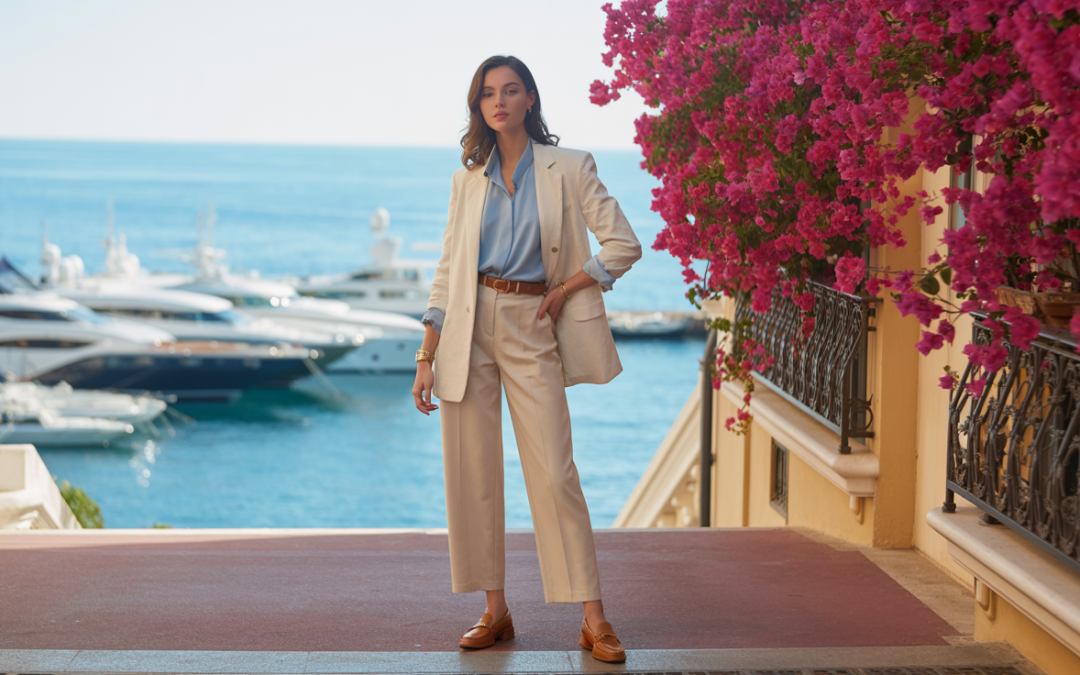
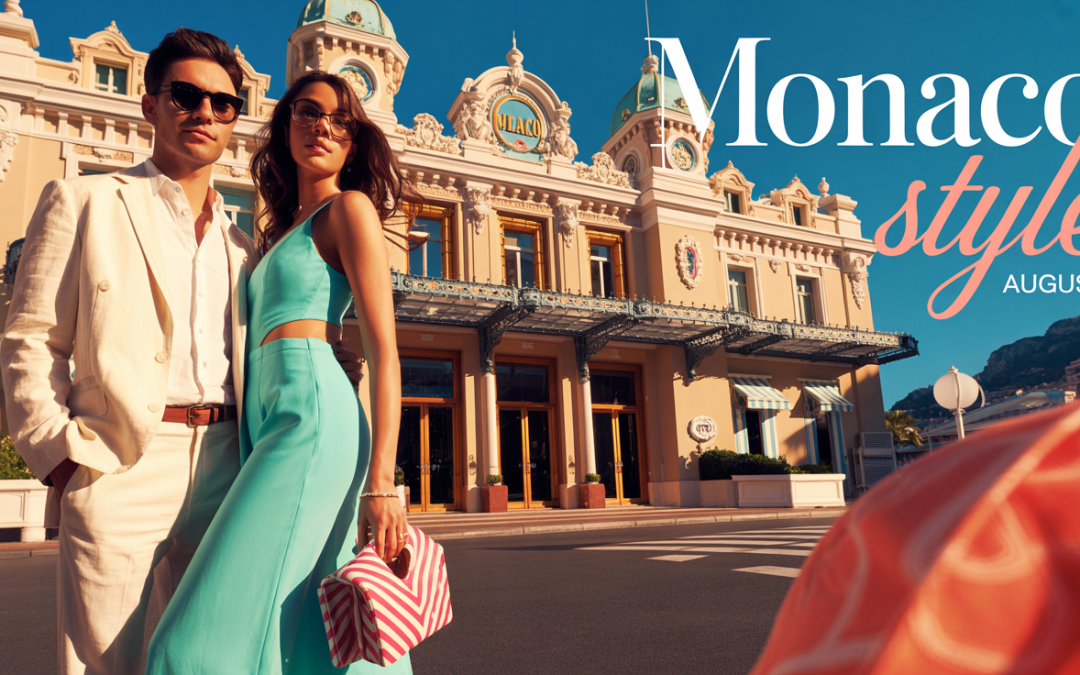
Monaco in September requires smart casual attire during the day with collared shirts and closed-toe shoes for men, and elegant dresses or tailored pants for women
Evening attire in Monaco is notably more formal, with men expected to wear suit jackets at upscale restaurants and women donning elegant dresses with accessories
Pack layers for Monaco’s September climate, which remains warm but can experience windy conditions and temperature drops in the evening
Monaco has strict dress codes, including laws against walking barefoot or wearing swimwear outside of beach areas
Quality, well-tailored clothing in neutral or Mediterranean-inspired colors will help you blend with Monaco’s sophisticated fashion scene
Monaco’s dress code can be summed up in one word: elegant. This small yet glamorous principality demands a level of sophistication in attire that few other destinations require, especially in September when the weather remains pleasant but the summer crowds have thinned.
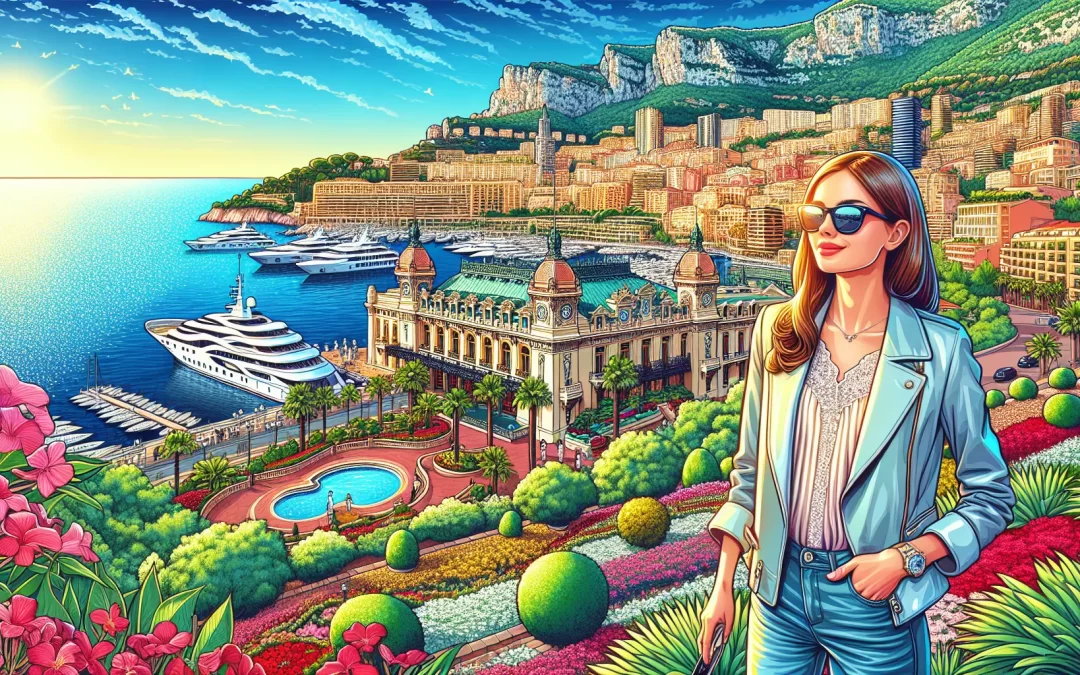
When planning your Monaco wardrobe, remember that this playground for the wealthy maintains certain standards that visitors should respect. From the famous Casino de Monte-Carlo to the yacht-filled harbor, your clothing choices will significantly impact your experience in this luxurious Mediterranean enclave.
Monaco’s September Style Guide: Elegant Yet Practical
September in Monaco strikes the perfect balance between summer warmth and early autumn crispness, allowing for versatile yet refined fashion choices. The principality maintains its reputation for elegance year-round, but September offers more flexibility than high summer while still demanding a level of sophistication. The key is to pack items that transition seamlessly from daytime exploration to evening events.
Monaco locals and seasoned visitors favor quality over quantity, with well-fitted clothing in tasteful colors that reflect the Mediterranean setting. Think navy blues, crisp whites, and subtle earth tones rather than loud patterns or overly casual attire. I recommend investing in a few versatile, high-quality pieces rather than overpacking with items you’ll rarely wear.
Remember that Monaco has actual laws regarding appropriate attire in public spaces—walking barefoot or wearing only swimwear outside beach areas is prohibited and can result in fines. This legal framework underscores just how seriously the principality takes its dress code. For more information on where you can enjoy the sun, check out these Monaco beach hotels.
September Weather in Monaco: What to Expect
September represents a sweet spot in Monaco’s climate, with average daytime temperatures hovering between 22-25°C (71-77°F), while evenings cool to a comfortable 17-20°C (63-68°F). Early September often retains much of summer’s warmth, while late September introduces the first hints of autumn, especially in the evenings.
Average Temperatures and Conditions
The Mediterranean climate ensures plenty of sunshine throughout September, with approximately 8 hours of sunshine daily. Water temperatures remain inviting at around 23°C (73°F), making beach visits and swimming entirely feasible. However, September marks the beginning of Monaco’s windier season, with occasional gusts that can make evenings feel cooler than the thermometer suggests.
Humidity levels remain moderate, creating comfortable conditions for sightseeing without the oppressive heat of midsummer. This balanced climate allows for more clothing options than the height of summer, when lightweight fabrics become a necessity rather than a choice.
Day-to-Night Temperature Shifts
One of the most notable aspects of September weather in Monaco is the significant temperature drop after sunset. While afternoons might still feel summery, evenings can require a light jacket or wrap, particularly if dining at outdoor restaurants or strolling along the harbor. These daily fluctuations necessitate a layered approach to dressing.
The sea breeze intensifies in the evening, creating a refreshing but potentially chilly atmosphere along the coastline. Smart travelers plan their evening attire with both style and practicality in mind, incorporating elegant layers that can be added or removed as needed.
Occasional Rain Showers: Be Prepared
While September isn’t Monaco’s rainiest month, occasional short showers do occur, especially later in the month as autumn approaches. These brief downpours typically don’t disrupt plans for long, but packing a compact, stylish umbrella is advisable.
The benefit of these occasional showers is the refreshing effect they have on the principality, clearing the air and creating spectacular lighting conditions for photography. Consider a light, water-resistant jacket that can be easily folded into a day bag without compromising your stylish appearance.
Daytime Attire for Monaco Exploration
Daytime in Monaco calls for smart casual attire that balances comfort with sophistication. Forget the typical tourist uniform of shorts and t-shirts—even during daytime exploration, Monaco expects a level of polish that reflects its status as a luxury destination. This doesn’t mean you need to sacrifice comfort, but rather that you should aim for a refined version of comfortable.
Smart Casual Essentials for City Sightseeing
For men, Monaco’s daytime dress code centers around three essential guidelines: collared shirts, long trousers, and closed-toe shoes. Polo shirts paired with well-fitted chinos or linen pants create an effortlessly appropriate look for wandering through Monaco’s picturesque streets. Avoid shorts if possible—while not strictly prohibited everywhere, they’ll immediately mark you as a tourist and may limit your access to certain venues.
Women enjoy more flexibility with daytime attire but should still aim for elegance. Sundresses in quality fabrics, tailored capri pants with silk blouses, or smart linen separates all work beautifully for September sightseeing. A lightweight blazer or cardigan serves the dual purpose of adding sophistication and providing warmth when the breeze picks up, particularly if you’re exploring the elevated areas of Monaco-Ville.
Both men and women should avoid overly casual items like athletic wear, graphic t-shirts, ripped jeans, or flip-flops. These items are considered too informal for Monaco’s polished atmosphere and may prevent entry to certain attractions, even during daytime hours.
Comfortable Yet Stylish Footwear Options
Monaco’s hilly terrain demands comfortable footwear, but that doesn’t mean sacrificing style. Women should opt for chic flats, low wedges, or block-heeled sandals that provide support while complementing more elegant outfits. Sneakers are acceptable only if they’re clean, minimalist in design, and more fashion-forward than athletic in appearance. For those planning to explore the city, consider visiting the Grimaldi Forum Monaco for a cultural experience.
Men should pack leather loafers, driving shoes, or smart leather sneakers in neutral colors. These options balance the comfort needed for exploring Monaco’s steep streets with the polish required to blend in with locals. Remember that Monaco has laws against walking barefoot in public, so appropriate footwear is not just a fashion statement but a legal requirement.
For both men and women, break in new shoes before your trip—Monaco’s combination of hills, cobblestones, and steps makes comfortable footwear essential for enjoying your explorations without discomfort.
Accessories to Elevate Your Daytime Look
Accessories serve as the perfect way to adapt to Monaco’s variable September weather while enhancing your style credentials. A quality pair of sunglasses is essential for protection against the still-strong Mediterranean sun and doubles as a style statement. Choose classic designs like aviators or wayfarers rather than overtly trendy or sporty styles.
Women should consider a versatile scarf that can be draped over shoulders when entering churches or during evening temperature drops. A medium-sized handbag in leather or quality canvas works well for daytime, ideally one that can transition to evening with a simple outfit change. Men benefit from a sleek messenger bag or portfolio case rather than a bulky backpack, which immediately signals “tourist.”
Consider a stylish watch as both a practical accessory and subtle status symbol—Monaco appreciates fine timepieces, and wearing one shows attention to detail. Simple, elegant jewelry for women and perhaps a quality leather belt for men complete the sophisticated daytime look expected in this luxury destination.
Evening Dress Codes: Navigate Monaco’s Nightlife
Evening attire in Monaco represents a significant step up from daytime wear, with expectations varying based on your destination. September evenings require balancing style with practicality due to cooling temperatures, especially near the water. This is when Monaco’s reputation for elegance is most apparent, and dressing appropriately becomes essential rather than optional.
Restaurant Requirements: From Casual to Michelin-Starred
For casual dining establishments in Monaco, smart casual attire remains the baseline expectation. Men should wear collared shirts with long trousers and leather shoes, while women can opt for dresses, elegant separates, or tailored pants with blouses. Even at more relaxed venues, the principality’s overall standard of elegance prevails. For more tips, check out this Monaco packing list to ensure you’re dressed appropriately.
Mid-range restaurants expect a more polished approach, with men adding blazers to their ensembles and women wearing cocktail dresses or elegant pants suits with appropriate jewelry and accessories. These establishments often enforce dress codes more strictly than their casual counterparts, particularly during dinner service.
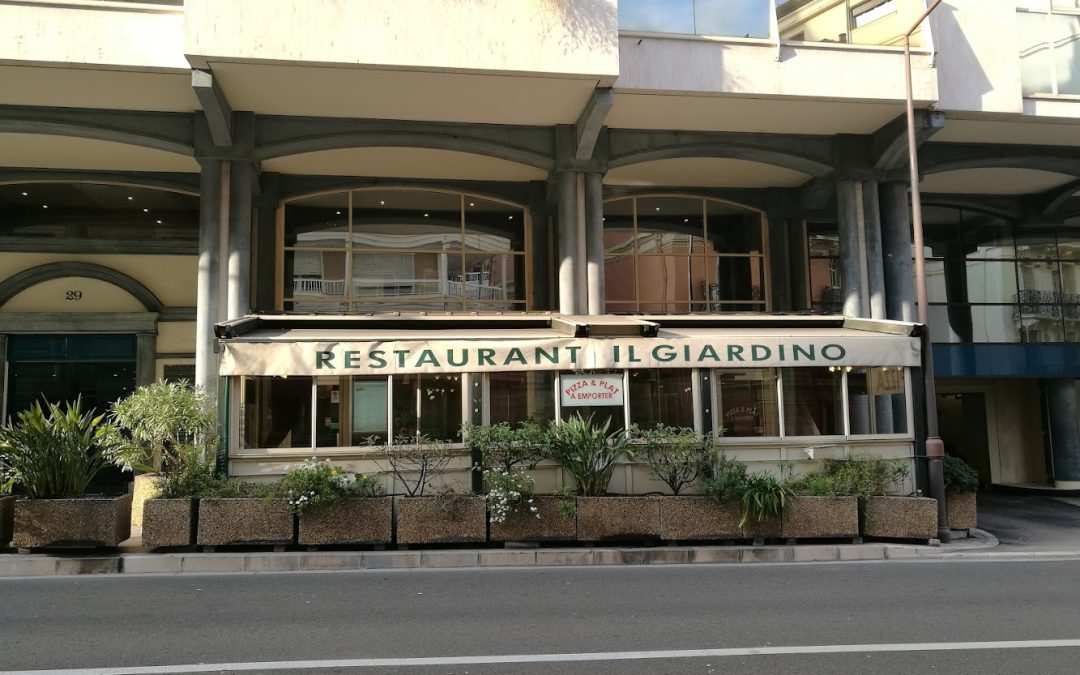
Monaco’s Michelin-starred restaurants and luxury hotel dining rooms implement the strictest dress codes, requiring formal attire. Men must wear suit jackets (ties are sometimes optional but recommended) and formal shoes. Women should choose evening dresses, elegant cocktail attire, or sophisticated pantsuits with heels and refined accessories. Calling ahead to confirm specific requirements can prevent uncomfortable situations upon arrival. For more dining options, check out this Il Giardino restaurant review in Monte Carlo.
Casino Monte-Carlo Dress Standards
The legendary Casino de Monte-Carlo maintains specific dress codes that vary by time of day and which rooms you plan to visit. During daytime hours (until 8 pm), smart casual attire is acceptable—though still more elevated than typical tourist wear. After 8 pm, the atmosphere becomes decidedly more formal, especially in the private gaming rooms.
Men must wear jackets to enter the casino’s private gaming salons in the evening, with ties recommended though not always mandatory. Women should opt for cocktail dresses, elegant evening separates, or sophisticated gowns depending on their plans. Athletic shoes, shorts, flip-flops, and overly casual attire are strictly prohibited at all times, regardless of which area you’re visiting. For more insights on appropriate attire, check out this guide on what to wear in Monaco.
The casino represents Monaco’s history and exclusivity, and dressing appropriately shows respect for this institution. Many visitors find that dressing up enhances their experience, making an evening at the casino feel more like stepping into a glamorous film scene than merely gambling.
Yacht Club and Upscale Bar Attire
Monaco’s famous Yacht Club and upscale waterfront bars expect patrons to maintain the principality’s standards of elegance, particularly in the evening. Men should wear blazers or sport coats with collared shirts, tailored trousers, and leather shoes. Women find success with cocktail dresses, elegant jumpsuits, or sophisticated separates paired with quality accessories.
September evenings by the water can become quite breezy, so incorporating stylish layers is both practical and fashionable. Women might add a pashmina or lightweight wrap to their evening ensemble, while men can select blazers in slightly heavier fabrics than they might choose during peak summer months. For more ideas on what to pack, check out this Monaco packing list.
Many of these establishments enforce dress codes at the door, and exceptions are rarely made regardless of your status or spending power. Remember that Monaco’s nightlife scene is about seeing and being seen—your attire contributes significantly to the overall ambiance these venues strive to maintain.
Beach and Poolside Fashion in September
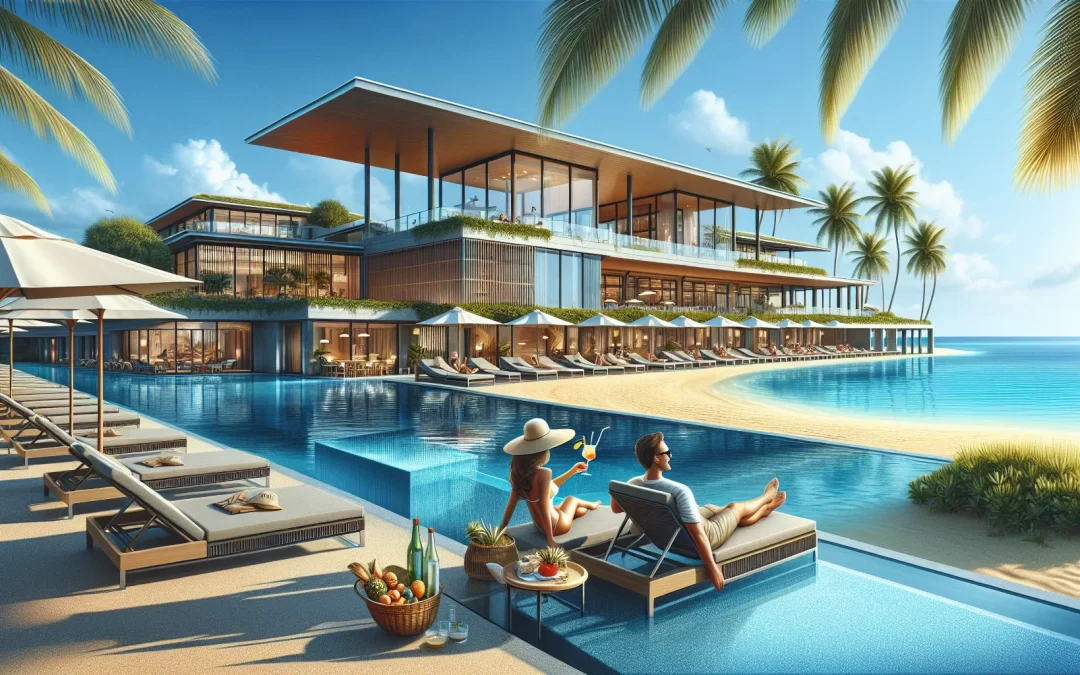
September offers ideal conditions for enjoying Monaco’s beaches and pool clubs, with comfortable temperatures and fewer crowds than high summer. However, Monaco’s approach to beach attire differs significantly from more casual Mediterranean destinations, with unwritten rules and expectations that visitors should understand before packing their swimwear.
Monaco Beach Etiquette at a Glance
• Swimwear is for swimming only—cover up when not in the water
• Walking barefoot away from the sand is prohibited by law
• Topless sunbathing is acceptable on beaches but not at hotel pools
• Changing clothes on the beach is considered inappropriate
• Private beach clubs may enforce additional dress code requirements
Quality matters even in beach attire, with well-made swimwear in classic designs preferred over flashy or revealing styles. Men typically choose fitted swim shorts in solid colors or subtle patterns rather than baggy board shorts or speedos. Women opt for elegant one-pieces or tasteful bikinis, often with coordinating cover-ups designed for beach-to-lunch transitions.
Monaco’s beach clubs represent an extension of its luxury lifestyle, with establishments like La Note Bleue and Nikki Beach maintaining standards that blend comfort with sophistication. These venues often feature afternoon DJ sets or evening events where beachwear evolves into resort evening wear as the day progresses.
Remember that Monaco law prohibits walking around in swimwear beyond immediate beach areas, and proper attire must be worn when entering shops, restaurants, or walking along public streets. This regulation is actively enforced, particularly in more upscale areas of the principality. For a detailed guide on what to wear, check out this Monaco packing list.
Monaco Fashion Etiquette: Blend In Like a Local
Monaco residents embody Mediterranean chic with a distinct emphasis on understated luxury. To blend in with locals, focus on quality fabrics, impeccable fit, and subtle sophistication rather than flashy logos or trendy pieces. September offers the perfect opportunity to observe local style at its best, as residents return from summer holidays and resume their regular routines. If you’re planning to visit, consider staying at one of the Monaco beach hotels to fully immerse yourself in the local culture.
Dressing like a local means understanding that Monaco values classical elegance over passing trends. Men typically favor tailored pieces in natural fabrics like cotton, linen, and lightweight wool, while women combine timeless silhouettes with carefully chosen accessories that elevate rather than overwhelm their outfits.
Color Palettes that Work
The Monaco color palette reflects its Mediterranean setting while maintaining sophistication. Navy blue serves as a foundation color, paired with crisp whites and subtle accents that mirror the principality’s natural surroundings. Think azure blues reminiscent of the sea, soft corals that echo sunset hues, and neutral tones that complement rather than compete with the stunning backdrop. For more insights on what to wear in Monaco, explore this detailed guide.
Women find success with a capsule wardrobe centered around navy, white, beige, and soft pastels, incorporating one or two signature pieces in Mediterranean-inspired hues like terracotta or olive green. These color combinations work beautifully against Monaco’s scenic coastline and create a cohesive look that photographs well against iconic backgrounds.
Men should focus on navy, light blue, white, beige, and subtle earth tones, avoiding bright primary colors or busy patterns that can appear touristy. A well-cut navy blazer pairs perfectly with various trouser colors, creating different looks without requiring excessive packing.
Black, while elegant for evening, can appear too severe and formal during daytime in Monaco’s sunny climate. Save darker colors for evening wear or select them in lightweight fabrics that won’t absorb excessive heat during September’s still-warm days.
Monaco Color Strategy by Occasion
• Daytime Sightseeing: Navy, white, beige, soft blues
• Beach Clubs: White, azure blue, coral accents
• Casual Dining: Navy, taupe, olive green
• Evening Events: Navy, black, champagne, silver accents
• Yacht Outings: Navy, white, red accents
Quality Over Quantity: The Monaco Approach
Monaco’s affluent residents understand that a few impeccably made pieces far outshine a suitcase full of disposable fashion. When packing, select garments with excellent construction, natural fibers, and classic designs that can transition between different settings with simple accessory changes. A well-cut linen shirt, perfectly tailored trousers, or an elegant day-to-night dress will serve you better than multiple trendy items that may look out of place in this sophisticated setting.
Consider investing in one signature accessory—perhaps an elegant scarf, quality timepiece, or leather shoes—that elevates your entire wardrobe. Monegasques notice these details and appreciate the thought behind a carefully assembled outfit more than obvious displays of brand names or trendy pieces. Remember that in Monaco, whispering wealth speaks volumes louder than shouting it.
5 Style Mistakes to Avoid
The most common fashion faux pas in Monaco include wearing athletic wear outside of exercise contexts, sporting flip-flops or excessively casual footwear in public spaces, and donning overly revealing clothing away from beach areas. Additionally, loud or garish prints, excessive logo display, and visibly worn or damaged clothing signal a lack of understanding of Monaco’s aesthetic values. Remember that Monaco’s elegant atmosphere extends beyond formal venues—even “casual” in Monaco maintains a level of refinement rarely seen in other destinations.
Perhaps the biggest mistake visitors make is conflating expensive with appropriate. Monaco’s style isn’t about showcasing the highest price tag but rather demonstrating discernment and taste. An inexpensive but well-fitted linen shirt will earn more approval than a designer t-shirt with prominent logos. This subtle understanding of what constitutes true elegance distinguishes those who truly grasp Monaco’s fashion ethos from those simply trying to keep up appearances.
Last-Minute Shopping in Monaco: Where to Find What You Forgot
Despite careful planning, you might find yourself needing to supplement your wardrobe after arrival. Monaco offers excellent shopping options ranging from global luxury brands to smaller boutiques specializing in Mediterranean style. The Metropole Shopping Center provides climate-controlled browsing with high-end retailers, while the Carré d’Or district surrounding Casino Square features flagship stores from renowned fashion houses where you’ll find appropriate attire for any occasion.
For more accessible and less pricier options, venture to nearby Cap 3000 mall Saint Laurent du Var in neighboring France, which offers a wider range of price points while maintaining quality standards. Alternatively, the Monaco-Ville district features smaller boutiques selling elegant resort wear and accessories perfectly suited to the principality’s aesthetic requirements.
Emergency Shopping Guide
• Formal Evening Attire: Monte Carlo Pavillions, Avenue des Beaux-Arts
• Smart Casual Daywear: Metropole Shopping Center
• Swimwear & Beach Accessories: Larvotto Beach boutiques
• Comfortable Walking Shoes: Galerie Charles III
• Affordable Basics: Cap 3000 (neighboring France)
If you’re seeking something truly special, Monaco’s luxury hotels often house exclusive boutiques with curated collections specifically designed for the principality’s climate and social calendar. The concierge at your accommodation can direct you to appropriate shopping venues based on your specific needs and budget considerations. For more guidance, check out this Monaco packing list to ensure you’re well-prepared for your trip.
Your Monaco Wardrobe Checklist
For a successful September visit to Monaco, pack these essentials:
1-2 formal evening outfits including a jacket for men
a cocktail dress for women
a lightweight layer for evening temperature drops
quality swimwear with appropriate cover-ups
comfortable yet stylish walking shoes
elegant accessories including sunglasses
a versatile scarf
light jacket
a small umbrella for occasional showers
This capsule wardrobe, focused on quality rather than quantity, will ensure you’re appropriately dressed for Monaco’s varied settings while maintaining reasonable luggage limits.
Frequently Asked Questions
Monaco’s dress codes can seem intimidating to first-time visitors, but understanding a few key principles will help you navigate this stylish destination with confidence. The following questions address the most common concerns regarding appropriate attire in Monaco during September.
Remember that while these guidelines reflect general expectations, specific venues may maintain stricter requirements. When in doubt, it’s better to slightly overdress than to risk being underdressed, particularly for evening events or upscale establishments.
Can I wear shorts in Monaco during September?
While not explicitly forbidden in all contexts, shorts are generally discouraged for both men and women in Monaco except at beach clubs or during sports activities. If you do opt for shorts, choose tailored bermuda-style options in quality fabrics rather than casual or athletic styles, and pair them with collared shirts and proper shoes. Women might consider skirts or dresses as more appropriate alternatives that offer similar comfort while better aligning with Monaco’s aesthetic preferences.
Do I need formal attire to visit Monte-Carlo Casino?
The dress code at Monte-Carlo Casino varies by time of day and which areas you plan to visit. Before 8 PM, smart casual attire is acceptable for the main gaming floor, though still more elevated than typical tourist wear. After 8 PM, the atmosphere becomes decidedly more formal, with jackets required for men (ties are recommended but not always mandatory) in the private gaming salons. For more insights on style, you might want to know what to wear in Monaco during different months.
For women, cocktail dresses or elegant evening separates are appropriate for evening casino visits. If you plan to visit the private salons or dine at the casino’s restaurants, more formal attire is expected. Remember that regardless of timing, athletic shoes, shorts, flip-flops and overly casual attire are prohibited throughout the casino.
Are jeans acceptable in Monaco restaurants?
The acceptability of jeans varies significantly depending on the establishment and how they’re styled. For casual restaurants and cafés, dark, well-fitted jeans without distressing or holes can be appropriate when paired with elegant tops and proper shoes. Men should add a collared shirt and perhaps a blazer, while women should elevate jeans with sophisticated blouses and accessories.
For mid-range and upscale restaurants, jeans become increasingly inappropriate, with many fine dining establishments explicitly prohibiting denim regardless of style or brand. When in doubt, opt for tailored trousers, chinos, or skirts rather than testing the boundaries with even the most expensive denim.
September’s pleasant weather makes lightweight trousers or skirts in natural fabrics like linen or cotton equally comfortable alternatives that better align with Monaco’s refined aesthetic. These options provide similar ease of movement without the casual connotations that might limit your access to certain venues.
Monaco Dining Dress Code Quick Reference: • Casual Cafés: Dark jeans acceptable with elegant tops
• Waterfront Restaurants: Smart casual, no athletic wear
• Mid-Range Dining: Collared shirts for men, dresses or elegant separates for women
• Fine Dining: Jackets for men, cocktail attire for women
• Hotel Restaurants: Evening dress code typically enforced after 7 PM
What shoes should I pack for walking around Monaco?
Monaco’s hilly terrain and mix of cobblestone and paved surfaces demand comfortable footwear, but flip-flops and athletic sneakers are generally considered too casual. Women should pack walking-friendly options like leather loafers, chic ballet flats, or low wedges that provide support while maintaining elegance. For evening, block heels offer stability on Monaco’s slopes and steps while providing appropriate sophistication for restaurants and entertainment venues.
Men should prioritize leather loafers, driving shoes, or fashionable leather sneakers in neutral colors. These balance comfort with the polished appearance expected throughout Monaco. Remember that proper footwear isn’t just about style—Monaco law prohibits walking barefoot in public spaces, making appropriate shoes a legal requirement as well as a fashion statement.
Is September still warm enough for swimming in Monaco?
September offers excellent swimming conditions in Monaco, with sea temperatures averaging a pleasant 23°C (73°F). The Mediterranean retains summer warmth well into autumn, making water activities entirely comfortable throughout the month. Early September typically provides beach conditions nearly identical to August, while late September may see slightly cooler water temperatures but often with more pleasant air temperatures for sunbathing. For those planning a trip, consider staying at one of the Monaco beach hotels to enjoy easy access to the beautiful coastline.
Monaco’s beach clubs and hotel pools remain operational throughout September, though some may reduce hours or services toward month’s end. The benefit of September swimming is enjoying these facilities without the peak-season crowds, often with more attentive service and better availability at prestigious beach clubs that require reservations during summer months.
Pack quality swimwear and elegant cover-ups that allow you to transition from beach to casual lunch venues without changing completely. Remember that Monaco law prohibits wearing only swimwear away from immediate beach areas, making proper cover-ups essential for moving between locations. For a truly seamless beach-to-town transition, consider investing in resort wear pieces designed to serve both functions while maintaining the principality’s standards of elegance.
Beyond general travel guides, are there any unique resources or exclusive membership programs that offer special access, deals, and curated selections for discovering the finest gourmet restaurants, luxury hotels, and wellness experiences in the South of France during the month of September?”
Yes, you can discover the best of the South of France with La Carte Prestige. La Carte Prestige provides you with the most beautiful addresses in the South of France!
La Carte Prestige, the printed guide, and its Application help you discover: Gourmet Restaurants, Leisure Activities, Thalassotherapy, Wellness, Hotels, Weekends & Getaways! Founded 30 years ago on this concept, you benefit from exclusive advantage offers at our partners, allowing you to discover the finest establishments in your region. You can check out La Carte Prestige right here!
Il Giardino offers an authentic Italian dining experience with Neapolitan influences in the heart of Monte Carlo
The restaurant’s lush garden terrace provides a serene escape from Monaco’s bustling atmosphere
Handcrafted pasta dishes and fresh Mediterranean seafood stand out as menu highlights
The Russo family (who also own Il Terrazzino) bring genuine Italian hospitality to the luxurious Monaco dining scene
Despite its upscale location, Il Giardino maintains a warm, inviting atmosphere suitable for both special occasions and casual dining
Finding authentic Italian cuisine amid Monte Carlo’s glittering façades might seem challenging, but Il Giardino emerges as a genuine oasis of Neapolitan flavor in this luxury playground. Nestled on Boulevard d’Italie, this family-owned establishment has quietly become a culinary cornerstone for discerning locals and visitors seeking Italian food that doesn’t compromise on tradition. Il Giardino Monte-Carlo brilliantly balances Monaco’s upscale expectations with the soulful warmth of southern Italian hospitality.
A Taste of Authentic Italian Luxury in Monaco
Monaco’s dining scene often leans heavily into ostentatious displays of luxury, but Il Giardino takes a refreshingly different approach. The restaurant’s ethos centers around the simple Italian philosophy that exceptional ingredients, prepared with care and tradition, create the most memorable dining experiences. From the moment you’re greeted at the door by the Russo family’s staff, there’s an unmistakable sense of being welcomed into someone’s cherished home rather than just another high-end establishment.
What makes Il Giardino particularly special is its commitment to authentic Neapolitan culinary traditions. The restaurant doesn’t merely imitate Italian cooking—it embodies it through recipes passed down through generations of the Russo family. This is immediately evident in everything from the fragrance of freshly baked bread to the handmade pasta that rivals anything you’d find in Naples itself. The attention to detail creates an experience that transports diners straight to Italy while maintaining the polished service expected in Monte Carlo.
The Setting: Il Giardino’s Prime Location and Ambiance
A Hidden Gem in Monte Carlo’s Dining Scene
While many of Monaco’s most renowned restaurants occupy prominent positions along the harbor or near the casino, Il Giardino’s slightly set-back location on Boulevard d’Italie offers a welcome respite from the principality’s more touristy areas. The approach to the restaurant provides the first hint of its character—a discreet entrance leads to an unexpected haven of Mediterranean charm. This strategic positioning creates an atmosphere of exclusivity without pretension, attracting a clientele of loyal patrons who appreciate the restaurant’s understated elegance.
The name “Il Giardino” (meaning “the garden” in Italian) perfectly captures the restaurant’s essence. Unlike many Monte Carlo establishments that lean heavily on opulence, Il Giardino embraces a more natural, verdant aesthetic that immediately soothes the senses. The careful integration of the building with its surroundings creates a seamless indoor-outdoor flow that makes the restaurant feel like a natural extension of the Mediterranean landscape.
The Terrace Experience: Dining Under Mediterranean Skies
The jewel in Il Giardino’s crown is undoubtedly its enchanting terrace. Sheltered by lush greenery and fragrant flowering plants, this outdoor dining space creates a microclimate of tranquility that feels worlds away from Monte Carlo’s bustling energy. Strategically placed lighting transforms the space after sunset, with gentle illumination highlighting the natural elements while creating intimate dining pockets. The soft background melody of Italian classics completes the sensory experience without overwhelming conversation.
Inside, Il Giardino achieves the perfect balance between Neapolitan warmth and Monaco refinement. Terra cotta accents and rustic wooden beams create a comforting backdrop, while crisp white tablecloths and polished glassware maintain the level of sophistication expected in Monte Carlo. The walls feature tasteful artwork depicting Italian coastal scenes, reinforcing the connection to the restaurant’s culinary roots. The thoughtful spacing between tables ensures privacy for intimate conversations while maintaining the lively, convivial atmosphere characteristic of authentic Italian dining establishments.
The lighting design deserves special mention, with carefully positioned fixtures that cast a flattering glow across the dining room. Even during daytime hours, the interior spaces maintain a connection to the outdoors through strategically placed windows that frame views of the surrounding greenery. This careful attention to ambiance creates an environment where guests naturally want to linger over their meals—a true hallmark of Italian dining culture.
Culinary Excellence: What to Order at Il Giardino
The menu at Il Giardino strikes a masterful balance between honoring classical Italian cuisine and offering enough variety to satisfy the cosmopolitan Monte Carlo clientele. Executive Chef Marco Russo demonstrates a deep understanding of regional Italian flavors while maintaining unwavering standards for ingredient quality. The seasonal variations in the menu showcase the kitchen’s commitment to working with produce at its peak, particularly evident in their seafood and vegetable-forward dishes.
Handmade Pasta That Rivals Naples’ Finest
The pasta program at Il Giardino deserves special recognition, with each variety made fresh daily in the restaurant’s kitchen. The signature paccheri alla Genovese features tender tubes of pasta coated in a slow-cooked onion and beef sauce that achieves an almost caramelized depth of flavor. For something lighter but equally impressive, the linguine alle vongole perfectly balances briny clams with garlic, white wine, and a subtle kick of chili. The pasta’s texture—with that ideal resistance Italians call “al dente”—demonstrates the kitchen’s technical mastery and unwavering standards.
What makes these pasta dishes truly exceptional is both their authenticity and restraint. Unlike many restaurants that overload dishes with unnecessary ingredients, Il Giardino’s pastas follow the traditional Italian approach of letting a few high-quality components shine through clear, focused flavors. This philosophical approach to cooking reveals the confidence of a kitchen that doesn’t need to rely on gimmicks or excessive complexity.
The Seafood Selection: Fresh Mediterranean Catches
Given Monaco’s prime Mediterranean location, Il Giardino’s seafood offerings predictably shine. The branzino al forno, a whole sea bass baked with herbs and lemon, exemplifies the kitchen’s philosophy of minimal intervention with exceptional ingredients. The fish arrives at the table deboned but intact, its skin crisp and flesh moist, accompanied only by a light drizzle of the restaurant’s estate olive oil and a scattering of fresh herbs. For those seeking something more complex, the frutti di mare platter presents an abundant selection of the day’s best catches, simply prepared to showcase their natural flavors.
The seafood procurement process deserves mention—Chef Russo personally selects the catches from local fishermen each morning, ensuring only the freshest specimens make it to the restaurant’s kitchen. This hands-on approach to sourcing is increasingly rare in high-end establishments but makes a noticeable difference in the final presentation. Seasonal specialties like soft-shell crab and sea urchin appear as limited offerings when available, making each visit potentially unique.
Must-Try Signature Dishes
While the entire menu warrants exploration, several standout dishes have become Il Giardino’s calling cards. The vitello tonnato—thinly sliced veal with tuna sauce—achieves a silky texture and perfect balance between the meat’s delicacy and the sauce’s umami richness. The parmigiana di melanzane elevates the humble eggplant parmesan to new heights through meticulous preparation that removes any hint of bitterness from the vegetable. For meat enthusiasts, the bistecca Fiorentina (requiring pre-ordering) features prime T-bone steak grilled over olive wood coals to a perfect medium-rare, served with nothing more than sea salt and that exceptional olive oil.
Paccheri alla Genovese – Tube pasta with slow-cooked onion and beef sauce
Branzino al Forno – Whole sea bass baked with herbs and lemon
Vitello Tonnato – Thinly sliced veal with creamy tuna sauce
Parmigiana di Melanzane – Layered eggplant with tomato sauce and parmesan
The antipasti deserve special recognition as well, particularly the burrata con prosciutto that features creamy cheese from Puglia paired with paper-thin slices of aged ham. The simplicity of this dish exemplifies the restaurant’s approach—sourcing impeccable ingredients and presenting them with minimal interference. Another highlight is the carpaccio di polpo (octopus carpaccio), which achieves a tender texture through careful preparation before being dressed simply with lemon, olive oil, and a sprinkle of Sicilian oregano.
Desserts Worth Saving Room For
Dessert at Il Giardino continues the commitment to authentic Italian flavors while incorporating just enough creative flair to keep things interesting. The tiramisu avoids the common pitfalls of being either too boozy or too sweet, instead achieving perfect balance with distinct layers of coffee-soaked savoiardi, creamy mascarpone, and a dusting of quality cocoa. The deconstructed cannoli represents a modern twist on the Sicilian classic, with crisp pastry shells served alongside sweetened ricotta cream studded with candied orange peel and pistachios for guests to assemble themselves.
When to Visit and How to Reserve
Planning your visit to Il Giardino requires some strategic thinking to ensure the optimal experience. Monaco’s dining scene ebbs and flows with the principality’s event calendar, with restaurant availability tightening dramatically during major events like the Grand Prix, Monaco Yacht Show, and the Monte-Carlo Rolex Masters. During these peak periods, securing a reservation at Il Giardino becomes significantly more challenging, often requiring booking weeks in advance.
The restaurant experiences distinct seasonal rhythms that affect both the atmosphere and the menu offerings. Summer months (June through September) showcase the terrace at its most magnificent, with the garden in full bloom and the mild Mediterranean evenings perfect for al fresco dining. Winter brings a cozier atmosphere indoors, with seasonal specialties like white truffle dishes and heartier ragùs making appearances on the menu.
Weekends predictably draw the largest crowds, particularly Friday and Saturday evenings when the restaurant often reaches capacity by 8:30 PM. For a more relaxed experience with greater attention from the staff, consider mid-week visits or early dinner seatings around 7:00 PM. Sunday lunch has developed something of a cult following among Monaco residents, offering a more leisurely pace perfect for family gatherings.
Peak Times and Seasonal Considerations
Monaco transforms dramatically through the seasons, and Il Giardino adapts accordingly. Spring (April-May) and autumn (September-October) represent the sweet spots for visitors, with pleasant temperatures, fewer tourists, and the restaurant operating at its consistent best. During July and August, the principality swells with visitors, and the restaurant often extends service hours to accommodate the demand. These summer months see the kitchen emphasizing lighter fare, with expanded seafood offerings and refreshing appetizers.
Winter brings its own charm to Il Giardino, with the interior spaces becoming particularly inviting. The cooler months see the introduction of seasonal specialties like porcini risotto, hearty ossobuco, and other comfort dishes that showcase the kitchen’s versatility. December brings festive decorations and special holiday menus that have become annual traditions for many regular patrons, making this period particularly magical despite being less obvious for visitors.
Securing the Best Table
While all tables at Il Giardino provide excellent dining experiences, certain locations within the restaurant offer particularly desirable vantage points. For romantic evenings, request one of the corner tables on the terrace that offer enhanced privacy and views of the garden lighting. Larger groups should inquire about the semi-private alcove near the back of the restaurant that accommodates up to eight guests while maintaining a sense of exclusivity. When making reservations, be specific about any preferences (terrace seating, interior, specific occasions) to help the staff accommodate your needs – the reservation team appreciates clear communication and makes genuine efforts to honor requests whenever possible.
The Verdict: Why Il Giardino Deserves Your Reservation
In a principality overflowing with dining options that often prioritize flash over substance, Il Giardino stands out as a beacon of culinary authenticity. The restaurant succeeds brilliantly in its primary mission: transporting diners to Italy through genuine flavors, warm hospitality, and an atmosphere that balances sophistication with comfort. What distinguishes Il Giardino from competitors is the palpable sense that the Russo family and their team genuinely care about preserving Italian culinary traditions rather than merely capitalizing on them.
The ultimate test of any restaurant is whether it leaves you planning your return visit before you’ve even finished your meal. By this measure, Il Giardino triumphs completely. Whether you’re a Monaco resident seeking a reliable favorite or a visitor looking to experience authentic Italian cuisine in luxurious yet unpretentious surroundings, Il Giardino rewards with consistency, quality, and that ineffable sense of being somewhere special. In a destination where genuine experiences often get overshadowed by opulence for its own sake, Il Giardino reminds us that true luxury lies in perfect ingredients, time-honored techniques, and the simple pleasure of a meal crafted with passion.
Frequently Asked Questions
Since opening its doors, Il Giardino has generated considerable interest from both Monaco locals and international visitors. Below are answers to the most common questions prospective diners ask when planning their visits to this celebrated establishment.
“Il Giardino represents the perfect balance between maintaining authentic Neapolitan culinary traditions and meeting the expectations of Monte Carlo’s discerning clientele. The Russo family has created something truly special here—a restaurant that feels both exclusive and welcoming.” — Monaco Gastronomie Magazine
The restaurant has garnered numerous accolades since its opening, including recognition in several prestigious dining guides. Many first-time visitors discover Il Giardino through word-of-mouth recommendations rather than flashy marketing—a testament to the genuine quality of the dining experience. This organic popularity has helped the restaurant maintain its character while gradually building a loyal following.
Most questions from prospective diners center around practical matters like dress code, dietary accommodations, and reservation policies. The staff at Il Giardino pride themselves on their flexibility and willingness to accommodate special requests whenever possible, though advance notice is always appreciated for significant modifications.
What’s the dress code at Il Giardino Monte Carlo?
Il Giardino maintains an elegant but not overly formal dress code that reflects Monaco’s sophisticated atmosphere while acknowledging the restaurant’s somewhat more relaxed character compared to other fine dining establishments in the principality. During lunch service, smart-casual attire is perfectly acceptable, with many business diners in professional attire and leisure visitors in polished daytime wear. Evening service sees a slight elevation in formality, though the restaurant doesn’t enforce strict rules like mandatory jackets for men.
The restaurant’s approach focuses more on general appropriateness rather than specific clothing requirements. Beach attire, overly casual items like athletic wear, and clothing with excessive logos or slogans would be out of place. When in doubt, it’s best to err on the side of elegance—Monaco generally encourages sophisticated dressing, particularly in the evening hours.
During Monaco’s major events like the Grand Prix weekend or the Yacht Show, the informal dress code tends to elevate naturally as the restaurant attracts a particularly fashion-conscious clientele. These occasions might warrant slightly more formal attire if you wish to blend seamlessly with the atmosphere.
Does Il Giardino offer vegetarian or vegan options?
The restaurant demonstrates impressive flexibility in accommodating vegetarian diners, with several standout meat-free dishes featured prominently on the regular menu. The parmigiana di melanzane (eggplant parmesan) represents a masterclass in vegetarian Italian cooking, while seasonal vegetable risottos showcase the kitchen’s commitment to plant-forward cuisine. The kitchen can modify many pasta dishes to be vegetarian-friendly upon request, and the antipasti selection includes several excellent meat-free options like the burrata with heirloom tomatoes and the marinated grilled vegetables.
Strict vegans face more limited options but aren’t entirely overlooked. While traditional Italian cuisine relies heavily on cheese and other animal products, the kitchen can prepare custom vegan pasta dishes with seasonal vegetables and high-quality olive oil. With advance notice (preferably when making your reservation), the chef can arrange a more extensive vegan tasting experience drawing on Mediterranean traditions. The staff demonstrates genuine concern for dietary requirements and approaches special requests with a problem-solving attitude rather than treating them as inconveniences.
Is Il Giardino suitable for special occasions?
Il Giardino excels at creating memorable experiences for special occasions, offering the perfect balance of attentiveness and discretion. The restaurant can accommodate celebrations ranging from intimate anniversary dinners to larger family gatherings, with options for personalization that include custom menus, special wine selections, and thoughtful touches like anniversary messages or birthday desserts. For larger celebrations, the semi-private dining area can be reserved, while truly special occasions might warrant considering a complete buyout of the restaurant (requiring significant advance booking and minimum spend commitments).
How far in advance should I make a reservation at Il Giardino?
Reservation lead times vary dramatically depending on the season, day of the week, and any major events happening in Monaco. For standard weekday dinners during non-peak periods, reservations 3-5 days in advance typically suffice, though last-minute availability can sometimes be found, particularly for early or late dining times. Weekend evenings, especially during summer months, require more planning, with 1-2 weeks advance booking recommended to secure preferred times.
During Monaco’s major event periods (Grand Prix weekend in May, Monaco Yacht Show in September, and various festivals), the reservation window extends considerably, with the most desirable tables often booked 4-6 weeks in advance. For these peak periods, flexibility with your dining time can improve your chances of securing a table. The restaurant maintains a waitlist for fully booked evenings, and cancellations do occasionally occur, making it worthwhile to check back if your preferred date initially appears unavailable.
Is Il Giardino open year-round or does it close during certain seasons?
Unlike some seasonal establishments in Monaco that close during quieter winter months, Il Giardino maintains year-round operations with only a brief annual closure in late January for renovations and staff holidays. This typically lasts 10-14 days and is planned to coincide with Monaco’s lowest tourism period. The restaurant adjusts its hours slightly by season, with extended evening service during summer months and slightly reduced hours during winter. Holiday periods like Christmas and New Year’s feature special festive menus, though these require early booking as they’ve become highly sought-after traditions for many Monaco residents and regular visitors.
Approximately 10-14 days in late January for renovations
The restaurant’s dedication to maintaining consistent year-round operations reflects the owners’ commitment to serving both tourists and the local community. This consistency has helped Il Giardino build its reputation as a reliable culinary destination regardless of season, with many regular patrons appreciating the evolving menu that reflects the changing availability of ingredients throughout the year.
Whether you’re planning a special celebration dinner during Monaco’s glamorous high season or seeking a cozy winter meal away from the crowds, Il Giardino offers a consistently exceptional experience that captures the essence of Italian hospitality. The restaurant’s thoughtful balance of tradition and refinement makes it a standout choice in Monaco’s competitive dining landscape.
For those seeking the most authentic Italian experience in Monte Carlo, Il Giardino delivers something truly special—a restaurant that honors its Neapolitan roots while embracing its Mediterranean setting. In a destination often defined by extravagance, this garden sanctuary reminds us that the greatest luxury is simple food prepared with extraordinary care.
To experience the authentic tastes of Naples in the heart of Monaco, visit Il Giardino’s official website to secure your reservation at one of Monte Carlo’s most cherished culinary destinations.
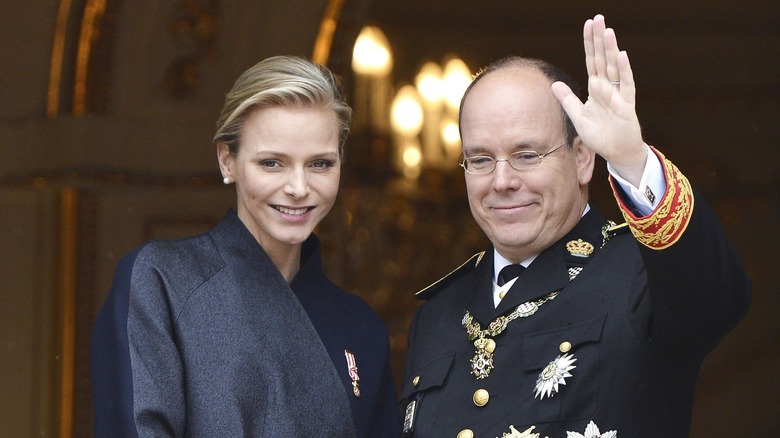
Prince Albert II of Monaco has an estimated net worth of $1 billion, making him one of the wealthiest royals in the world
The Monegasque monarch owns approximately 25% of Monaco’s land, significantly contributing to his vast fortune
His wealth stems from the Grimaldi family legacy, shares in Société des Bains de Mer, and extensive property holdings across Monaco, France, and the United States
Prince Albert has invested nearly $99 million in environmental conservation through his foundation over a 15-year period
While maintaining his lavish royal lifestyle, the Prince balances wealth with philanthropic responsibilities that shape Monaco’s future
Prince Albert of Monaco’s Billion-Dollar Empire
Prince Albert II reigns over the second-smallest country in the world, yet his wealth stands among the mightiest of royal fortunes. As the sovereign of Monaco, he commands not just political power but extraordinary financial resources that place him in an elite category of global royalty. The Grimaldi dynasty’s financial influence extends far beyond Monaco’s 0.78 square miles, creating a financial empire that intertwines with the principality’s identity as a luxury haven.
The prince’s wealth represents more than personal affluence—it embodies generations of strategic investments, property acquisitions, and business ventures that have secured the Grimaldi family’s position. With Monaco attracting the world’s ultra-wealthy (an estimated 32% of residents are millionaires), Prince Albert’s financial standing reflects his principality’s status as the quintessential playground for the super-rich.
The $1 Billion Royal Fortune
Prince Albert II’s net worth stands at an estimated $1 billion, positioning him among the world’s wealthiest monarchs. This substantial fortune significantly outpaces many better-known royals, including the late Queen Elizabeth II, whose personal wealth was estimated at roughly half of Prince Albert’s. His financial portfolio combines centuries-old family holdings with modern investment strategies that have preserved and expanded the Grimaldi wealth through economic fluctuations.
Unlike some royal figures whose wealth exists primarily on paper, Prince Albert’s fortune includes substantial liquid assets alongside physical property and business interests. The prince maintains diverse revenue streams that continue generating wealth beyond his sovereign allowance. Financial analysts project his net worth to remain stable or potentially increase by 2025, depending on global economic conditions and his investment performance.
What makes Prince Albert’s wealth particularly remarkable is how concentrated it remains within such a tiny geographic area. While many billionaires spread assets globally, a significant portion of the prince’s worth is tied directly to Monaco itself, creating a unique relationship between ruler and realm where royal prosperity and national economy are inseparably intertwined.
Quarter of Monaco’s Land Owned by the Prince
Perhaps the most striking aspect of Prince Albert’s wealth is his ownership of approximately 25% of Monaco’s total land area. In a country where real estate commands some of the world’s highest prices per square foot, this land portfolio alone represents extraordinary value. This ownership isn’t merely symbolic—it includes some of the principality’s most valuable commercial and residential properties, generating substantial ongoing income.
The prince’s land holdings include strategic areas surrounding Monaco’s most profitable ventures, including the Monte Carlo district where luxury tourism and gambling generate millions annually. This geographical advantage gives the Grimaldi family direct financial interest in Monaco’s continued prosperity and development as a luxury destination. Land ownership of this magnitude provides Prince Albert with both immediate revenue and long-term appreciation in a market where property values have historically outperformed most global investments.
How Prince Albert Built His Massive Fortune
While Prince Albert inherited substantial wealth from his father, Prince Rainier III, and his mother, Princess Grace (formerly Grace Kelly), he has actively managed and expanded these assets throughout his reign. His financial strategy combines preserving historical holdings with modern portfolio diversification, including interests in banking, hospitality, and sustainable technologies. The prince has demonstrated financial acumen by maintaining Monaco’s tax haven status while expanding into new revenue sources beyond the principality’s traditional gambling economy.
Financial records indicate Prince Albert has personally directed significant portions of his investment strategy, particularly toward environmentally sustainable ventures that align with his public advocacy. This approach represents both ethical commitment and financial foresight, positioning his portfolio to benefit from growing global emphasis on sustainability.
The Grimaldi Family Legacy
The foundations of Prince Albert’s fortune trace back to 1297 when the Grimaldi family first established control over Monaco. Through centuries of strategic marriages, political maneuvering, and financial acumen, the family transformed a small Mediterranean outpost into a global symbol of wealth. Prince Albert inherited not just monetary assets but a legacy of financial stewardship that has consistently adapted to changing economic landscapes while maintaining core holdings.
The Grimaldi Family Legacy
The foundations of Prince Albert’s fortune trace back to 1297 when the Grimaldi family first established control over Monaco. Through centuries of strategic marriages, political maneuvering, and financial acumen, the family transformed a small Mediterranean outpost into a global symbol of wealth. Prince Albert inherited not just monetary assets but a legacy of financial stewardship that has consistently adapted to changing economic landscapes while maintaining core holdings.
This generational wealth accelerated dramatically during Prince Rainier III’s reign (1949-2005), when Monaco transformed from a modest principality into a luxury destination. Rainier’s marriage to American actress Grace Kelly brought not only Hollywood glamour but increased international attention that boosted tourism and property values. Albert inherited this enhanced profile and its financial benefits when assuming the throne in 2005, building upon the foundation his father established while modernizing the portfolio for 21st-century opportunities.
Société des Bains de Mer Holdings
A cornerstone of Prince Albert’s wealth is the family’s controlling interest in Société des Bains de Mer (SBM), the company that operates Monaco’s most profitable luxury establishments. The Grimaldi family maintains approximately 64% ownership in this publicly-traded entity, which manages the Monte Carlo Casino, the Hôtel de Paris, the Monte-Carlo Beach Hotel, and numerous other high-end properties. This single holding generates tens of millions in annual dividends while maintaining the family’s influence over Monaco’s luxury tourism sector.
SBM’s portfolio extends beyond gaming to encompass virtually every aspect of Monaco’s luxury experience, including restaurants, spas, beach clubs, and entertainment venues. As Monaco has evolved from a gambling-focused destination to a comprehensive luxury haven, SBM has adapted accordingly, with Prince Albert guiding strategic expansions into new market segments. The company’s consistent profitability, even during global economic downturns, demonstrates the resilience of Monaco’s luxury business model and its importance to the prince’s financial portfolio.
Monte Carlo Casino and Entertainment Properties
The iconic Monte Carlo Casino remains one of the crown jewels in Prince Albert’s financial empire. Beyond its cultural significance and appearances in numerous films, the casino continues generating substantial revenue through both traditional table games and modern gaming offerings. While no longer the dominant revenue source it once was, the casino maintains both profitability and prestigious brand value that enhances Monaco’s global reputation.
Beyond the casino itself, Prince Albert’s entertainment holdings include performance venues, sporting facilities, and exclusive clubs that cater to Monaco’s wealthy residents and visitors. The annual Monaco Grand Prix, though not directly owned by the prince, generates significant revenue for his business interests through associated events and hospitality. These entertainment assets benefit from Monaco’s strict privacy laws and security measures, which continue attracting ultra-high-net-worth individuals seeking discretion alongside luxury.
Inside Prince Albert’s Extensive Property Portfolio
Property holdings form the backbone of Prince Albert’s wealth, with real estate values in Monaco reaching upwards of $5,000 per square foot in prime locations. Beyond the quarter of Monaco he personally owns, the prince maintains a diverse international property portfolio stretching from French vineyards to American ranches. These properties serve multiple functions – personal retreats, investment vehicles, and strategic assets that diversify his wealth beyond Monaco’s borders.
Unlike some royal estates that drain resources through maintenance costs, Prince Albert’s properties generally generate positive returns through rental income, agricultural production, or appreciation. His property strategy emphasizes acquiring unique, historically significant estates that resist market downturns while providing both prestige and practical value. Recent acquisitions suggest continued expansion of this portfolio, particularly in regions with strong environmental protection regulations that align with his conservation interests.
The Prince’s Palace of Monaco
The Prince’s Palace of Monaco, the official residence of the Grimaldi family since the 13th century, represents both priceless historical value and practical sovereign function. This remarkable complex combines medieval fortifications with Renaissance and modern elements, housing not just the royal family but also administrative offices, state reception areas, and museum spaces open to the public. While technically belonging to the principality rather than Prince Albert personally, the palace and its contents represent enormous cultural and financial value under his stewardship.
Recent renovations have uncovered 16th-century frescoes and other historical elements that Prince Albert has carefully restored, enhancing both the palace’s cultural significance and tourism value. The prince has modernized the living quarters while maintaining historical integrity, creating a functioning royal residence that doubles as Monaco’s administrative heart. The palace’s prominent position overlooking Monaco’s harbor provides spectacular views that would command astronomical real estate prices if commercially available, underscoring the immense value of the Grimaldi family’s ancestral home.
French Real Estate Holdings
Prince Albert maintains substantial property holdings throughout France, particularly in the surrounding Côte d’Azur region. These properties include historic châteaux, agricultural estates producing wine and olive oil, and strategic commercial developments that benefit from proximity to Monaco. The prince’s French holdings allow expansion beyond Monaco’s limited boundaries while maintaining connections to the principality’s cultural and economic sphere. For more insights into his lavish lifestyle, you can read about Prince Albert’s lavish life.
Perhaps most significant among these French properties is Roc Agel, a 56-acre mountaintop estate where Princess Grace frequently retreated with her family. This property, with its farm, vineyards, and spectacular Mediterranean views, remains a private sanctuary for the Grimaldi family while producing agricultural products. Other French holdings include forest preserves that align with Prince Albert’s environmental interests, providing both conservation value and potential carbon offset benefits for his other business activities.
American Property Investments
Prince Albert’s American property portfolio includes both family legacy holdings and strategic investments that maintain connections to his mother’s homeland. The prince owns his mother’s childhood home in Philadelphia, which he purchased in 2016 to preserve its historical significance and transformed into a U.S. base for his foundation’s activities. This property combines sentimental value with practical function while strengthening the prince’s American connections.
Beyond this family connection, Prince Albert has invested in select American real estate opportunities, particularly in areas with strong environmental protection measures. These properties, primarily in California and the Mountain West, include conservation-focused ranches and sustainable development projects. Unlike many foreign investors seeking quick returns in American real estate, the prince’s U.S. portfolio emphasizes long-term value aligned with his environmental principles, maintaining geographical diversification while expressing his personal values.
Luxury Assets That Showcase Royal Wealth
Beyond real estate, Prince Albert’s wealth includes an impressive collection of luxury assets that reflect both personal passion and strategic investment. These high-value possessions range from rare automobiles to fine art, each carefully selected for both appreciation potential and cultural significance. While some royal collections serve primarily ceremonial purposes, Prince Albert’s assets blend heritage with financial acumen, creating a portfolio of collectibles that consistently increase in value.
These luxury holdings provide more than financial returns—they reinforce Monaco’s brand as a center of refined taste and cultural sophistication. The principality’s identity as a luxury destination benefits directly from its ruler’s visible commitment to excellence across all collectible categories, from vintage wines to classic yachts. Experts estimate that Prince Albert’s portable assets alone could be worth over $100 million, complementing his more substantial property and business holdings.
Rare Car Collection Worth Millions
The prince’s automobile collection, housed in the Monaco Top Cars Collection museum, represents one of the world’s finest assemblages of historic and performance vehicles. This collection, initiated by Prince Rainier III and expanded by Prince Albert, includes over 100 vehicles ranging from vintage Rolls-Royces to modern hypercars. Beyond their combined eight-figure value, these automobiles represent Monaco’s longstanding connection to motorsport excellence, particularly through the Monaco Grand Prix.
Prince Albert has strategically modernized this collection, adding significant electric and hybrid vehicles that reflect his environmental commitments while maintaining investment-grade automobiles. Notable examples include rare Ferrari models, historic Monaco Grand Prix winners, and vehicles with royal provenance from across Europe. Unlike purely personal collections, this automotive portfolio serves both museum functions and appreciating assets, with select vehicles regularly increasing in value at rates that outperform many traditional investments.
Royal Yacht and Maritime Assets
Given Monaco’s maritime heritage, Prince Albert maintains substantial nautical assets that combine practical function with status symbolism. His primary yacht, the 73-meter Yersin, exemplifies this approach—designed as an environmentally responsible exploration vessel rather than a typical luxury superyacht. This vessel supports the prince’s oceanographic research interests while providing appropriate accommodations for state functions and private retreats.
Beyond personal vessels, Prince Albert holds significant interests in Monaco’s port facilities and maritime infrastructure, which generate substantial revenue from the superyacht industry. The principality’s marina berths command premium prices in the Mediterranean, creating a steady income stream from wealthy visitors. These maritime holdings connect Monaco’s historical identity as a seafaring principality with its modern position as a luxury yachting destination, providing both cultural continuity and financial returns.
Art and Antique Collections
The Grimaldi family’s art collection, accumulated over centuries, represents one of Europe’s most significant private holdings, with works spanning from Renaissance masters to contemporary artists. Prince Albert has carefully expanded this collection, focusing particularly on works with Monegasque connections and environmental themes. While exact valuations remain private, art experts estimate the collection’s worth in the hundreds of millions, with pieces displayed across royal residences and Monaco’s museums.
Of particular significance are pieces connected to Princess Grace, including both artwork she collected and portraits of the former actress. These items combine emotional significance with substantial market value due to their royal provenance. Prince Albert has demonstrated sophisticated collecting strategy by acquiring works from emerging artists addressing climate change and ocean conservation, aligning his patronage with his environmental advocacy while potentially securing valuable future assets. To learn more about his lifestyle, check out how Prince Albert of Monaco lives an insanely lavish life.
Royal Income Streams Beyond Inheritance
While inherited assets form the foundation of Prince Albert’s wealth, his current income derives from diverse sources that reflect Monaco’s modern economy. The prince receives both official state compensation and returns from personal investments, creating a financial structure that separates sovereign responsibilities from private enterprise. This distinction allows transparent governance while maintaining the Grimaldi family’s historical economic interests in the principality.
Financial analysts estimate Prince Albert’s annual income exceeds $100 million, combining sovereign allowances, business dividends, and investment returns. This ongoing revenue supports both official functions and personal initiatives, particularly his environmental foundation. Unlike some royal figures who rely primarily on state allocations, Prince Albert maintains substantial independent income that provides both financial security and philanthropic capacity regardless of political considerations.
Sovereign Allowance and Government Funding
As Monaco’s head of state, Prince Albert receives an official allocation from the principality’s budget to support royal functions and maintain state properties. This sovereign grant, while substantial, represents only a small fraction of his total income and comes with strict governance responsibilities. Unlike purely ceremonial monarchs, Prince Albert maintains active executive authority, functioning as both head of state and government leader with corresponding workload and accountability.
The sovereign allowance primarily funds official activities rather than personal expenses, covering state receptions, diplomatic functions, and the operation of the Prince’s Palace in its governmental capacity. This arrangement respects the distinction between Monaco as a sovereign entity and the Grimaldi family’s private interests, maintaining constitutional propriety while acknowledging the inseparable connection between principality and ruling house that has defined Monaco for centuries.
Business Investments and Returns
Prince Albert maintains a diverse investment portfolio beyond his core Monaco holdings, with significant interests in sustainable technology, biotechnology, and selective luxury brands. These investments reflect both financial strategy and personal values, particularly favoring companies with strong environmental credentials and ethical governance. While maintaining traditional banking relationships, the prince has increasingly directed capital toward innovation in renewable energy and ocean conservation technologies that align with his foundation’s mission.
Financial records indicate these investments have generally outperformed market averages, benefiting from both careful selection and the prince’s valuable network of connections. His position provides unique access to investment opportunities, particularly in European luxury brands seeking association with Monaco’s prestigious image. This advantage, combined with professional portfolio management, has enabled steady wealth growth despite global economic fluctuations and increasing scrutiny of traditional tax havens.
Prince Albert’s Philanthropy: Balancing Wealth and Responsibility
Prince Albert has established himself as one of Europe’s most committed environmental philanthropists, channeling substantial portions of his fortune toward conservation initiatives. This philanthropic focus reflects both personal conviction and strategic positioning of Monaco as a center for environmental leadership despite its reputation for luxury consumption. The prince’s giving focuses particularly on ocean conservation, climate change mitigation, and biodiversity protection—causes that connect Monaco’s maritime heritage with global environmental challenges. For those interested in learning more about Monaco’s unique geographical and cultural position, you can explore where Monaco is in the world.
Unlike some wealthy donors who separate philanthropy from business interests, Prince Albert has increasingly aligned his investments with his charitable priorities, seeking financial returns that simultaneously advance environmental goals. This integrated approach reflects evolving perspectives on wealth responsibility, positioning the prince as a model for sustainable wealth management among global elites who frequent his principality.
The Prince Albert II of Monaco Foundation
Established in 2006, the Prince Albert II of Monaco Foundation serves as the primary vehicle for the prince’s philanthropic activities, with offices in Monaco, France, the United Kingdom, the United States, Canada, Switzerland, Italy, Germany, and Singapore. This global network allows coordinated funding of environmental projects across continents while elevating Monaco’s influence far beyond its physical size. The foundation focuses specifically on climate change, biodiversity, and water resources—three areas where the prince believes strategic philanthropy can achieve meaningful impact. Learn more about Prince Albert’s lavish lifestyle.
The foundation operates with professional governance standards unusual for royal charities, including transparent reporting, measurable impact assessment, and strategic grant-making rather than ceremonial donations. This approach has earned respect from the international environmental community while establishing Prince Albert as a serious conservation leader rather than merely a wealthy patron. By connecting Monaco’s financial resources with global environmental expertise, the foundation amplifies the principality’s influence while addressing planetary challenges.
$99 Million Environmental Protection Funding
Over a 15-year period, Prince Albert has directed approximately $99 million through his foundation to support over 720 projects worldwide. This substantial commitment represents one of the largest personal contributions to environmental causes by any royal figure globally. The funding has supported scientific research, protected area establishment, sustainable development initiatives in vulnerable communities, and innovations in renewable energy deployment.
Notable projects include establishing marine protected areas in the Mediterranean, supporting indigenous conservation efforts in rainforest regions, developing water access solutions in Africa, and financing research on polar climate change. This diverse portfolio reflects a sophisticated understanding of environmental challenges requiring different approaches across ecosystems and communities. The prince frequently combines financial support with diplomatic engagement, leveraging Monaco’s sovereign status to convene international stakeholders around environmental agreements.
How Prince Albert’s Wealth Compares to Other Royals
With a net worth of approximately $1 billion, Prince Albert ranks among the wealthiest reigning monarchs globally, surpassing many rulers of larger nations. This substantial personal fortune exceeds that of most European royals, including the British royal family, whose wealth is primarily tied to institutional holdings rather than personal assets. The prince’s financial standing reflects Monaco’s unique position as both a sovereign state and a concentration of extreme wealth in a tiny geographic area.
What distinguishes Prince Albert’s wealth from other royal fortunes is its direct connection to Monaco itself—his assets aren’t merely symbolic national treasures but working investments integrated with the principality’s economy. This arrangement creates both advantages and responsibilities, as the prince’s financial interests align directly with Monaco’s prosperity in ways uncommon for constitutional monarchies where royal wealth is increasingly separated from national economics.
Twice as Wealthy as Queen Elizabeth II Was
Financial analyses suggest Prince Albert’s personal fortune approximately doubled that of the late Queen Elizabeth II, whose wealth was estimated around $500 million despite reigning over a significantly larger realm. This comparison highlights the different economic models of monarchy—while British royals maintain wealth primarily through inherited estates and ceremonial assets, Monaco’s ruling family retains direct ownership of commercial enterprises and prime real estate within their sovereign territory.
The concentration of wealth in Monaco allows a relatively modest royal family (by population governed) to maintain extraordinary affluence compared to royal houses ruling nations of tens of millions. Prince Albert’s financial position reflects not just historical accumulation but Monaco’s contemporary success attracting global wealth through favorable tax policies, luxury tourism, and financial services—economic strategies that have proven more lucrative for the ruling family than traditional models of royal wealth based on agricultural estates and historical endowments. For those curious about the unique aspects of this principality, exploring the weirdest laws in Monaco might offer some intriguing insights.
Standing Among Global Royal Fortunes
Among the world’s monarchs, Prince Albert stands approximately fifth in personal wealth, behind royals from oil-rich nations like Saudi Arabia, Brunei, and the United Arab Emirates, as well as Thailand’s king. This places him as Europe’s wealthiest reigning monarch on a personal basis (excluding sovereign wealth funds controlled by constitutional monarchies). His financial standing significantly exceeds that of his European counterparts in Spain, Sweden, Denmark, Norway, Belgium, and the Netherlands, despite their larger territories and populations.
This exceptional wealth position reflects Monaco’s unique economic model more than historical factors—while the Grimaldi dynasty’s longevity contributed to asset accumulation, the principality’s transformation into a tax haven and luxury destination during the 20th century accelerated royal wealth accumulation beyond traditional monarchy models. Prince Albert’s financial prominence demonstrates how effectively Monaco has converted geographic limitations into economic advantages through specialized positioning in global wealth management.
Monaco: The Millionaire’s Playground
Monaco’s status as the world’s most concentrated wealth hub directly influences Prince Albert’s financial position, creating a mutually reinforcing relationship between royal prosperity and national economic model. The principality has successfully cultivated an ecosystem where extreme wealth feels both protected and celebrated, attracting individuals seeking both financial advantages and social prestige. This environment generates the exceptional property values, luxury consumption, and financial activity that underpin the prince’s fortune.
Beyond tax advantages, Monaco offers wealthy residents exceptional security, political stability, climate advantages, and proximity to European cultural centers—a combination that maintains property demand despite astronomical prices. Prince Albert’s leadership has carefully balanced maintaining Monaco’s traditional appeal to the wealthy with incremental governance improvements that protect its reputation in an era of increased scrutiny on tax havens. This delicate equilibrium preserves both national economic model and royal financial interests.
32% of Monaco Residents Are Millionaires
Monaco maintains the world’s highest concentration of wealth, with approximately 32% of residents qualifying as millionaires (measured in USD) and a substantial percentage qualifying as ultra-high-net-worth individuals with fortunes exceeding $30 million. This extraordinary density of affluence creates the world’s most exclusive property market, where average residential prices exceed $5,000 per square foot and prime properties command substantially more. For Prince Albert, this environment transforms his landholdings into exceptionally valuable assets while ensuring steady demand for Monaco’s luxury services. Learn more about where Monaco is located in the world and how its unique position contributes to its wealth.
This concentration of wealth shapes every aspect of Monaco’s economy, from retail offerings to security services, creating a self-reinforcing ecosystem that continues attracting global elites. The principality functions as a wealth management hub beyond residential advantages, with financial services, family offices, and private banking forming significant economic sectors. Prince Albert’s policies have carefully maintained these advantages while selectively modernizing Monaco’s transparency and compliance to preserve its viability amid changing international standards.
How Royal Wealth Influences Monaco’s Economy
The Grimaldi family’s economic interests permeate virtually every sector of Monaco’s economy, creating a unique alignment between royal prosperity and national development. Through SBM and other holdings, Prince Albert maintains influence over Monaco’s hospitality, entertainment, real estate, and banking sectors—not merely as regulator but as principal stakeholder. This arrangement creates exceptional policy consistency, as economic initiatives generally advance both national and royal interests simultaneously. For example, the Grimaldi Forum Monaco often hosts exhibitions that reflect both cultural and economic interests.
This integration extends to Monaco’s international positioning, where Prince Albert serves as both head of state and de facto brand ambassador for the principality’s economic model. His environmental advocacy has proven particularly valuable in modernizing Monaco’s image beyond traditional associations with gambling and tax avoidance, attracting wealthy individuals who appreciate both financial advantages and social responsibility. This strategic repositioning demonstrates sophisticated understanding of evolving attitudes toward wealth among global elites who comprise Monaco’s target demographic.
Prince Albert’s Wealth Management Strategy for 2025
Looking toward 2025, Prince Albert appears to be implementing a wealth management strategy that balances traditional asset preservation with adaptation to evolving global financial conditions. Financial records and investment patterns suggest increasing diversification beyond Monaco’s borders, particularly into sustainable technologies and ventures aligned with environmental restoration. This approach hedges against potential changes in international tax regulations while expressing the prince’s personal values through investment choices.
Analysts project Prince Albert’s net worth will likely remain stable or increase moderately through 2025, barring extraordinary economic disruptions. His wealth management team has demonstrated conservative stewardship during previous market volatility, preserving core assets while making selective opportunistic investments during downturns. This balanced approach reflects both personal financial security priorities and responsibility to Monaco’s economy, where royal financial stability provides confidence to international investors and residents. For more context on Monaco’s influence, you can explore where Monaco is in the world and its global significance.
Diversification of Royal Investments
Increased allocation toward renewable energy ventures and sustainable technology startups
Strategic investments in luxury hospitality beyond Monaco’s borders, particularly in emerging markets
Conservation-oriented real estate acquisitions with both environmental and appreciation potential
Selective venture capital participation in health technology and longevity research
Continued art market participation with focus on climate-conscious contemporary artists
Prince Albert has strategically expanded investment activities beyond traditional wealth preservation, participating in venture funding for technologies addressing environmental challenges. These investments include ocean plastic remediation startups, advanced renewable energy storage, and sustainable luxury innovations that align with Monaco’s market positioning. While maintaining core holdings in established sectors, the prince has allocated increasing capital toward innovation that potentially delivers both financial returns and environmental impact.
This diversification extends geographically as well, with new investments across Europe, selective Asian markets, and North America reducing concentration in Monaco itself. Financial advisors suggest this approach reflects both prudent wealth management and recognition of evolving global attitudes toward tax optimization, positioning the prince’s portfolio for resilience regardless of potential regulatory changes. The strategy maintains sufficient liquidity for both personal flexibility and potential economic intervention in Monaco during market disruptions.
Privacy considerations limit complete transparency into the prince’s investment activities, but public records and financial filings indicate professional management with sophisticated risk assessment. Unlike some royal portfolios managed primarily for preservation, Prince Albert’s appears actively directed toward both growth and impact, reflecting his engaged leadership style in both governance and personal finance. For a glimpse into his cultural engagements, you might find the Grimaldi Forum Monaco exhibition of interest.
Future Growth Projections
Financial analysts project Prince Albert’s net worth could approach $1.2 billion by 2025 depending on market conditions, Monaco’s property market performance, and returns from diversification initiatives. This moderate growth trajectory reflects both conservative management of core assets and selective pursuit of higher-return opportunities in emerging sectors. The most significant growth potential lies in his venture investments and strategic real estate holdings outside Monaco, while established principality-based assets provide stable foundation for wealth preservation.
The Grimaldi Family Wealth Dynasty
The future of the Grimaldi fortune extends beyond Prince Albert to encompass a complex family financial structure involving his siblings, his wife Princess Charlene, and his children who represent the next generation of the dynasty. This family wealth system balances individual interests with collective preservation of the Grimaldi legacy, creating financial arrangements that maintain both personal independence and family cohesion. The prince has implemented sophisticated estate planning that preserves Monaco’s constitutional succession while providing appropriately for all family members.
Princess Charlene’s Financial Contribution
While Prince Albert brought substantial inherited wealth to their marriage, Princess Charlene has established her own financial identity through strategic partnerships, charitable foundations, and personal brand development. The former Olympic swimmer leverages her athletic background and royal position to maintain valuable relationships with luxury brands, particularly in fashion and jewelry sectors. These activities generate independent income while enhancing Monaco’s promotional efforts, creating synergy between personal and national brand development.
Wealth Distribution to Royal Children
Prince Albert has established trust structures for his children that balance significant financial security with incentives for personal achievement and social responsibility. His heirs benefit from both Grimaldi family assets and separate financial provisions reflecting modern wealth transfer strategies. This approach provides appropriate royal status while encouraging development of individual identities and capabilities beyond inherited privilege.
These arrangements reflect careful consideration of Monaco’s future beyond Prince Albert’s reign, establishing financial foundations that support long-term stability of both family and principality. By separating sovereign resources from personal inheritance, these structures maintain constitutional clarity while preserving the Grimaldi family’s historical economic role in Monaco. This balanced approach demonstrates sophisticated understanding of how royal wealth must evolve to remain viable in contemporary governance contexts.
Frequently Asked Questions
Prince Albert’s wealth generates significant public interest, reflecting both fascination with royal finances and Monaco’s prominence in global wealth discussions. Common questions reveal misconceptions about how royal wealth functions in a modern microstate, particularly the relationship between personal assets and sovereign responsibilities. These clarifications help distinguish Monaco’s unique economic model from both traditional monarchies and conventional tax havens.
Understanding the prince’s financial position provides insights beyond celebrity curiosity—it illuminates how wealth, governance, and national identity intertwine in one of the world’s most distinctive sovereignties. Monaco represents a rare case where royal prosperity directly reflects national economic success in ways most modern monarchies have evolved beyond, creating unique alignment between ruler and realm.
How did Prince Albert II inherit his wealth?
Prince Albert inherited substantial assets from both parents—his father Prince Rainier III’s property holdings and business interests in Monaco, and his mother Princess Grace’s personal wealth and American investments. This inheritance included not just financial assets but controlling interests in key Monaco institutions like Société des Bains de Mer, valuable real estate throughout the principality, and the family’s art and collectible holdings. Beyond direct inheritance, Albert received extensive financial education preparing him to manage and expand these holdings throughout his reign.
Does Prince Albert receive a salary as Monaco’s ruler?
Prince Albert receives an official allocation from Monaco’s national budget to cover costs associated with his role as head of state, including palace operations, staff, security, and official functions. This sovereign grant differs from a conventional salary, funding institutional responsibilities rather than personal expenses. The prince’s personal income derives primarily from his private investments, business holdings, and property portfolio rather than taxpayer funding, reflecting Monaco’s unique structure where royal and national finances maintain both separation and interconnection. For a glimpse into the lifestyle in Monaco, including what to wear in Monaco in summer, explore more about this luxurious city-state.
How much tax does Prince Albert pay on his fortune?
As Monaco’s sovereign, Prince Albert operates under unique tax circumstances reflecting his constitutional position rather than conventional tax laws. Monaco famously charges no personal income tax to residents (including the prince), but he does face tax obligations on investments and properties held outside Monaco according to relevant jurisdictions’ regulations. The prince’s financial arrangements must balance personal advantage with maintaining Monaco’s international relationships, requiring careful compliance with tax treaties and information exchange agreements despite the principality’s tax-free domestic policy.
Will Prince Albert’s wealth increase or decrease by 2025?
Financial projections suggest Prince Albert’s wealth will likely increase moderately by 2025, potentially reaching $1.2 billion depending on economic conditions and investment performance. This growth trajectory assumes continued strength in Monaco’s property market, stable returns from core business holdings, and successful diversification into emerging sectors like sustainable technology and selective international real estate. The greatest variables affecting this outlook include global luxury market performance, potential changes to international tax regulations affecting Monaco’s status, and performance of specific venture investments in the prince’s diversified portfolio.
However, these projections assume relative stability in global wealth patterns and continuation of Monaco’s successful economic model. Significant disruptions to either could affect the prince’s financial trajectory, though his diversified holdings provide substantial insulation from isolated market fluctuations. His wealth management team has demonstrated adaptability during previous economic challenges, suggesting capability to navigate potential volatility ahead. For more insights into Monaco’s unique environment, explore some of the weirdest laws in Monaco.
How does Prince Albert’s wealth benefit Monaco citizens?
Monaco’s citizens benefit from Prince Albert’s wealth through several mechanisms, most notably the absence of personal income tax made possible by the principality’s alternative revenue sources, including the prince’s business interests. The Grimaldi family’s investments in Monaco’s infrastructure, cultural institutions, and international reputation create substantial advantages for citizens beyond direct financial transfers. Additionally, the prince’s environmental philanthropy protects Monaco’s Mediterranean setting while establishing international relationships that extend the microstate’s influence far beyond its physical scale.
More directly, the prince’s foundation provides educational opportunities, healthcare innovations, and sports programs that specifically benefit Monegasque citizens alongside international initiatives. His leadership has maintained Monaco’s exceptional standard of living while gradually modernizing its institutions to ensure sustainable prosperity. This approach exemplifies how effectively managed royal wealth can support national advancement in Monaco’s unique context, where traditional distinctions between private and public sectors follow different patterns than conventional nations.
For those interested in learning more about wealth management strategies employed by ultra-high-net-worth individuals like Prince Albert, Wealth Insights Global provides expert analysis on how diversification, strategic philanthropy, and sustainable investing are reshaping fortune preservation in the modern era.
Monaco is located on the French Riviera along the Mediterranean Sea, bordered by France on three sides and the Mediterranean on the fourth.
At just 2.02 square kilometers (0.78 square miles), Monaco is the second-smallest independent state in the world, after Vatican City.
French is the official language of Monaco, but you’ll also hear Monégasque (the traditional native dialect), Italian, and English.
The Principality has been ruled by the Grimaldi family since 1297, making it one of the world’s oldest monarchies.
Despite its tiny size, Monaco is home to residents from over 139 different nationalities, creating a vibrant multilingual society.
Monaco sparkles like a rare jewel on the Mediterranean coastline, drawing visitors with its glamour, wealth, and fairytale charm. This tiny principality may be small in size but looms large in the global imagination. Whether you’ve dreamed of visiting the famous Monte Carlo Casino, watching the Grand Prix, or simply soaking in the Mediterranean sunshine, understanding where Monaco is located and what languages are spoken there will enhance your travel experience. The Principality of Monaco offers travelers a unique blend of French Riviera elegance, Italian influences, and international sophistication unlike anywhere else in the world.
Who Should Read This Article
This article is for anyone with an interest in Monaco, from casual readers to serious travelers and students of geography and history. Specifically, this is a must-read for:
Prospective Travelers: If you are planning a trip to the French Riviera or Monaco, this guide provides essential information on location, transportation, and language etiquette that will help you plan your itinerary and communicate effectively.
Armchair Travelers: Those who enjoy learning about different cultures and countries from the comfort of their home will find the article’s rich historical context and cultural details fascinating.
Students and Researchers: Anyone studying European geography, microstates, history, or linguistics will find a wealth of well-organized information about Monaco’s unique status and cultural identity.
Business Professionals: Individuals considering business in Monaco or attending international events will benefit from understanding the official language and the multilingual nature of the principality’s business environment.
Language Enthusiasts: Readers interested in the coexistence of multiple languages and the preservation of a traditional dialect will appreciate the in-depth look at French, Monégasque, Italian, and English in Monaco.
Where Exactly Is Monaco Located?
Monaco is nestled along the stunning French Riviera (Côte d’Azur) in Western Europe. This microstate is situated on the Mediterranean Sea, approximately 12 miles (19 km) east of Nice, France, and just 10 miles (16 km) from the Italian border. Its prime location gives it a spectacular setting, with the Maritime Alps forming a dramatic backdrop to the north and the azure Mediterranean waters lapping at its southern shores.
Geographically speaking, Monaco sits at coordinates 43°44′N 7°25′E, making it one of the sunniest spots in Europe with over 300 days of sunshine annually. The principality is completely surrounded by France on three sides, with the Mediterranean Sea forming its southern border. This strategic position has contributed significantly to Monaco’s historical importance and current status as a hub for international tourism and business.
Monaco’s Precise Geographical Position on the French Riviera
The French Riviera stretches from Cassis to the Italian border, with Monaco positioned in one of its most picturesque sections. The principality is built into the steep coastal slopes that characterize this region, resulting in its distinctive tiered appearance. Monaco is divided into several districts (quartiers), with Monte Carlo being the most famous. The terrain rises dramatically from sea level at Port Hercules to almost 206 feet (63 meters) at its highest point, creating a stunning vertical cityscape.
This vertical development has led to some of Monaco’s most innovative architectural solutions, including multi-level highways, underground parking facilities, and buildings with entrances on different floors depending on which street you access them from. The country’s topography has essentially forced Monaco to build upward rather than outward, resulting in its distinctive high-rise profile that’s instantly recognizable from both land and sea.
The Second-Smallest Country in the World
At just 2.02 square kilometers (0.78 square miles), Monaco holds the distinction of being the second-smallest independent state globally, with only Vatican City being smaller. To put this in perspective, Monaco is smaller than New York’s Central Park. You could walk across the entire country in about an hour, making it possibly the only nation where you can explore its entirety in a single afternoon.
Monaco Size Comparison:
Monaco: 2.02 km²
Central Park (NYC): 3.41 km²
Vatican City: 0.49 km²
Despite its minuscule size, Monaco has maximized its limited space through reclamation projects from the Mediterranean Sea. Since the 1960s, Monaco has expanded its territory by approximately 20%, with the newest district, Fontvieille, being built almost entirely on reclaimed land. The recently launched Portier Cove land reclamation project will add another 15 acres to the principality when completed, demonstrating Monaco’s creative approach to overcoming its geographical limitations.
Borders and Neighboring Regions
Monaco shares a 5.5-mile (8.9 km) border exclusively with France, specifically with the French department of Alpes-Maritimes in the Provence-Alpes-Côte d’Azur region. The French communes of Cap d’Ail, Beausoleil, and Roquebrune-Cap-Martin directly border Monaco, creating what feels like a seamless urban area. In fact, walking from Monaco into France often happens without noticing—there are no border checkpoints or controls between the two countries.
Though Monaco doesn’t share a land border with Italy, the Italian town of Ventimiglia is just 11 miles (18 km) away, making day trips easily accessible. This proximity to both France and Italy has profoundly influenced Monaco’s culture, cuisine, and linguistic landscape over the centuries. Many Monégasques regularly cross these informal borders for shopping, dining, and recreation, highlighting the integrated nature of life along this section of the Mediterranean coast.
The Rich History Behind Monaco’s Unique Status
Monaco’s history as an independent entity dates back over 700 years, making it one of the world’s oldest continuous monarchies. The fascinating story of how this tiny territory maintained its independence while empires rose and fell around it helps explain its current status and cultural identity. Monaco’s strategic position between powerful neighbors meant that it had to employ clever diplomacy and political maneuvering throughout its history.
Initially established as a colony of Genoa, Monaco’s destiny changed forever on January 8, 1297, when François Grimaldi, disguised as a Franciscan monk, seized the fortress that guarded the Rock of Monaco. This cunning takeover began the Grimaldi dynasty that continues to this day, making Monaco’s ruling family one of the oldest in Europe. Over centuries, Monaco has been under the protection of various powers, including Spain, France, and Sardinia, while maintaining varying degrees of sovereignty.
The Grimaldi Dynasty’s 700-Year Rule
The Grimaldi family’s uninterrupted rule since 1297 represents one of history’s most remarkable dynastic achievements. Currently led by His Serene Highness Prince Albert II, who ascended to the throne in 2005, the Grimaldis have navigated Monaco through centuries of European political turbulence. The family’s coat of arms, featuring monks with swords, commemorates François Grimaldi’s legendary disguise during the initial conquest of the fortress.
Throughout its history, the Grimaldi dynasty has shown remarkable adaptability and diplomatic skill. In the 19th century, when Monaco lost 95% of its territory to France, the ruling family pivoted to transform Monaco into a tourism and gambling destination, establishing the famous Monte Carlo Casino in 1863. This strategic economic reinvention preserved Monaco’s independence when its agricultural resources were diminished, demonstrating the pragmatic leadership that has kept this microstate viable through changing times.
How Monaco Maintained Its Independence
Monaco’s continued sovereignty is something of a political miracle given its size and location. The Treaty of Paris in 1814 restored the principality after a period of French control during the Revolution and Napoleonic era. Later, the Franco-Monégasque Treaty of 1861 recognized Monaco as an independent state, though under French protection. This delicate balance has continued to the present day, with Monaco maintaining its own government, legal system, and international recognition while enjoying close ties with France.
Today, while technically not a member of the European Union, Monaco participates in many EU policies through its customs union with France. The principality uses the Euro as its currency and participates in the Schengen Area’s border-free zone. This unique arrangement allows Monaco to maintain its sovereign status while benefiting from integration with surrounding Europe—a diplomatic balancing act that has been refined over centuries.
French: The Official Language of Monaco
French serves as the official language of Monaco, enshrined in Article 8 of the Constitution of Monaco. It is the language of government, education, business, and daily life throughout the principality. Road signs, official documents, legal proceedings, and public announcements are all conducted in French, making it essential for anyone living in or conducting serious business in Monaco.
The predominance of French reflects Monaco’s close historical, cultural, and economic ties with France. While Monaco maintains its independence, the influence of French culture and language is evident throughout the principality. For visitors, having at least basic French phrases is helpful, although the international character of Monaco means that service staff in hotels, restaurants, and tourist attractions typically speak multiple languages.
Why French Became Monaco’s Primary Language
French became Monaco’s official language through a natural evolution tied to the principality’s geopolitical reality. While originally more connected to Italian culture and the Genoese dialect, Monaco’s relationship with France gradually strengthened after the 1861 Franco-Monégasque Treaty placed it under French protection. As economic and administrative ties with France deepened, French naturally became the dominant language. The education system’s alignment with the French curriculum further cemented French as the primary language, with Monégasque students often continuing their higher education in French universities.
How French Is Used in Daily Life
In Monaco, French serves as the lingua franca across all aspects of society. From government offices to local bakeries, French is the default for daily interactions. Newspapers like Monaco-Matin publish in French, local television broadcasts primarily in French, and public announcements throughout the principality use French. Even the famous Monte Carlo Casino conducts its operations in French, though staff are typically multilingual to accommodate international visitors. The preservation of French as Monaco’s official language helps maintain the principality’s cultural identity while connecting it to the wider Francophone world.
Beyond French: Other Languages Spoken in Monaco
Despite French’s official status, Monaco’s linguistic landscape is remarkably diverse. With residents from over 139 nationalities comprising nearly 75% of the population, Monaco is a true melting pot of languages and cultures. This diversity is reflected in everyday life, where you’ll hear numerous languages spoken in cafés, on streets, and in businesses throughout the principality. The international character of Monaco’s population has created a naturally multilingual environment where switching between languages is commonplace.
Monégasque: The Traditional Native Dialect
Monégasque, known locally as “a lenga d’i nostri avi” (the language of our ancestors), is the traditional dialect of Monaco. This Ligurian language shares similarities with the dialects of Genoa and is closely related to Italian rather than French. While only a small percentage of residents speak Monégasque fluently today, the government has made concerted efforts to preserve this important cultural heritage. Since 1976, Monégasque has been taught in schools, and you’ll notice street signs throughout Monaco display both French and Monégasque names. Cultural organizations like the Monaco Academy of Dialectal Languages actively work to document and promote this unique linguistic tradition.
Italian’s Historical Influence
Italian holds significant historical importance in Monaco due to the principality’s past connections with Genoa and the Italian-speaking world. Many older Monégasques still speak Italian as a second or third language, and Italian influences can be found throughout local cuisine, architecture, and cultural traditions. The proximity to the Italian border means that Italian visitors and workers are common in Monaco, and many restaurants and shops have Italian-speaking staff. This Italian heritage adds another rich layer to Monaco’s diverse linguistic character and reflects the principality’s position at the crossroads of French and Italian cultural spheres.
English in Business and Tourism
English has become increasingly important in Monaco due to the principality’s status as an international business hub and luxury tourism destination. In hotels, restaurants, and tourist attractions, English is widely spoken and understood. The influx of international businesses, particularly in banking, wealth management, and luxury goods, has further elevated English as an essential business language. Many Monégasque schools now place strong emphasis on English education, recognizing its importance for students’ future career prospects in an increasingly globalized world. For English-speaking visitors, communication rarely poses significant challenges in Monaco’s tourist and business districts.
Monaco’s International Population and Linguistic Diversity
Monaco’s population of approximately 38,300 represents one of the most diverse societies in the world relative to its size. French nationals form the largest foreign group, followed by Italians, British, Swiss, and Belgians. But you’ll also find significant communities from Russia, the United States, Scandinavia, the Middle East, and beyond. This remarkable diversity stems from Monaco’s attractive combination of tax benefits, security, climate, and quality of life, which draws wealthy individuals and professionals from across the globe. For more insights on this fascinating city-state, visit the Monaco section on French Moments.
Why Monaco Attracts Global Citizens
Monaco’s appeal to international residents goes beyond its famous tax advantages. The principality offers exceptional security (with the world’s highest police-to-citizen ratio), outstanding healthcare, excellent educational options, and a Mediterranean climate that’s hard to resist. The glamorous lifestyle, world-class events like the Formula 1 Grand Prix and Monte-Carlo Masters tennis tournament, and proximity to both the Alps and the Mediterranean coast make Monaco an attractive destination for global citizens seeking quality of life. This international appeal has created a uniquely cosmopolitan society where diversity is the norm rather than the exception.
The Multilingual Character of Monaco Society
Walk through Monaco’s streets, and you’ll hear a symphony of languages that reflects its international character. This linguistic diversity extends to Monaco’s institutions, with international schools offering curricula in multiple languages, churches conducting services in various tongues, and cultural events celebrating traditions from around the world. Even Monaco’s media landscape reflects this diversity, with publications and radio stations catering to different linguistic communities. This multilingual environment creates a welcoming atmosphere for visitors, regardless of their native language, and contributes to Monaco’s reputation as a global meeting place.
Tips for Communicating During Your Monaco Visit
When visiting Monaco, embracing its linguistic diversity can enhance your travel experience. While many tourism and hospitality workers speak English, making an effort to use basic French phrases is always appreciated and can enrich your interactions with locals. The principality’s compact size and international character make it relatively easy to navigate even with limited language skills, but a few well-chosen words in French can open doors and create connections during your stay.
Essential French Phrases Every Visitor Should Know
Learning a few key French phrases will significantly enhance your Monaco experience. Start with the basics: “Bonjour” (hello), “Merci” (thank you), “S’il vous plaît” (please), and “Au revoir” (goodbye) will carry you far. For dining, knowing “L’addition, s’il vous plaît” (the check, please) and “C’était délicieux” (that was delicious) will be helpful. If you need assistance, “Parlez-vous anglais?” (Do you speak English?) and “Je ne comprends pas” (I don’t understand) can help navigate language barriers. Even with limited French, locals appreciate tourists who make an effort to respect the local language, and these simple phrases demonstrate cultural awareness that often results in warmer interactions.
Will You Get By Speaking Only English?
Yes, you can certainly navigate Monaco speaking only English, especially in tourist areas, luxury hotels, and high-end establishments. Monaco’s status as an international destination means that service staff in the tourism and hospitality sectors are typically fluent in English. Banking, real estate, and retail sectors also commonly accommodate English speakers. However, venturing into more local establishments or attempting to engage with older residents might present more language challenges. While English works well for basic transactions and tourism purposes, deeper cultural experiences and connections with locals may require at least basic French phrases.
Language Etiquette for Travelers
Monaco’s sophisticated culture appreciates good manners, including proper language etiquette. Always begin interactions with “Bonjour” before switching to English, as this simple courtesy shows respect for local customs. When entering shops, restaurants, or hotels, this greeting is practically mandatory in French culture. Similarly, saying “Merci” and “Au revoir” when leaving establishes politeness. Speaking loudly in English without attempting any French first can sometimes be perceived as discourteous. Remember that Monaco combines French formality with Mediterranean warmth, so polite language accompanied by a smile creates the best impression.
For business travelers, note that formal titles and last names are important in professional settings, reflecting Monaco’s traditional approach to business etiquette. While the younger generation and international business community may be more casual, err on the side of formality until invited to do otherwise.
Why Monaco’s Location and Language Make It a Must-Visit Destination
Monaco’s strategic location between France and Italy has created a fascinating cultural blend that’s evident in everything from its architecture to its cuisine. The principality’s position on the stunning Mediterranean coastline, nestled against dramatic mountains, provides breathtaking vistas at every turn. This geographical blessing has attracted visitors for centuries, from royalty and celebrities to artists seeking inspiration from the brilliant light and blue waters that characterize the Côte d’Azur. Monaco’s location allows travelers to experience the essence of Mediterranean living while enjoying easy access to both the French Riviera and the Italian coastline.
The linguistic tapestry of Monaco adds another dimension to its appeal, creating an atmosphere of international sophistication rarely found in such a compact area. Whether you’re sipping champagne at the Casino de Monte-Carlo, strolling through the exotic Jardin Exotique, or watching sunset from the historic Prince’s Palace, you’re experiencing a destination where cultures and languages have blended for centuries to create something uniquely Monégasque. This combination of spectacular location, rich history, and cultural diversity makes Monaco not just a luxury destination but a place of genuine cultural interest worthy of any discerning traveler’s bucket list.
More Information and Recommended Readings
To delve deeper into the fascinating world of Monaco, a variety of resources and books are available that expand on the themes of history, culture, and travel. Whether you’re looking for an in-depth historical account or a beautiful coffee-table book, here are some recommendations and resources to continue your exploration of the principality.
Official Resources
VisitMonaco: The official tourism website is an invaluable tool for trip planning. It offers an interactive map, information on events, and details on all the major attractions.
The Government of Monaco: For a look at the principality from a civic and administrative perspective, the official government website provides a wealth of information on its history, constitution, and public services.
For those who want to get lost in a book about Monaco, consider these titles:
The Grimaldis of Monaco: Centuries of Scandal, Years of Grace by Anne Edwards: This book offers a comprehensive and dramatic history of the Grimaldi dynasty, detailing their rise to power and the intriguing stories of the ruling family through the centuries, right up to the modern day.
Making Monte Carlo: A History of Speculation and Spectacle by Mark Braude: This engaging narrative tells the story of how Monaco transformed from a struggling microstate into the world’s most glamorous gambling and tourism destination. It’s an excellent read for anyone interested in the social and economic history of the region.
Palace: My Life in the Royal Family of Monaco by Christian Louis de Massy: Written by Prince Rainier’s nephew, this memoir offers an intimate, and at times scandalous, look at life inside the royal palace, providing a different perspective on the Grimaldi family.
Meet Me in Monaco by Hazel Gaynor and Heather Webb: A historical fiction novel that weaves together the story of Princess Grace Kelly and a fictional perfumer, providing a delightful and romantic glimpse into the glamour of 1950s Monaco.
Monaco: Inside F1’s Greatest Race by Malcolm Folley: If you’re a fan of Formula 1, this book is for you. It takes you behind the scenes of the legendary Monaco Grand Prix, exploring its history, iconic moments, and the unique challenges of racing on the city’s narrow streets.
Conclusion
In the end, Monaco is much more than just a destination for the wealthy and glamorous; it is a microstate of immense geographical and cultural significance. Its unique location, perched between the dramatic Maritime Alps and the sparkling Mediterranean, has shaped its history, architecture, and even its language. This prime position at the crossroads of France and Italy has created a vibrant society where the official language of French exists alongside the traditional Monégasque dialect and the widespread use of Italian and English.
The principality’s ability to maintain its sovereignty for over 700 years is a testament to its strategic importance and the diplomatic skill of the Grimaldi family. Monaco’s compact size, far from being a limitation, has fostered an environment of ingenuity, from land reclamation projects to a dense, walkable urban landscape.
For the traveler, Monaco offers an experience unlike any other—a chance to explore an entire country on foot, to witness a rich blend of cultures, and to be immersed in a sophisticated yet welcoming atmosphere. The linguistic diversity is a true reflection of the international community that calls Monaco home, making every interaction a potential cross-cultural exchange. Ultimately, to visit Monaco is to step into a world where history, luxury, and a multitude of cultures converge in one of the most stunning settings on Earth.
Frequently Asked Questions
Monaco’s unique status and characteristics often generate questions from potential visitors. For more detailed information, you can explore this guide to Monaco. Here are answers to some of the most common inquiries about this fascinating microstate.
Is Monaco its own country or part of France?
Monaco is indeed its own sovereign country, not part of France. It is a fully independent principality with its own government, headed by the sovereign Prince. While Monaco maintains very close ties with France and is considered a protectorate under the Franco-Monégasque Treaty of 1861, it remains a separate nation with its own constitution, laws, and international recognition. The principality has its own seats in many international organizations, including the United Nations, though it does rely on France for defense and shares many administrative connections with its larger neighbor.
Do I need to speak French to visit Monaco?
No, you don’t need to speak French to visit Monaco, though knowing a few basic phrases enhances the experience. English is widely spoken throughout the principality, especially in hotels, restaurants, and tourist attractions. Monaco’s international character means that many service providers speak multiple languages to accommodate global visitors. However, French is the official language, so public signage, menus, and official information are primarily in French, with English translations often available in tourist areas.
For visitors staying longer or venturing beyond main tourist areas, having a translation app on your phone can be helpful for reading menus or understanding notices. The effort to learn even a few French phrases is always appreciated and can enhance interactions with locals.
What is the best time of year to visit Monaco?
The ideal time to visit Monaco is during the late spring (April to June) or early autumn (September to October) when the weather is pleasantly warm but not too hot, and the crowds are smaller than during peak summer. These shoulder seasons offer temperatures typically ranging from 65-75°F (18-24°C), perfect for exploring the principality’s outdoor attractions and enjoying alfresco dining. The Mediterranean waters are warm enough for swimming by late May and remain pleasant through October.
If you’re interested in Monaco’s famous events, plan accordingly: the Monaco Grand Prix occurs in late May, the Monte-Carlo Television Festival in June, and the Monaco Yacht Show in September. Winter in Monaco is mild compared to northern Europe, with temperatures rarely dropping below 50°F (10°C), making it a pleasant escape from colder climates, though some attractions may have reduced hours.
How expensive is Monaco compared to neighboring countries?
Monaco ranks among the most expensive destinations in Europe, with prices generally higher than neighboring France or Italy. Luxury accommodation, fine dining, and exclusive nightlife venues cater to the principality’s wealthy residents and visitors, with prices to match. A standard coffee might cost €4-5, while dinner at a mid-range restaurant typically starts at €50-70 per person without wine. Luxury hotel rooms generally begin at €300-400 per night, with significant increases during major events like the Grand Prix.
Budget-conscious travelers can find some moderately priced options, particularly in casual cafés and bakeries. Many visitors choose to stay in nearby French towns like Beausoleil or Cap d’Ail where prices are lower, then visit Monaco during the day. Remember that Monaco’s spectacular public spaces, gardens, and harbor views can be enjoyed without spending anything, making it possible to experience the principality’s beauty even on a modest budget.
Can you walk across the entire country of Monaco?
Yes, you can easily walk across Monaco in its entirety. At just 2.02 square kilometers (0.78 square miles), Monaco is so compact that you can traverse it from east to west in about 45 minutes and from north to south in approximately 30 minutes. This makes Monaco unique among countries in that you can explore the entire nation on foot in a single day. However, the principality’s vertical nature means you’ll encounter many hills, stairs, and elevations changes during your walk.
To make navigation easier, Monaco offers several public elevators and escalators that help pedestrians manage the steep terrain. The comprehensive public bus system provides another option for getting around when you’re tired of walking uphill. For a truly enjoyable experience, consider following the Princess Grace Trail, which guides visitors through Monaco’s most scenic spots and provides a wonderful overview of this tiny but captivating nation.
Monaco’s fascinating location at the crossroads of French and Italian culture has created a unique linguistic and cultural landscape that continues to evolve. From the official French language to the traditional Monégasque dialect and the international influence of English and Italian, the principality offers visitors a truly cosmopolitan experience condensed into one of the world’s smallest sovereign territories.
Whether you’re exploring the historic Monaco-Ville on the Rock, enjoying the beaches of Larvotto, or experiencing the glamour of Monte Carlo, understanding Monaco’s geographical and linguistic context enhances appreciation of this remarkable destination. The principality may be small in size, but its cultural wealth and stunning Mediterranean setting make it a destination of outsized significance in the world of luxury travel.
The “Monaco et les Napoléon(s). Destins croisés” exhibition at Grimaldi Forum runs from July 11 to August 31, 2025, showcasing over 200 rare artifacts from both the Napoleonic and Grimaldi dynasties
Curated by Louis Ducruet, Prince Albert II’s nephew, the exhibition explores a century of previously untold political, cultural, and family connections between these two influential European dynasties
One-third of the exhibition features items never before displayed publicly, including Joséphine’s jewelry and Napoleon’s personal effects from private collections
The 1,700 square meter immersive exhibition reveals surprising historical encounters, including Napoleon I’s beach meeting with Prince Honoré V in 1815
The Grimaldi Forum’s temperature-controlled environment preserves these priceless artifacts while offering visitors a unique window into Monaco’s royal history and its imperial connections
The curtain rises on Monaco’s most anticipated cultural event of 2025. The Grimaldi Forum transforms into an imperial time capsule as it hosts the groundbreaking “Monaco et les Napoléon(s). Destins croisés” exhibition, bringing to light the fascinating and largely untold relationship between two of Europe’s most influential dynasties. HelloMonaco provides an exclusive first look at this remarkable historical showcase that weaves together the parallel destinies of the Grimaldis and Napoleons across more than a century of European history.
Imperial Legacy Meets Monaco’s Royal History at Grimaldi Forum
Inaugurated on July 10, 2025, by His Serene Highness Prince Albert II, this unprecedented exhibition is the brainchild of Louis Ducruet, the Prince’s nephew and a passionate historian. The exhibition meticulously explores over a century of political, cultural, and familial relations between the Grimaldi family and the Napoleonic dynasty. Visitors are guided through a carefully curated journey spanning from Napoleon I’s first empire through the second empire of Napoleon III, revealing surprising connections that have shaped Monaco’s place in European history.
The exhibition occupies an impressive 1,700 square meters of the Grimaldi Forum’s main exhibition space, transformed into a series of thematic galleries draped in imperial purple and gold. Each room advances the narrative chronologically while highlighting specific relationships, political alliances, and cultural exchanges between these two powerful families. The architectural design itself reflects imperial grandeur, with velvet-lined display cases and brass fittings that transport visitors back to the height of Napoleonic influence.
200+ Rare Artifacts Tell the Story of Two Powerful Dynasties
At the heart of this exhibition are more than 200 extraordinary artifacts, many of which have never before been displayed publicly. Carefully sourced from Monaco’s Palace Collections, the Prince’s Private Archives, major French museums, and exclusive private collections, these pieces create a comprehensive tapestry of interconnected history. The sheer breadth of artifacts—from official correspondence and royal portraits to personal effects and ceremonial regalia—offers unprecedented insight into the complex relationship between these families.
“This exhibition is exceptional in both scope and ambition. One-third of the items on display have never before been seen by the public, making this a truly historic opportunity for visitors and scholars alike.” — Exhibition Curator, Louis Ducruet
Joséphine’s Jewelry and Napoleon’s Personal Items on Display
Among the exhibition’s most captivating attractions are Empress Joséphine’s personal jewelry collection, displayed alongside Napoleon I’s campaign accessories. Her exquisite emerald and diamond parure, rarely seen outside of private collections, demonstrates the opulence of imperial France while revealing personal connections to the Grimaldi family through gift exchanges and diplomatic relations. Napoleon’s field desk, complete with original writing implements and personal correspondence addressing Monaco’s sovereignty, provides intimate insight into how imperial politics directly shaped Monaco’s destiny during turbulent European realignments.
One-Third of Exhibition Items Never Before Seen by Public
The exhibition’s most remarkable achievement is bringing previously unseen treasures into public view for the first time. Hidden away in private collections and the secure vaults of Monaco’s palace archives, these artifacts include handwritten letters between Napoleon III and Prince Charles III discussing Monaco’s changing relationship with France, original architectural plans for Monaco’s expansion during the Second Empire, and intimate family photographs showing the social connections between the families. These items, representing one-third of the exhibition’s contents, offer unprecedented access to the personal side of these historical relationships.
Historical Documents Revealing Political Connections Between Families
The exhibition excels in its presentation of historical documents that illuminate the formal and diplomatic relationships between the Napoleonic regime and Monaco. Original treaties, diplomatic correspondence, and official decrees show how Monaco’s sovereignty evolved under Napoleonic influence. Particularly fascinating is the original 1861 treaty that established Monaco’s independence from Sardinia during Napoleon III’s reign, complete with imperial seals and signatures. These documents reveal the delicate political maneuvering that allowed Monaco to maintain its independence while navigating the complex power dynamics of 19th-century Europe.
The Surprising Relationship Between Napoleons and Grimaldis
Perhaps the most captivating aspect of the exhibition is how it reveals the personal connections between these two powerful families beyond official politics. The intertwined histories of the Napoleons and Grimaldis feature unexpected encounters, social relationships, and shared cultural interests that humanize these historical figures. Letters, diaries, and personal accounts paint a picture of genuine friendship and mutual respect that transcended the often turbulent political landscape of the era, offering visitors a glimpse into the private lives behind the public personas.
The Beach Encounter: Napoleon I and Prince Honoré V in 1815
One of the exhibition’s most dramatic narratives centers on the little-known encounter between Napoleon I and Prince Honoré V during Napoleon’s journey to exile in 1815. As Napoleon’s ship anchored briefly near Monaco’s shores during his transport to Elba, a clandestine meeting occurred on the beach that would influence Monaco’s political standing for decades. This moment, captured in a rare contemporary illustration and documented in Prince Honoré’s private journal (displayed together for the first time), reveals how personal relationships often shaped official policies. The exhibition presents compelling evidence that this brief encounter led to special considerations for Monaco during the Congress of Vienna, potentially saving the principality from absorption into neighboring territories.
Century-Long Political and Cultural Ties Revealed
The exhibition meticulously documents how the relationship between these dynasties evolved over more than a hundred years. Visitors can trace the progression from Napoleon I’s era through the Second Empire, witnessing how each generation maintained connections through political alliances, cultural patronage, and social interactions. Particularly striking is the collection of correspondence between Prince Charles III and Napoleon III during Monaco’s transformation into a resort destination, revealing how imperial backing helped establish Monte Carlo’s famous casino and transform the principality’s economy. The exhibition also highlights shared artistic patronage, with loans of paintings, sculptures, and decorative arts that demonstrate parallel tastes and mutual cultural influence.
Albert I and Empress Eugénie’s Special Connection
A touching highlight of the exhibition explores the friendship between Prince Albert I of Monaco and Empress Eugénie, Napoleon III’s widow, during her years of exile after the fall of the Second Empire. Their correspondence, personal photographs, and gifts exchanged between 1880 and 1920 reveal a deep bond formed in the aftermath of political upheaval. Particularly moving is Eugénie’s personal Bible, inscribed to Albert I, thanking him for his loyalty to her family “when others had forgotten.” This relationship demonstrates how the connections between these families endured beyond political fortunes, creating lasting personal bonds that influenced Monaco’s cultural development into the 20th century.
Massive 1,700 Square Meter Exhibition Space Transforms Grimaldi Forum
The Grimaldi Forum has undergone a remarkable transformation to host this ambitious exhibition. The expansive 1,700 square meter space has been completely reimagined to create an immersive journey through time, with each section carefully designed to evoke the appropriate historical period. Visitors move chronologically through spaces that transition from the austere military precision of Napoleon I’s First Empire to the ornate luxury of Napoleon III’s Second Empire, with architectural elements and lighting designed to complement the artifacts on display. For more on Monaco’s culture, explore this Monaco fiction story.
Immersive Historical Experience Through Strategic Exhibition Design
The exhibition’s design creates a truly immersive experience that brings history to life. Each gallery features period-appropriate furnishings, color schemes, and ambient soundscapes that transport visitors to different eras of the Napoleon-Grimaldi relationship. The First Empire gallery’s military drums and marches give way to the elegant salon music of the Second Empire spaces, while strategic lighting highlights key artifacts and creates dramatic focal points. Interactive digital displays allow visitors to explore documents in greater detail, while carefully positioned seating areas encourage contemplation of particularly significant pieces.
Treasures from Monaco’s Palace Collections and Archives
The Prince’s Palace has made an unprecedented commitment to this exhibition, opening rarely accessed sections of both the Palace Collections and Private Archives. These treasures include the ceremonial sword presented to Prince Honoré V by Napoleon I, bearing both imperial and Grimaldi insignia, and the original architectural plans for Monaco’s harbor expansion under Napoleon III’s patronage. Personal items from the Grimaldi family collection, including Princess Caroline’s journal describing her meetings with Empress Joséphine, provide intimate perspectives on historical events that shaped Monaco’s destiny.
Essential Visitor Information for Summer 2025
The exhibition runs from July 11 through August 31, 2025, at the Grimaldi Forum Monaco. Tickets are available through the dedicated website (exposition-monaco-napoleon.com) or at the Grimaldi Forum box office, with prices set at €14 for adults, €10 for seniors and students, and free admission for children under 12. Combination tickets including access to Monaco’s other cultural institutions are available at a reduced rate. Due to the delicate nature of many artifacts, the exhibition hall is maintained at a constant temperature of 21°C (70°F), so visitors are advised to bring a light layer for comfort during extended viewing.
Exhibition Details
Information
Dates
July 11 – August 31, 2025
Location
Grimaldi Forum Monaco, 10 Avenue Princesse Grace
Hours
10:00 AM – 8:00 PM daily (Thursdays until 10:00 PM)
Standard Ticket
€14
Reduced Rate
€10 (Seniors, Students)
Children under 12
Free
Getting to Grimaldi Forum Monaco
The Grimaldi Forum is centrally located at 10 Avenue Princesse Grace, easily accessible by Monaco’s efficient public transportation system. Bus routes 5 and 6 stop directly in front, while the nearby Monte-Carlo Beach stop is serviced by routes 1, 2, and 4. For visitors arriving by train, the Monte-Carlo train station is approximately a 15-minute walk, with clear signage directing to the Forum. Those driving can utilize the underground parking at the Grimaldi Forum itself, though spaces fill quickly during peak hours. Taxis are readily available throughout Monaco and can drop visitors directly at the Forum’s main entrance.
Exhibition Curated by Louis Ducruet with International Collaboration
The exhibition represents years of careful research and planning by Louis Ducruet, who has assembled an international team of historians, archivists, and museum professionals to bring this vision to life. As Prince Albert II’s nephew and a dedicated student of Napoleonic history, Ducruet brings both personal passion and scholarly rigor to the project. His team has worked closely with institutions across Europe to secure loans of significant artifacts, developing new scholarly connections that promise to enhance Monaco’s cultural standing for years to come.
Prince Albert II’s Inaugural Visit and Royal Support
Prince Albert II’s personal support has been instrumental in realizing this ambitious exhibition. His inaugural visit on July 10, 2025, highlighted the significance of the event within Monaco’s cultural calendar and demonstrated the principality’s commitment to preserving and sharing its rich history. The Prince spent over two hours touring the exhibition, paying particular attention to items from his family’s personal collection that illuminate the complex relationship between the Grimaldis and Napoleons. His insights and historical knowledge, shared with attendees during the opening ceremony, added valuable context to many of the exhibition’s most significant artifacts. For more on Prince Albert II, visit this article.
Major French Museums and Private Collections Contributing
The exhibition has benefited from unprecedented cooperation between Monaco and major international institutions. The Musée de l’Armée and Fondation Napoléon in Paris have contributed key military and personal items from Napoleon I’s reign, while the Château de Malmaison has loaned rare items from Empress Joséphine’s personal collection. The Musée National des Châteaux de Malmaison et Bois-Préau has provided the imperial court dress worn by Princess Caroline of Monaco at Napoleon’s coronation, displayed for the first time alongside the official invitation bearing both imperial and Grimaldi seals.
Private collectors have also made exceptional contributions, including descendants of both Napoleon III and Prince Charles III, who have loaned family heirlooms never before displayed publicly. These items include personal correspondence, jewelry exchanged as diplomatic gifts, and intimate family photographs showing the social connections between the families during the Second Empire period. Their participation underscores the exhibition’s significance in bringing to light previously unknown aspects of European royal history.
The collaborative nature of the exhibition extends to its educational programming, with scholars from the Sorbonne, Oxford, and Monaco’s own Princess Grace Irish Library contributing to lectures, panel discussions, and the comprehensive exhibition catalog that documents these historical connections for future generations.
The Musée de l’Armée (Paris) – Military artifacts, imperial regalia
Fondation Napoléon – Personal items, correspondence, memorabilia
Château de Malmaison – Empress Joséphine’s collection
Archives Nationales de France – Official documents, treaties
Private collections from descendants of both families
Technical support for the exhibition has been provided by conservation specialists from the Louvre, ensuring that these priceless artifacts are displayed under optimal conditions for both preservation and viewing. Their expertise has been particularly valuable in creating specialized display cases for sensitive documents and textiles that require precise environmental controls.
Why This Exhibition Matters to History Enthusiasts and Casual Visitors
For history enthusiasts, the exhibition offers unprecedented access to artifacts that tell a previously unexplored story in European history. The relationship between these two dynasties has been largely overlooked in traditional historical narratives, despite its significance in shaping Monaco’s development and influencing broader European politics. The exhibition fills this gap, providing new perspectives on familiar historical figures and events while highlighting the complex web of personal relationships that often determined political outcomes. Scholars will find particular value in the comprehensive catalog, which includes essays by leading historians and full documentation of many previously unpublished artifacts.
For casual visitors, the exhibition offers an accessible and engaging introduction to an intriguing chapter of European history. The carefully designed galleries create an immersive experience that brings the past to life through personal stories and striking visual displays. Interactive elements throughout the exhibition help contextualize the artifacts, while the chronological flow creates a clear narrative that remains engaging regardless of visitors’ prior knowledge. The universal themes of power, family, and survival in changing political landscapes resonate beyond the specific historical context, making this exhibition relevant to contemporary audiences seeking to understand how personal connections shape world events.
Frequently Asked Questions
As visitors plan their experience at this landmark exhibition, several common questions have emerged. The Grimaldi Forum has prepared comprehensive information to help guests maximize their time and enjoyment of this unique cultural event.
What makes the Napoleon Destins Croisés exhibition unique?
This exhibition is the first to comprehensively explore the century-long relationship between the Napoleonic and Grimaldi dynasties, revealing previously unknown connections that shaped European history. It features over 200 artifacts, with one-third never before displayed publicly, creating an unprecedented opportunity to view rare items from both imperial France and Monaco’s royal collections in a single, cohesive narrative. The exhibition also benefits from exclusive access to the Prince’s Private Archives and personal collections of both families’ descendants, offering insights unavailable in any previous historical presentation.
The curatorial approach also distinguishes this exhibition, focusing not just on official political relationships but on the personal connections, social interactions, and cultural exchanges that bound these families together across generations. This human dimension brings historical figures to life in ways that traditional political histories often miss, creating a more nuanced understanding of how European power dynamics evolved during this turbulent period.
Are there guided tours available at the exhibition?
Yes, guided tours are available in multiple languages and formats to enhance the visitor experience. Standard guided tours are offered daily at 11:00 AM, 2:00 PM, and 5:00 PM in French and English, with additional Italian, German, Russian, and Japanese tours scheduled weekly. These tours last approximately 90 minutes and are led by art historians and cultural guides specially trained in the exhibition’s content. For those preferring a more personalized experience, private tours can be arranged for groups of up to 8 people, with the option to focus on specific aspects of the exhibition based on group interests.
For tech-savvy visitors, the exhibition offers a state-of-the-art audio guide available in eight languages, accessed through the dedicated exhibition app. This guide includes expert commentary, historical context, and behind-the-scenes insights from the curators and contributing historians. The app also features augmented reality elements that bring certain artifacts to life, showing, for example, how mechanical items like Napoleon’s campaign clock would have functioned. If you’re planning to visit, you might also be interested in what to wear in Monaco in June to make the most of your experience.
“Our guided tours go beyond the information on display cards. Our guides bring these historical relationships to life through anecdotes, contextual information, and connections between artifacts that might not be immediately obvious to visitors viewing the exhibition independently.” — Grimaldi Forum Tour Coordinator
Educational tours designed specifically for school groups are available on weekday mornings, with age-appropriate content for primary, secondary, and university students. These tours include interactive elements and supporting materials for teachers to continue the educational experience after visiting.
How long should I plan to spend at the Napoleon exhibition?
Most visitors spend between 2-3 hours exploring the exhibition in full, though history enthusiasts may wish to allow up to 4 hours to examine artifacts in detail and utilize all interactive elements. The exhibition is designed with several natural resting points where visitors can pause, including a central seating area with historical documentaries playing on rotation. For those with limited time, a condensed self-guided tour highlighting key artifacts can be completed in approximately 90 minutes, following a special route marked in the exhibition guide.
Is photography allowed inside the exhibition?
Non-flash photography is permitted throughout most of the exhibition for personal, non-commercial use. Certain artifacts on loan from private collections or sensitive documents may be in no-photography zones, clearly marked with appropriate signage. Flash photography, tripods, selfie sticks, and professional photography equipment require prior authorization from the Grimaldi Forum’s press office. Visitors are encouraged to share their experience on social media using the official hashtag #NapoleonMonacoExpo2025, with daily prizes awarded for the most creative or insightful posts.
The exhibition also features several specially designed photo opportunities, including a recreated imperial throne room where visitors can pose with period props, and a digital station that superimposes visitors into historical scenes from Monaco during the Napoleonic era. These images can be immediately shared via email or social media directly from the exhibition.
Are there any special events or lectures planned during the exhibition period?
An extensive program of special events complements the main exhibition throughout its run. Weekly evening lectures by international historians explore different aspects of the Napoleon-Grimaldi relationship, while weekend family workshops offer hands-on activities related to the exhibition themes. The highlight of the events calendar is the August 15th Imperial Gala, coinciding with Napoleon’s birthday, featuring period music, costumes, and cuisine in the Grimaldi Forum’s sea-view terrace. Additionally, outdoor film screenings of historical dramas set during the Napoleonic era will take place each Thursday evening in the Forum’s courtyard.
For scholarly visitors, a two-day international symposium on “Micro-States and Empires: Survival Strategies in 19th Century Europe” will be held August 7-8, bringing together historians from universities across Europe and the United States. This academic conference, open to the public with registration, will feature new research inspired by the exhibition’s themes and artifacts.
The exhibition also coordinates with Monaco’s other cultural institutions, with the Monaco Philharmonic Orchestra performing music from the Napoleonic era each Sunday afternoon in July, and the Princess Grace Library hosting a complementary exhibition of rare books from both imperial France and 19th-century Monaco.
For those unable to visit in person, virtual tours will be streamed live each Wednesday at 7:00 PM on the exhibition’s official website, allowing online viewers to experience the exhibition and ask questions in real-time to the curatorial team.
The “Monaco et les Napoléon(s). Destins croisés” exhibition represents a landmark cultural achievement for the Principality, illuminating centuries of interconnected history between two of Europe’s most fascinating dynasties. By bringing together unprecedented artifacts in an immersive, educational environment, the Grimaldi Forum has created an essential destination for summer 2025. Whether you’re a dedicated historian or simply curious about the surprising connections between imperial France and Monaco’s royal family, this exhibition offers a unique window into European history that should not be missed.
Monte Carlo Cigar Club represents the pinnacle of luxury cigar experiences in Monaco, offering an invitation-only sanctuary for aficionados.
With 276 premium cigar brands and exclusive access to rare limited editions, the club houses one of Europe’s finest cigar collections.
Located in the historic Casino de Monte-Carlo in François Blanc’s former office, the club combines heritage with contemporary luxury.
Members enjoy personalized cigar pairing recommendations with rare spirits and access to biometric storage lockers for their personal collections.
Monte-Carlo Société des Bains de Mer continues to redefine luxury experiences by creating this exclusive space where connoisseurs gather not just to smoke but to connect and appreciate craftsmanship.
Step into Monaco’s most exclusive sanctum for cigar enthusiasts, where luxury transcends the ordinary and redefines the art of indulgence. Recently inaugurated and already crowned “Best Cigar Club,” this private sanctuary represents the culmination of Monte-Carlo’s dedication to uncompromising excellence. The Monte-Carlo Société des Bains de Mer has crafted an experience that goes beyond smoking—it’s a cultural institution where sophisticated conversation flows as freely as the rare spirits on offer.
Behind its discreet entrance lies a world where every detail speaks of refinement, from the meticulously maintained humidity levels to the handcrafted furnishings that whisper of old-world opulence while embracing contemporary design sensibilities. This isn’t merely a place to enjoy a cigar—it’s where the ritual of smoking becomes elevated to an art form worthy of the Principality’s reputation for exceptional living.
Unlock the Essence of Monte-Carlo: Get Your Daily Dose of Luxury and Lifestyle News
As you’ve discovered the unparalleled world of the Monte-Carlo Cigar Club, you’re already someone who appreciates the finer things in life. Why stop there?
To truly stay at the forefront of everything this prestigious Principality offers, from its exclusive events to its vibrant cultural scene and unique laws, we invite you to join over 16,838 active readers and sign up for the Monaco News Daily Newsletter.
This isn’t just news; it’s your daily insight into the glamorous lifestyle of Monte-Carlo, perfectly complementing your appreciation for establishments like our Cigar Club.
Sign up now for your go-to source for the latest news and events happening in Monte Carlo, Monaco!
This article is designed for a highly specific and discerning audience, primarily those who:
Are Affluent and High-Net-Worth Individuals (HNWIs/UHNWIs): The repeated emphasis on “luxury,” “exclusivity,” “status,” and “uncompromising excellence” clearly targets individuals with significant disposable income who seek the finest experiences money can buy.
Are Passionate Cigar Aficionados and Connoisseurs: Readers with a deep appreciation for premium cigars, rare vintages, and the art of tobacco will find the detailed descriptions of the collection, expert merchants, and pairing experiences particularly appealing.
Value Exclusivity and Prestige: Those who are drawn to “invitation-only” access, “strictly capped membership numbers,” and a “rarefied atmosphere” will resonate with the club’s commitment to maintaining its elite status.
Seek Unique Luxury Experiences: Individuals who desire more than just a place to smoke, but a “cultural salon experience” with private dining, live music, and intellectual exchange, will find this club intriguing.
Engage in High-Level Networking: Business leaders, cultural luminaries, and influential individuals looking for a discreet and sophisticated environment to connect with peers will recognize the value of the “curated community.”
Frequent Monaco or Other Global Luxury Destinations: Readers familiar with the Monte-Carlo lifestyle and other high-end destinations will understand the context and appreciate the club’s position within that world.
Are Collectors of Rare Spirits and Cigars: The extensive descriptions of the “spirit library” and the “unrivaled cigar collection,” including limited editions and pre-embargo curiosities, will appeal to serious collectors seeking acquisition and preservation services.
Appreciate Heritage and Fine Design: Those with an eye for meticulously maintained interiors, handcrafted furnishings, and historical significance (like François Blanc’s former office) will be drawn to the club’s aesthetic and story.
Are Considering Membership in Exclusive Private Clubs: Prospective members of high-end social or lifestyle clubs will find the information on membership policies, vetting processes, and benefits highly relevant to their decision-making.
In essence, this article is written for the elite global citizen who views cigars not merely as a habit, but as an integral part of a cultivated, luxurious, and connected lifestyle.
Inside Monaco’s Most Exclusive Cigar Sanctuary
The Monte-Carlo Cigar Club represents the pinnacle of exclusive relaxation in the Principality, a carefully guarded retreat where membership is by invitation only and strictly capped to ensure intimacy. Nestled within the legendary Casino de Monte-Carlo, the club occupies the former office of François Blanc, founder of Société des Bains de Mer, infusing each visit with a palpable sense of history. The transition from casino floor to this sanctuary creates an immediate shift in atmosphere—from the vibrant energy of gaming tables to a hushed, sophisticated environment where time seems to slow.
What separates this establishment from other smoking lounges is its unyielding commitment to creating a complete sensory journey. Each element—from the temperature-controlled humidors to the subtle lighting that enhances the visual appreciation of each cigar’s construction—has been considered with scientific precision and artistic sensitivity. Members often remark that crossing the threshold feels like entering another dimension, one where the pressures of the outside world dissipate with the first aromatic notes of premium tobacco.
The club’s recent recognition as “Best Cigar Club” came as no surprise to those familiar with Monaco’s luxury landscape. The award, presented in the presence of Albert Manzone, CEO of Monte-Carlo Société des Bains de Mer, and Karl-Henry Edström, Editor-in-chief of Robb Report Monaco Côte d’Azur, acknowledges not just the exceptional cigars but the holistic experience created within these walls. It’s a space that honors tradition while embracing innovation—much like the perfectly aged cigars it houses.
The Opulent Setting: Where Luxury Meets Mediterranean Views
Transforming François Blanc’s former office into this temple of tobacco required exceptional vision and respect for historical significance. Original architectural elements have been preserved and complemented by contemporary additions that enhance functionality without compromising authenticity. The space tells a story of Monaco’s evolution from a modest principality to a global symbol of luxury, with the cigar club representing its latest chapter.
Members frequently comment that the setting itself enhances the smoking experience, with the weight of history and the beauty of the surroundings adding depth to each puff. As daylight fades and evening descends over Monte-Carlo, the club takes on a different character—more intimate, more exclusive—as carefully positioned lighting accentuates the textures of leather, wood, and velvet that dominate the décor.
Prime Location Behind Place du Casino
Positioned mere steps from Monaco’s famed Place du Casino, the club enjoys a location that combines convenience with discretion. This strategic positioning allows members to move effortlessly between Monaco’s centers of business, leisure, and entertainment, making the club an ideal interlude during a day of meetings or an evening of cultural events. The proximity to Monaco’s other luxury establishments—Michelin-starred restaurants, high-end boutiques, and five-star hotels—creates a seamless experience of privilege that extends beyond the club’s walls.
Interior Design by Harcourt Studio
The club’s interior bears the unmistakable signature of Harcourt Studio, the legendary design firm whose portfolio includes private retreats for royalty and film icons. Their approach balances masculine gravitas with subtle touches of playfulness—leather club chairs deep enough to disappear into sit alongside whimsical art pieces commissioned specifically for the space. Every surface tells a story of craftsmanship, from hand-knotted Persian carpets to the intricate marquetry of custom humidors that serve both functional and decorative purposes.
The lighting design deserves special mention, employing techniques borrowed from museum curation to ensure cigars are displayed under optimal conditions that highlight their natural beauty. Custom fixtures create pools of amber light that flatter both the cigars and their smokers, while state-of-the-art air filtration systems work invisibly to maintain perfect atmospheric conditions. The result is a space that feels simultaneously timeless and thoroughly modern.
Custom Furnishings and Atmospheric Elements
Each piece of furniture in the Monte-Carlo Cigar Club has been meticulously selected or custom-created to enhance the smoking ritual. The seating arrangements encourage both intimate conversations and solitary contemplation, with chairs positioned at precise angles to facilitate interaction or provide privacy as desired. Tables feature inlaid cigar rests carved from rare woods, while hidden compartments in side tables house specialized tools for the perfect cut and light.
The sensory experience extends beyond the visual, with an acoustic design that allows conversation to flow without echo or interference. Background music—typically jazz, classical, or bossa nova—plays through a sound system calibrated specifically for the space, its volume never competing with conversation but rather enhancing moments of silence. Even the club’s scent has been considered, with subtle air treatments that complement rather than mask the aroma of fine tobacco.
An Unrivaled Cigar Collection
At the heart of the Monte-Carlo Cigar Club experience lies a collection that would impress even the most discerning connoisseur. The walk-in humidor—a temple of cedar and glass—houses 276 distinct cigar varieties maintained under perfect conditions of temperature and humidity. Each cigar tells its own story of tradition, terroir, and craftsmanship, from hand-rolled Cuban classics to innovative blends from Nicaragua, Dominican Republic, and Honduras. This is not merely a selection; it’s a carefully curated library of tobacco artistry that spans continents and generations.
The club’s relationship with legendary tobacco houses ensures access to allocations that rarely appear elsewhere in Europe. Limited editions, vintage releases, and pre-embargo curiosities appear regularly in the rotation, giving members the opportunity to experience cigars that have achieved almost mythical status among collectors. The collection evolves constantly, with new acquisitions and special releases arriving weekly to ensure that even the most frequent visitors discover something novel with each visit.
276 Premium Cigar Brands from Cuba to New World
The numeric precision of 276 brands belies the true depth of the collection, which includes multiple vitolas and vintages within each brand family. Cuba’s legendary marques are well represented, with complete verticals of Cohiba, Montecristo, Romeo y Julieta, and Partagás forming the backbone of the offering. These sit alongside the finest representations from Nicaragua’s volcanic soils, the mineral-rich fields of the Dominican Republic, and the high-altitude plantations of Honduras.
The New World selection showcases boutique producers whose limited production methods prioritize quality over quantity. Brands like Arturo Fuente, Padrón, and Davidoff share space with emerging artisans whose cigars rarely leave their countries of origin. This democratic approach to curation ensures that centuries-old traditions coexist with contemporary innovation, creating a collection that honors both heritage and evolution in the art of cigar making.
Rare and Limited Edition Offerings
Beyond the standard collection lies the true treasure of the Monte-Carlo Cigar Club: its cache of rare and limited edition cigars. These exceptional specimens—some produced in quantities of fewer than 1,000 boxes worldwide—represent the pinnacle of tobacco craftsmanship. Members have access to Cohiba Behikes, Opus X rarities, and commemorative releases that commemorate significant anniversaries or historical events in the cigar world.
The club maintains relationships with collectors worldwide, occasionally acquiring private collections when they come to market. This approach has yielded some extraordinary finds, including pre-revolution Cuban cigars still in their original packaging and experimental blends that never entered commercial production. For the true enthusiast, these opportunities to sample tobacco history provide experiences that transcend the ordinary and create memories that last far longer than the burn of even the slowest-smoking cigar.
Expert Cigar Merchants from Dominique London
The collection is overseen by cigar merchants trained by Dominique London, the legendary tobacco house whose expertise spans four generations. These merchants—more sommeliers than salespeople—possess encyclopedic knowledge of tobacco varieties, production methods, and optimal aging conditions. Their guidance transforms selection from a potentially overwhelming experience into an educational journey, with recommendations tailored to each member’s palate and preferences.
Beyond selection assistance, these experts conduct personalized tastings that develop members’ appreciation for the subtleties of different tobacco varieties and blending styles. Their approach is never prescriptive but rather illuminating, helping members articulate what they enjoy and discover new dimensions of pleasure in their smoking experience. Many members report that these interactions have fundamentally changed their relationship with cigars, deepening their appreciation and expanding their horizons.
The Spirit Library and Pairing Experience
Complementing the extensive cigar collection is a spirit library that rivals the finest establishments in Europe. Crystal decanters line illuminated shelves, containing amber treasures from distilleries worldwide. The focus extends beyond the expected whiskeys to include rare agricole rums from Martinique, small-batch mezcals from remote Mexican villages, and vintage Armagnacs from family producers whose methods remain unchanged for centuries. This liquid collection mirrors the cigar selection in its diversity, rarity, and commitment to authenticity.
Every spirit is selected specifically for its compatibility with tobacco, creating harmonious pairings that enhance both experiences. The club’s philosophy embraces the scientific reality that certain flavor molecules in spirits complement similar compounds in tobacco, creating sensory experiences greater than the sum of their parts. Members speak of revelatory moments when the perfect match between cigar and spirit creates a third, entirely new dimension of flavor that exists precisely at the intersection of smoke and sip.
Aged Japanese Whiskies and Single Malts
The whisky selection showcases the finest expressions from Scotland, Japan, and emerging producers in countries like Taiwan and India. Particular attention has been paid to acquiring bottles from silent distilleries—those that have ceased production—creating a liquid time capsule of flavors that can never be reproduced. Aged Japanese whiskies from Karuizawa, Hanyu, and early Yamazaki releases feature prominently, their delicate complexity providing the perfect counterpoint to robust cigars.
Single malt Scotches represent every major region, from the peaty intensity of Islay to the honeyed sweetness of Speyside. Many bottles bear age statements exceeding 25 years, having matured in casks longer than some members have been alive. The collection includes both official distillery bottlings and independent releases that showcase alternative maturation approaches, providing endless opportunities for exploration and comparison.
Small-Batch Cognacs and Rare Spirits
The cognac selection moves beyond commercial houses to showcase artisanal producers from premier growing regions. These small-batch cognacs, often produced from single vineyards or even single barrels, offer a terroir-driven expression rarely encountered outside the region. Multi-generational producers like Grosperrin, Vallein Tercinier, and Paul Giraud supply the club with releases that never enter standard distribution channels, their bottles often hand-numbered and personally signed.
Beyond the brown spirits lie carefully selected offerings of aged tequilas, grappas, and eaux-de-vie that provide unexpected but remarkably successful pairings with specific cigars. The collection also includes non-alcoholic options of equal sophistication—rare Chinese and Taiwanese teas, single-origin coffees prepared tableside, and house-made infusions that provide complex flavor experiences for members who prefer to avoid alcohol while still enjoying a complementary beverage with their cigar.
Custom Pairing Recommendations
“The perfect pairing creates a moment of pure harmony—when the cigar’s complex notes of leather, wood, and spice find their counterpart in the spirit’s depth. This is not mere consumption; it’s a sensory dialogue between two of mankind’s most refined creations.” — Jean Thomas, Club Director
The true art lies not merely in the quality of individual offerings but in the expertise that guides members to unexpected combinations. The club’s spirit specialists work in close collaboration with the cigar team to develop signature pairings that enhance specific characteristics of both elements. These recommendations evolve with the seasons, responding to subtle changes in humidity and temperature that can influence how both cigars and spirits present themselves. For more insights, visit the Monte-Carlo Cigar Club page.
For members seeking to deepen their understanding, the club offers formal pairing workshops that explore the science and sensory principles behind successful combinations. These intimate sessions, limited to eight participants, include guided tastings that build a vocabulary for articulating flavor and develop the palate’s ability to identify complementary notes across different mediums. Many members report these experiences as transformative, forever changing how they approach not just cigars and spirits, but all culinary pleasures.
Membership: The Ultimate Status Symbol
In a principality defined by exclusivity, Monte-Carlo Cigar Club membership represents a new echelon of status. Unlike other establishments where wealth alone guarantees entry, membership here is extended through a careful vetting process that considers a genuine appreciation for cigar culture alongside personal character and potential contributions to the club’s community. The membership roster includes royalty, captains of industry, cultural luminaries, and passionate collectors who may lack famous names but possess exceptional knowledge.
The deliberate limitation of membership ensures that the club never feels crowded and that service remains attentive to the point of prescience. Staff members memorize not only names but preferences, anticipating needs before they’re expressed and recognizing the subtle signs that indicate a member might be open to trying something new. This level of personalization creates a sense of belonging that transcends typical hospitality experiences.
Invitation-Only Access Policy
The club’s invitation-only policy maintains its rarefied atmosphere and ensures compatibility among members. Invitations typically originate from current members or the club committee, which meets quarterly to review candidates. The process is deliberately analog and personal—no online applications are accepted, and each invitation is extended in person or through personalized correspondence. This approach preserves the human connection that forms the foundation of the club experience.
For those without personal connections to existing members, the path to membership typically begins with establishing a relationship with Société des Bains de Mer through its other venues. Regular patrons of the Casino de Monte-Carlo or guests of the Hôtel de Paris who demonstrate genuine interest in cigar culture may find themselves discreetly approached about potential membership. This organic growth ensures that the community expands thoughtfully rather than rapidly.
Strictly Capped Membership Numbers
The club maintains an unwavering commitment to its capacity limit, with membership capped at a number that ensures each visitor can be accommodated in comfort regardless of when they visit. When this threshold is reached, prospective members join a waiting list that typically advances only when existing members relocate or voluntarily relinquish their privileges. This policy has created a secondary market where memberships occasionally transfer privately at significant premiums, though the club neither endorses nor facilitates these transactions.
The deliberate scarcity enhances both exclusivity and the quality of experience. Even during Monaco’s peak season, when the principality swells with visitors for the Grand Prix or Monaco Yacht Show, members can be confident of finding their preferred seat available and receiving the unhurried attention that defines the club experience. This predictability becomes particularly valuable for international members who may visit Monaco only occasionally but expect consistency upon each return.
The Curated Community of Aficionados
Perhaps the most valuable aspect of membership is access to a community united by appreciation for cigars but diverse in background, expertise, and perspective. Conversations flow naturally among members, crossing boundaries of nationality, industry, and age to create connections based on shared appreciation rather than circumstance. Many members report that these interactions have led to friendships, business partnerships, and cultural exchanges that extend far beyond the club’s walls.
The diversity within this exclusivity creates an atmosphere where learning becomes inevitable and enriching. A banking executive might find herself in conversation with a master blender visiting from Cuba, while a renowned architect shares observations with a tobacco grower whose family has worked the same land for generations. These encounters represent the club’s highest purpose—not merely consumption of luxury products but the cultivation of knowledge and relationships that add dimension to members’ lives.
Beyond Smoking: A Cultural Salon Experience
While exceptional cigars form the foundation of the Monte-Carlo Cigar Club experience, the establishment transcends its function as a smoking venue to become a contemporary cultural salon. The carefully programmed calendar of events transforms the space into a forum for intellectual exchange, artistic appreciation, and sensory exploration. From intimate talks by visiting luminaries to tastings of rare agricultural products from around the world, these gatherings create occasions that draw members specifically for the programmed experience rather than simply the comfortable environment.
The club’s philosophy embraces the historical tradition of salon culture, where stimulating conversation and the exchange of ideas took precedence over mere socializing. This approach attracts members who seek substance alongside luxury, creating an environment where meaningful connections form naturally through shared experiences. Many members cite these cultural dimensions as the primary value of their membership, with the pleasure of fine cigars serving as the medium rather than the message.
Private Dining with Michelin-Star Chefs
Recent Culinary Collaborations
Chef
Restaurant
Signature Pairing
Spring Harvest Dinner
Marcel Ravin
Blue Bay (Monte-Carlo)
Cohiba Behike with 30-year rum
Iberian Evening
Martín Berasategui
Lasarte (Barcelona)
Vegas Robaina with Oloroso sherry
Truffle Experience
Alain Ducasse
Le Louis XV (Monte-Carlo)
Davidoff Oro Blanco with Barolo Chinato
The club’s private dining program brings together the culinary and tobacco worlds through collaborations with renowned chefs from Monaco and beyond. These exclusive events, typically limited to 12 participants, feature custom menus designed specifically to complement selected cigars. Unlike traditional pairings where cigars follow the meal, these innovative experiences integrate tobacco throughout the dining journey, with specially created dishes that prepare the palate for specific cigars or highlight particular flavor notes.
Participating chefs approach these collaborations as creative challenges that push the boundaries of their craft. Many report that working with tobacco as an element to consider in flavor development has influenced their broader culinary thinking. The resulting meals become memorable not just for their exclusivity but for their contribution to evolving how fine dining and cigar appreciation can intertwine in sophisticated harmony.
These gatherings also serve a social function, bringing together members who might not otherwise cross paths and creating shared experiences that form the foundation of lasting connections. The intimate setting and focus on sensory appreciation naturally encourage conversation that moves beyond pleasantries to meaningful exchange, often continuing long after the formal dinner concludes.
Live Musical Performances in the Acoustically Treated Salon
The club’s main salon, designed with acoustic properties that rival concert venues, hosts carefully curated musical performances that enhance rather than dominate the atmosphere. These intimate concerts—featuring jazz quartets, classical ensembles, and occasionally vocalists whose repertoire complements the sophisticated setting—provide cultural enrichment without overwhelming the essential sociability of the space. The programming favors acoustic performances and often showcases emerging talents alongside established artists, creating opportunities for discovery.
Members particularly value the opportunity to experience music in such proximity to the performers, often describing these evenings as reminiscent of the salon concerts of previous centuries when music was experienced in intimate settings rather than formal concert halls. The careful scheduling of these events—typically early evening on weekdays—ensures they enhance rather than dominate the club experience, providing an additional dimension for those who appreciate it without imposing on members seeking quieter enjoyment.
Networking Among Monaco’s Elite
The natural congregation of influential individuals creates unparalleled networking opportunities, though the club maintains a strict policy against overt business solicitation. Connections form organically through shared appreciation and conversation, often leading to relationships that prove professionally valuable without the transactional quality that characterizes many networking environments. Members describe the club as a rare space where authentic connection precedes business consideration, resulting in more meaningful and enduring professional relationships.
The club’s discrete private rooms accommodate small gatherings when members wish to continue conversations in complete privacy, though these spaces must be reserved in advance and are allocated with careful consideration to maintain the club’s balanced atmosphere. These rooms have hosted discussions that led to significant business ventures, philanthropic initiatives, and cultural projects, with the club occasionally being acknowledged in press announcements as the birthplace of important collaborations.
Perhaps most valuable is the club’s function as a neutral territory where competitors can meet as enthusiasts rather than adversaries, temporarily setting aside professional rivalries to enjoy common passions. Several members have reported that relationships initially formed through shared appreciation for specific cigars or spirits eventually facilitated professional resolutions that had seemed insurmountable in more formal settings.
Your Gateway to Monte-Carlo’s Newest Luxury Haven
For those intrigued by the prospect of membership, the journey typically begins with an introduction through an existing member or a direct inquiry to the club director. While the membership process remains selective, the club welcomes serious enthusiasts who demonstrate genuine appreciation for cigar culture and contribute positively to the community atmosphere. Initial visits can sometimes be arranged through concierge services at Monaco’s premier hotels, particularly for guests of Société des Bains de Mer properties who have established relationships with the hospitality group.
As Monte-Carlo continues to evolve as a destination for discerning travelers, the Cigar Club represents a new dimension of luxury experience—one that values knowledge, appreciation, and connection alongside exclusivity and comfort. Whether you seek a sanctuary for enjoying exceptional cigars, a setting for meaningful conversation, or access to rare tobacco and spirits unavailable elsewhere, this discreet haven offers an experience that epitomizes Monaco’s unique approach to sophisticated living.
More Insights & Recommended Reads
For those who wish to delve deeper into the rich world of cigars, fine spirits, and the unique allure of Monaco, we’ve curated a selection of highly recommended reads. These books offer invaluable insights that will undoubtedly enhance your appreciation, much like the refined experiences offered at the Monte-Carlo Cigar Club.
(As an Amazon Associate, Monaco News Daily earns from qualifying purchases made through the links below, at no extra cost to you. Your support helps us continue to deliver premium content.)
On the Art of the Cigar:
“The Ultimate Cigar Book: 4th Edition” by Richard Carleton Hacker:
Description: An essential guide for every aficionado, this comprehensive volume covers everything from cigar history and manufacturing to tasting notes and pairing advice. Perfect for deepening your understanding of the craftsmanship celebrated at the Monte-Carlo Cigar Club.
“An Illustrated Guide to the World’s Finest Cigars” by Madeleine Van Der Beken:
Description: Explore the nuances of various cigar brands and regions, with stunning visuals that bring the world’s most exquisite tobaccos to life. A perfect companion to our club’s extensive collection.
Exploring Fine Spirits:
“Whiskey: The Definitive World Guide” by Michael Jackson:
Description: A foundational text for whiskey enthusiasts, this book is an invaluable resource for navigating the complex world of single malts and aged blends, helping you better appreciate the exquisite selections in our club’s Spirit Library.
“The Art of the Cognac” by Dominique Renou:
Description: Dive into the history and production of this noble spirit, and discover why certain cognacs are the perfect counterpart to a premium cigar.
Unveiling the Glamour of Monaco:
“Monaco and the French Riviera” (Eyewitness Travel Guide) by DK Eyewitness:
Description: Enhance your visits to the Principality with detailed insights into its attractions, history, and the luxurious lifestyle that defines it, providing context to your experiences beyond the Monte-Carlo Cigar Club.
“Grace of Monaco: An American Princess” by Jeffrey Robinson:
Description: Delve into the captivating story of Monaco’s most famous princess, offering a glimpse into the glamour and history that shaped the very locale of our exclusive club.
Remember to sign up for the Monaco News Daily Newsletter to receive exclusive updates on events, dining, and luxury living in Monte-Carlo, ensuring you’re always in the know about the finest experiences the Principality has to offer!
Conclusion: The Enduring Allure of Monte-Carlo’s Pinnacle of Indulgence
The Monte-Carlo Cigar Club stands not merely as a venue, but as a testament to Monte-Carlo Société des Bains de Mer’s unwavering commitment to redefining luxury. From its storied location within the Casino de Monte-Carlo – François Blanc’s former office – to its meticulously curated collection of 276 premium cigars and rare spirits, every facet of the club is designed to transcend the ordinary.
It is a sanctuary where history whispers through handcrafted furnishings and Mediterranean views captivate the eye. But beyond the opulent setting and the unrivaled collection lies its true heart: a vibrant, invitation-only community of discerning aficionados. Here, conversations flow as freely as the rare spirits, intellectual exchange thrives in its cultural salon, and exclusive events with Michelin-star chefs elevate sensory appreciation to an art form.
Membership in the Monte-Carlo Cigar Club is more than a status symbol; it’s an entry into a world where knowledge, appreciation, and authentic connection are paramount. It’s where the ritual of enjoying a fine cigar becomes an immersive journey, deepened by expert guidance, personalized pairings, and the camaraderie of fellow connoisseurs.
As Monte-Carlo continues to evolve as the ultimate destination for refined living, the Monte-Carlo Cigar Club remains its crowning jewel – a discreet haven where luxury transcends the everyday and truly redefines the art of indulgence. We invite you to explore its depths, whether through the pages of this article, the shared experiences of its members, or the aspiration of becoming part of its exclusive legacy.
Frequently Asked Questions
Since its opening, the Monte-Carlo Cigar Club has generated considerable interest and inevitable questions about its operations and accessibility. The following addresses the most common inquiries, though the club maintains its policy of discretion regarding certain aspects of membership and specific offerings. For more detailed information, direct inquiries to the club through official channels are welcomed and handled with appropriate confidentiality.
Many prospective members are particularly interested in understanding the balance between exclusivity and accessibility that defines the club’s approach. While maintaining its position as Monaco’s most selective cigar venue, the club remains committed to welcoming genuine enthusiasts who share its values of appreciation, knowledge, and respectful community.
Membership fees are structured as an initial joining fee followed by annual dues
Private humidor lockers are available for an additional annual fee
The club operates daily from noon until 2 AM
Jackets are required for gentlemen after 7 PM
All members receive priority reservations at associated SBM venues
The club’s management reviews these policies periodically to ensure they continue to serve the membership appropriately while maintaining the exceptional standards that have established its reputation.
How can I become a member of the Monte-Carlo Cigar Club?
Membership typically begins with nomination by a current member who can speak to your appreciation for cigar culture and suitability for the club community. In the absence of such a connection, prospective members may submit a letter of interest to the membership committee, ideally with references from related establishments such as reputable cigar merchants or clubs in other locations. The committee meets quarterly to review applications, with decisions communicated discreetly through personal correspondence.
Following initial approval, prospective members are invited for an introductory visit to experience the club firsthand and meet with the director. This visit serves both to acquaint the candidate with the facilities and to allow for mutual assessment of compatibility. The final membership decision follows this meeting, with successful applicants receiving formal invitation packages that include detailed information about privileges, responsibilities, and the membership formalization process.
It’s worth noting that demonstrated knowledge and genuine passion for cigars often carry more weight in the consideration process than professional standing or financial capacity alone. The committee particularly values individuals who can contribute to the community through expertise, interesting perspectives, or connections to the wider world of tobacco appreciation.
Submit initial inquiry through official channels
Secure nomination from existing member when possible
Complete application with personal statement of interest
Attend introductory visit and meeting with director
Receive formal invitation if approved
What makes Monte-Carlo Cigar Club different from other cigar lounges?
The fundamental distinction lies in the club’s approach to cigar appreciation as a cultural pursuit rather than merely a recreational activity. While many establishments offer quality cigars in comfortable surroundings, the Monte-Carlo Cigar Club creates a comprehensive ecosystem around tobacco appreciation—from educational programming and expert guidance to rare acquisition opportunities and preservation facilities. This holistic approach transforms smoking from a casual pleasure into an ongoing journey of discovery and refinement, much like the cultural experiences found in Monaco.
Additionally, the club’s setting within the historic Casino de Monte-Carlo provides a unique historical context impossible to replicate elsewhere. Smoking a cigar in the former office of François Blanc, with its original architectural elements and views of the Mediterranean, creates a sense of connection to Monaco’s evolution as a luxury destination. This marriage of heritage with contemporary luxury defines the experience in ways that purpose-built venues, regardless of their opulence, cannot match.
Are there any dress code requirements when visiting?
The club maintains a dress code that respects both comfort and the refined nature of the setting. During daytime hours (noon to 7 PM), smart casual attire is acceptable, defined as collared shirts, dress trousers or premium denim without distressing, and closed shoes for gentlemen. Ladies enjoy greater flexibility but are encouraged to maintain comparable levels of refinement. After 7 PM, the standard elevates to formal business attire, with jackets required for gentlemen (though ties remain optional) and equivalent evening attire for ladies.
These guidelines reflect the club’s position within Monaco’s luxury ecosystem rather than arbitrary formality. Members appreciate that maintaining certain standards of presentation contributes to the overall atmosphere and the sense of occasion that distinguishes the club experience. The staff is trained to enforce these requirements with diplomatic discretion, and the club maintains a small selection of suitable jackets for members who may arrive unexpectedly from more casual activities.
Can non-members visit as guests of current members?
Members may escort guests to the club according to established protocols that balance hospitality with the preservation of the club’s atmosphere. Each member may bring up to three guests per visit, with prior notification appreciated for groups of more than two visitors. Guests must be accompanied by their host throughout their time at the club, and the member assumes responsibility for their guests’ adherence to club policies regarding conduct and discretion.
Guest privileges extend to all facilities except certain member-exclusive events and the private reserve section of the humidor. While guests may purchase cigars and spirits during their visit, they cannot establish house accounts or access member storage facilities. The club tracks guest visits, with individuals typically limited to three visits per calendar year unless they pursue membership. This policy ensures the club remains primarily a members’ sanctuary while allowing for appropriate introduction of potential new members.
Does the club offer cigar storage options for members?
Personal storage represents one of the club’s most valued services, with temperature and humidity-controlled lockers available to members on an annual subscription basis. These custom-built cedar cabinets feature biometric access systems that recognize the member’s fingerprint, eliminating concerns about lost keys or unauthorized access. Each locker accommodates approximately 75-100 cigars depending on vitola, with larger capacity options available for serious collectors.
The storage environment maintains optimal conditions of 70% relative humidity and 70°F (21°C), with fluctuations limited to ±2% and ±1°F respectively. This precision preservation extends the aging potential of stored cigars and maintains them in perfect smoking condition. Members particularly appreciate this service when traveling frequently between residences or when acquiring cigars that benefit from specific aging conditions difficult to replicate in private homes.
Beyond physical storage, the club maintains detailed digital inventory records for each member’s collection, accessible through the private member portal. This system tracks acquisition dates, rotation recommendations, and even tasting notes from previous samplings of the same vintage. For collectors with historical or rare specimens, the club offers additional documentation services, including professional photography and condition reports that can support valuation for insurance or potential future sales.
Members often report that the combination of secure storage and comprehensive inventory management has transformed their collecting habits, encouraging more strategic acquisition and thoughtful aging programs that enhance their overall enjoyment of fine cigars. Many have consolidated previously scattered collections to take advantage of these professional preservation conditions.
For those whose passion extends beyond personal consumption to serious collecting, the club’s connections with auction houses and private dealers provide access to investment-grade acquisitions rarely available on the open market. These opportunities, combined with proper storage, have helped several members develop collections of significant financial as well as personal value.
The Monte-Carlo Cigar Club is renowned for its luxurious ambiance and exclusive membership. Located in the heart of Monaco, it offers a unique experience for cigar enthusiasts. Members can enjoy a vast selection of premium cigars while relaxing in an elegant setting. The club also hosts events and gatherings, making it a social hub for those who appreciate the finer things in life.
If You Are Interested In the Monte Carlo Cigar Club You Might Also Be Interested In…
To fully immerse yourself in the luxurious world of Monaco and enhance your experience, particularly as it relates to the Monte-Carlo Cigar Club, we recommend exploring these related articles:
Mastering Monégasque Style for Every Season:
What to Wear in Monaco in Summer: As detailed in our feature, the Monte-Carlo Cigar Club upholds a refined dress code. These guides will ensure you’re impeccably dressed for the Principality’s vibrant summer months, from daytime chic to elegant evenings at the club or associated SBM venues.
Dressing for Monaco’s Colder Seasons: While Monaco enjoys milder winters than many European destinations, understanding how to maintain your sartorial elegance with smart layering, quality wools, tailored coats, and sophisticated accessories is key. Learn to transition your wardrobe seamlessly from the warmth of the humidor to the crisp Mediterranean air outside, ensuring you’re always prepared for the club’s “Jackets required for gentlemen after 7 PM” policy.
Deepening Your Appreciation for Monaco’s Culture and Lifestyle:
Monaco Fiction: Just as the Monte-Carlo Cigar Club elevates the art of cigar enjoyment, Monaco itself is a muse for countless fiction stories and thrillers. Explore how this unique cultural blend has inspired captivating narratives, offering an intriguing backdrop to the sophisticated conversations you might have within the club’s walls.
Exploring Monaco’s Unique Laws: As a discerning visitor or prospective member, familiarizing yourself with some of the “weirdest laws in Monaco” offers fascinating insights into the Principality’s distinct character and traditions, ensuring a smooth and enjoyable experience during your exclusive visits.
The World of Rare Spirits and Their History: Delve deeper into the very spirits that complement our unparalleled cigar collection. Understand the provenance and legacy of the aged Japanese whiskies, small-batch cognacs, and rare rums, enhancing your appreciation for the perfect pairing offered at the Monte-Carlo Cigar Club.
Elevate Your Monaco Experience Daily – Sign Up for Monaco News Daily!
The Monte-Carlo Cigar Club is just one facet of Monaco’s extraordinary luxury landscape. To truly stay at the forefront of everything this prestigious Principality offers, we invite you to join over 16,838 active readers and sign up for theMonaco News Daily Newsletter.
By subscribing, you’re not just getting updates; you’re gaining privileged insight into the lifestyle that defines Monte-Carlo, perfectly complementing your appreciation for establishments like our Cigar Club.
What you’re going to discover…
Events: Stay informed about the latest exclusive events happening in Monte Carlo, including private galas, cultural celebrations, and high-profile gatherings you won’t want to miss – often where you might encounter fellow Monte-Carlo Cigar Club members.
Dining: Discover the best Michelin-starred restaurants, hidden culinary gems, and chic bars in Monaco, allowing you to indulge in exquisite cuisine and perfectly complement your pre or post-cigar dining experiences.
Local Attractions: Explore the must-see attractions in Monte Carlo, from the iconic Casino de Monte-Carlo (home to our very own club) and the lavish Prince’s Palace, to enchanting gardens and historical sites.
Luxury Living: Get exclusive insights into the glamorous lifestyle of Monaco, from high-end shopping destinations and bespoke services to luxurious accommodations and upscale entertainment options that reflect the same commitment to excellence found within our club.
Sports and Recreation: Find out about the thrilling sports events – including the Grand Prix and Monaco Yacht Show – and recreational activities available, offering opportunities for active pursuits that perfectly balance moments of sophisticated relaxation.
Celebrities and Culture: Stay up to date on the latest celebrity sightings, exclusive cultural events, and premier art exhibitions that make Monaco a vibrant hub of creativity and sophistication, fostering the very intellectual exchange celebrated within our Cultural Salon.
The Monte-Carlo Cigar Club is more than just a destination; it’s a tapestry woven from shared moments of indulgence, connection, and refined appreciation. We believe the true essence of our sanctuary is best captured through the voices of those who have experienced it firsthand.
Have you savored a rare vintage cigar while overlooking the azure Mediterranean? Did a personalized spirit pairing unlock new dimensions of flavor for you? Perhaps a stimulating conversation within our cultural salon sparked a new idea, or a private dining experience with a Michelin-star chef created an unforgettable memory.
We invite you, our esteemed members and cherished guests, to share your unique perspectives and memorable moments. Your stories not only enrich our community but also inspire others to discover the unparalleled luxury and camaraderie that defines the Monte-Carlo Cigar Club.
We’d love to hear from you! There are several ways to share your extraordinary experience:
Leave a Comment Below: Your insights are invaluable and help us continually refine the Monte-Carlo Cigar Club experience. Simply scroll to the comments section at the bottom of this article.
Connect & Share on Social Media: Join the vibrant discussion and engage with the broader Monaco community by sharing your thoughts, photos, and videos directly on our official platforms:
Directly Contact Monaco News Daily: For more in-depth feedback, collaboration inquiries, or to submit a featured testimonial, our dedicated team at Monaco News Daily is ready to assist you.
Your feedback helps us maintain the exceptional standards that define the Monte-Carlo Cigar Club. Thank you for being a part of our extraordinary community.
Monte-Carlo Beach Hotel offers the most exclusive beach experience in Monaco with a private beach, Olympic-sized pool, and Michelin-starred dining.
Le Méridien Beach Plaza is the only hotel technically within Monaco’s borders that features a private beach and comprehensive resort amenities.
The Monte-Carlo Bay Hotel & Resort’s unique sand-bottomed lagoon pool offers an innovative alternative to traditional beach access.
Most of Monaco’s luxury beach hotels are seasonal, operating at full capacity from March through October.
Monaco’s prestigious beach hotels provide exclusive access to private beach clubs that are otherwise inaccessible to the general public.
Monaco’s coastline may be small, but its beach hotels deliver an outsized experience of Mediterranean luxury. Nestled between the azure waters and dramatic cliffs of the French Riviera, these exclusive properties offer front-row seats to the glittering playground of the elite. Whether you’re planning a summer escape or a shoulder season retreat, Monaco’s beach hotels combine world-class amenities with that coveted access to the sea.
The principality’s limited real estate makes beachfront property among the most valuable in the world, with Monte-Carlo Société des Bains de Mer owning many of the most prestigious waterfront hotels. Each property offers a distinct approach to Mediterranean luxury, catering to different preferences while maintaining the impeccable service Monaco is known for. From historic Art Deco treasures to modern architectural marvels, these hotels represent the pinnacle of coastal indulgence.
Monaco’s Beach Paradise: What You Need to Know
Unlike many Mediterranean destinations, Monaco’s beaches are predominantly private, with limited public access. The principality’s exclusive beach clubs and hotel beaches offer a refined alternative to crowded public shores, with attentive service, pristine facilities, and security that ensures privacy for high-profile guests. Most beach hotels in Monaco operate seasonally, with peak services available from March through October when the Mediterranean climate is at its most inviting.
Monaco’s beachfront is largely composed of imported fine sand or smooth pebbles, typical of the Côte d’Azur region. The crystal-clear waters offer excellent swimming conditions during summer months, with water temperatures ranging from 18°C (64°F) in May to a pleasant 26°C (79°F) in August. Guests should note that Monaco’s prestigious beach clubs often maintain dress codes even on the beach, with swimwear standards higher than at typical resorts.
The Ultimate Monaco Beach Experience Awaits
What sets Monaco’s beach hotels apart is their seamless integration of opulence with seaside relaxation. Picture yourself sipping champagne in a private cabana as the Mediterranean shimmers before you, or diving into an Olympic-sized seawater pool before retreating to a spa treatment using marine-based therapies. These properties have perfected the art of elevating beach vacations beyond mere sun and sand to create multi-sensory experiences that engage the most discerning travelers.
The Monte-Carlo Beach Hotel stands as the crown jewel of Monaco’s beach properties, embodying timeless Riviera glamour since the 1920s. Technically located just across the border in Roquebrune-Cap-Martin, France, this geometric Art Deco masterpiece is still considered part of Monaco’s luxury hotel collection. The salmon-pink façade curves elegantly around a promontory, creating a striking visual landmark against the deep blue Mediterranean. Recently redesigned by India Mahdavi, the interiors blend vintage charm with contemporary sophistication, creating spaces that feel both nostalgic and fresh.
With just 40 rooms and suites, this intimate property offers an exclusivity rarely found in resort settings. Each accommodation features sea views, many with private terraces where the sound of waves provides a soothing soundtrack to your stay. The hotel maintains a strict seasonal schedule, operating from March to October when guests can fully appreciate its beach-centric amenities. Despite its boutique size, the Monte-Carlo Beach Hotel offers comprehensive facilities that rival much larger resorts, particularly focused on wellness and water activities.
Stunning Private Beach with Exclusive Cabanas
The Monte-Carlo Beach Club features a spectacular private beach with imported fine sand, a rarity on this stretch of coastline. Meticulously maintained and staffed by attentive beach attendants, this exclusive stretch offers luxurious striped cabanas and sun loungers arranged in a regimented yet elegant pattern. The beach slopes gently into crystal-clear waters, with a swimming area protected by offshore platforms during peak season. Water sports enthusiasts can enjoy parasailing, jet skiing, and paddleboarding directly from the beach, while those seeking tranquility will appreciate the quiet zones designed for undisturbed relaxation. For more about this exquisite location, visit the Monte-Carlo Beach Club.
Olympic-sized Seawater Pool
Perhaps the most photographed feature of the Monte-Carlo Beach Hotel is its spectacular Olympic-sized seawater swimming pool. This remarkable facility extends alongside the beach, creating a striking visual against the backdrop of the Mediterranean. Heated to a comfortable temperature, the pool offers lanes for serious swimmers as well as casual dipping areas. The poolside deck is lined with the hotel’s signature red parasols and loungers, creating a theatrical setting that has attracted celebrities and royalty for generations.
Attentive pool attendants circulate throughout the day offering refreshments and adjusting umbrellas to ensure perfect comfort. The pool area transforms seasonally, hosting exclusive evening events during the summer when it’s illuminated to create a magical nighttime ambiance. For families, scheduled children’s hours ensure everyone can enjoy this magnificent facility while maintaining the tranquil atmosphere adult guests expect.
Michelin-Starred Dining at Elsa Restaurant
Elsa Restaurant stands as the culinary crown jewel of Monte-Carlo Beach Hotel, holding the distinction of being the first 100% organic restaurant to earn a Michelin star. Perched overlooking the sea, this gastronomic destination emphasizes local, seasonal ingredients through a Mediterranean-inspired menu that changes frequently based on market availability. Chef Manon Fleury creates artistic presentations that highlight the natural flavors of the region, often featuring seafood caught the same day and vegetables from the hotel’s partner farms.
The Famous Sand-Bottom Lagoon Pool
The crown jewel of Monte-Carlo Bay Hotel & Resort is undoubtedly its extraordinary sand-bottomed lagoon pool, the only one of its kind in Monaco. This architectural marvel spans over 43,000 square feet, winding through the property’s lush gardens to create a tropical paradise on the Mediterranean coast. The sensation of walking barefoot on fine sand while immersed in crystal-clear waters offers guests an innovative alternative to traditional beach access, effectively bringing the beach experience into the controlled comfort of a resort setting.
Four islands dot the lagoon’s azure expanse, connected by charming wooden bridges and surrounded by luxurious cabanas available for daily rental. The heated waters ensure comfortable swimming from early spring through late autumn, extending the typical Mediterranean beach season. At night, subtle underwater lighting transforms the lagoon into a magical waterscape that has become one of the most photographed hotel features on the French Riviera.
Blue Bay’s 2-Michelin Star Caribbean-Inspired Cuisine
The culinary experience at Monte-Carlo Bay Hotel & Resort reaches extraordinary heights at Blue Bay, where Chef Marcel Ravin has earned two coveted Michelin stars for his innovative fusion of Mediterranean and Caribbean flavors. Born in Martinique and trained in Europe, Ravin brings a unique cultural perspective to Monaco’s luxury dining scene, creating dishes that tell the story of his personal culinary journey. The restaurant’s panoramic sea views provide a fitting backdrop for cuisine that draws inspiration from the ocean’s bounty.
Signature dishes include the chef’s famous organic egg with cassava, truffle and passion fruit, a creation that has become emblematic of his boundary-pushing approach. The tasting menu offers a comprehensive exploration of Ravin’s vision, with wine pairings featuring both prestigious French labels and undiscovered gems from small producers. For guests seeking a truly memorable experience, the chef’s table places diners directly in the kitchen for an immersive culinary adventure.
Beyond Blue Bay, the resort offers several other dining options including L’Orange Verte for casual all-day dining and Las Brisas, a seasonal poolside restaurant where guests can enjoy light Mediterranean fare without leaving the comfort of their sunbeds. Each venue maintains the property’s high standards while offering distinct atmospheres and menu concepts. For more details on the resort’s offerings, visit the Monte Carlo Beach page.
5-Minute Walk to Sister Property’s Beach
While the Monte-Carlo Bay Hotel & Resort doesn’t have its own private beach, guests enjoy privileged access to the legendary Monte-Carlo Beach Club just a five-minute walk away. The hotel provides a convenient shuttle service between properties, though many guests prefer the scenic coastal path that connects these sister establishments. This arrangement offers the best of both worlds—the expansive facilities of the Bay Hotel combined with the historic charm and beachfront position of Monaco’s most iconic beach club.
Fairmont Monte Carlo: Rooftop Views and Waterfront Luxury
Positioned dramatically between the Mediterranean Sea and the legendary Casino de Monte-Carlo, the Fairmont Monte Carlo presents a contemporary approach to coastal luxury. This architectural marvel appears to float above the water, built partially on stilts over the sea to maximize its prime location. With 602 rooms and suites, it’s significantly larger than Monaco’s other luxury properties, yet maintains an intimate atmosphere through thoughtful design and personalized service. The distinctive sail-shaped building has become an integral part of Monaco’s skyline, offering panoramic views from virtually every room thanks to its innovative circular construction.
Nikki Beach Experience on the Rooftop
During summer months, the Fairmont’s rooftop transforms into the glamorous Nikki Beach Monaco, bringing the world-famous beach club brand’s signature energy to the principality. This exclusive venue combines a sophisticated swimming pool surrounded by plush daybeds with a buzzing atmosphere fueled by resident DJs and themed events. Celebrity sightings are common at this see-and-be-seen destination, particularly during the Formula 1 Grand Prix weekend when it becomes Monaco’s hottest daytime venue.
Direct Sea Access
While the Fairmont doesn’t offer a traditional beach, its position built directly over the Mediterranean provides something equally exclusive: private sea access via a dedicated platform. This unique feature allows guests to descend directly from the hotel into the crystal-clear waters for swimming and snorkeling without ever stepping foot on sand. The platform includes a supervised swimming area with ladders for easy water entry, sunbathing spaces, and service from the hotel’s bars and restaurants.
For those who prefer traditional beach experiences, the Fairmont provides complimentary shuttle service to Larvotto Beach, Monaco’s public beach area, just a short distance away. Here, guests can enjoy the hotel’s partnership with private beach clubs that offer preferential rates and reserved areas for Fairmont patrons.
Water enthusiasts will appreciate the hotel’s on-site water sports center, which offers a comprehensive range of activities including jet skiing, parasailing, flyboarding, and boat rentals. The center’s experienced staff can arrange everything from leisurely paddleboard sessions to adrenaline-pumping offshore adventures, all departing directly from the hotel’s private marine platform.
Exclusive access to underwater meditation sessions led by certified instructors
Yacht charters available directly from the hotel’s private dock
Seasonal marine biology programs for children to learn about Mediterranean ecosystems
Sunset champagne cruises aboard traditional wooden boats
Water taxi service to nearby coastal destinations
Formula 1 Grand Prix Viewing
The Fairmont Monte Carlo enjoys the unique distinction of being the only hotel in Monaco positioned directly on the legendary Formula 1 Grand Prix circuit. During race weekend, the hairpin turn beneath the property becomes one of the most photographed and technically challenging sections of the track, offering hotel guests unparalleled views of the action. The property transforms for this prestigious event, with special viewing terraces constructed on lower levels and the rooftop Nikki Beach becoming one of the most coveted Grand Prix party venues in the world.
The hotel offers exclusive Grand Prix packages that include accommodations with track views, access to private viewing areas, gourmet catering throughout race days, and often meet-and-greets with drivers or team members. These packages typically sell out a year in advance, with many guests returning annually for what has become a tradition among Formula 1 enthusiasts. Even rooms without direct track views benefit from the electric atmosphere that engulfs the property during this iconic sporting weekend.
Hôtel Hermitage Monte-Carlo: Classic Elegance Near the Shore
The Belle Époque masterpiece Hôtel Hermitage stands as a testament to Monaco’s golden age of architecture, offering a more classical alternative to the principality’s contemporary beach resorts. Located just steps from the Casino Square, this historic property combines traditional luxury with convenient access to Monaco’s seafront through exclusive partnerships. The hotel’s peaceful garden square and soaring glass-domed winter garden designed by Gustave Eiffel provide welcome respites from the Mediterranean sun, while still keeping guests connected to the coastal lifestyle that defines Monaco.
Complimentary Access to Monte-Carlo Beach Club
While not situated directly on the water, Hôtel Hermitage offers its guests something equally valuable: complimentary access to the prestigious Monte-Carlo Beach Club during the summer season. The hotel provides convenient shuttle service to this exclusive venue, allowing guests to combine the refined atmosphere of a historic luxury hotel with the amenities of Monaco’s premier beach destination. This arrangement proves particularly popular with travelers who appreciate traditional elegance but don’t want to sacrifice seaside pleasures.
The Monte-Carlo Beach Club access includes use of the iconic Olympic-sized seawater swimming pool, private beach area with reserved loungers, and changing facilities exclusively for Hermitage guests. The hotel’s concierge can arrange priority reservations at the Beach Club’s restaurants and spa treatments at the seaside wellness center, creating seamless transitions between properties.
For winter visitors when the Beach Club is closed, Hôtel Hermitage offers privileged access to the nearby Thermes Marins Monte-Carlo, an exceptional wellness facility featuring a heated seawater pool with panoramic Mediterranean views. This year-round amenity ensures that even off-season guests can enjoy therapeutic benefits of Monaco’s coastal setting.
“The Hermitage represents Monaco’s most elegant approach to beach access—you enjoy all the sophistication of a historic palace hotel while having the principality’s finest beach facilities at your disposal through our sister property. It’s truly the best of both worlds for the discerning traveler who appreciates tradition but desires contemporary beach amenities.”
— Jean-Pierre Soutric, General Manager, Hôtel Hermitage Monte-Carlo
Families particularly appreciate this arrangement, as it allows children to enjoy both the Beach Club’s extensive kids’ programs and the Hermitage’s more formal atmosphere without compromise. The hotel offers specialized family packages during school holiday periods that include VIP access to the Monte-Carlo Beach Club’s children’s facilities and supervised activities.
Belle Époque Architecture with Sea Views
Though not directly on the beach, Hôtel Hermitage’s elevated position provides spectacular Mediterranean vistas from many of its rooms and suites, particularly those in the Sea View category and the luxurious Diamond Suites. The hotel’s terraced design takes full advantage of Monaco’s natural amphitheater setting, with higher floors offering increasingly expansive panoramas of the port and coastline. The rooftop Champagne Bar has become a favorite sunset viewing spot, where guests can enjoy premium bubbles while watching the Mediterranean transform through golden hour to twilight, with the lights of Monte Carlo gradually illuminating below.
Essential Beach Tips for Monaco Luxury Travelers
Navigating Monaco’s exclusive beach scene requires insider knowledge that goes beyond typical coastal destinations. Reservations for beach clubs should be secured well in advance, particularly during peak summer months and special events like the Monaco Yacht Show or Grand Prix weekend. Most private beaches in Monaco maintain strict protocols regarding photography to protect high-profile guests’ privacy, so always consult with beach staff before taking pictures. The principality’s compact size means taxis are rarely necessary between beach properties, with most luxury hotels offering complimentary shuttle services or recommending the scenic coastal walking path.
Pack appropriately for Monaco’s elevated beach culture—designer swimwear is the norm rather than the exception, and cover-ups should be stylish enough for impromptu lunch invitations. Beach clubs often enforce dress codes even for daytime dining, typically requiring shirts and proper footwear in restaurant areas. For those planning water activities, Monaco’s waters are notably clean but can be chilly outside July and August. The Mediterranean sun is particularly intense due to reflection off both water and the surrounding white buildings, making high-SPF sunscreen essential even on seemingly mild days. For more on Monaco’s luxury accommodations, check out the 5-star hotels in Monaco.
Best Booking Times for Monaco Beach Hotels
Securing your dream Monaco beach hotel requires strategic timing and advance planning. The principality’s limited room inventory, particularly in waterfront properties, creates fierce competition during peak season from June through August. For the best combination of availability and weather, consider booking for May or September when temperatures remain pleasant but crowds thin considerably. Most Monaco beach hotels release their summer availability in November of the previous year, with early booking incentives that can include room upgrades or resort credits.
The Formula 1 Grand Prix weekend in late May represents Monaco’s absolute peak, with rates often tripling and minimum stay requirements enforced. Unless attending the race is your primary objective, avoiding this period will significantly reduce costs. Conversely, the “shoulder weeks” immediately before and after Grand Prix weekend often present exceptional value, as hotels look to maintain occupancy levels during their transition between regular and peak pricing structures.
Book 9-12 months in advance for July and August stays
Consider Sunday to Thursday patterns for better rates and availability
Monaco Yacht Show (late September) drives a secondary peak in demand
Last-minute bookings occasionally available in March, April and October
Most beach clubs and outdoor pools open from April 1 through October 31
For winter travelers, be aware that several beach-focused properties like Monte-Carlo Beach Hotel close completely from November through February. Others, such as Monte-Carlo Bay Hotel & Resort and Le Méridien Beach Plaza, remain open year-round but with limited outdoor facilities. Winter visitors trade beach access for significantly lower rates and a more authentic glimpse into local Monaco life beyond the summer social whirl.
Transportation Between Monaco’s Beach Hotspots
Monaco’s compact dimensions—less than one square mile—make it surprisingly easy to navigate between beach properties. Most luxury travelers find walking to be the most pleasant option, with the coastal path connecting Monte-Carlo Beach to Monte-Carlo Bay and continuing on to Le Méridien and the Fairmont. This scenic route offers spectacular Mediterranean views and passes several hidden coves accessible only by foot, providing impromptu swimming opportunities away from the more manicured private beaches.
For those preferring not to walk, Monaco’s transportation options uphold the principality’s reputation for luxury. Hotel shuttles provide complimentary transfers between sister properties, while the Société des Bains de Mer operates a seasonal water shuttle connecting their waterfront hotels. This charming boat service transforms necessary transportation into a delightful excursion, offering unique perspectives of Monaco’s coastline and the mega-yachts anchored offshore.
Transportation Option
Travel Time
Cost
Notes
Coastal Walking Path
15-25 minutes
Free
Most scenic option, weather permitting
Hotel Shuttle
5-10 minutes
Complimentary
Reservation often required during peak times
Water Shuttle
10-15 minutes
€20 (free for SBM hotel guests)
Seasonal service (May-September)
Electric Taxi
5-8 minutes
€15-25
Available 24/7, eco-friendly fleet
Helicopter Transfer
3 minutes
From €160
Available between heliport and Monte-Carlo Beach
For the ultimate in Monaco transportation, consider chartering one of the locally-based luxury tenders for beach-hopping along the coast. These sleek vessels can access smaller bays and coves inaccessible by land, including the stunning Mala Beach and Paloma Beach on nearby Cap Ferrat. Most hotels can arrange half-day or full-day charters through their concierge services, complete with champagne and catering options for a truly memorable coastal exploration.
Beach Club Day Passes: Worth the Splurge?
For travelers not staying at one of Monaco’s dedicated beach hotels, day passes to private beach clubs offer a tantalizing glimpse into the principality’s exclusive coastal lifestyle. These passes typically range from €50-150 per person depending on the property, season, and included amenities. While undeniably expensive compared to public beaches elsewhere on the Côte d’Azur, they deliver an experience that transcends typical beachgoing, with impeccable service, guaranteed prime lounging spots, and security that ensures privacy and peace.
The Monte-Carlo Beach Club represents the pinnacle of this experience, with day passes granting access to both its legendary Olympic pool and private beach area. Le Méridien’s Nikki Beach offers a more contemporary vibe with its music-driven atmosphere and fashion-forward crowd. For travelers seeking a middle ground, Larvotto Beach houses several independent beach clubs like La Note Bleue and Miami Plage that offer day passes at slightly more accessible price points while maintaining the expected level of service and facilities.
Nikki Beach at Fairmont: €100 (includes sunbed, towel service, and welcome drink)
La Note Bleue: €35 weekdays/€45 weekends (beach chair and umbrella only)
Monte-Carlo Bay Lagoon: €120 (includes access to sand-bottom pool and fitness facilities)
Larvotto Public Beach: Free access (loungers and umbrellas available for rental)
The true value proposition of these passes extends beyond mere beach access to the networking and social opportunities they provide. Monaco’s beach clubs function as daytime social hubs where business connections are made, friendships formed, and the occasional celebrity spotted. For many visitors, the chance to experience this rarefied atmosphere—even briefly—justifies the premium pricing, particularly for special occasions or first-time Monaco visits.
What to Pack for Monaco’s Glitzy Beaches
Monaco’s beach scene demands a wardrobe that seamlessly transitions from poolside lounging to impromptu lunch invitations at Michelin-starred restaurants. Pack at least two designer swimwear options per day, as Monaco’s social elite rarely repeat beach attire. Complement these with lightweight coverups sophisticated enough for beachfront dining—think linen shirts, tailored shorts, and elegant caftans rather than typical beach fare. Don’t forget oversized sunglasses (preferably designer), a broad-brimmed hat for sun protection that doubles as a style statement, and jewelry that can withstand saltwater exposure but still communicates luxury. While beach attendants provide plush towels, bringing a personal Turkish cotton towel or pareo offers versatility for impromptu trips to less serviced areas along the coast.
Experience Monaco’s Coast Like a Royal
The ultimate Monaco beach experience transcends mere hotel stays, encompassing a lifestyle cultivated over generations of catering to the world’s most discerning travelers. Consider supplementing your beach hotel stay with a sunset cruise aboard a classic Riva yacht, followed by dinner at Elsa where organic Mediterranean cuisine comes with a side of starlit sea views. Arrange through your hotel concierge for priority access to seasonal beach events like the Monte-Carlo Beach Club’s famous white parties or the Monte-Carlo Bay’s full moon swimming experiences. For those seeking absolute privacy, several properties offer exclusive peninsula tip cabanas available for full-day rental, complete with dedicated butler service, personalized menus, and the uninterrupted sound of Mediterranean waves as your constant companion. In Monaco, the beach is not merely a place to swim—it’s where memories are crafted with the precision and attention to detail that has made this tiny principality the enduring symbol of coastal luxury.
Frequently Asked Questions
Monaco’s unique position as both a sovereign state and a luxury destination creates distinctive considerations for beach travelers. The following questions address the most common inquiries about experiencing the principality’s coastal offerings, with insights gained from extensive personal experience and conversations with hotel management and local experts. While general guidelines are provided, remember that Monaco’s appeal lies partly in its ability to accommodate special requests and create bespoke experiences for visitors—when in doubt, your hotel concierge can often arrange seemingly impossible beach experiences with sufficient notice.
First-time visitors should note that Monaco beaches differ substantially from those found elsewhere on the Mediterranean, with a greater emphasis on service, facilities and privacy rather than natural beauty alone. This orientation toward refined luxury rather than rustic charm defines the Monaco beach experience and sets appropriate expectations for travelers accustomed to more traditional coastal destinations.
Which Monaco hotel has the best private beach?
The Monte-Carlo Beach Hotel unquestionably offers Monaco’s finest private beach experience, with its expansive imported sand beach, regimented rows of distinctive striped cabanas, and meticulous service standards. What distinguishes this beach from competitors is its perfect orientation providing sun exposure throughout the day while being protected from prevailing winds by the hotel’s curved structure. The swimming area features a gradual entry ideal for families, while designated deep-water sections satisfy more adventurous swimmers.
For those prioritizing privacy over expansiveness, Le Méridien Beach Plaza offers a more intimate beach experience with two small private coves flanking its seaside terrace. These secluded areas provide a greater sense of exclusivity during peak season, though the limited square footage means loungers can be in particularly high demand. The Monte-Carlo Bay Hotel technically doesn’t have its own beach, but its innovative sand-bottomed lagoon pool creates a hybrid experience that many guests actually prefer to traditional beachgoing, particularly families with small children appreciating the controlled environment.
Is it worth staying at a beach hotel in Monaco during winter?
Monaco’s beach hotels transform dramatically during winter months, offering a different but equally compelling experience. While swimming becomes impractical with sea temperatures dropping to around 13°C (55°F), the dramatic winter seascapes and storm watching opportunities provide a moody counterpoint to summer’s predictable sunshine. Most properties significantly reduce rates from November through March, often by 30-50% compared to peak season, while maintaining their exceptional service standards with higher staff-to-guest ratios.
“Winter in Monaco reveals the principality’s true character beyond the glamorous summer façade. The light changes completely—artists have always preferred winter on the Riviera for this reason—and you’ll experience a more authentic connection with both the Mediterranean and local Monégasque culture when the summer crowds disperse. For those seeking a luxurious stay, consider exploring Monte Carlo Beach for an unforgettable experience.”
— Christophe Navarre, Tourism Director, Monaco Government Tourist Authority
It’s worth noting that Monte-Carlo Beach Hotel closes completely during winter, while Le Méridien Beach Plaza and Monte-Carlo Bay Hotel remain open with modified facilities. Winter guests at these properties gain access to extensive indoor wellness areas featuring heated seawater pools, thermal experiences, and treatments utilizing Mediterranean ingredients. The Fairmont Monte Carlo particularly excels during winter with its heated rooftop pool offering year-round swimming with panoramic sea views, protected from the elements by strategic windbreaks.
Winter visitors also benefit from a more relaxed atmosphere throughout Monaco, with easier reservations at top restaurants, personalized shopping experiences, and the opportunity to observe local life beyond the summer social whirl. The mild Mediterranean climate means daytime temperatures rarely drop below 12°C (54°F), allowing for comfortable coastal walks and outdoor dining on sunny days, with the dramatic backdrop of snow-capped Maritime Alps visible in the distance.
For travelers seeking value without completely sacrificing the beach hotel experience, Monaco’s shoulder seasons—particularly late October and early April—offer an ideal compromise with moderate temperatures, lower rates, and most facilities operational but uncrowded.
How much should I budget for a Monaco beach vacation?
A luxury beach experience in Monaco requires substantial investment, with peak season rates at waterfront properties starting around €700 per night for entry-level rooms and rising to €5,000+ for premium suites with direct sea views. Beyond accommodation, daily expenses typically include €200-300 per person for dining (lunch at a beach club, dinner at a quality restaurant), €150-200 for beach facilities and activities, and €100-150 for transportation and incidentals. A one-week summer stay for a couple should budget minimum €10,000 for a relatively modest experience, while those seeking the full Monaco luxury experience including premium accommodations, fine dining, and yacht charters should anticipate €25,000-30,000 for a memorable week.
Strategic planning can reduce costs without significantly compromising the experience. Consider visiting in May or late September when rates drop 25-30% but weather remains favorable. Half-board dining packages represent excellent value at most luxury properties, particularly Monte-Carlo Bay Hotel where the Michelin-starred Blue Bay restaurant participates in meal plan options. Beach club access is complimentary for hotel guests, saving the substantial day pass fees charged to outside visitors. For transportation, the principality’s excellent public electric bus network charges just €2 per journey, providing access to all major beach properties without the expense of taxis or private transfers.
Can I access Monaco’s private beach clubs without staying at their hotels?
Yes, most of Monaco’s exclusive beach clubs sell a limited number of day passes to non-hotel guests, though availability is highly seasonal and subject to capacity controls. The Monte-Carlo Beach Club, Nikki Beach at the Fairmont, and the Monte-Carlo Bay’s lagoon pool all offer direct booking for day visitors, with reservations strongly recommended during peak season (June-August). Prices range from €50-200 per person depending on the venue, day of week, and included amenities. Some clubs offer enhanced experiences like “champagne beds” or VIP cabanas at premium prices, often including dedicated service, privacy screens, and food and beverage credits that offset the initial investment.
What’s the dress code for Monaco’s beach clubs and restaurants?
Monaco’s beach establishments maintain higher dress standards than typical Mediterranean resorts, reflecting the principality’s refined approach to leisure. While on the beach or at poolside, quality swimwear is expected—think designer labels rather than casual beachwear. Cover-ups should be elegant enough for casual dining areas; men typically wear linen shirts or polo shirts with tailored shorts, while women opt for stylish caftans, sundresses, or matching sets. Footwear is mandatory in all dining venues, with flip-flops generally discouraged beyond the immediate pool deck areas. For those interested in exploring the luxurious accommodations nearby, consider staying at Monte Carlo Beach.
For beachfront fine dining establishments like Elsa at Monte-Carlo Beach Hotel or Blue Bay at Monte-Carlo Bay, a more formal approach is required even during daytime service. Men should pack collared shirts, lightweight trousers or smart jeans, and proper shoes (loafers or deck shoes work well), while women typically wear summer dresses or elevated resort wear with appropriate accessories. Evening dining elevates these requirements further, with many restaurants explicitly requesting “elegant attire” and discouraging overly casual choices even during summer months.
Article-At-A-Glance: Olivier Beretta’s Racing Career
Monaco-born Olivier Beretta transformed from a Formula 1 driver into one of endurance racing’s most accomplished competitors with six Le Mans class victories
Beretta dominated American Le Mans Series (ALMS) with Corvette Racing, claiming five consecutive GT1 championships from 2005-2009
His partnership with Oliver Gavin at Corvette Racing produced one of the most successful driver pairings in sports car racing history
After his brief 10-race Formula 1 career with Larrousse in 1994, Beretta found his true calling in GT and endurance racing
Beyond his driving career, Beretta has contributed valuable technical expertise to car development programs at Chrysler, Corvette, and Ferrari
Few racing drivers successfully transition from Formula 1 to endurance racing with the kind of dominance Olivier Beretta achieved. The Monégasque racer’s career spans over three decades, marked by championship titles, record-setting victories, and a reputation for exceptional consistency behind the wheel. While his Formula 1 stint was brief, Beretta’s subsequent transformation into an endurance racing specialist cemented his legacy as one of motorsport’s most versatile talents.
Born on November 23, 1969, in Monte Carlo, Beretta’s proximity to Monaco’s legendary street circuit seemed to predestine his racing career. His journey from karting prodigy to endurance racing champion represents one of motorsport’s most compelling career evolutions. Racing Planet is proud to showcase the achievements of this endurance racing legend whose technical expertise and consistent performance redefined what it means to be a professional racing driver in the modern era.
Career At-A-Glance: The Monaco Motorsport Legend
Olivier Beretta’s racing resume reads like a masterclass in career reinvention. After showing early promise in open-wheel categories and a brief Formula 1 career, he found his true calling in endurance racing. His achievements include six class victories at the 24 Hours of Le Mans, five consecutive American Le Mans Series (ALMS) championships with Corvette Racing, and successful stints with factory teams representing Chrysler, General Motors, and Ferrari. With over 20 years competing at the highest levels of sports car racing, Beretta accumulated more than 40 ALMS class victories, establishing him as one of the championship’s most successful drivers ever.
What makes Beretta’s career particularly remarkable is his adaptability across different teams, car types, and racing categories. From muscular American Corvettes to sophisticated Italian Ferraris, Beretta demonstrated a rare technical understanding that allowed him to extract maximum performance from any machinery. This versatility, combined with his meticulous approach to race preparation, made him an invaluable asset to every team fortunate enough to secure his services.
From Monaco to Formula 1: Beretta’s Early Racing Journey
Olivier Beretta
The principality of Monaco has produced remarkably few Formula 1 drivers despite hosting the sport’s most glamorous race. Olivier Beretta represents one of the tiny nation’s most successful motorsport exports, beginning his journey through the traditional European open-wheel ladder system.
Born to Race: Early Life in Monte Carlo
Growing up in Monaco, Beretta was immersed in motorsport culture from an early age. The annual Formula 1 Grand Prix transformed his hometown into the center of the racing universe each spring, providing inspiration and fueling dreams of competing at the highest level. Like most professional drivers, Beretta began in karting, showing natural talent that quickly distinguished him from his peers. His progression through junior categories would follow the traditional European path, moving from karts to single-seaters with determination and methodical skill development.
Formula 3 Success and the Climb Through Junior Ranks
Beretta’s formal racing career began in 1989 when he piloted a Dallara-Alfa Romeo in French Formula 3. The following year proved pivotal as he secured a victory and two podium finishes, including an impressive third place at his home Monaco F3 race – often considered a proving ground for future F1 talent. His performances were strong enough to attract attention from teams in both the French and British Formula 3 championships, where he continued to develop his craft through 1991.
The next logical step in his career progression came in 1992 when Beretta joined the International Formula 3000 championship, then considered the final stepping stone before Formula 1. Competing with the respected Forti Corse team, Beretta demonstrated the technical feedback and consistent race pace that would later become his trademarks in endurance racing. Though championship success proved elusive, his performances were strong enough to catch the attention of Formula 1 teams looking for emerging talent.
Formula 3000 Breakthrough: The Pivotal Donington Victory
The defining moment of Beretta’s pre-F1 career came with a breakthrough victory at Donington Park in the 1993 International Formula 3000 season. Racing for Forti Corse, Beretta delivered a masterclass in changing conditions, managing his pace perfectly to take the checkered flag. This victory, combined with other strong performances throughout the season, showcased his potential to Formula 1 team managers scanning the junior ranks for talent.
Beyond raw speed, Beretta was developing a reputation for excellent technical feedback and car development skills. These qualities, coupled with sponsorship support from Monaco, helped secure his graduation to Formula 1 for the following season. The Donington victory represented the culmination of years climbing through the junior formulas and opened the door to motorsport’s premier category.
10 Grands Prix with Larrousse: Beretta’s Brief But Notable F1 Career
Beretta’s Formula 1 break came in 1994 when he signed with the Larrousse team, a modest French outfit competing against the sport’s powerhouses. Driving the Larrousse LH94 powered by Ford engines, Beretta joined experienced Frenchman Érik Comas to form an all-French speaking driver lineup. Though the team operated on a limited budget compared to front-runners like Williams and Benetton, it provided Beretta with his opportunity to compete at motorsport’s highest level.
While his Formula 1 career would span just 10 Grands Prix, Beretta showed flashes of potential that hinted at what might have been with more competitive machinery. The 1994 season proved challenging for many teams adjusting to significant regulation changes, and the underfunded Larrousse outfit struggled to develop their car effectively throughout the year. Nevertheless, Beretta approached his Formula 1 opportunity with the same methodical professionalism that would later define his endurance racing career.
The 1994 Season: Racing Alongside Erik Comas
Beretta made his Formula 1 debut at the 1994 Brazilian Grand Prix, finishing 13th in a race overshadowed by a controversial collision between Michael Schumacher and Damon Hill that decided that year’s championship. Throughout his brief F1 career, Beretta demonstrated respectable pace against his more experienced teammate Comas, particularly impressive considering the Frenchman had already completed two full F1 seasons.
The Larrousse team’s financial limitations meant development was minimal throughout the season, making consistent results difficult to achieve. Reliability proved particularly problematic, with Beretta recording five retirements in his ten race starts. Despite these challenges, his ability to extract maximum performance from limited equipment caught the attention of racing insiders, who noted his smooth driving style and technical feedback.
When his Formula 1 opportunity ended prematurely due to sponsorship issues, Beretta had demonstrated enough potential to suggest he belonged at the highest level. However, what initially seemed like a career setback would ultimately lead to his transformation into one of endurance racing’s most accomplished competitors.
Monaco Grand Prix Highlight: From 18th to 8th on Home Soil
The undoubted highlight of Beretta’s Formula 1 career came at his home race, the 1994 Monaco Grand Prix. Starting 18th on the grid, Beretta delivered a remarkable drive through the field on the notoriously difficult-to-overtake street circuit, eventually finishing in 8th position. On the same streets where he had watched Formula 1 cars race throughout his childhood, Beretta demonstrated both his natural talent and his intimate knowledge of Monaco’s challenging layout.
Though just missing out on points (which were only awarded to the top six finishers in that era), Beretta’s performance gained recognition throughout the paddock. Navigating the Larrousse through Monaco’s tight confines required exceptional precision and car control, qualities that would serve him well in his future endurance racing career. The result represented his second-best Formula 1 finish and provided hometown fans a glimpse of his potential.
Career-Best 7th Place at the German Grand Prix
Beretta’s strongest Formula 1 result came at the 1994 German Grand Prix at Hockenheim, where he guided the Larrousse to 7th place. The high-speed Hockenheim circuit of that era featured long straights through the forest punctuated by chicanes, a layout that particularly highlighted the power deficit of the customer Ford engine in the Larrousse. Despite this disadvantage, Beretta delivered a poised drive, narrowly missing out on what would have been a valuable championship point.
This performance, combined with his Monaco result, demonstrated Beretta’s ability to maximize opportunities when they presented themselves – a skill that would become his trademark in endurance racing. By season’s end, when sponsorship issues curtailed his Formula 1 career, Beretta had shown enough promise to suggest he might have flourished with more competitive machinery and additional development time.
The GT and Endurance Racing Transformation
When his Formula 1 dream concluded in 1994, Beretta faced a pivotal career crossroads. Rather than pursuing further open-wheel opportunities, he made the strategic decision to redirect his talents toward endurance and GT racing – a move that would ultimately lead to his greatest successes. This transition represented more than just a change in racing categories; it required adapting his driving style and developing new skills specific to the demands of multi-hour races with co-drivers.
His first major endurance opportunity came in 1995 when he competed at the 24 Hours of Le Mans driving a Courage-Chevrolet prototype. Though this initial foray into endurance racing didn’t yield immediate success, it provided valuable experience and connections that would shape the remainder of his career. The true turning point came the following year when Beretta joined forces with Chrysler and the legendary ORECA racing organization – a partnership that would launch him to international prominence.
Viper Team ORECA Years (1996-2000)
Beretta’s endurance racing breakthrough came when he joined Viper Team ORECA to campaign the fearsome Dodge Viper GTS-R. The partnership between Chrysler’s muscle car and the sophisticated French racing operation ORECA created one of the most dominant GT racing programs of the era. Beretta immediately demonstrated his aptitude for endurance racing, contributing to the team’s success in both European and American series.
Between 1997 and 2000, Beretta established himself as one of the Viper program’s leading drivers, claiming championships in the FIA GT series and American Le Mans Series (ALMS). His adaptive driving style proved perfectly suited to the powerful but challenging Viper, which demanded both finesse and aggression to extract its maximum potential. Working alongside talented co-drivers including Karl Wendlinger and Dominique Dupuy, Beretta helped develop the Viper into an international racing success story.
The crowning achievement of this period came with class victory at the 1999 24 Hours of Le Mans, where Beretta guided the thunderous Viper to GTS class honors. This victory represented not only personal validation following his Formula 1 disappointment but also demonstrated Chrysler’s ability to compete against established European manufacturers at motorsport’s most prestigious event.
Dominant 1999 Season: ALMS Champion and Le Mans Winner
The 1999 season marked the pinnacle of Beretta’s time with Viper Team ORECA, as he secured both the American Le Mans Series GTS championship and Le Mans class victory in the same year. This remarkable double achievement established him as one of endurance racing’s elite drivers and vindicated his decision to leave Formula 1 for sports car racing. Partnering with Karl Wendlinger for much of the ALMS season, Beretta demonstrated remarkable consistency, finishing on the podium in every race and securing multiple class victories.
At Le Mans, teaming with Wendlinger and Dominique Dupuy, Beretta guided the Viper to a commanding GTS class win, finishing over 25 laps ahead of their nearest class competitor. The thunderous V10-powered American muscle car had conquered the world’s greatest endurance race, with Beretta playing a pivotal role in both its development and race execution. His ability to maintain competitive pace while preserving the car over 24 hours showcased the race craft that would become his hallmark throughout his endurance career.
Corvette Racing Dynasty: Beretta’s Golden Era
Following his success with the Viper program, Beretta made a career-defining move to Corvette Racing in 2004, beginning what would become the most successful period of his professional career. The partnership between the Monégasque driver and General Motors’ factory team would yield an unprecedented run of championships, Le Mans victories, and establish Beretta as one of sports car racing’s all-time greats.
Five Consecutive ALMS GT1 Championships (2005-2009)
Beretta’s dominance with Corvette Racing reached its apex between 2005 and 2009 when he claimed an extraordinary five consecutive American Le Mans Series GT1 championships. This unprecedented championship streak established Beretta as the most successful driver in ALMS history at that time and showcased his remarkable consistency across varying tracks, conditions, and seasons. Primarily paired with Oliver Gavin in the iconic yellow #4 Corvette C6.R, Beretta formed part of what many consider the most formidable driver pairing in GT racing history.
During this five-year reign, Beretta amassed over 30 class victories while competing against factory efforts from Aston Martin, Saleen, and Maserati. His success came not just from raw speed but from an unmatched ability to maximize results while minimizing mistakes – crucial skills in endurance racing where consistency often trumps outright pace. The championship streak finally ended in 2010 when Corvette Racing transitioned to the more competitive GT2 category, facing a wider field of manufacturers including Porsche, Ferrari, and BMW.
Le Mans 24 Hours Mastery: Six Class Victories
While his ALMS championships demonstrated remarkable consistency, Beretta’s six class victories at the 24 Hours of Le Mans arguably represent his most significant career achievement. Beginning with his 1999 GTS win with the Viper, Beretta added five more class victories with Corvette Racing in 2004, 2005, 2006, 2009, and 2011. This remarkable tally places him among the most successful GT drivers in Le Mans history and cements his legacy as an endurance racing specialist.
Each Le Mans victory showcased different aspects of Beretta’s racing skill set. His 2004 win came in challenging wet conditions that demanded exceptional car control. The 2006 victory required perfect execution of team strategy against fierce competition from Aston Martin. His final Le Mans class win in 2011 demonstrated his adaptability as Corvette had transitioned to the more competitive GTE Pro category. Throughout his Le Mans career, Beretta’s ability to maintain focus throughout the day-night-day cycle while preserving equipment set him apart from his contemporaries.
Record-Setting Partnership with Oliver Gavin
Perhaps the most significant aspect of Beretta’s Corvette Racing tenure was his partnership with British driver Oliver Gavin. Together in the #4 Corvette, they formed what many consider the most successful driver pairing in GT racing history, accumulating championships, race wins, and podiums at an unprecedented rate. Their complementary skills – Beretta’s technical precision and Gavin’s aggressive pace – created a partnership greater than the sum of its parts.
Between 2005 and 2009, the Gavin-Beretta pairing dominated the ALMS GT1 category, securing three Le Mans class victories together along with numerous wins at classic American endurance races like Sebring and Petit Le Mans. Their success extended beyond raw statistics – they elevated Corvette Racing’s technical development through precise feedback and helped establish the American manufacturer as a global endurance racing powerhouse. Even after their partnership concluded, both drivers acknowledged that their collaboration represented the pinnacle of their respective careers.
Sebring and Daytona Success
Beyond Le Mans, Beretta excelled at America’s premier endurance events, claiming five victories at the 12 Hours of Sebring and additional success at the Rolex 24 At Daytona. His first Sebring triumph came with the Viper program in 2000, followed by four more with Corvette Racing in 2005, 2006, 2007, and 2009. These successes on the punishing Sebring circuit – notorious for its bumpy concrete surface and physical demands on drivers – further demonstrated Beretta’s exceptional endurance racing credentials.
At Daytona, Beretta added a class victory in 2015 driving a Ferrari 458 Italia, showcasing his versatility across different GT machinery. His success at these historic American endurance events complemented his European achievements and established Beretta as a truly global endurance racing star. Few drivers in motorsport history have demonstrated such consistent excellence across the world’s most challenging endurance races over such an extended period.
Ferrari Connection: Later Career Excellence
After his tremendously successful tenure with Corvette Racing, Beretta returned to European racing with a focus on Ferrari GT programs. This homecoming to Italian machinery proved successful as he contributed to multiple championships and race victories with the Prancing Horse. Working primarily with the AF Corse team, Beretta brought his wealth of experience to Ferrari’s GT programs across multiple series and race formats.
AF Corse Partnership in FIA WEC
Beretta joined the prestigious AF Corse team for campaigns in the FIA World Endurance Championship, piloting Ferrari 458 and later 488 GTE machinery against global competition. This partnership yielded immediate success, including a victory at the 12 Hours of Sebring in 2012 alongside teammates Andrea Bertolini and Marco Cioci. Throughout his time with AF Corse, Beretta demonstrated that his endurance racing skills remained sharp, contributing valuable experience to one of GT racing’s most successful operations.
The Ferrari chapter of Beretta’s career showcased his adaptability, as he seamlessly transitioned from American muscle cars to sophisticated Italian GT machinery. His technical feedback proved particularly valuable in developing the 458 and 488 GTE models, with engineers specifically noting his ability to communicate subtle handling characteristics that improved performance. Though championship success proved more elusive than during his Corvette era, Beretta’s contributions to Ferrari’s racing programs extended beyond results to include significant development input.
Blancpain GT Series and Asian Le Mans Campaigns
Expanding his racing portfolio, Beretta also competed in the competitive Blancpain GT Series and Asian Le Mans Series, primarily in Ferrari machinery. These programs allowed him to experience sprint racing formats while continuing his endurance career, demonstrating remarkable versatility across different race types. His Blancpain GT experience included both sprint and endurance events, requiring adaptation to different strategic approaches and driving techniques.
In the Asian Le Mans Series, Beretta helped expand Ferrari’s racing footprint in growing Asian markets while mentoring developing drivers. His willingness to embrace these diverse challenges in the latter stages of his career highlighted his passion for motorsport beyond just results, contributing to driver development and manufacturer success across global platforms. These varied programs ensured Beretta remained an active and valuable contributor to GT racing even as younger drivers emerged.
Work with Ferrari’s Formula 1 Client Department
Beyond competitive racing, Beretta’s Ferrari connection extended to roles within their exclusive F1 Clienti department, where his Formula 1 experience proved invaluable. This program allows Ferrari’s most valued clients to purchase and drive historical Formula 1 cars with professional support. Beretta’s unique combination of Formula 1 experience and long-term Ferrari GT racing made him an ideal ambassador and instructor for this exclusive program.
Through this role, Beretta maintained connections to both Formula 1 and Ferrari’s racing heritage while sharing his expertise with passionate enthusiasts. His ability to communicate complex technical concepts in accessible terms made him particularly effective in helping amateur drivers extract performance from sophisticated machinery. This work represented a fitting continuation of Beretta’s racing journey – from Formula 1 hopeful to accomplished endurance champion to respected motorsport ambassador.
Racing Style and Technical Expertise
Throughout his career, Beretta developed a distinctive driving style characterized by mechanical sympathy, consistent pace, and exceptional technical understanding. These qualities made him particularly valuable in endurance racing, where success depends not just on outright speed but on balancing performance with preservation over extended periods. His approach to motorsport was methodical and analytical, focusing on extracting maximum performance within the constraints of equipment limitations.
Endurance Specialist: The Art of Consistency
What distinguished Beretta from many of his contemporaries was his remarkable consistency over long race distances. While some drivers could deliver spectacular qualifying laps or brief bursts of speed, Beretta mastered the art of maintaining competitive pace lap after lap, hour after hour, with minimal variation. This consistency made him especially valuable in endurance racing, where a single mistake can negate hours of perfect execution.
Beretta’s driving style emphasized smoothness and precision, placing minimal stress on brakes, tires, and mechanical components – crucial factors in races lasting 12 or 24 hours. His co-drivers and engineers frequently commented on his ability to match his fastest laps consistently throughout his stints, regardless of changing track conditions or tire degradation. This metronomic precision, combined with exceptional spatial awareness in traffic, made Beretta the prototype of the modern professional endurance racer.
Car Development Skills That Set Beretta Apart
Perhaps equally important as his driving ability was Beretta’s exceptional car development expertise. Engineers at Chrysler, General Motors, and Ferrari all praised his detailed technical feedback and understanding of vehicle dynamics, which contributed significantly to their respective racing programs. Unlike some drivers who can simply report problems, Beretta could identify subtle handling characteristics and suggest specific adjustments to improve performance.
This technical acumen proved particularly valuable during regulation changes or when developing new models, such as the transition from the Corvette C5-R to C6.R and later to the C7.R. His input helped engineers optimize everything from suspension geometry to aerodynamic balance, ensuring the cars performed consistently across varying circuits and conditions. This behind-the-scenes contribution to vehicle development represents an often-overlooked aspect of Beretta’s legacy that extended far beyond his on-track achievements.
Beyond The Checkered Flag: Beretta’s Motorsport Legacy
Olivier Beretta
As his active driving career gradually transitioned toward mentorship and development roles, Beretta’s legacy in motorsport became increasingly apparent. His journey from Formula 1 prospect to endurance racing legend serves as a compelling reminder that racing careers can flourish along unexpected paths. The statistics – championships, Le Mans victories, endurance race wins – tell only part of the story; equally important is how Beretta redefined what it means to be a professional racing driver through technical expertise, team contribution, and consistent excellence over decades of competition.
Monaco’s Most Successful Racing Export
While Monaco has hosted Formula 1 since 1950, the principality has produced remarkably few international racing stars. Beretta stands as Monaco’s most successful racing export, with a career that spans more championships, victories, and prestigious races than any of his compatriots. His success brought attention to Monégasque motorsport beyond the annual Grand Prix and established a path for future drivers from the tiny Mediterranean nation.
Career Statistics That Tell the Story
The numbers behind Beretta’s career paint a picture of remarkable longevity and success: six Le Mans class victories, five consecutive ALMS championships, five Sebring 12 Hour wins, and over 40 ALMS class victories. He competed in more than 20 consecutive Le Mans 24 Hours events – a testament to both his endurance racing specialization and the consistent demand for his services from top-tier teams. These statistics place him among the most accomplished GT and endurance racers in motorsport history, particularly impressive given his relatively late transition from open-wheel racing.
Frequently Asked Questions
Olivier Beretta’s diverse career spanning Formula 1 and multiple endurance racing categories naturally raises questions about his achievements, transitions, and legacy. The following answers address some of the most common inquiries about this remarkable Monégasque racer whose career evolution represents one of motorsport’s most successful reinventions. For a detailed overview of his career, visit his biography.
How many Le Mans 24 Hours class victories did Olivier Beretta achieve?
Olivier Beretta secured six class victories at the prestigious 24 Hours of Le Mans throughout his endurance racing career. His first came in 1999 with the Viper Team ORECA in the GTS class. He then added five more class wins with Corvette Racing in 2004, 2005, 2006, 2009, and 2011. This remarkable achievement places him among the most successful GT drivers in Le Mans history.
Beyond the victories themselves, Beretta’s Le Mans success is particularly impressive for its longevity and adaptability across different regulations, team structures, and competition levels. His wins spanned more than a decade and came against factory efforts from Aston Martin, Ferrari, Porsche, and other premier manufacturers.
What was Olivier Beretta’s best result in Formula 1?
Beretta’s best Formula 1 result came at the 1994 German Grand Prix, where he finished 7th driving for the Larrousse team. This result was particularly impressive considering the limitations of the Larrousse LH94 chassis and customer Ford engine. During that era, points were only awarded to the top six finishers, meaning Beretta narrowly missed scoring championship points.
His other notable Formula 1 performance came at his home Monaco Grand Prix, where he finished 8th after starting 18th on the grid. Though his Formula 1 career lasted just 10 races before sponsorship issues ended his tenure with Larrousse, these results demonstrated potential that might have flourished with more competitive machinery.
How many ALMS championships did Beretta win with Corvette Racing?
Beretta claimed an unprecedented five consecutive American Le Mans Series GT1 championships with Corvette Racing between 2005 and 2009. This remarkable championship streak established him as the most successful driver in ALMS history at that time and showcased his exceptional consistency across varying circuits and conditions. During this dominant period, he primarily partnered with Oliver Gavin in the #4 Corvette C6.R.
Throughout his ALMS career, Beretta accumulated over 40 class victories, making him one of the most successful drivers in the history of the championship. His success came against factory efforts from multiple manufacturers and required consistent excellence across sprint and endurance formats.
Which teams did Olivier Beretta drive for during his endurance racing career?
Beretta’s endurance racing career included successful stints with several premier teams across multiple categories. His major team affiliations included Viper Team ORECA (1996-2000) where he won championships in the FIA GT series and ALMS. He then joined Corvette Racing (2004-2011) for his most successful period, claiming five ALMS championships and multiple Le Mans victories. Later career highlights included driving for AF Corse with Ferrari (2012-2016) in the FIA WEC and various GT series.
He also made appearances with other notable teams including Risi Competizione, Larbre Competition, and various Ferrari customer teams in the Blancpain GT Series and Asian Le Mans Series. This diversity of team experience across American and European racing demonstrated his adaptability and consistent value to manufacturers.
When did Olivier Beretta make his Formula 1 debut?
Olivier Beretta made his Formula 1 debut at the 1994 Brazilian Grand Prix on March 27, 1994, driving for the Larrousse team. He qualified 19th and finished the race in 13th position. This began a brief Formula 1 career that would span just 10 Grands Prix before concluding at the 1994 German Grand Prix when sponsorship issues forced him out of his seat.
Despite the brevity of his Formula 1 experience, Beretta’s transition to endurance racing proved that Formula 1 isn’t the only path to a successful and fulfilling motorsport career. His subsequent achievements in GT and endurance categories established a legacy far beyond what might have been possible had he remained in Formula 1 with midfield teams.
Olivier Beretta’s remarkable career transformation from Formula 1 driver to endurance racing legend serves as an inspiration for drivers facing career crossroads. His technical expertise, consistent performance, and professional approach to motorsport created a legacy that extends far beyond championships and race victories.
Prioritize Lightweight Fabrics: Choose breathable materials like cotton and linen to stay comfortable in August’s warm temperatures, which can reach up to 85°F (29°C).
Stylish Swimwear and Cover-Ups: When visiting beaches, opt for vibrant swimwear paired with chic cover-ups for effortless transitions from beachside to dining.
Elegant Evening Attire: Prepare for night outings with sophisticated outfits; women can wear cocktail dresses or jumpsuits, while men should opt for tailored trousers and crisp shirts.
Accessorize Smartly: Incorporate wide-brimmed hats and statement sunglasses for sun protection, along with jewelry that complements outfits without overwhelming them.
Versatile Footwear: Select comfortable sandals for daytime activities and polished shoes or dressy loafers for evenings to navigate Monaco’s cobblestone streets effectively.
Layer for Fluctuating Temperatures: Pack light layers like cardigans or scarves for cooler evenings, ensuring style and comfort throughout the day and night.
August in Monaco is a dazzling blend of sun-soaked days and vibrant nights. With its stunning Mediterranean backdrop, the tiny principality attracts visitors looking to soak up luxury and style. Choosing the right outfit can make all the difference, whether it’s a leisurely stroll along the harbor or a glamorous evening at the casino.
As temperatures soar, comfort becomes key without sacrificing that chic Monaco flair. Lightweight fabrics, bold colors, and stylish accessories can elevate any summer wardrobe. From beach days to upscale dining, knowing what to wear can enhance the experience and ensure everyone feels confident and ready to enjoy all that Monaco has to offer.
What To Wear In Monaco In August
Choosing the right attire for Monaco in August ensures comfort and style during various activities.
Light Fabrics
Opt for lightweight fabrics such as cotton, linen, and breathable blends. These materials allow for airflow and comfort in high temperatures, which can reach up to 85°F (29°C).
Stylish Swimwear
Select stylish swimwear if planning to visit beaches or pool areas. Consider vibrant colors or chic patterns to embody the essence of Monaco. Pair with a lightweight cover-up for easy transitions between beach and dining.
Casual Daywear
Choose casual daywear for exploring the city. Elegant sundresses, tailored shorts, and fashionable tank tops work well for daytime outings. Add comfortable sandals or espadrilles to enhance mobility while walking through scenic streets.
Evening Attire
Prepare for evenings with dressy outfits suitable for upscale restaurants or events. For women, consider a glamorous cocktail dress or a stylish jumpsuit. For men, tailored trousers or chinos paired with a crisp button-down shirt works excellently.
Accessories
Incorporate fashionable accessories to elevate outfits. Wide-brimmed hats protect from the sun while adding a fashionable element. Sunglasses shield the eyes and complete chic looks. Opt for statement jewelry to enhance evening attire without overwhelming the outfit.
Footwear Choices
Select versatile footwear that balances comfort and style. Stylish sandals serve well for daytime activities, while polished loafers or dress shoes complete evening outfits. Ensure footwear provides enough support for walking on cobblestone streets.
Layer Options
Include light layers for cooler evenings. A lightweight cardigan or a stylish scarf offers warmth without compromising style. This flexibility accommodates fluctuating temperatures from day to night.
Special Event Attire
Anticipate special events by packing outfits that adhere to specific dress codes. Black-tie events necessitate formal wear, while casual gatherings allow for sophisticated yet relaxed styles. Research events ahead of time to select appropriate attire.
Following these guidelines ensures a fabulous summer experience in Monaco. Achieving a balance of comfort and elegance enhances enjoyment of the vibrant atmosphere.
Understanding Monaco’s Climate
Monaco experiences a Mediterranean climate, providing warm, sunny conditions throughout August. Understanding these climate factors helps in selecting appropriate attire for visitors.
Average Temperatures
August temperatures in Monaco typically range from 73°F (23°C) at night to 85°F (29°C) during the day. Daytime highs often reflect ample sunshine, perfect for outdoor activities. Evenings remain pleasantly warm, creating an inviting atmosphere for dinner al fresco. Tourists may consider lightweight fabrics to maintain comfort amid these fluctuating temperatures. During peak hours, sun hats and sunglasses mitigate heat exposure. Dressing in layers is prudent since temperatures can drop slightly after sunset.
Precipitation Levels
August marks one of the driest months in Monaco, with average rainfall measuring around 0.2 inches (5 mm). Rainy days are infrequent, yet brief showers can occur. Visitors may plan accordingly by packing a light rain jacket or umbrella for unexpected weather changes. Staying prepared with versatile clothing protects against both heat and sudden rain. Lightweight, moisture-wicking fabrics dry quickly, making them ideal for fluctuating conditions. The overall low precipitation contributes to a vibrant outdoor experience throughout August.
Humidity Conditions
Humidity levels in Monaco during August average around 65%. While these conditions create a balmy atmosphere, they can also result in a slight discomfort for those sensitive to humidity. Light clothing in breathable fabrics, such as cotton or linen, facilitates air circulation and enhances comfort. Staying hydrated is crucial; visitors should carry water bottles, particularly during outdoor excursions. Wearing loose-fitting attire allows the skin to breathe, which is essential for prolonged comfort in humid conditions. Understanding these humidity factors ensures visitors are well-equipped for enjoying all that Monaco offers.
Essential Clothing Items
Choosing the right clothing items enhances the experience in Monaco during August, balancing comfort and style amid warm temperatures.
Lightweight Fabrics
Opt for Lightweight Fabrics like cotton and linen to stay cool in the August heat. These materials facilitate airflow and allow moisture to evaporate, providing comfort even when temperatures peak at 85°F (29°C). Stylish sundresses for women and tailored shorts for men serve as versatile daywear options. Pair these with breathable tops that feature pops of color to embrace the lively atmosphere. Additionally, consider light cover-ups for beach outings, ensuring easy transitions from sunbathing to seaside dining. Fabrics that grasp humidity well promote a comfortable experience throughout the day, while lighter layers remain useful as the temperature dips slightly in the evenings. Prioritizing lightweight materials guarantees enjoyment of Monaco’s vibrant setting in an effortlessly chic manner.
Breathable Footwear
Select Breathable Footwear that combines comfort with style for diverse activities. Stylish sandals crafted from soft materials enhance comfort during leisurely strolls along the promenade and beach visits. Footwear designed with arch support provides needed stability when exploring Monaco’s charming streets. For evenings, polished shoes made from breathable leathers contribute to a sophisticated look for upscale dining. Consider incorporating fashionable flip-flops for daytime fun, while chic wedges or elegant flats work well for summer soirées. Ensuring footwear remains lightweight and pleasant allows for longer explorations without discomfort, effortlessly transitioning from day adventures to night engagements.
Stylish Evening Attire
Pack Stylish Evening Attire to embrace Monaco’s glamorous nightlife. Women may favor elegant cocktail dresses that pair seamlessly with statement jewelry, creating an eye-catching ensemble. Men can opt for tailored trousers and crisp shirts to achieve a refined look suitable for upscale venues. Incorporating light jackets adds sophistication for cooler evenings while ensuring a polished appearance. Fabrics that drape elegantly enhance movement, making dining and socializing enjoyable. Solid, bold colors create impact and draw attention, while patterns like florals provide a cheerful touch. Embracing fashion-forward outfits ensures visitors capture the essence of Monaco’s upscale dining experience while feeling confident in stylish ensembles.
Daytime Outfit Suggestions
Selecting the right outfits for daytime activities in Monaco during August ensures comfort and style under the warm sun. Emphasis on breathable materials and chic designs makes every outing enjoyable.
Casual Day Looks
Casual daywear remains fashionable and comfortable. Opt for elegant sundresses that flow with the breeze, enhancing the relaxed atmosphere. Choose tailored shorts paired with breathable tops for warm afternoons, providing both style and ease. Select lightweight fabrics like cotton and linen to facilitate airflow and moisture management. Accessorize with statement sunglasses and a wide-brimmed hat for sun protection and chic flair. Wear comfortable sandals designed to support extended walking, ensuring days spent exploring Monaco stay enjoyable and stylish. Layer a light scarf or denim jacket over outfits for enjoying cooler moments throughout the day. These practical yet trendy choices perfectly complement the luxurious vibe of Monaco.
Beachwear Essentials
Beach outings in Monaco highlight a blend of style and functionality. Pick vibrant swimwear that reflects the lively atmosphere of coastal life, ensuring bold patterns or colors stand out. Pair swimsuits with lightweight cover-ups like kaftans or oversized shirts for effortless transitions from beach to café. Choose breathable flip-flops or stylish sandals that provide comfort while walking along the shore. Bring a spacious tote bag to hold essentials such as sunscreen, a water bottle, and a beach towel. Include a wide-brimmed hat and oversized sunglasses for sun protection, elevating beach looks while maintaining health. Such essentials create a chic beach experience that embodies the glamour of Monaco.
Sightseeing Outfit Ideas
Selecting the right outfit enhances the sightseeing experience in Monaco. Opt for breathable materials that accommodate the warm August temperatures while retaining elegance in style.
Sundresses: Choose lightweight sundresses in bright colors or floral patterns. Look for styles that allow easy movement and provide comfort throughout the day. Pair with comfortable sandals for a chic yet practical look.
Tailored Shorts: Select tailored shorts in breathable fabrics like cotton or linen. Combine them with elegant blouses or fitted tank tops. This ensemble provides a balance of casual and refined, perfect for exploring the city.
Layered Tops: Consider incorporating light, airy tops that allow airflow. Sheer fabrics or sleeveless cuts promote comfort. Add a light cardigan for cooler moments, especially during evening strolls by the harbor.
Wide-Brimmed Hats: Accessorize with wide-brimmed hats. These provide essential sun protection while enhancing the overall outfit’s sophistication. Choose hats that complement the chosen attire while filtering UV rays.
Stylish Footwear: Prioritize comfort with stylish sandals or espadrilles. These footwear options provide support for long walks while maintaining a fashionable appeal. For evening activities, switch to polished flats or low-heeled shoes to elevate the outfit.
Statement Sunglasses: Add statement sunglasses to any sightseeing outfit. Oversized shapes or unique frames not only protect the eyes but also serve as a stylish accessory, enhancing the chic Mediterranean vibe.
Practical Tote Bags: Use spacious tote bags to carry essentials like water bottles, sunscreen, and hats. Choose bags that combine utility with fashion, ensuring they match well with outfits.
Beach to Street Looks: For those heading to the beach, select vibrant swimwear that transitions easily to sightseeing attire. Lightweight cover-ups allow for effortless changes, creating an appealing look for day trips.
Evening Glam: For evening outings, opt for dressy yet comfortable outfits. A chic jumpsuit or a stylish wrap dress fits the bill, paired with elegant jewelry to complete the look without compromising comfort.
Incorporating these outfit ideas ensures visitors enjoy both comfort and style while exploring the diverse attractions of Monaco in August.
Evening Outfit Suggestions
Evenings in Monaco offer a vibrant atmosphere that calls for stylish attire. Choosing the right outfit enhances the overall dining and nightlife experience.
Elegant Dinner Attire
Opt for chic cocktail dresses that fall just above the knee for women, providing elegance and comfort. Select solid colors or subtle patterns to maintain sophistication. Pair these with strappy heels or stylish flats for ease and grace. For men, tailored trousers and crisp dress shirts serve as ideal combinations. Incorporate a blazer or a lightweight jacket to complete the polished look. Choose dress shoes that complement the outfit for a refined appearance. Accessorize with statement jewelry for women and a classic watch for men, adding a touch of personal flair to the ensemble. Consider linen or lightweight fabrics for comfort while dining on terraces with beautiful views.
Nightlife Outfit Inspirations
Choose fashionable jumpsuits for a seamless transition from dinner to nightlife. Consider styles with bold colors or intricate designs for added drama. Complement jumpsuits with high heels that elevate the overall look and provide comfort. For women, sleek mini dresses paired with eye-catching accessories deliver a stylish vibe perfect for clubbing. For men, fitted shirts paired with dark jeans or dress shorts create a fashionable yet comfortable outfit. Add loafers or polished sneakers to ensure comfort during extended outings. Utilize layering options for cooler evenings to maintain a chic silhouette while staying warm. Enhance the look with a stylish clutch or messenger bag for added convenience while out on the town.
Accessories To Consider
Accessories play a vital role in enhancing outfits while providing functionality in Monaco’s warm August climate. Thoughtful accessory choices can elevate style while ensuring comfort throughout the day.
Sun Protection Gear
Wide-brimmed hats offer significant coverage, providing shade and protecting the face and neck from the sun. Sunglasses with UV protection shield eyes from harmful rays and add flair. Lightweight scarves can also serve as both a fashion statement and an extra layer for sun protection. Sunscreen with a minimum SPF of 30 protects exposed skin, maintaining its health under the Mediterranean sun. For daytime outings, these items ensure visitors remain stylish and safeguarded against the heat, making sun protection gear essential in Monaco.
Statement Jewelry
Bold necklaces and eye-catching earrings can transform simple outfits into stunning ensembles. Layered bracelets and statement rings effectively amplify an outfit’s visual interest. In Monaco’s glamorous atmosphere, accessories like chunky bangles or colorful gemstone pieces create striking contrasts against lightweight fabrics. Personalized or unique pieces often spark conversations, providing a touch of individuality to any look. Selecting statement jewelry enhances both casual and formal outfits, ensuring an effortlessly elegant appearance while enjoying the vibrant nightlife and dining experiences.
Versatile Handbags
Crossbody bags and clutch purses deliver both style and practicality. Lightweight totes serve well for beach visits, accommodating essentials while maintaining a chic look. Colorful bags that complement outfits can serve as focal points, tying together entire looks. Stylish backpacks offer functionality for day trips, keeping hands free while exploring. Opting for versatile handbags ensures visitors can transition seamlessly between activities, from elegant dinners to casual strolls along the coast, while remaining fashionable in Monaco.
Special Considerations
Several factors influence outfit choices in Monaco during August. Adhering to local dress codes ensures respectful and enjoyable experiences.
Dress Codes for Venues
Sophisticated venues often enforce specific dress codes. Fine dining restaurants may require smart-casual attire, favoring dress shoes for men and elegant dresses or stylish jumpsuits for women. Lounge bars and clubs often expect fashionable outfits. Men should consider tailored trousers and crisp shirts, while women can opt for chic cocktail dresses or fashionable jumpsuits. Beach clubs may allow more casual attire. Stylish swimwear, paired with upscale cover-ups and fashionable sandals, is ideal. Familiarity with the venue’s dress code promotes confidence and enhances the experience.
Cultural Norms
Cultural awareness in Monaco plays a crucial role in choosing attire. The principality values sophistication and elegance, encouraging individuals to dress well in public spaces. Avoid overly casual clothing, such as beachwear outside of designated areas. Instead, opt for stylish outfits even during daytime outings. Modesty in certain situations can enhance respect for local customs. In religious venues, it is important to wear attire that covers shoulders and knees. Understanding attire expectations in Monaco fosters positive interactions and reveals appreciation for local culture.
Packing Tips for Your Trip
Effective packing enhances enjoyment during a visit to Monaco in August. Observing essential items aids in preparation while avoiding excess baggage ensures a stress-free travel experience.
Essentials to Include
Pack lightweight clothing items, including cotton and linen shirts, elegant sundresses, tailored shorts, and appropriate swimwear. Include stylish cover-ups for beach outings and dressy outfits for evenings, such as cocktail dresses for women and tailored trousers for men. Add versatile accessories like wide-brimmed hats, UV-protective sunglasses, and statement jewelry to complete looks. Bring breathable footwear ranging from stylish sandals for daytime exploration to polished shoes for fancy dinners. Don’t forget to pack light layers for cooler evenings and a light rain jacket or compact umbrella for potential brief showers. Staying hydrated is crucial, so a reusable water bottle can enhance comfort throughout the day.
Avoiding Overpacking
Follow a packing list to streamline suitcase contents. Prioritize versatile clothing items that mix and match easily, allowing for various outfit combinations. Limit shoes to two or three pairs, with one option suitable for the beach, one for casual outings, and one formal pair for evening events. Aim for lightweight fabrics that occupy less space while maximizing comfort. Utilize packing cubes to organize items and maintain efficient use of space. Check dress codes for dining venues beforehand and pack suited attire accordingly to avoid unnecessary items. This approach conserves space and ensures necessary outfits are within reach for all planned activities and events in Monaco.
Common Issues
Visiting Monaco in August may present certain challenges that affect outfit choices. Addressing these common issues can enhance comfort and style.
Dealing with Unexpected Weather
Temperatures can vary considerably throughout the day. Highs reach 85°F (29°C) while nights drop to around 73°F (23°C). The likelihood of brief showers exists. Carrying a light rain jacket or an umbrella provides preparedness for sudden rain. Humidity averages 65%. This moisture can create discomfort in clothes, thus lightweight breathable fabrics minimize heat retention. Layering contributes to versatility. Including a light wrap or cardigan accommodates temperature changes effectively. Monitoring weather forecasts aids in planning. Checking daily updates ensures attire matches expected conditions, allowing enjoyment regardless of shifts in weather.
Maintaining Comfort During the Heat
Staying cool during warm days remains pivotal. Selecting lightweight fabrics such as linen and cotton supports breathability. Wearing loose-fitting clothing enhances airflow. This choice promotes relaxation while navigating the vibrant streets. Opting for light colors reflects sunlight. Light hues can prevent heat absorption, making walking and exploring more enjoyable. Footwear plays a critical role in comfort. Stylish sandals with supportive soles keep feet comfortable while walking. Staying hydrated is essential. Carrying a reusable water bottle encourages frequent fluid intake, combating the effects of heat. Taking breaks in shaded areas aids in cooling down. Finding restful spots allows visitors to recharge before continuing their adventures, ensuring an enjoyable experience while exploring glamorous Monaco.
Conclusion
Embracing the vibrant atmosphere of Monaco in August is all about striking the right balance between comfort and style. With the warm temperatures and lively events, choosing lightweight fabrics and chic accessories can truly enhance every experience. Whether lounging on the beach or enjoying a night out, the right outfit can make all the difference.
Visitors should remember to stay hydrated and take breaks when needed. By packing versatile clothing and being mindful of local dress codes, they can enjoy the elegance of Monaco while feeling confident and comfortable. With these tips in mind, it’s time to step out and enjoy all that this glamorous destination has to offer.
Frequently Asked Questions
What should I wear in Monaco during August?
To stay comfortable and stylish in Monaco’s warm August weather, opt for lightweight fabrics like cotton and linen. For the beach, vibrant swimwear with a cover-up is ideal. Daywear can include sundresses or tailored shorts with sandals, while evenings call for cocktail dresses for women and tailored trousers for men.
How hot does it get in Monaco in August?
August temperatures in Monaco typically range from 73°F (23°C) at night to 85°F (29°C) during the day. It’s a good idea to dress in layers to accommodate the fluctuating temperatures throughout the day.
Are there specific dress codes in Monaco?
Yes, different venues in Monaco have varying dress codes. Fine dining places often require smart-casual attire, while beach clubs are more casual. It’s essential to respect local customs and dress elegantly in public spaces.
What accessories are recommended for Monaco in August?
Stylish accessories can elevate your look and provide sun protection. Consider wearing wide-brimmed hats, UV-protective sunglasses, and statement jewelry. A versatile handbag also helps with functionality during various activities.
How can I prepare for unexpected weather in Monaco?
Carry a light rain jacket or an umbrella for sudden showers. It’s advisable to wear breathable, moisture-wicking fabrics that enhance comfort in humid conditions. Staying hydrated and taking breaks in shaded areas are also recommended.
What are the best footwear options for Monaco?
Footwear should be both stylish and comfortable. For daywear, choose breathable sandals, while polished shoes are ideal for evening outings. Ensure that your footwear provides adequate support for walking around Monaco.
How can I stay comfortable during the August heat?
Wearing loose-fitting clothing made from breathable fabrics helps manage the heat. Staying hydrated is crucial, as is taking breaks in shaded areas. This ensures a more enjoyable experience while exploring Monaco’s attractions.
What are some packing tips for a trip to Monaco?
Pack versatile, lightweight clothing items that can be mixed and matched. Include stylish accessories and breathable footwear. To avoid overpacking, use packing cubes for organization and always carry a reusable water bottle to stay hydrated.
Love uncovering Monaco’s hidden quirks and secrets? Get even more exclusive insights, behind-the-scenes stories, and unique content delivered straight to your inbox. Plus, enjoy special early access to new releases, giveaways, and members-only experiences. Stay connected to Monaco’s vibrant pulse—join The Newsletter today and never miss a beat!
Key Takeaways
Unique Legal Landscape: Monaco is home to a variety of bizarre laws that reflect its luxurious culture and ensure a sophisticated atmosphere.
Dress Code Regulations: Wearing faded clothes in public is prohibited to maintain the polished appearance associated with Monaco’s high standards.
Noise Control: Laws against excessive noise during designated hours help preserve the principality’s serene environment.
Public Behavior Restrictions: Public displays of affection are limited, promoting a reserved and dignified culture that aligns with Monaco’s elite image.
Personal Identification Requirement: Residents and visitors must carry identification at all times, emphasizing security and orderly conduct.
Responsible Pet Ownership: Regulations on certain pet breeds and licensing ensure public safety and enhance the quality of life for all residents.
Nestled along the azure coast of the Mediterranean, Monaco is known for its luxury, glamour, and stunning landscapes. But beyond the glitz and glamour lies a fascinating legal landscape filled with some truly bizarre laws. These quirky regulations reflect the unique culture and history of this tiny principality, making it a treasure trove for the curious-minded.
From peculiar dress codes to unusual restrictions, the laws of Monaco often leave visitors scratching their heads. They reveal a side of the principality that’s both entertaining and thought-provoking. Dive into the world of Monaco’s weirdest laws and discover the unexpected quirks that make this tiny nation so intriguing.
Top 10 Weirdest Laws In Monaco
1. No Wearing of Faded Clothes
They can’t wear faded clothing in public. This law aims to maintain a polished appearance in Monaco, reflecting the glitz and glamour associated with the principality.
2. Prohibition of Excessive Noise
They can’t make excessive noise after certain hours. Residents and visitors must keep the volume down, particularly between 10 PM and 7 AM, to preserve Monaco’s serene atmosphere.
3. Mandatory Identification
They must carry identification at all times. Monaco requires residents to present valid ID, which ensures safety and straightforward identification in this tightly-knit community.
4. No Littering
They can’t litter anywhere in Monaco. This law comes with hefty fines, promoting cleanliness and the beautiful scenery of the principality. A clean Monaco is a source of pride for its citizens.
5. Swimming in Public Fountains
They can’t swim in public fountains. While they may seem inviting, these fountains serve an aesthetic purpose only and swimming in them is strictly prohibited.
6. Officially Banned Dueling
They can’t duel, even for honor. This law, a holdover from times gone by, prohibits physical combat for resolving disputes, promoting peaceful conflict resolution instead.
7. Restrictions on Parking
They can’t park wherever they want. Monaco has strict parking regulations, so residents and tourists must always pay attention to signage or face fines.
8. Prohibition on Growing Grass
They can’t grow grass on balconies or terraces without permission. This rule helps keep the principality looking uniform and appealing, ensuring proper upkeep in shared spaces.
9. No Public Display of Affection
They can’t engage in public displays of affection beyond a simple kiss. This law helps maintain the dignified atmosphere that Monaco is known for, making it a more reserved environment.
10. Restrictions on Pet Ownership
They can’t own certain pets without authorization. This regulation is in place to ensure that pets are kept responsibly, promoting a safe and pleasant living environment for everyone.
These unique laws not only add character to Monaco but also demonstrate how the principality blends tradition with its modern luxury lifestyle. Each law, while unusual, serves a purpose, contributing to the charm of this small yet vibrant nation.
Beyond the Top 10: More Intriguing Monegasque Regulations
While the “Top 10” offers a striking glimpse into Monaco’s unique legal fabric, the principality’s commitment to its refined image and meticulous governance extends even further. Beyond these more commonly cited examples, a deeper dive reveals additional fascinating regulations that underscore Monaco’s dedication to safety, aesthetics, and a harmonious environment for all.
Law Against Unauthorized Mirrors
Monaco enforces a quirky law regarding mirrors that may catch many off guard. This regulation aims to maintain the principality’s prestigious aesthetic and prevent any unintended reflections.
Restrictions on Reflections
Mirrors aren’t just decorative in Monaco; they’re regulated. The law requires that any mirrors used in public spaces must be authorized by the local government. Unauthorized mirrors could disrupt the elegant visual flow that Monaco is known for. It’s believed these restrictions are in place to avoid distractions or confusion for pedestrians and drivers alike. For instance, individuals can’t simply place a mirror in a garden or balcony without prior approval, as it could affect the surrounding environment’s charm. This law reflects Monaco’s commitment to preserving its upscale image and maintaining an aura of sophistication, ensuring that even reflections fit into the broader aesthetic of the principality.
Consequences of Violating this Law
Violating the law against unauthorized mirrors can lead to serious repercussions. Individuals caught with an unapproved mirror may face fines or removal of the reflective item. Authorities often enforce these rules to uphold Monaco’s pristine environment and luxurious standards. Additionally, repeat offenders could see increased penalties, reinforcing the community’s expectations around public decorum. It’s essential for residents and visitors alike to be aware of this unique regulation to avoid any unpleasant surprises during their stay in this glamorous location. Engaging with the local regulations not only ensures compliance but also fosters respect for the local culture and values.
Prohibition of Overly Loud Conversations
Monaco takes its commitment to tranquility seriously, especially in their bustling public spaces. Conversations must remain at a respectful volume to preserve the serene atmosphere that residents and tourists alike appreciate.
Curbing Noise Pollution
Monaco’s law against overly loud conversations aims to curb noise pollution throughout the principality. It emphasizes the importance of maintaining a peaceful environment, especially in crowded areas. Authorities encourage people to speak in hushed tones, particularly during social gatherings or in restaurants. This regulation reflects Monaco’s upscale lifestyle, where ambiance plays a vital role in the enjoyment of leisure activities. By reducing loud chatter, the principality ensures that everyone can relish the sights and sounds of this glamorous locale without being overwhelmed by excessive noise.
Fines for Disturbing the Peace
Violators of Monaco’s noise laws can face potential fines for disturbing the peace with loud conversations. Local law enforcement monitors public spaces, and those caught speaking too loudly may receive citations. Fines vary based on the severity and frequency of the violation, promoting a culture of respect among residents and visitors. This enforcement encourages individuals to be mindful of their volume, ensuring that the charm and elegance of Monaco remain undisturbed. Engaging in civil conversations helps preserve the unique atmosphere that makes Monaco a desirable destination for relaxation and enjoyment.
Ban on Public Displays of Affection
Monaco imposes unique restrictions on public displays of affection, reflecting its cultural values and the social expectations of this luxurious principality.
Legal Limits on Affectionate Behavior
Monaco forbids excessive public displays of affection, aiming to preserve a certain decorum in social settings. While holding hands is generally acceptable, more intimate gestures, such as passionate kissing or hugging, may attract attention and lead to warnings from local authorities. The law underscores the importance of maintaining a refined atmosphere, especially in high-profile areas frequented by tourists and dignitaries. Violators may not face severe penalties, but it’s best to keep public displays modest to avoid any unwanted scrutiny. This unique legal limit exemplifies how Monaco prioritizes elegance and discretion in public interactions.
Cultural Context of the Law
Cultural norms in Monaco heavily influence the ban on public displays of affection. The principality values sophistication, privacy, and a polished image, reflecting its status as a glamorous destination. Residents and visitors alike are expected to embody these ideals, which discourages overly expressive behavior in public. Historically, Monaco’s royal family and elite society have maintained a sense of propriety, often viewed as an extension of its esteemed reputation. Understanding the cultural context behind this law helps visitors appreciate Monaco’s dedication to upholding tradition while navigating social boundaries, ensuring that affection remains within a refined and discreet framework.
Requirement to Carry a Personal Identification Document
Monaco has a strict law requiring both residents and tourists to carry personal identification documents at all times. This regulation ensures that individuals can verify their identity when needed.
Legal Obligations for Residents and Tourists
Residents must always keep a government-issued ID, such as a passport or national identity card, on them. Tourists visiting Monaco should ensure they carry their passport or a photocopy, especially when they venture out. This law stems from Monaco’s commitment to safety and order, allowing local authorities to efficiently manage contributions to security. It’s worth noting that failing to present identification when asked, especially by law enforcement, can lead to unnecessary complications.
Penalties for Non-Compliance
Non-compliance with the identification requirement can lead to fines, which typically range from €15 to €150. Authorities may impose stricter penalties for repeat offenders or circumstances deemed severe. The law serves to encourage adherence by promoting the importance of identification in public spaces. Ultimately, it reinforces that being prepared with proper identification is not only a legal obligation but also a gesture of respect towards Monaco’s regulations.
Restrictions on Swimming in Certain Areas
Monaco implements unusual swimming regulations designed to maintain safety and preserve the elegance of its coastlines. These restrictions focus largely on designated swimming zones, ensuring that aquatics are conducted in specific areas to uphold the principality’s pristine reputation.
Designated Swimming Zones
Monaco designates specific swimming zones to enhance safety for all beachgoers. He or she should only swim in marked areas, which are typically monitored by lifeguards. These swimming zones include popular spots like Larvotto Beach, where visitors can enjoy clear waters and beautiful surroundings. Swimmers must adhere to these boundaries to avoid potential hazards from boat traffic or rocky seafloors outside designated areas. Violating swimming zone regulations can lead to fines or warnings from authorities, emphasizing the importance of swimming responsibly while enjoying the Mediterranean sun.
Reasons Behind the Swimming Regulations
Monaco’s swimming regulations stem from a commitment to safety and preservation of its beautiful coastline. They aim to prevent accidents involving boats, jet skis, and other watercraft in busy areas. The principality also seeks to preserve delicate marine life and protect the integrity of its beaches, ensuring a high standard of environmental consciousness. The focus on designated swimming zones helps maintain an atmosphere of tranquility and sophistication that aligns with Monaco’s luxurious image. By promoting controlled swimming environments, local authorities foster respect for both the water and fellow beachgoers.
Regulation of Personal Pet Ownership
Monaco has unique regulations regarding pet ownership that ensure a harmonious living environment for residents and their furry friends. These laws reflect the principality’s commitment to public safety and animal welfare.
Specific Breeds Banned
Monaco prohibits certain dog breeds considered dangerous or aggressive. Breeds such as Pit Bulls, Rottweilers, and Doberman Pinschers are not allowed in the principality. Owners of existing pets that fall under these categories must abide by strict regulations, which can include muzzling in public and maintaining a secure leash at all times. Individuals aiming to own a pet must carefully consider the breed, as violating these laws can result in confiscation of the animal and fines. This law emphasizes Monaco’s priority for safety and tranquility, creating a serene atmosphere for all residents.
Licensing Requirements for Pets
Monaco enforces licensing requirements for pet ownership, ensuring all animals are accounted for. Pet owners must register their animals with the local government and obtain a license, which includes a fee. This licensing process helps promote responsible pet ownership and facilitates tracking in case of lost pets. Additionally, pets must be microchipped, further ensuring their identification. Owners must also keep vaccination records up-to-date, as they are subject to inspections. Non-compliance could lead to fines and complications for pet ownership, highlighting the principality’s emphasis on maintaining animal welfare and safety in its community.
Ban on Excessive Gambling for Locals
Monaco, famed for its opulent casinos, has some intriguing regulations concerning gambling, particularly for local residents. To maintain balance, the principality enforces restrictions on excessive gambling, ensuring a healthy lifestyle for its citizens.
Limitation of Casino Access
Monaco limits casino access for locals, allowing entry only for specific purposes. While tourists can freely indulge in the glamorous gaming atmosphere, residents face restrictions on how often they can enter. This law aims to discourage habitual gambling among locals and maintain a sense of community well-being. Residents need to register at the casinos and may be required to show identification upon entry. By imposing these regulations, Monaco fosters a more responsible gambling culture while simultaneously safeguarding residents from the potentially detrimental effects of excessive gaming.
Protection Measures for Residents
Monaco has instituted various protection measures for its locals to ensure their financial safety. As part of the ban on excessive gambling, local authorities actively promote responsible gaming practices. For instance, residents may receive support and information on gambling addiction, including access to counseling services. Additionally, the casinos contribute to community programs focused on educating residents about the risks of gambling. These protective measures not only help to mitigate harm but also reinforce the principality’s commitment to preserving the quality of life for its citizens, ensuring that the allure of luxury does not overshadow their welfare.
Prohibition on Walking Backwards
Monaco’s prohibition on walking backwards adds a peculiar twist to its collection of unique laws. This unusual regulation aims to promote safety and elegance within the principality’s bustling public spaces.
Historical Background of the Law
Walking backwards is officially banned in Monaco, and its origins trace back to early regulations aimed at maintaining order in crowded areas. Historically, the streets of Monaco were designed with a focus on elegance and sophistication, encouraging residents and visitors to conduct themselves respectfully. Local authorities enacted this law to prevent accidents and collisions, especially in busy markets and popular tourist spots. Over time, this quirky rule became an emblem of Monaco’s commitment to maintaining not just safety but also the principality’s upscale ambiance. While it may seem strange, this law reflects Monaco’s cultural desire for decorum and poise, reinforcing the idea that even in modern times, tradition should be honored.
Practical Implications of This Rule
The prohibition on walking backwards has some interesting practical implications for both residents and visitors. Individuals who unexpectedly find themselves in a bustling crowd need to be mindful of their movements to avoid potential fines. This regulation fosters an awareness of one’s surroundings, encouraging people to prioritize safety and an organized flow of pedestrian traffic. City officials often remind the public of this law during events, ensuring that everyone adheres to it for a smoother experience. Moreover, the law adds an element of humor and charm to daily life in Monaco, prompting conversations and curiosity that enrich the local culture. Although the enforcement might be lighthearted, it embodies the principality’s pursuit of elegance and decorum in all aspects of life.
Restrictions on Public Art Installations
Monaco’s approach to public art is as selective as its lifestyle, reflecting a commitment to aesthetics and cultural harmony. The principality places specific regulations on public art installations to maintain its elegant image.
Permits Required for Art Displays
Individuals or organizations wishing to showcase public art must obtain permits beforehand. It’s mandatory to submit detailed proposals to local authorities, highlighting the installation’s design, materials, and intended location. This process ensures that any addition aligns with Monaco’s architectural beauty and public space usage. Installations without proper authorization may face removal and fines. By prioritizing quality and consistency, Monaco preserves its reputation as a sophisticated destination that values curated public expressions.
Community Standards and Art Regulations
Monaco maintains strict community standards governing what types of art are acceptable in public spaces. Authorities evaluate art pieces based on their cultural relevance, visual impact, and how well they contribute to the neighborhood’s aesthetic. Controversial or disruptive artworks can face censorship, with decisions made by local councils to ensure that all expressions reflect Monaco’s refined character. Encouraging artistic expression while upholding community values, these regulations support a cohesive artistic environment in the principality.
Regulation on the Sale of Certain Food Items
Monaco’s food regulations reflect its commitment to maintaining quality and health standards in the principality. These laws oversee what can be sold in public markets, ensuring a refined culinary experience for residents and visitors alike.
Prohibited Food Items in Public Markets
Certain food items are strictly prohibited from being sold in Monaco’s public markets. It’s illegal to sell any type of meat that hasn’t been inspected by local health authorities. Additionally, unpasteurized dairy products, such as raw milk, are banned to protect public health. Street vendors also can’t sell cooked food items that aren’t displayed under proper hygienic conditions. These restrictions help ensure safety and maintain a high standard of taste in Monaco’s culinary offerings.
Rationale Behind Food Regulations
Monaco’s food regulations are rooted in health and safety concerns. These laws aim to minimize foodborne illnesses by ensuring that only inspected and approved items make it to the consumer. By controlling the types of food sold in public markets, Monaco promotes quality over quantity. Such regulations also preserve the country’s culinary reputation, as Monaco is recognized for its gourmet dining experiences. Through these measures, local authorities foster a safe eating environment while encouraging a culture of culinary excellence.
Delve Deeper into Monaco’s Unique World of Laws, Rules & Regulations: Some Reading Recommendations
Intrigued by Monaco’s captivating blend of luxury and quirky regulations? There’s always more to discover about this fascinating principality. If you’re eager to expand your knowledge of its history, culture, and legal intricacies, we’ve got some recommendations for further exploration.
Recommended Readings
For those who wish to immerse themselves in Monaco’s rich tapestry, these books offer valuable insights (please note that availability and specific editions may vary on Amazon):
“The Grimaldis of Monaco: Centuries of Scandal, Years of Grace” by Anne Edwards: While not solely focused on laws, this book provides a deep dive into the history of Monaco’s ruling family, which has significantly shaped the principality’s customs and legal framework over centuries. Understanding the Grimaldi dynasty is key to comprehending many aspects of Monegasque life.
“Monaco (Cultures of the World)” by David C. King: Part of a broader series, this book offers a comprehensive overview of Monaco’s geography, history, government, economy, and cultural diversity. It’s a great starting point for a general understanding of the nation.
“The Principality of Monaco: State, International Status, Institutions” by Georges Grinda: For a more in-depth look at Monaco’s legal and institutional landscape, this academic work by a former high-ranking Monegasque public servant provides an insider’s perspective on the country’s public and international life, its political and legal modernization, and its role on the global stage.
Travel Guides with Cultural Insights: Look for reputable travel guides like those from Lonely Planet or Insight Guides that specifically emphasize cultural aspects and local customs. While they might not extensively detail obscure laws, they often touch upon etiquette and local norms that stem from these regulations. Searching for titles like “Lonely Planet Pocket Nice & Monaco” or “Monaco Travel Guide” on Amazon can yield good options.
Stay Connected: Join The Newsletter!
Don’t let your curiosity about Monaco end here! For an ongoing dose of exclusive insights, insider stories, and a true connection to the heart of the principality, we highly recommend subscribing to The Newsletter.
The Newsletter brings you:
Exclusive Tips: Practical advice for navigating Monaco like a local.
Insider Stories: Behind-the-scenes glimpses into Monaco’s vibrant life.
Curated Experiences: Recommendations for unique ways to enjoy the principality.
Special Early Access: Be the first to know about new releases and exciting content.
Giveaways and Members-Only Content: Exclusive perks just for our subscribers!
Monaco’s quirky laws offer a fascinating glimpse into a world where tradition meets modern luxury. Each regulation reflects the principality’s commitment to elegance and community well-being. From maintaining a polished appearance to promoting tranquility in public spaces, these rules shape daily life in unique ways.
Visitors and residents alike can appreciate the charm and character these laws bring to Monaco. While some may seem unusual at first glance, they contribute to the principality’s distinctive identity. Exploring these eccentric regulations not only entertains but also highlights the cultural values that make Monaco truly one-of-a-kind.
Frequently Asked Questions
What are some of the weirdest laws in Monaco?
Monaco has several unique laws, including prohibitions on wearing faded clothes in public and swimming in public fountains. Other odd regulations include restrictions on parking, public displays of affection, and requiring residents to carry identification at all times. These laws reflect Monaco’s commitment to maintaining a polished, elegant society.
Why can’t residents swim in public fountains in Monaco?
Swimming in public fountains is prohibited in Monaco to preserve the beauty and elegance of public spaces. This law helps maintain a high standard of public cleanliness and ensures that fountains remain prestigious aspects of the principality’s landscape.
What is the law regarding mirrors in Monaco?
One unique law in Monaco requires residents to obtain authorization for mirrors in public spaces. Unauthorized mirrors can disrupt the visual aesthetics of the principality, and violators can face fines or removal of the mirrors, emphasizing Monaco’s focus on maintaining an elegant environment.
Are there restrictions on public displays of affection in Monaco?
Yes, while holding hands is generally acceptable, more intimate displays of affection, such as kissing and hugging, may attract attention and warnings from authorities in Monaco. This law reflects the cultural values of discretion and elegance upheld in public interactions.
Why do residents need to carry identification in Monaco?
Monaco requires both residents and tourists to carry identification at all times to verify their identity when needed. Non-compliance can result in fines, ranging from €15 to €150, underscoring the importance of identification for maintaining public order and safety.
What are Monaco’s laws regarding pets?
Monaco has strict regulations regarding pet ownership, including a ban on certain dangerous breeds like Pit Bulls and Rottweilers. Pet owners must register their animals, obtain licenses, and keep vaccination records current to promote public safety and animal welfare.
How does Monaco regulate gambling for residents?
To encourage responsible gambling, Monaco limits casino access for locals, requiring them to register and show identification upon entry. These measures aim to discourage excessive gambling and promote community education about gambling addiction.
Is it illegal to walk backwards in Monaco?
Yes, walking backwards is prohibited in Monaco to ensure safety and elegance in public spaces. This lighthearted law promotes awareness of one’s surroundings and fosters orderly pedestrian traffic while adding a charming aspect to daily life in Monaco.
What are the rules for public art in Monaco?
Monaco requires permits for public art installations to maintain its prestigious image. Proposals must be submitted to local authorities, ensuring that new art aligns with the principality’s architectural beauty and community standards.
What food regulations exist in Monaco?
Monaco enforces food regulations to maintain health standards, including a ban on uninspected meats and unpasteurized dairy products in public markets. These laws aim to minimize foodborne illnesses and uphold the principality’s reputation for culinary excellence.
Share Your Monaco Experiences!
Did any of these peculiar laws surprise you? Have you visited Monaco and encountered any of these regulations firsthand? Perhaps you have your own stories of charming quirks or unexpected rules from your travels to the principality.
I’d love to hear from you! Share your thoughts, anecdotes, and observations in the comments section below.
Which of these laws did you find the most peculiar?
Have you personally witnessed any of these laws being enforced (or not enforced!) during a visit to Monaco?
Do you have any other “weird law” stories from Monaco or other places you’ve traveled to?
What are your general impressions of Monaco’s unique blend of luxury and tradition?
Your insights and experiences help bring these fascinating details to life for other readers and contribute to a richer understanding of Monaco’s distinctive character.
Thanks for sharing your unique experience below in the comments section.
Step Inside, Monte Carlo Enthusiasts — Join the Monaco News Daily Newsletter
Step inside the inner circle. The Monaco News Daily Newsletteris your VIP pass to the Principality’s most exclusive insights — curated for those who don’t just admire Monaco, but live and breathe its elegance, intrigue, and energy.
As a subscriber, you’ll receive:
Insider stories and rare perspectives you won’t find anywhere else
Early access to special releases, curated guides, and limited-edition content
Thoughtfully selected news, lifestyle highlights, and cultural gems
A direct line to a discreet global community of Monaco aficionados
This isn’t just a newsletter — it’s your invitation to experience Monaco as insiders do: with style, access, and intent.
Join the Newsletter today and elevate your connection to the world’s most luxurious corner of the French Riviera.